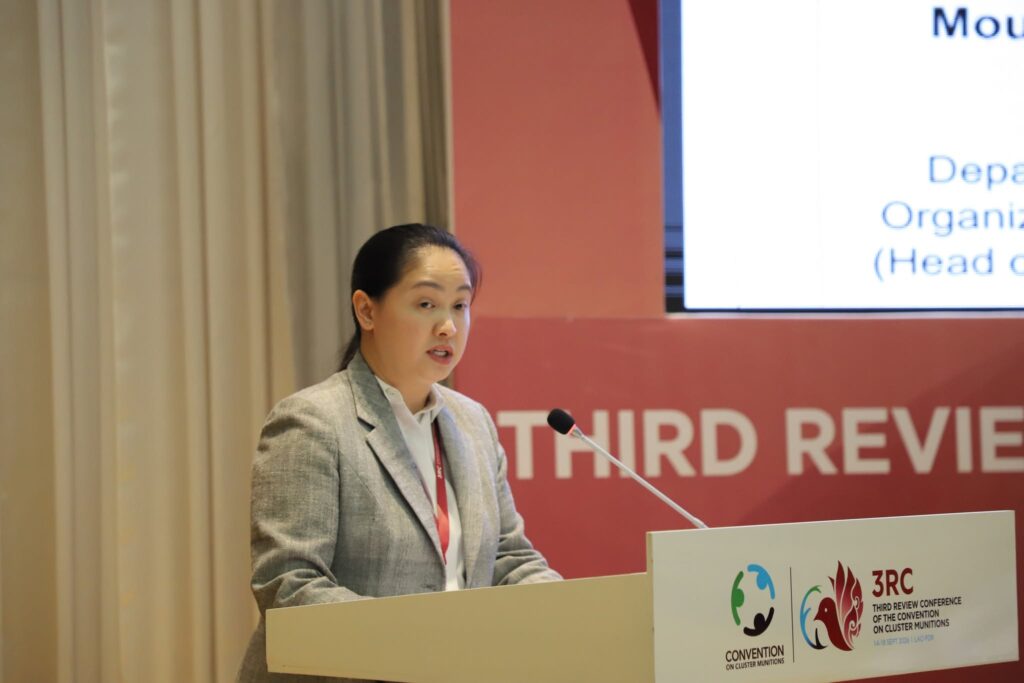
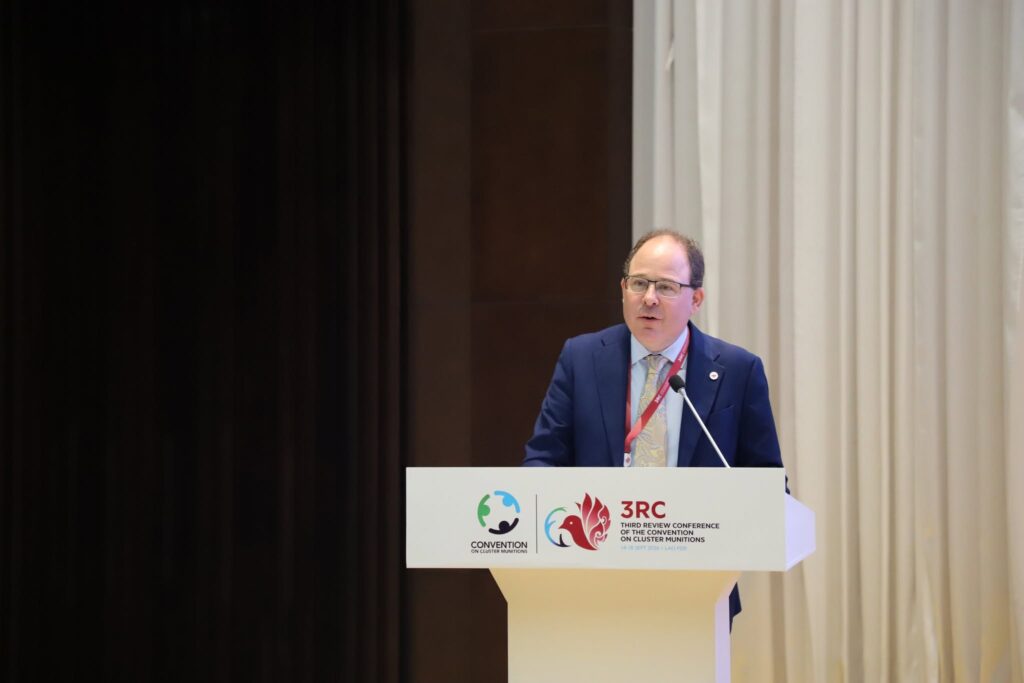
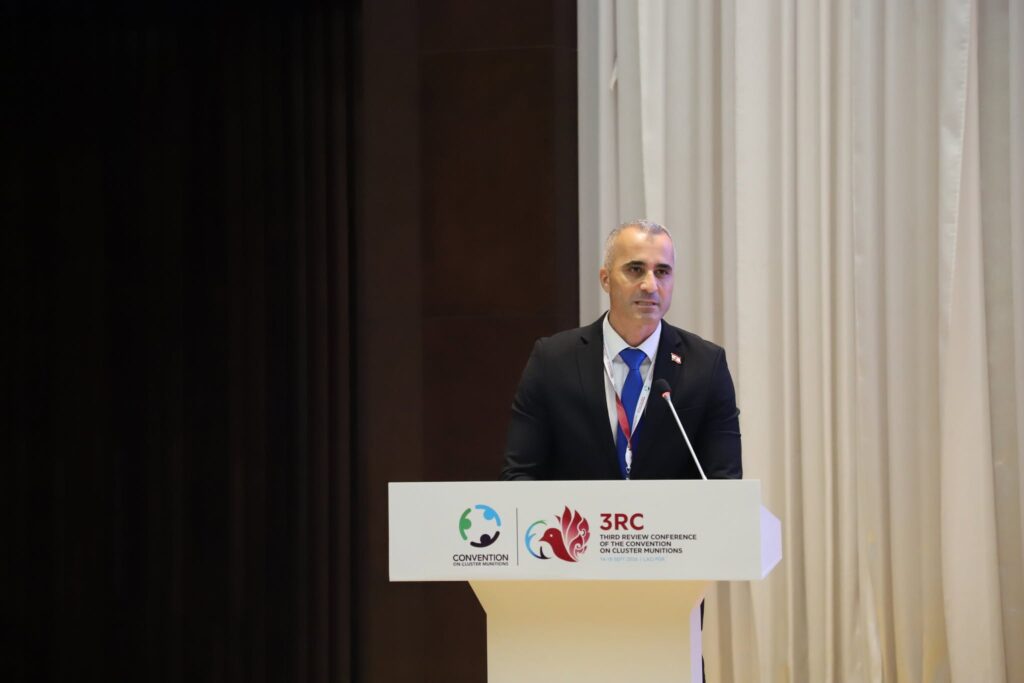
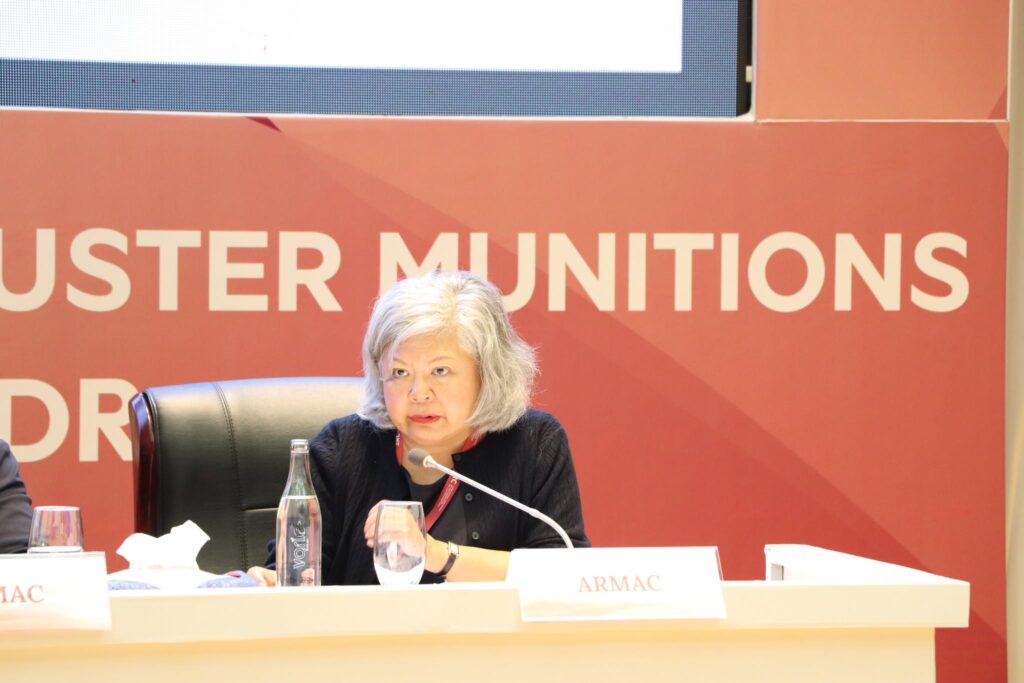
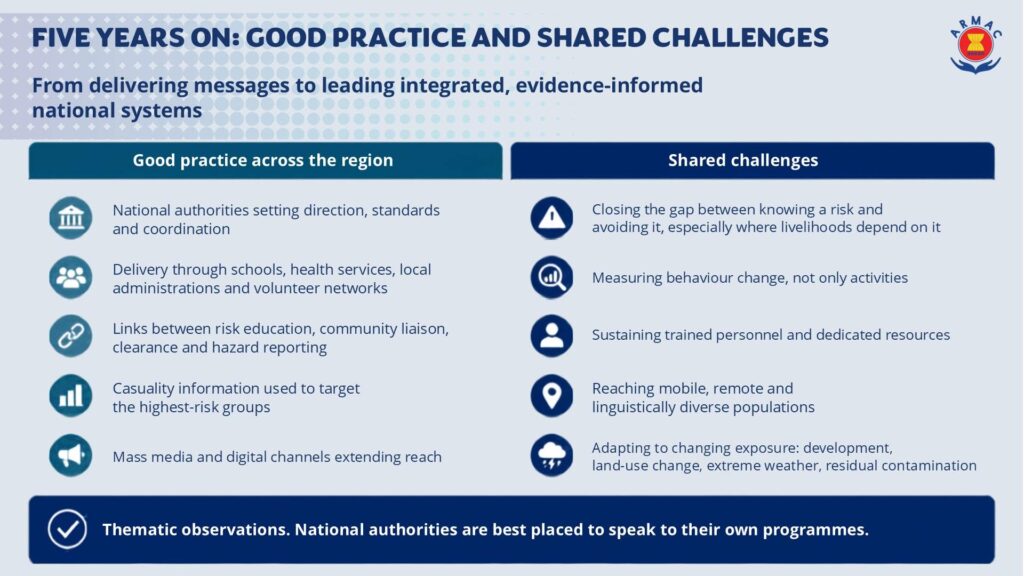
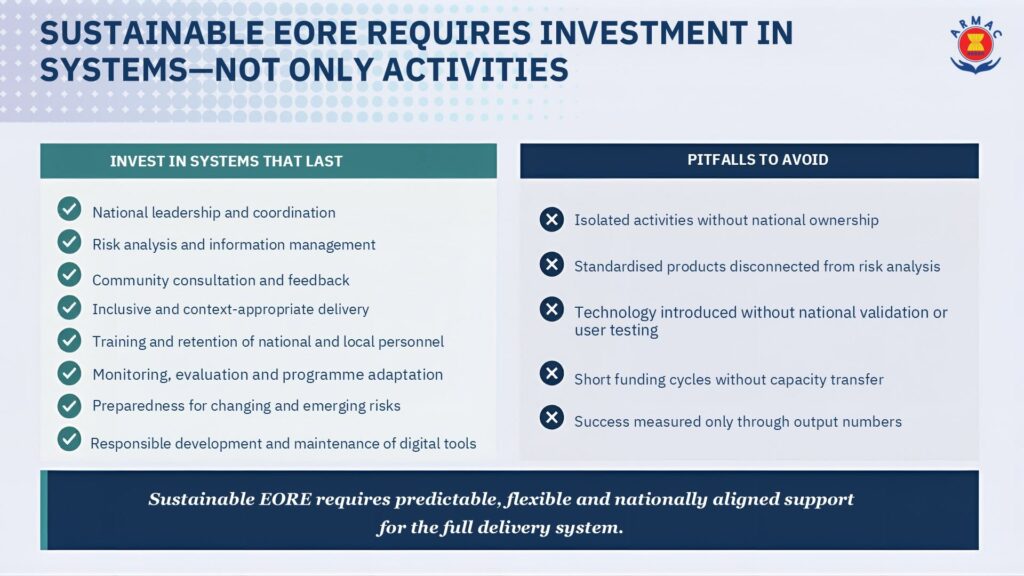
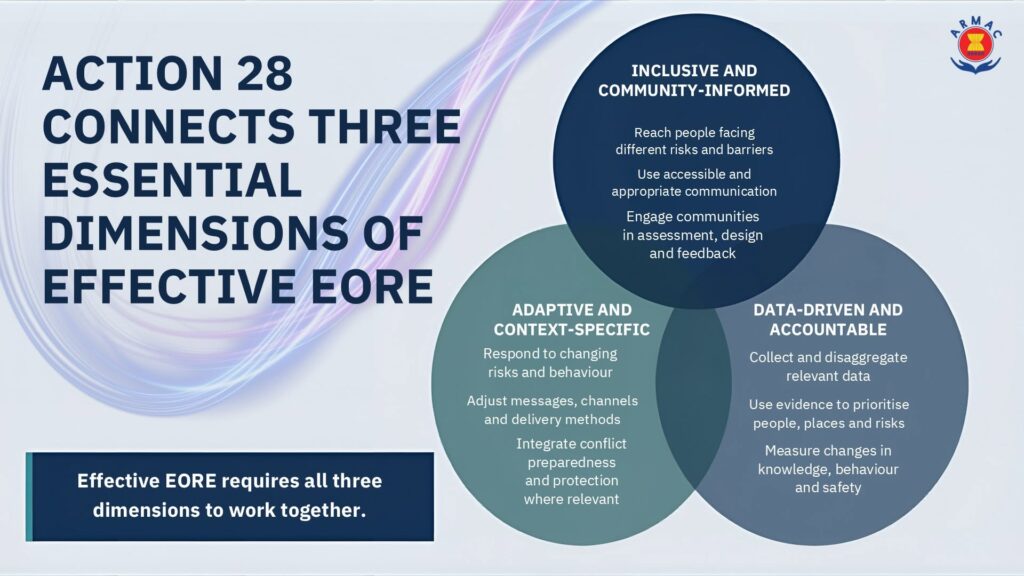
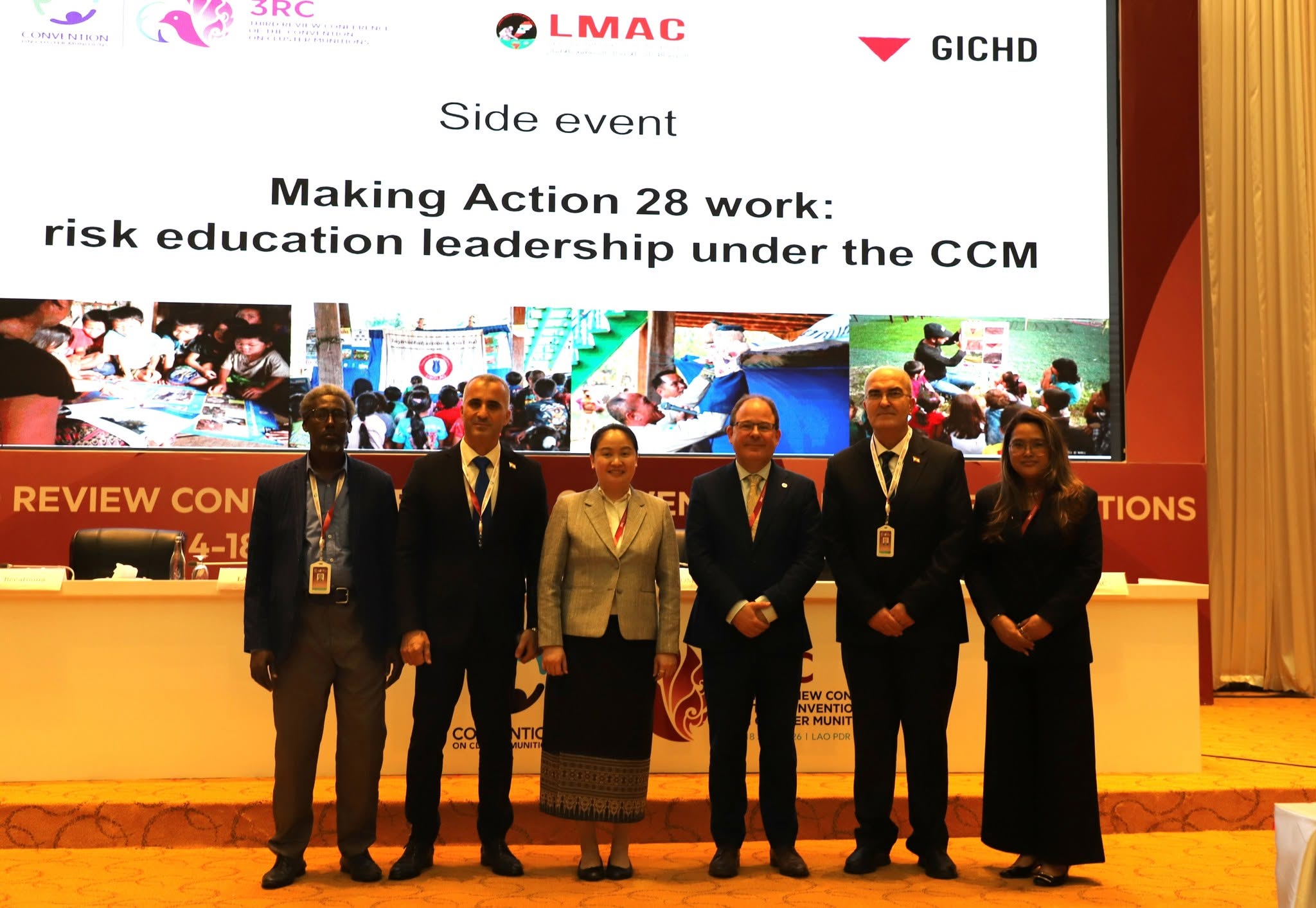
ARMAC shared how ASEAN Member States are gradually moving from delivering individual messages towards building integrated, evidence-informed national EORE systems. Good practice increasingly connects risk education with schools, health services, local administrations, community liaison, hazard reporting and clearance.
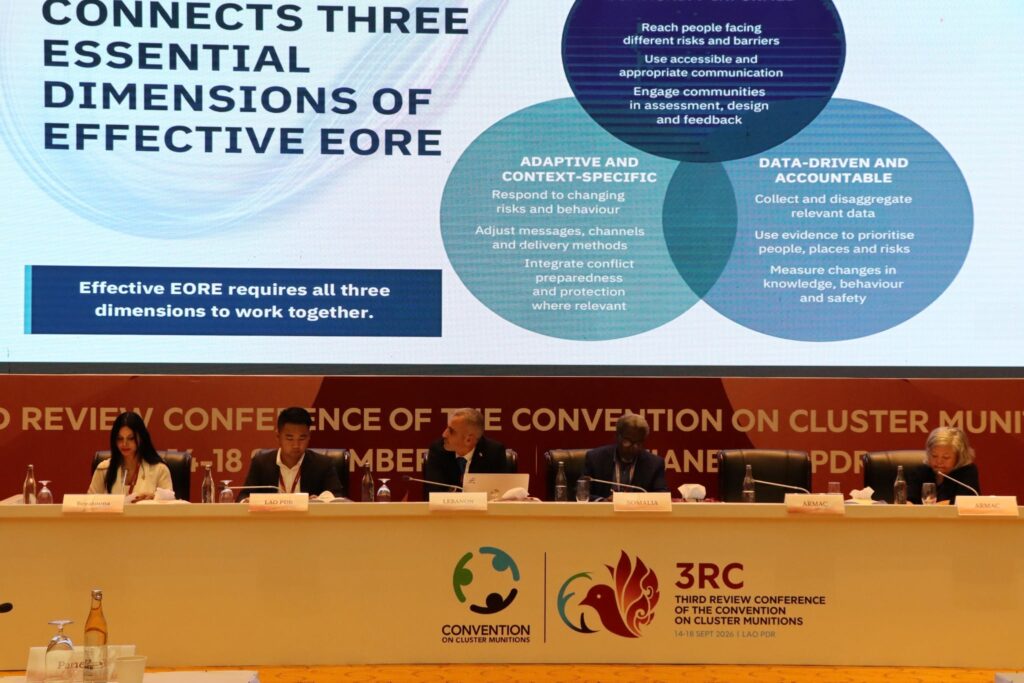
The discussion also highlighted a persistent challenge: awareness alone may not change behaviour when people face risks because of economic necessity. Effective EORE must therefore connect with livelihood realities, protection measures, development planning and clearance priorities.
ARMAC also introduced the S.A.F.E. digital EORE concept as one example of responsible innovation that could complement national and community-based systems, subject to national validation, localisation, community testing, data protection and clear referral pathways.