A Lesson Learned in One Country Should Not Have to Be Relearned at Full Cost in Another

18 Sep
A Lesson Learned in One Country Should Not Have to Be Relearned at Full Cost in Another
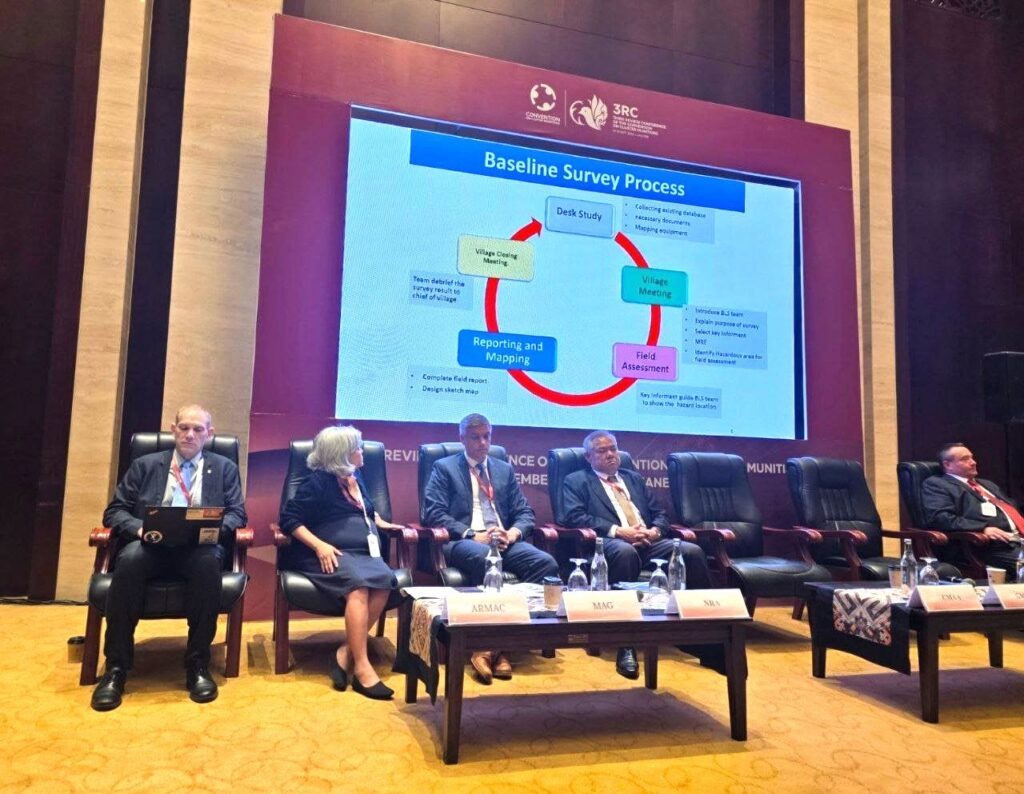
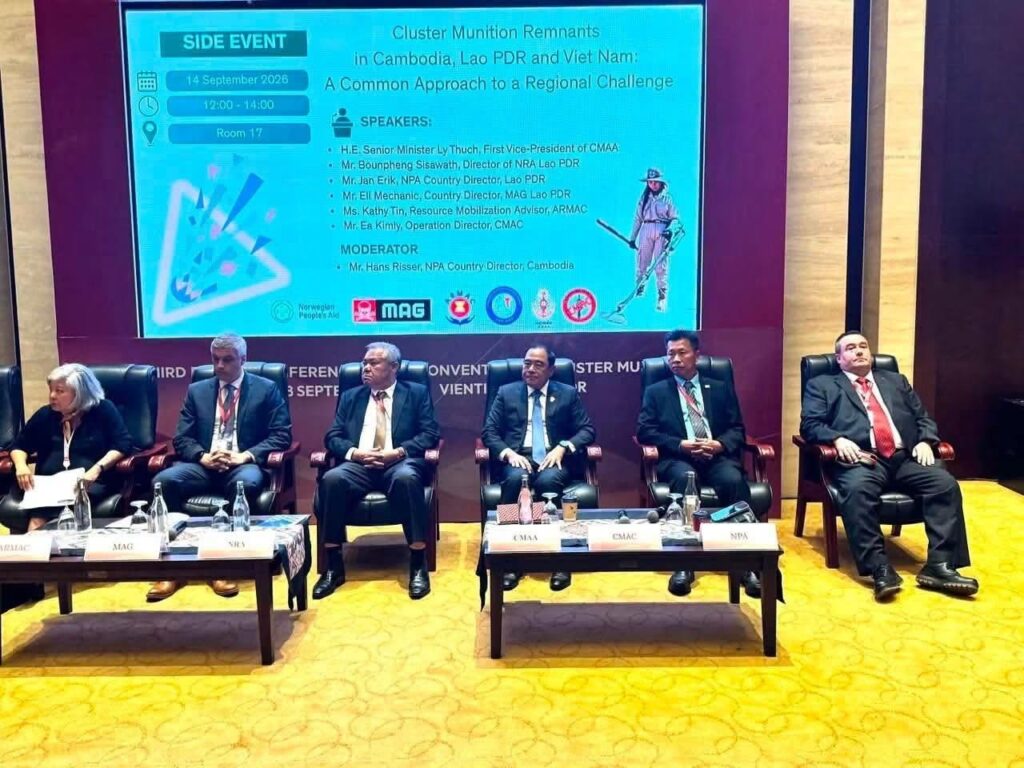
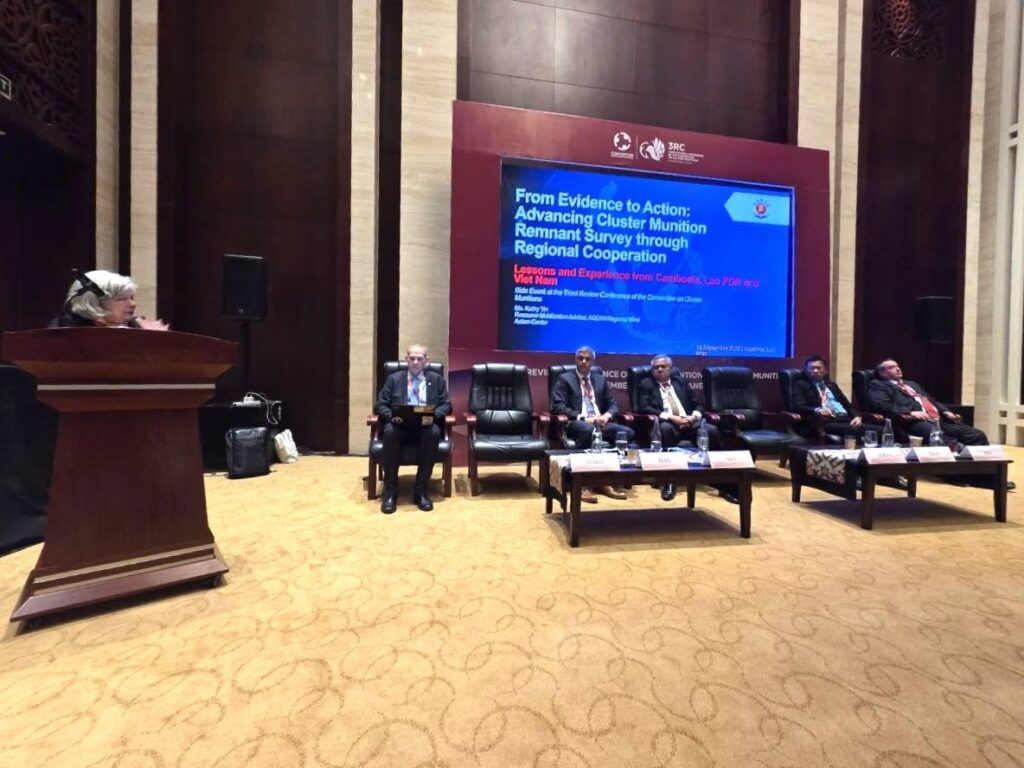
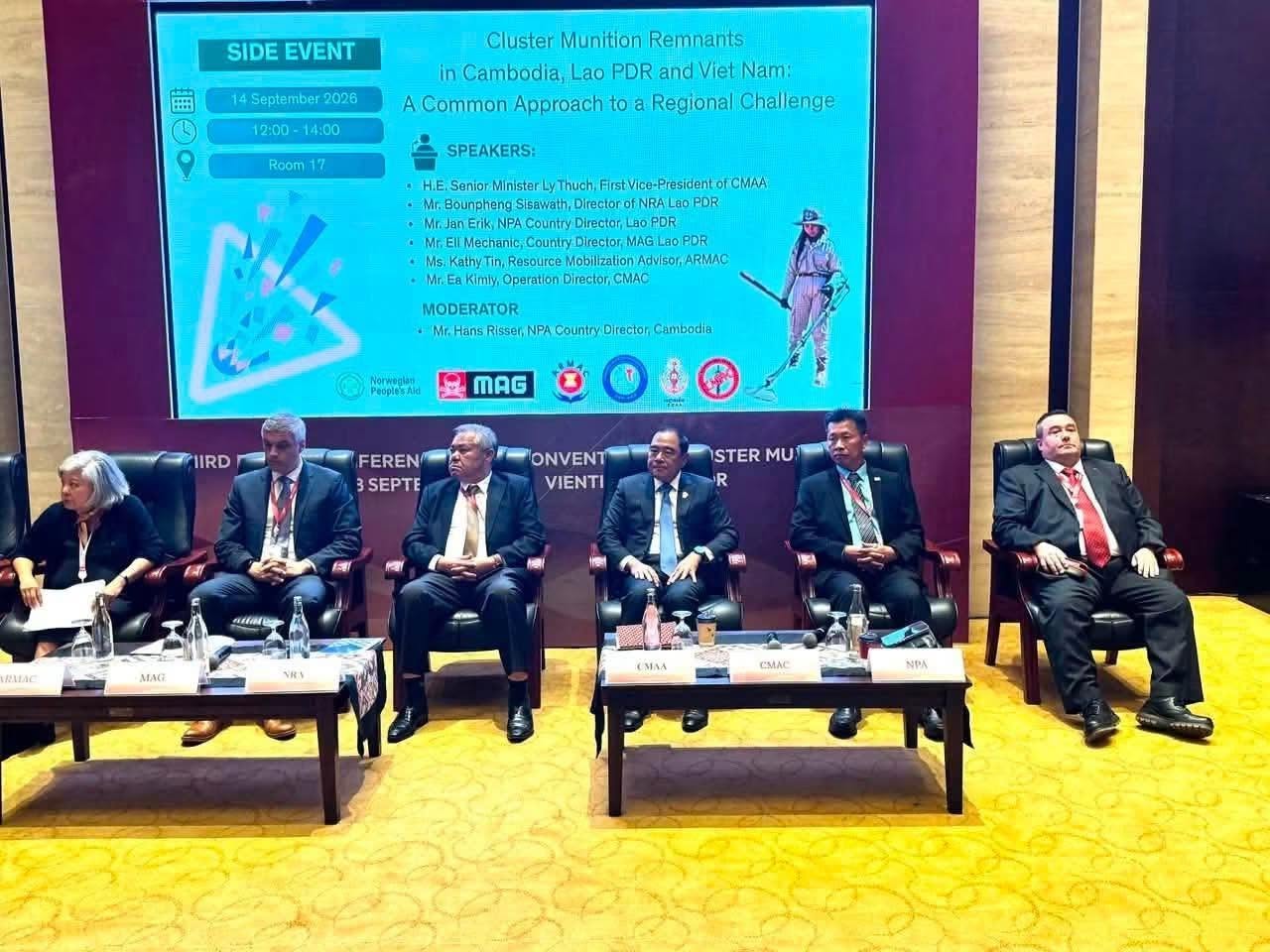
At the Third Review Conference of the Convention on Cluster Munitions in Vientiane, ARMAC joined Norwegian People’s Aid (NPA), MAG (Mines Advisory Group) and national partners for the side event:
“From Evidence to Action: Advancing Cluster Munition Remnant Survey through Regional Cooperation – Lessons and Experience from Cambodia, Lao PDR and Viet Nam.”
Mr. Hans Risser, NPA Country Director in Cambodia, moderated the discussion, which began with high-level opening remarks by H.E. Senior Minister Ly Thuch, First Vice-President of the អាជ្ញាធរមីន – Cambodian Mine Action Authority (CMAA).
The discussion brought together Mr. Bounpheng Sisawath, Director of the NRA Office of Lao PDR; Mr. Jan Erik Støa, NPA Country Director in Lao PDR; Mr. Ea Kimly of the មជ្ឈមណ្ឌលសកម្មភាពកំចាត់មីនកម្ពុជា – CMAC (CMAC); Mr. Eli Mechanic of MAG in Lao PDR; and Ms. Kathy Tin, ARMAC Resource Mobilization Advisor.
Together, they considered a wider question: how can knowledge developed through years of survey, information management, clearance and land release benefit other affected countries?
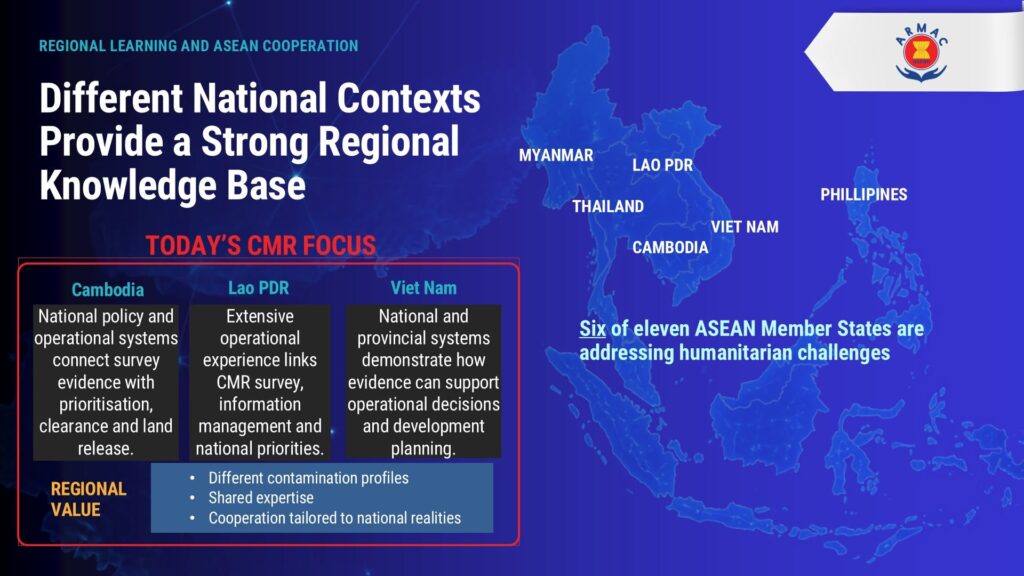
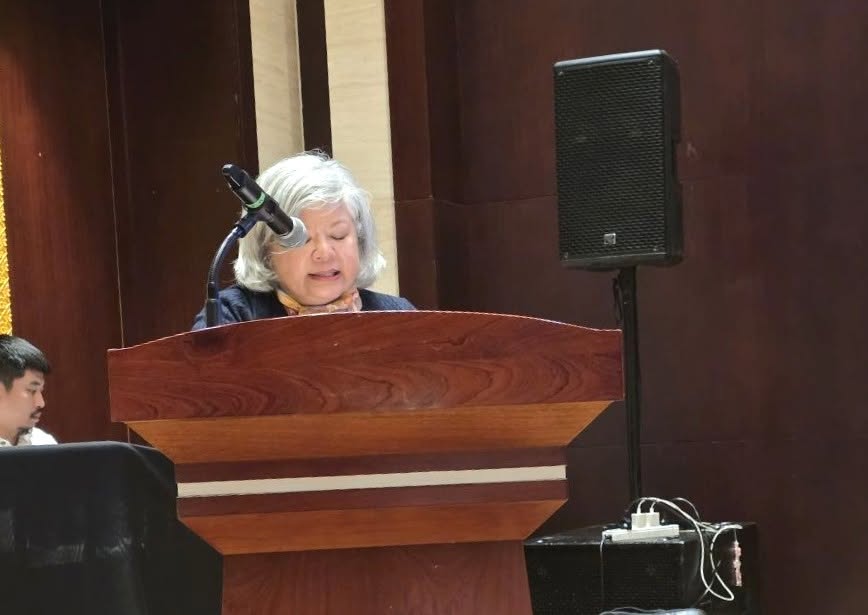
Representing ARMAC, Ms. Kathy Tin shared a regional perspective on moving from national experience to ASEAN cooperation.
Her central message was simple: regional cooperation should reduce the cost of learning.
Cambodia, Lao PDR and Viet Nam have developed extensive knowledge through years of addressing cluster munition contamination. This includes successful approaches, methods that required adjustment, data challenges that had to be resolved and operational decisions that produced unexpected results.
Regional cooperation does not mean creating one methodology for every country. It means enabling national authorities to learn directly from peers who have faced similar decisions, understand why particular approaches worked and adapt relevant lessons to their own standards and operating contexts.
ARMAC can support this process by documenting national experience, facilitating focused technical exchanges, connecting Member States with relevant expertise and carrying agreed priorities into regional programmes.
Evidence becomes more valuable when it informs decisions. Experience becomes more valuable when others can learn from it.
© ARMAC 2023 . All rights reserved.