Blog

16 Sep
National Ownership Turns Partnership into Lasting Mine Action
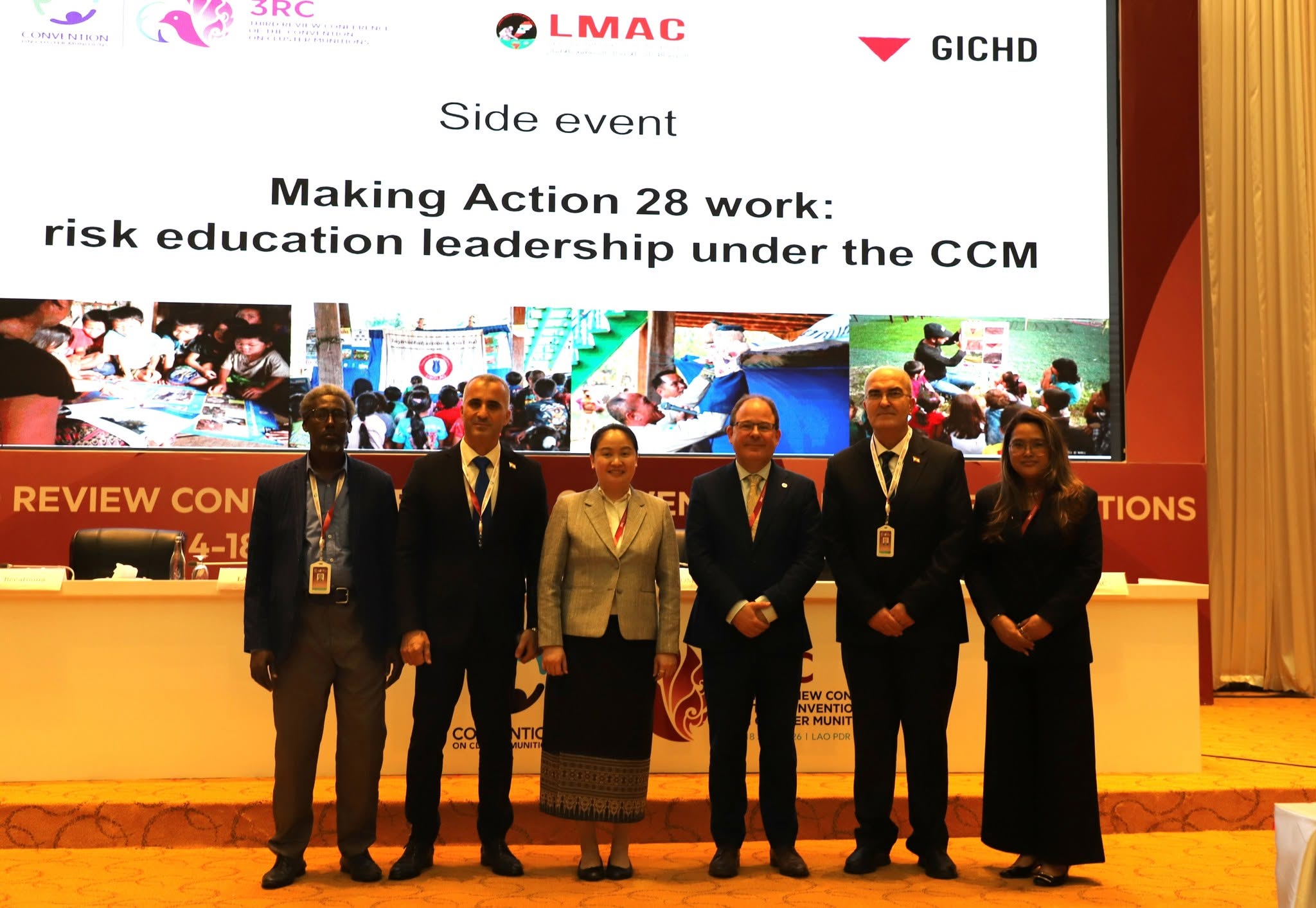
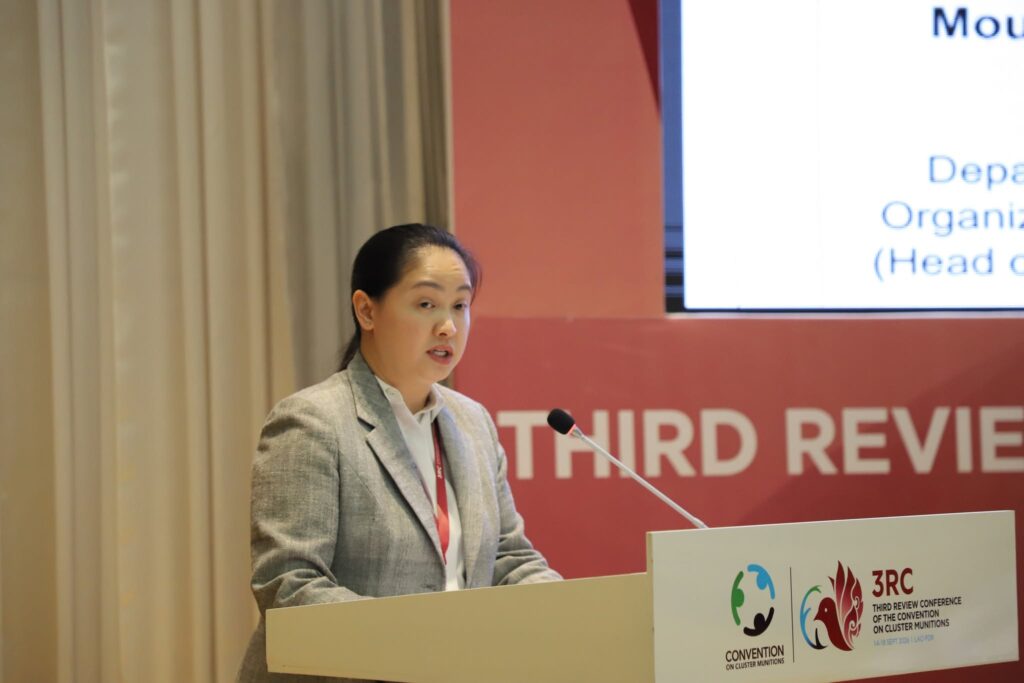
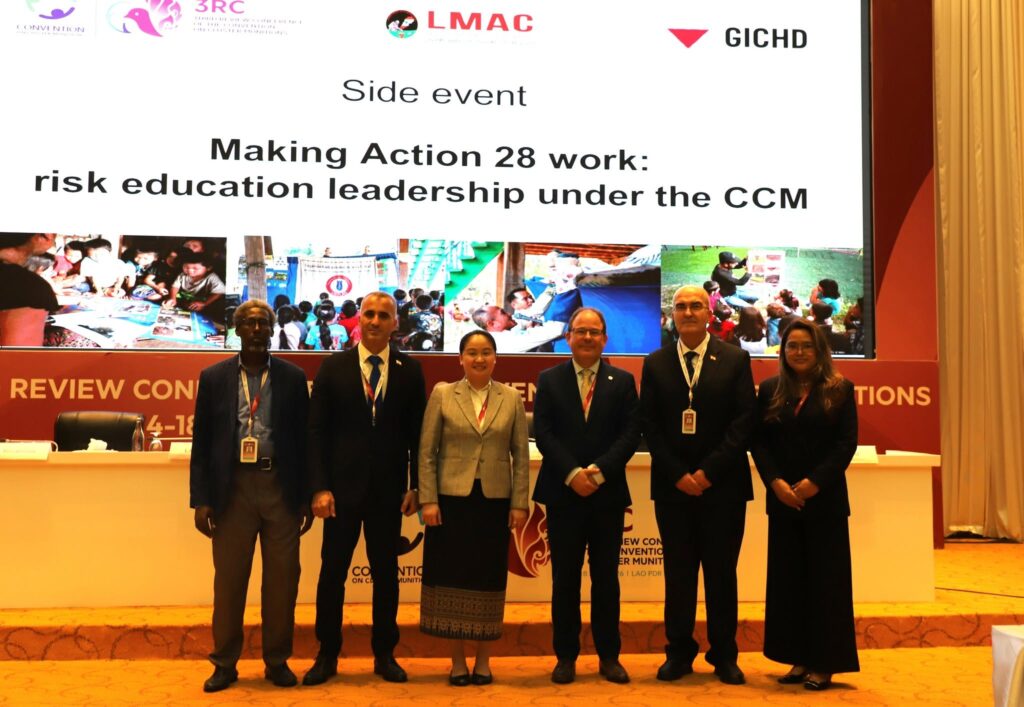
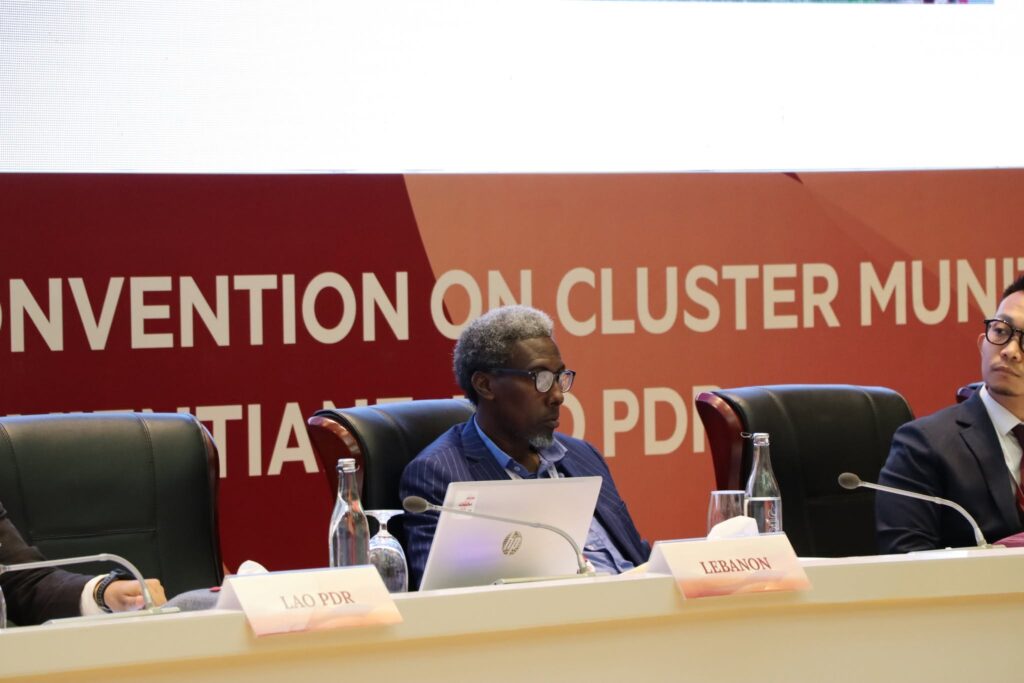
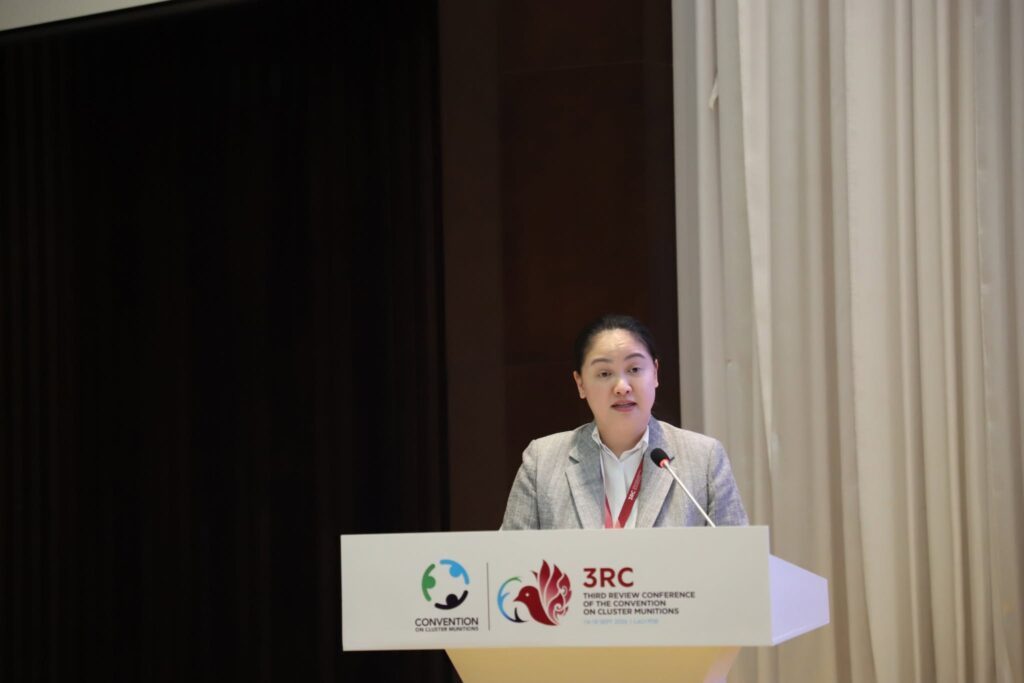
ARMAC congratulates the Government of the Lao People’s Democratic Republic on assuming the Presidency of the Third Review Conference of the Convention on Cluster Munitions and leading efforts to advance the Vientiane Capital Action Plan.
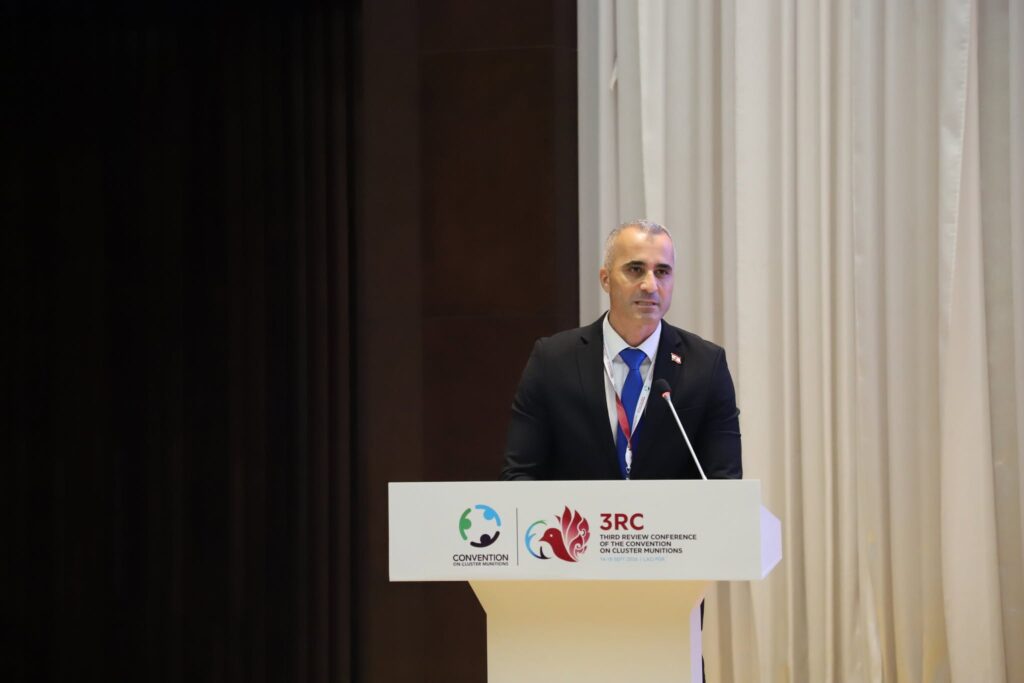
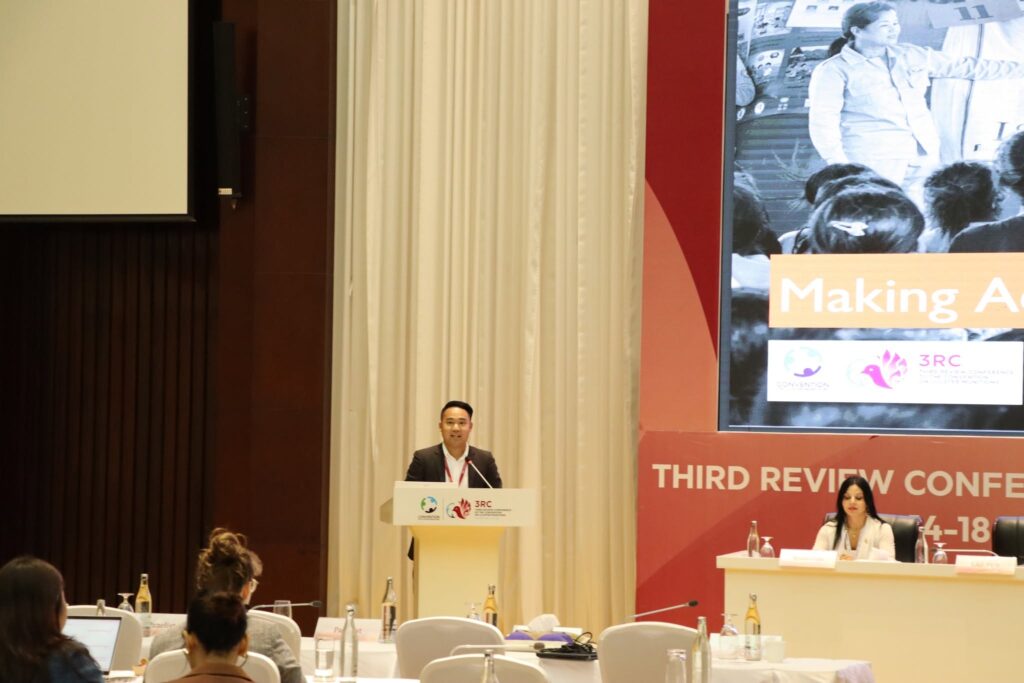
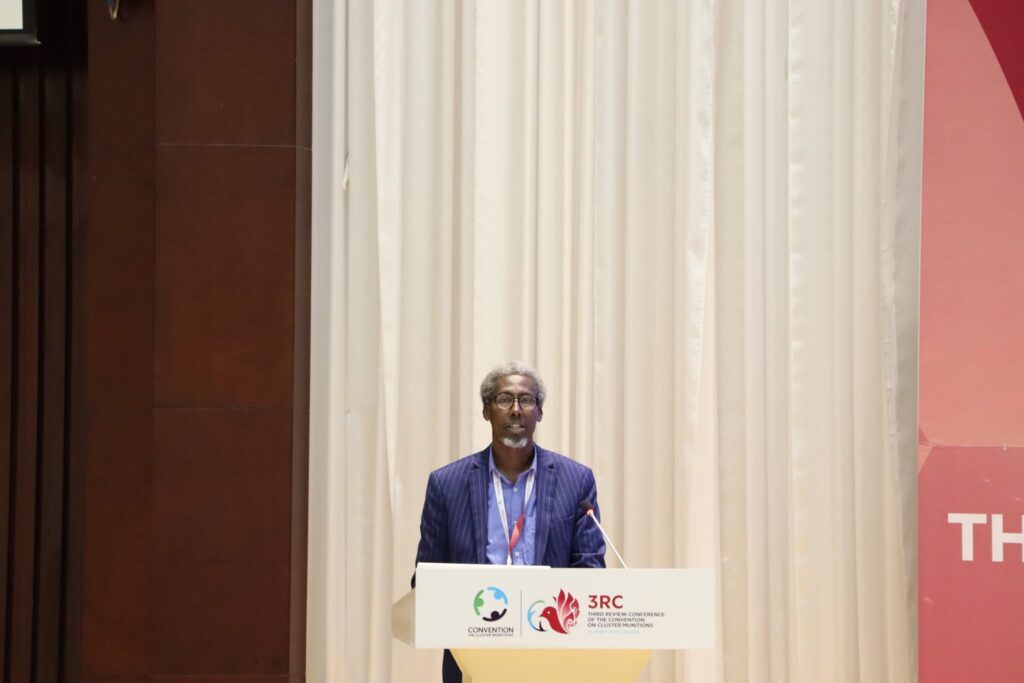
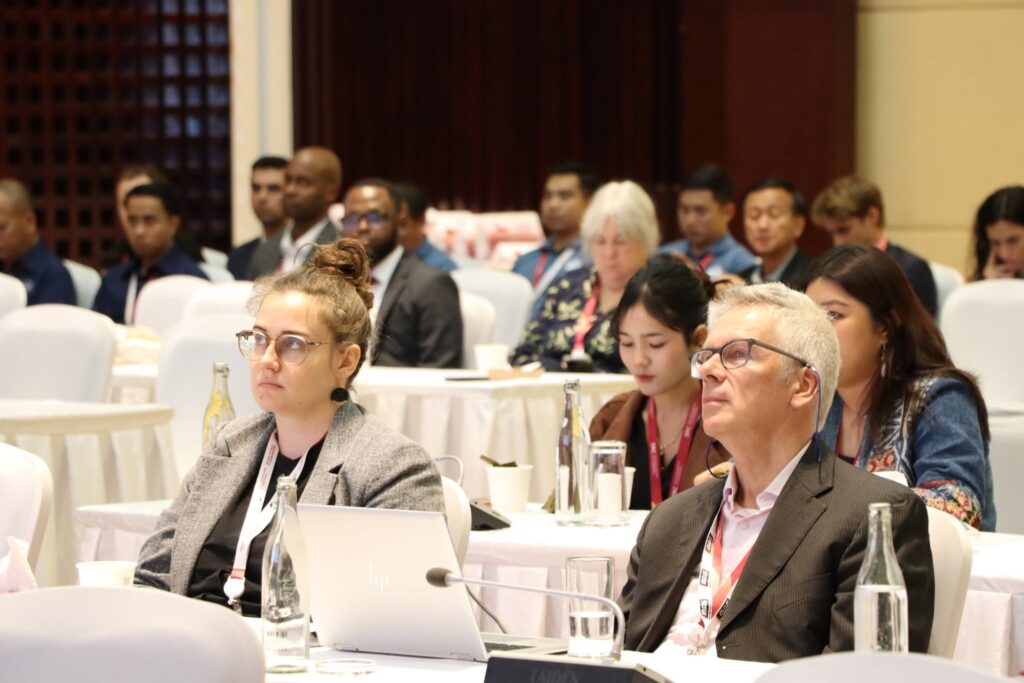
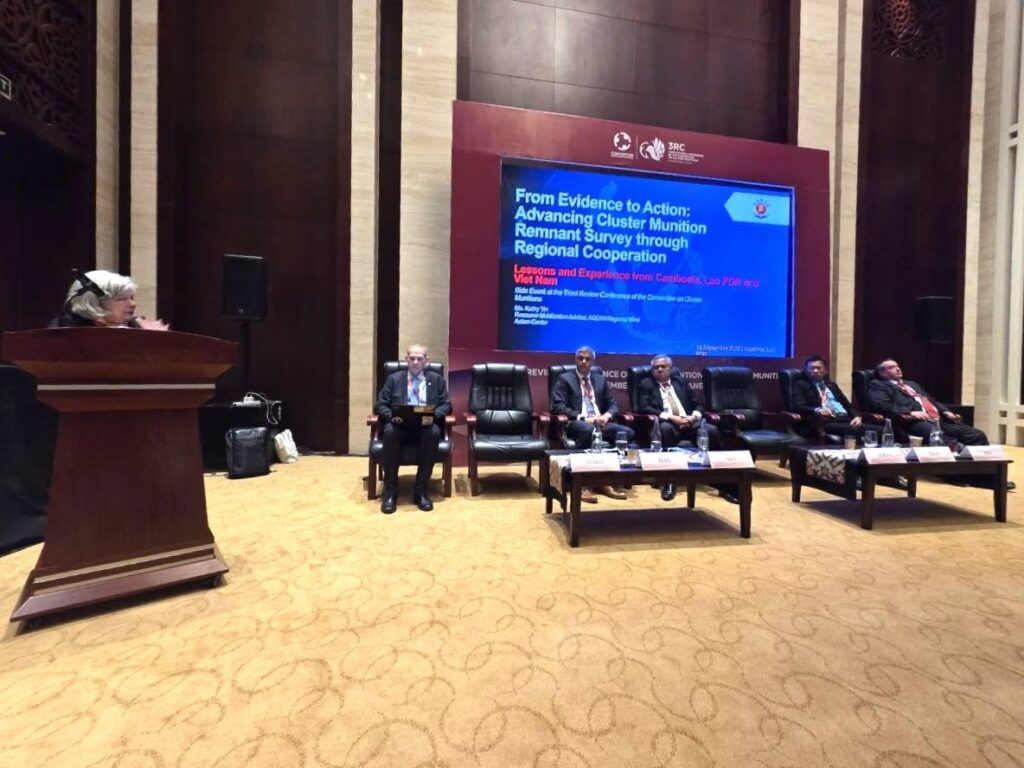
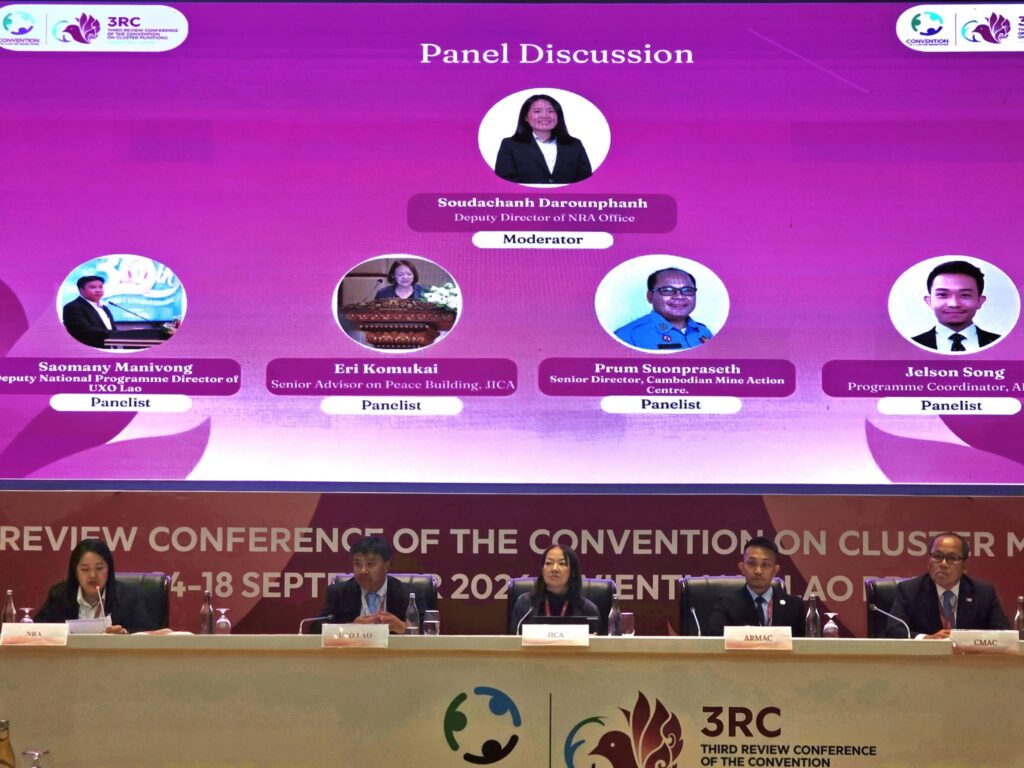
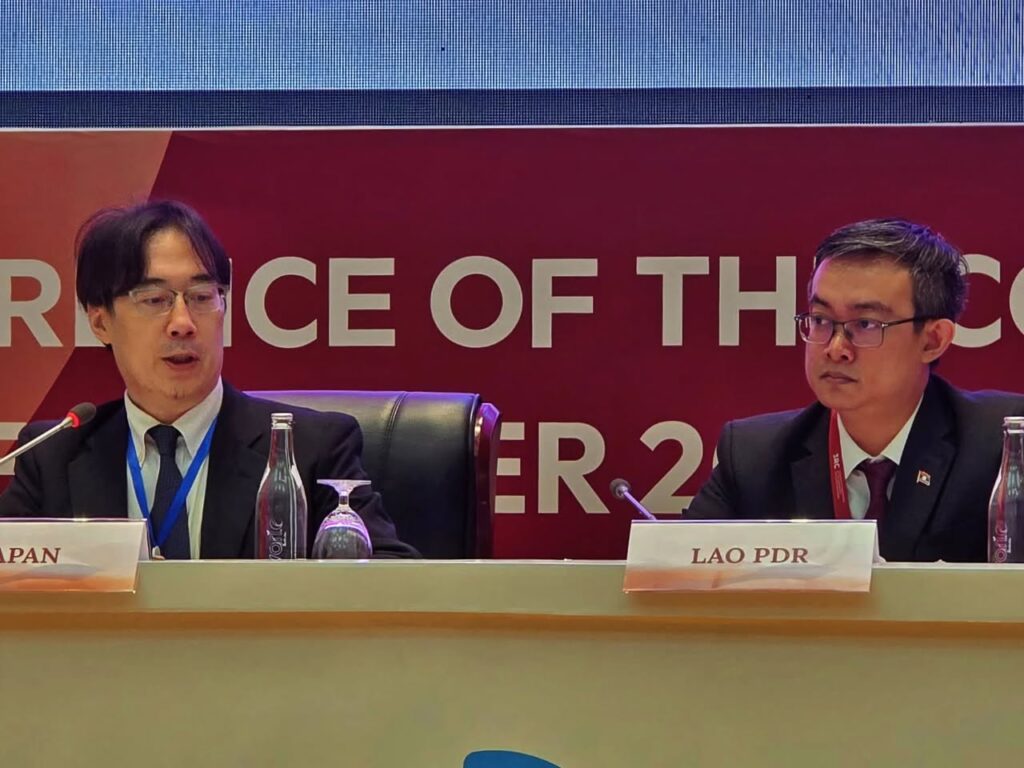
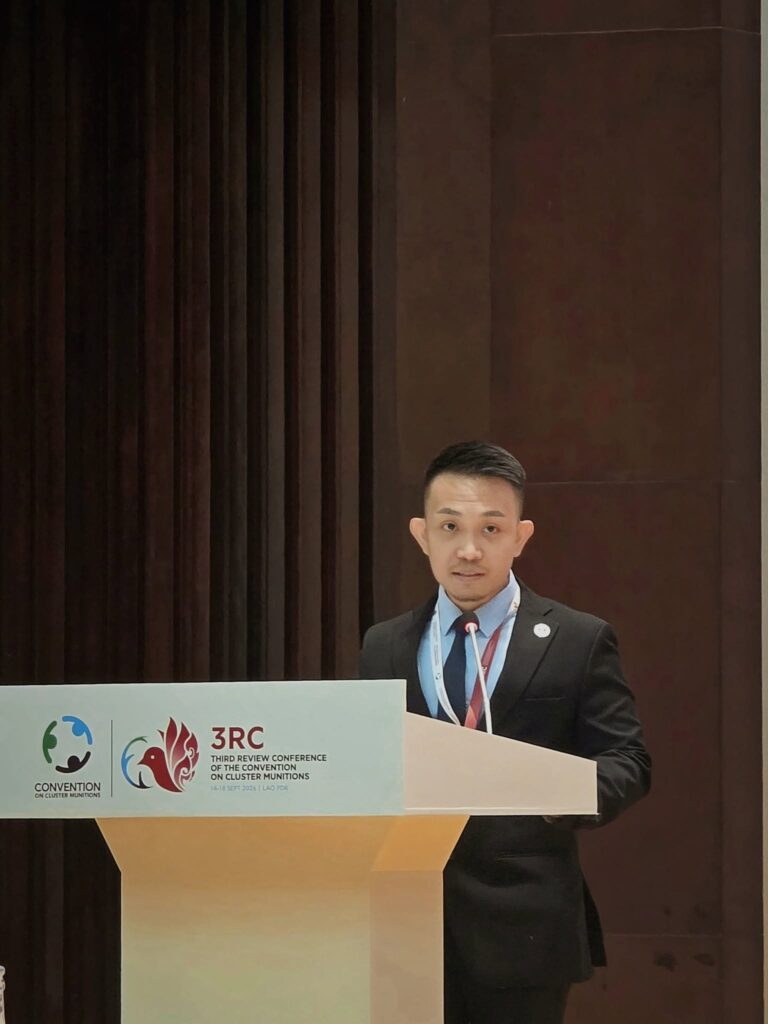
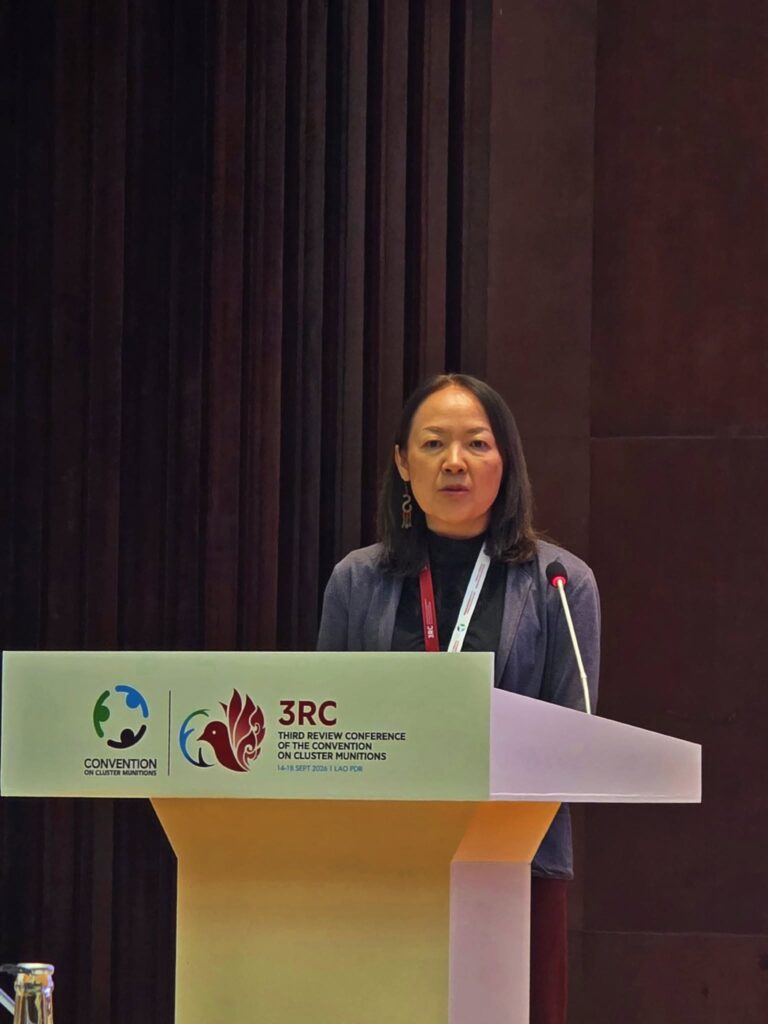
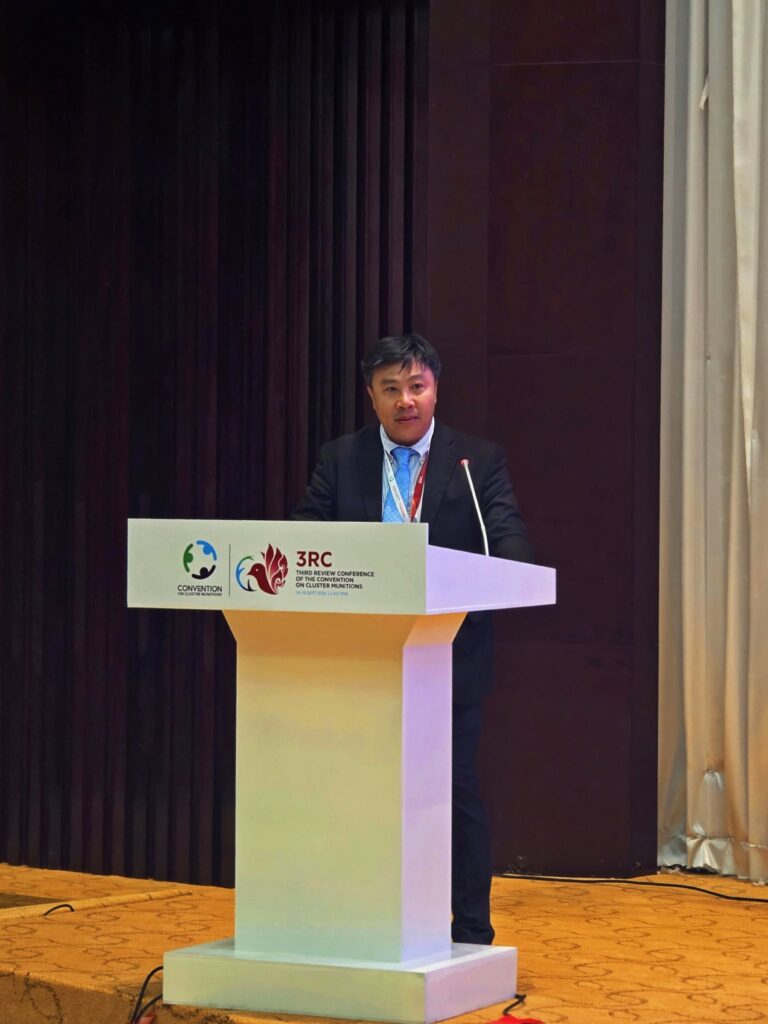
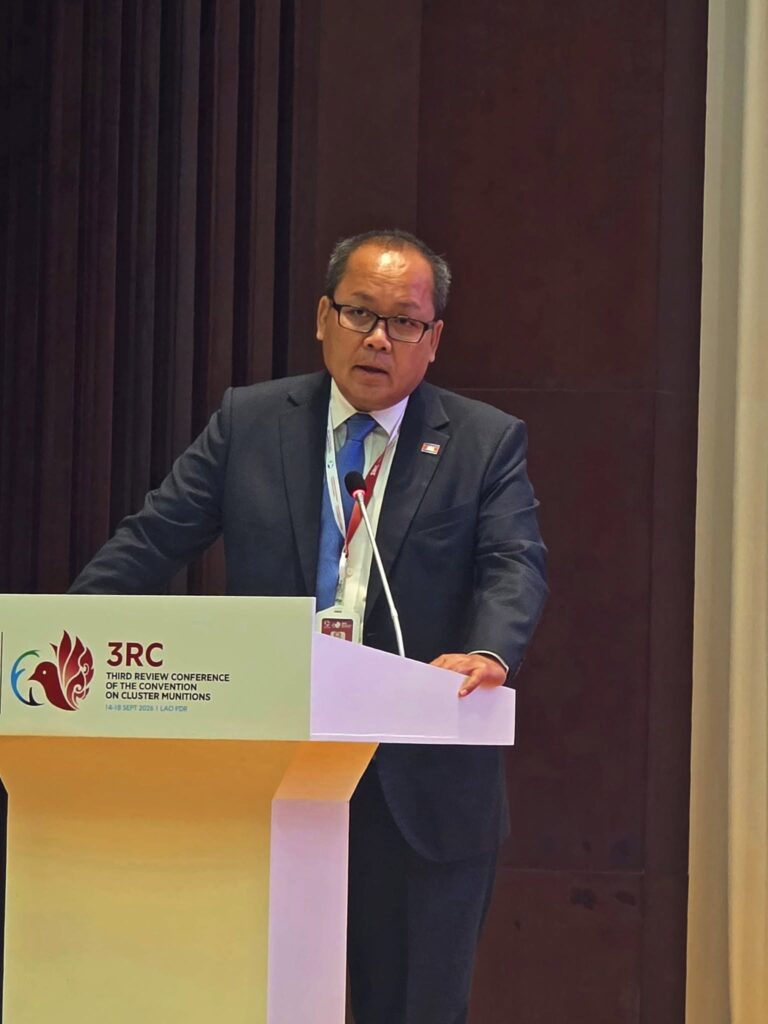
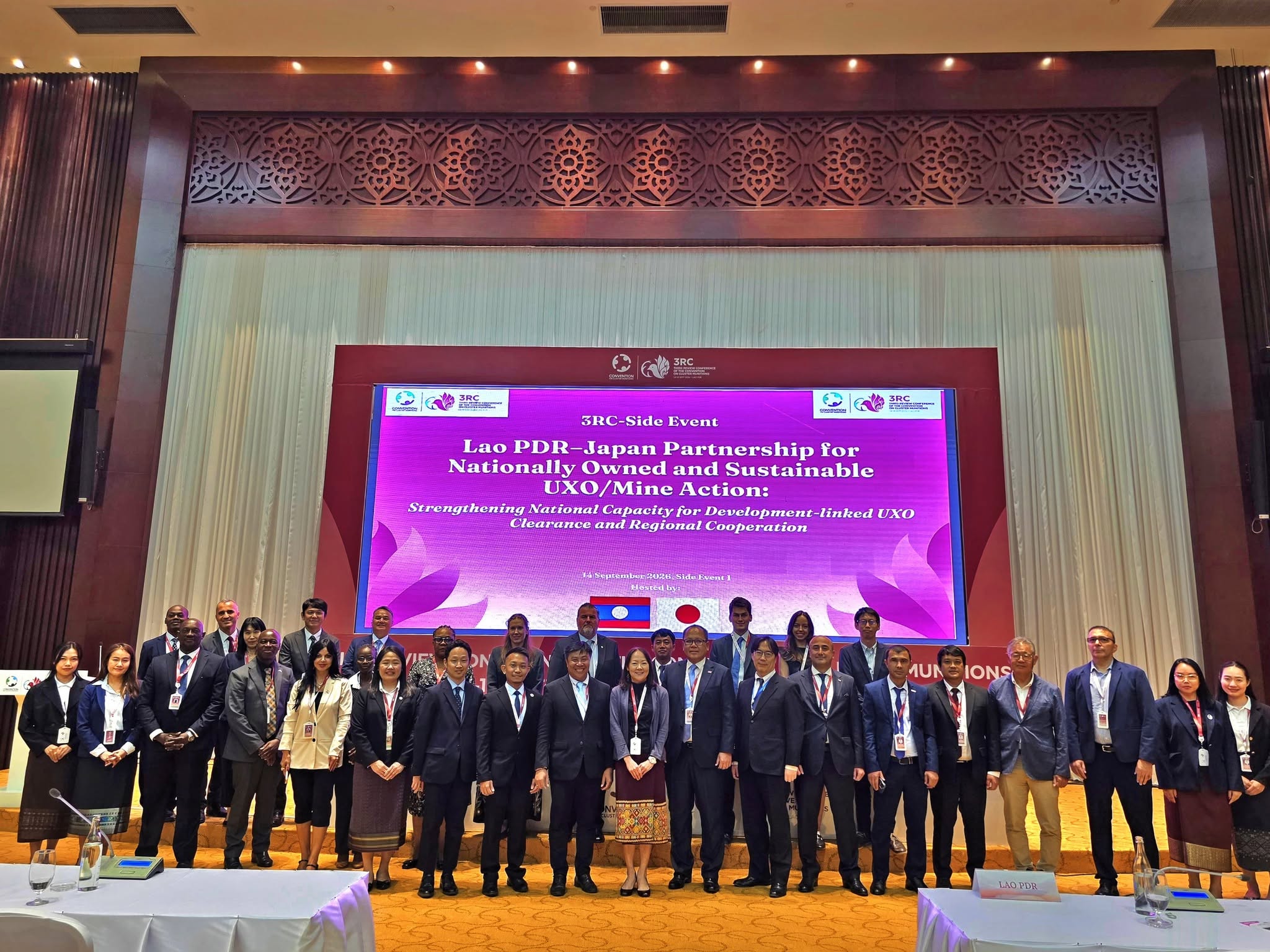
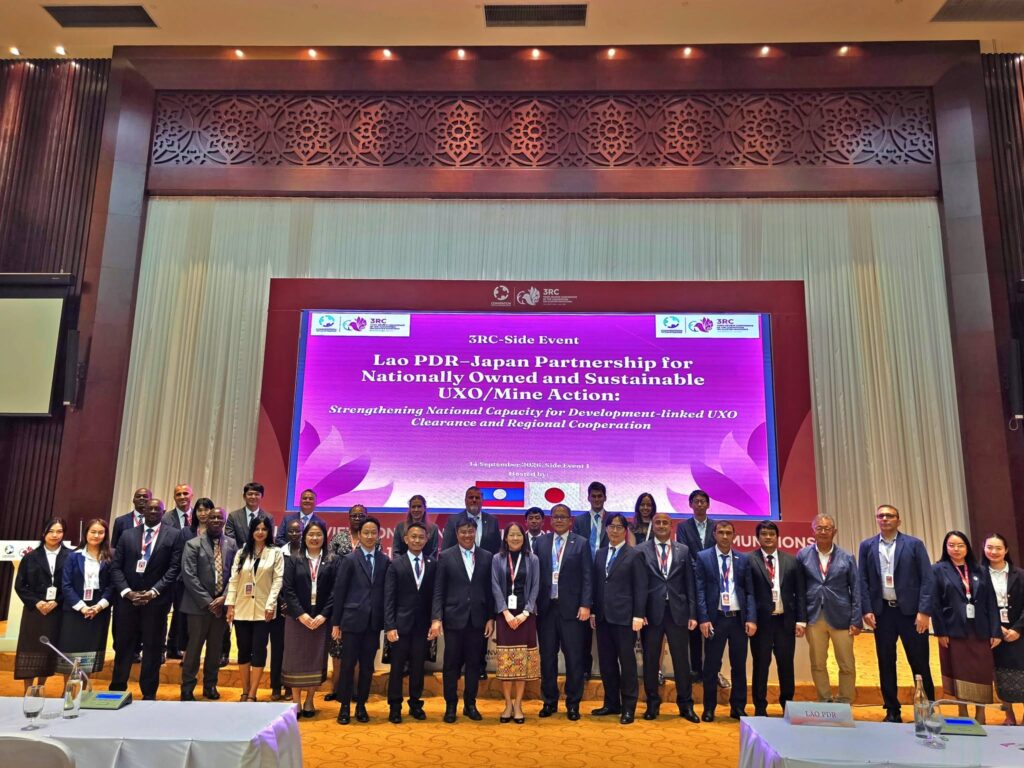
Against this important backdrop, Lao PDR and Japan hosted the side event “Lao PDR–Japan Partnership for Nationally Owned and Sustainable UXO/Mine Action: Strengthening National Capacity for Development-linked UXO Clearance and Regional Cooperation.”
The event opened with remarks by the Deputy Director-General of the Department of International Organizations, Ministry of Foreign Affairs of Lao PDR, and Mr. Koga, Counsellor at the Embassy of Japan in Lao PDR.
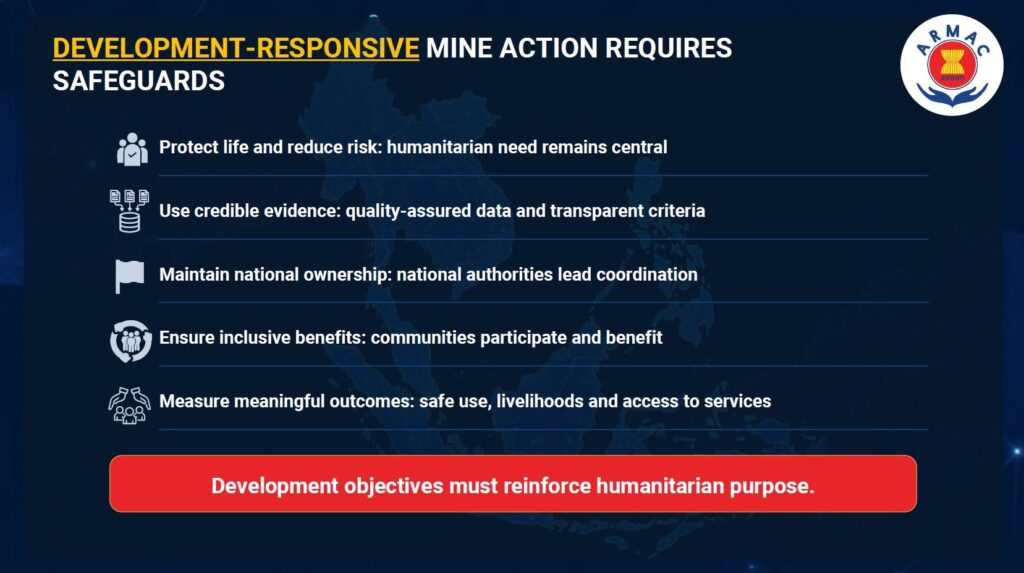
The discussion showed what a sustained partnership can achieve when national ownership remains at its centre. Long-term cooperation can help national institutions strengthen their systems, retain expertise and connect humanitarian UXO clearance with national development priorities, while keeping humanitarian principles and affected communities at the heart of decisions.
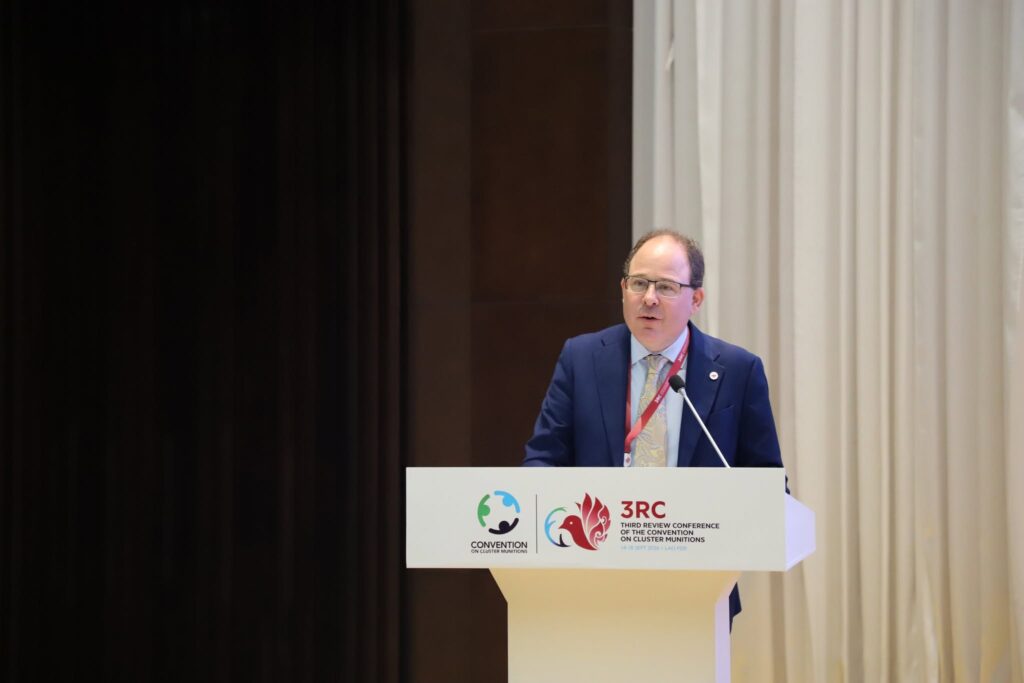
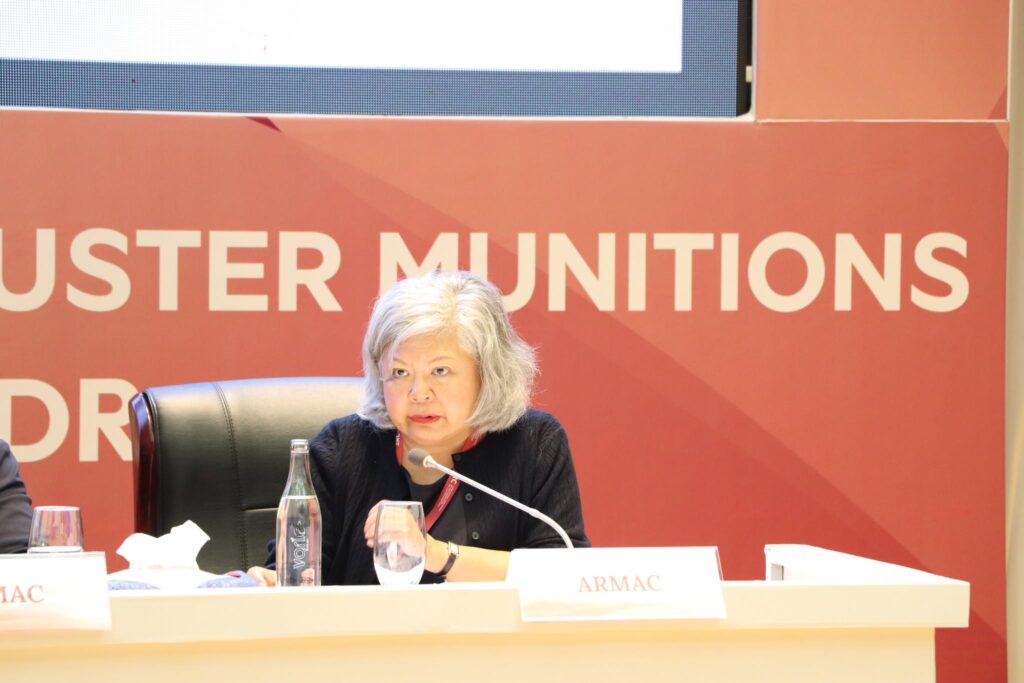
Joining representatives of UXO Lao, JICA and CMAC, ARMAC’s Programme Coordinator – Mine Action, Mr. Jelson Song, contributed a regional perspective drawn from the varied experiences of ASEAN Member States.
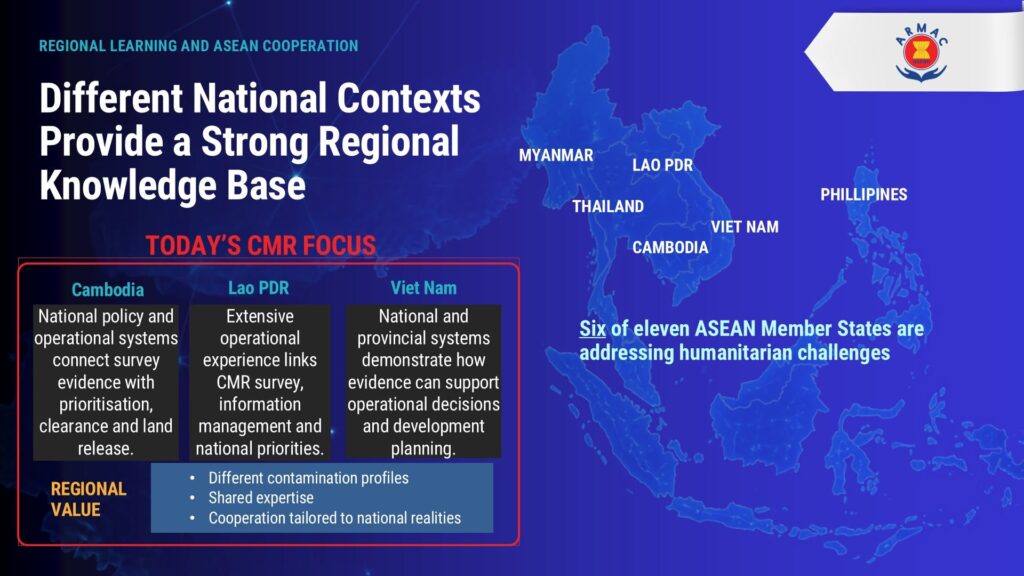
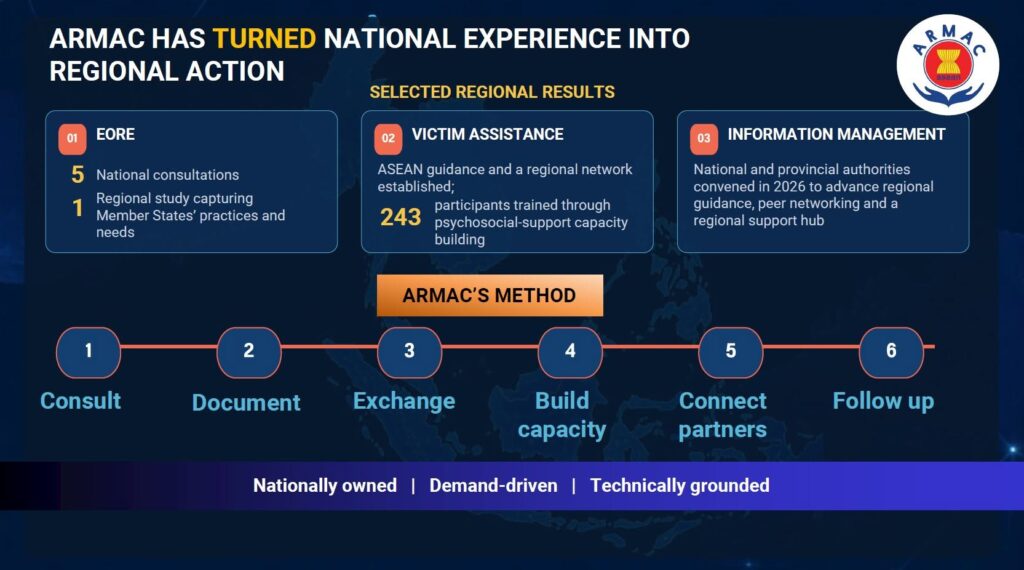
ARMAC’s message was clear: ASEAN does not need a single mine-action model. Countries need practical ways to exchange tested experience, understand the conditions that made it effective and adapt relevant lessons to their own national systems.
Regional cooperation succeeds when knowledge travels across borders while national ownership remains firmly at home.
ARMAC remains committed to helping ASEAN Member States turn national experience into shared regional learning, stronger institutions and safer development outcomes for affected communities.
05 Sep
Beyond Clearance: Witnessing How Mine Action Makes Recovery Possible
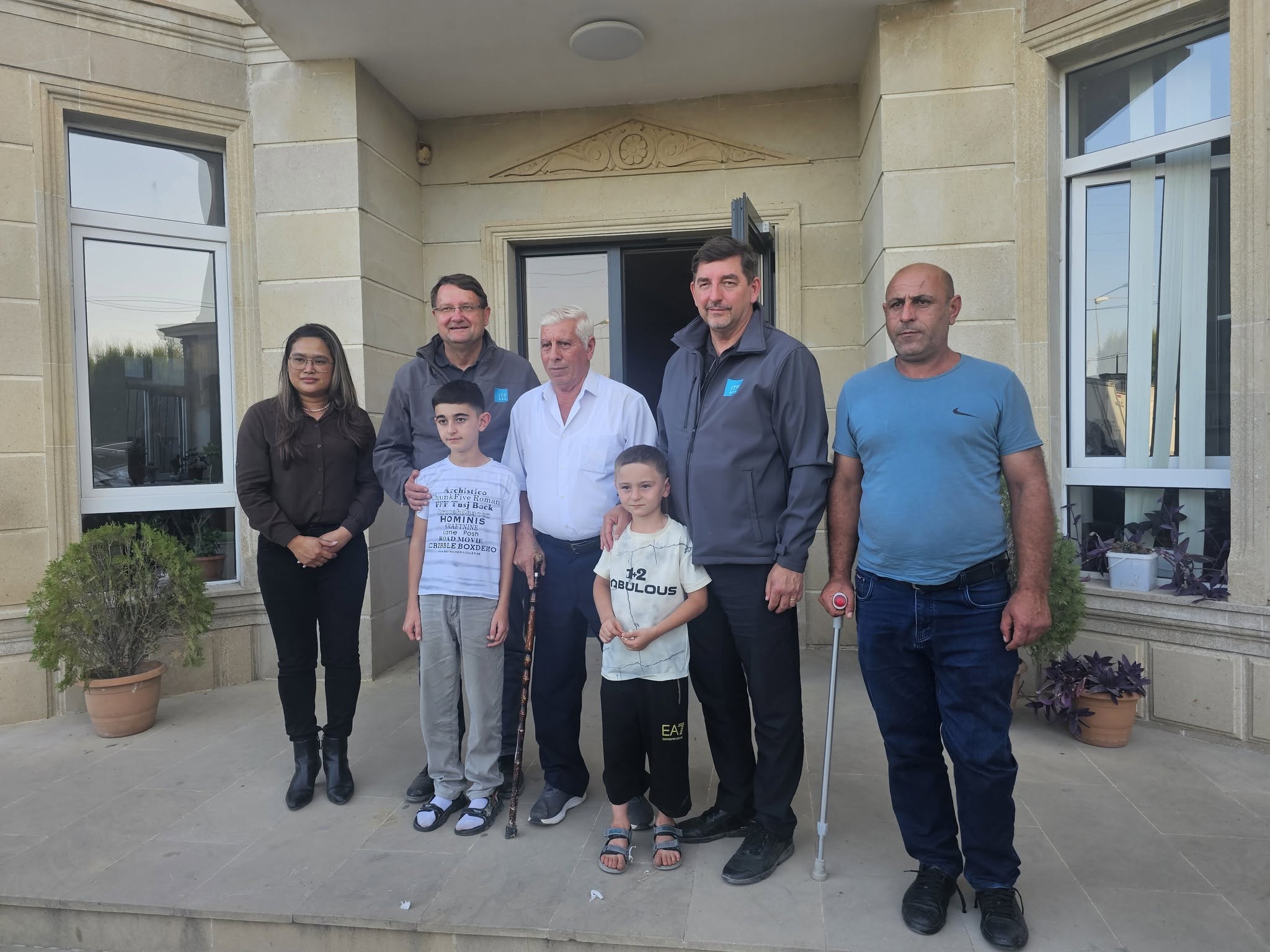
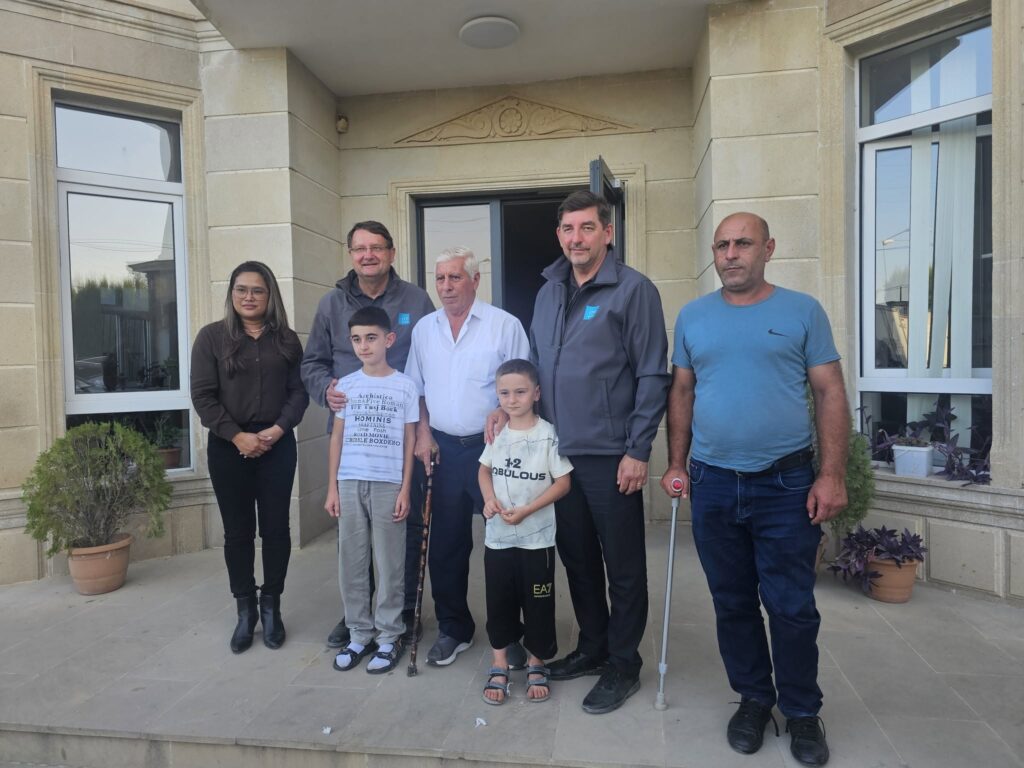
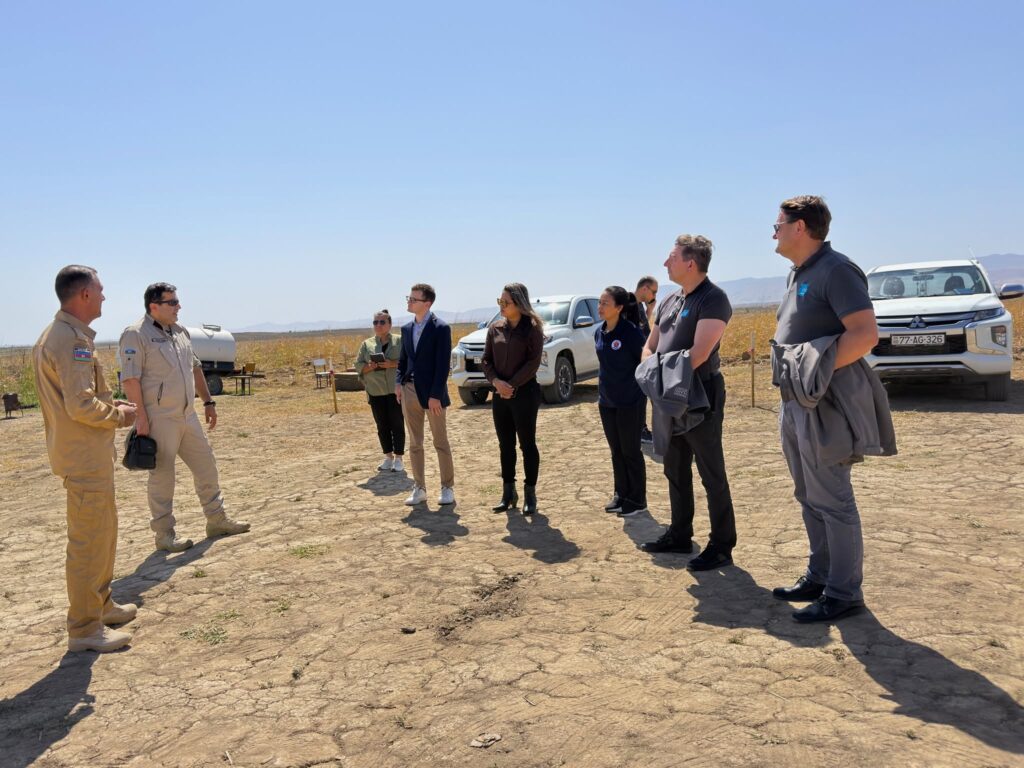
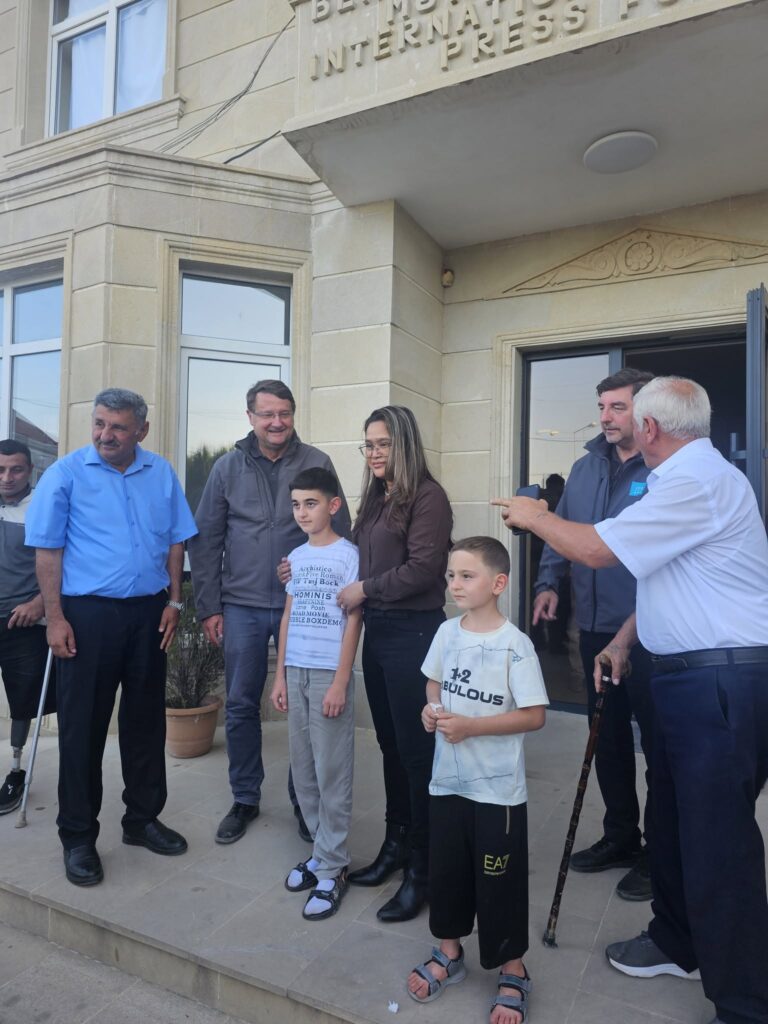
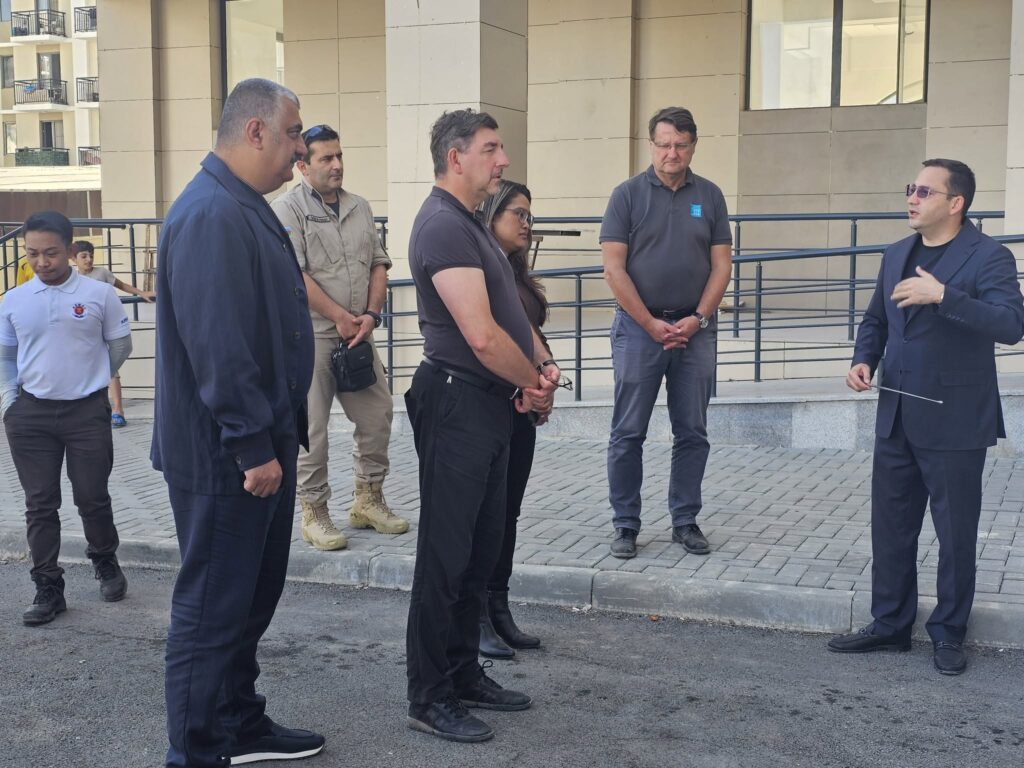
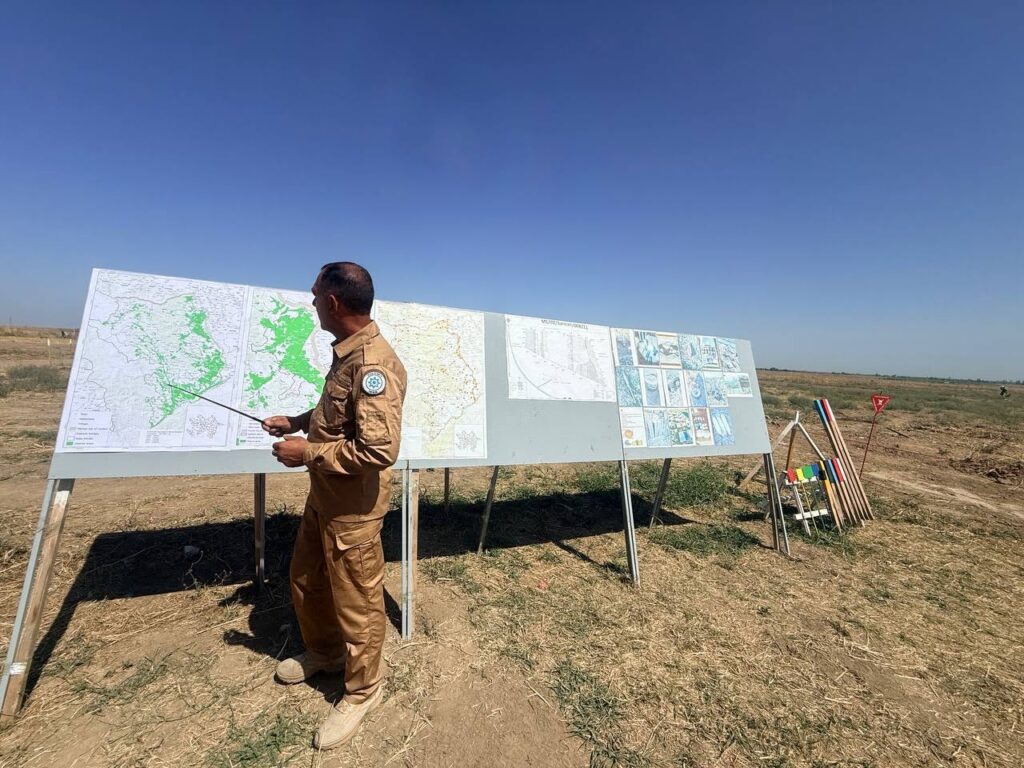
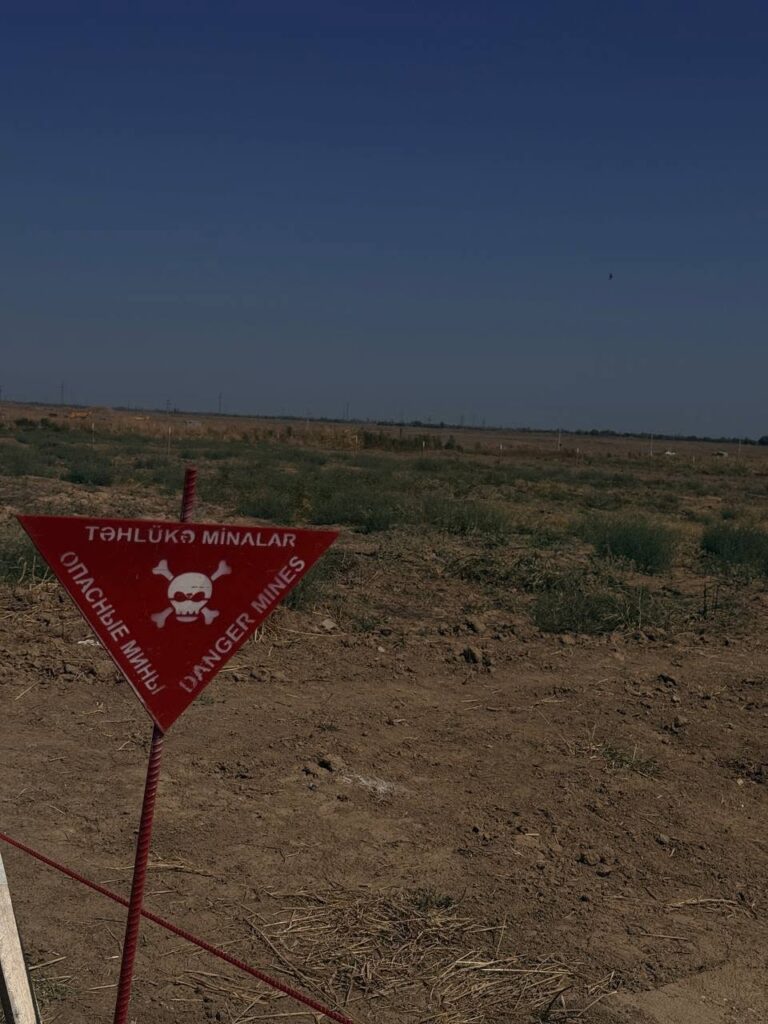
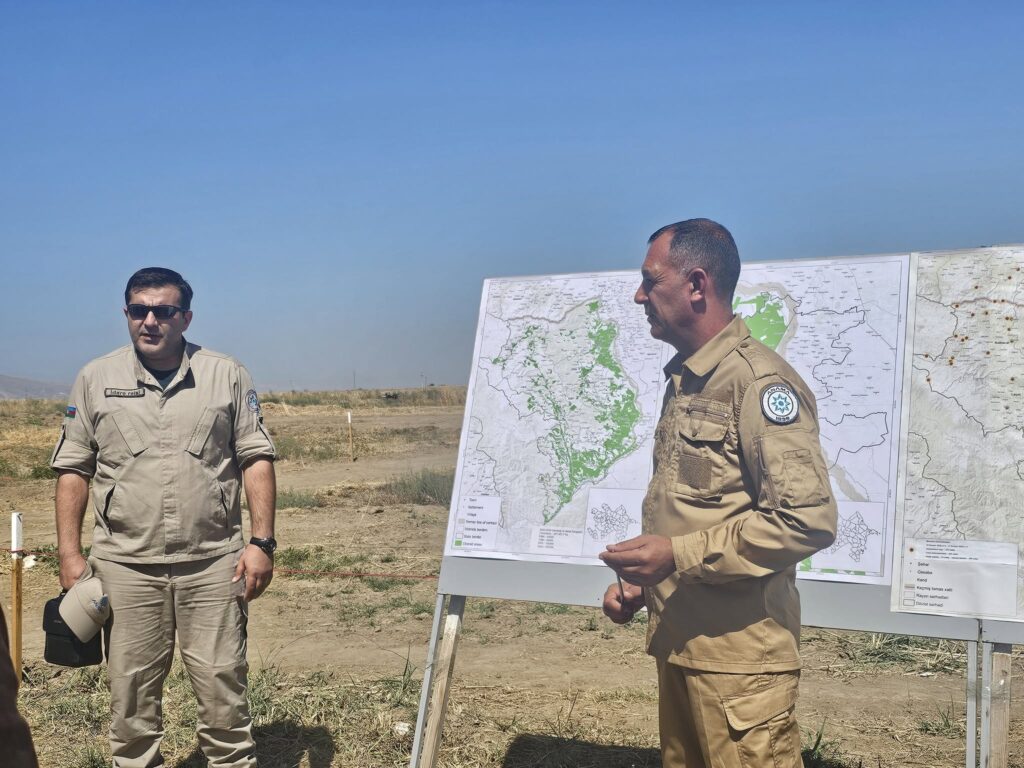
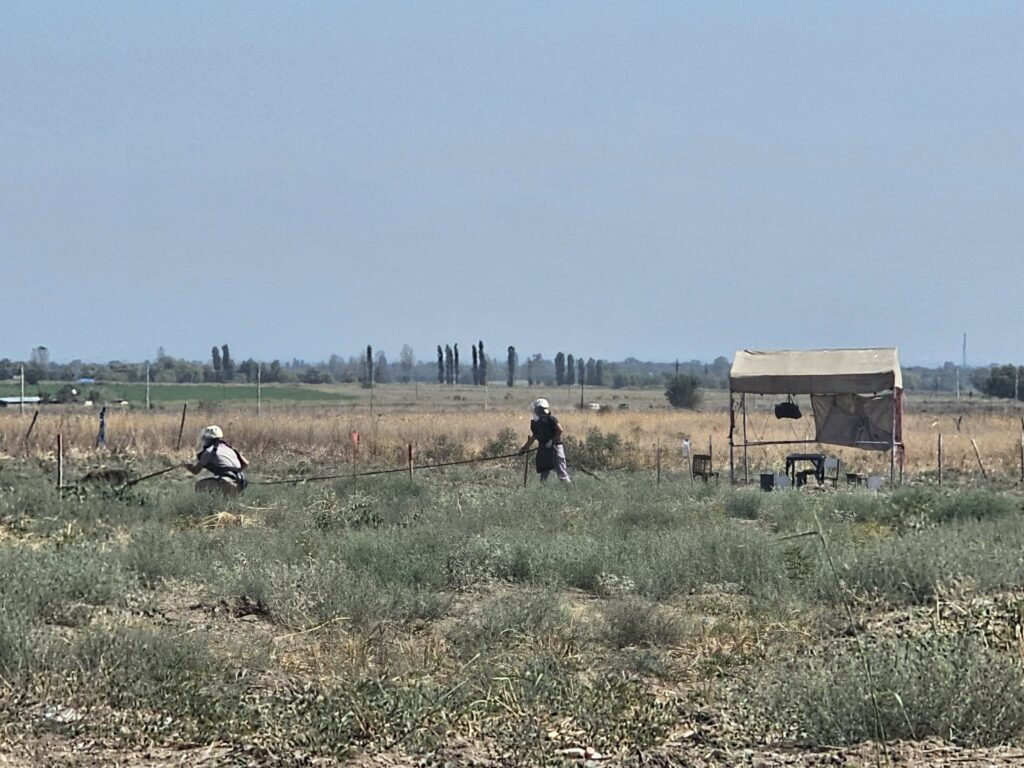
During its mission to Azerbaijan, the ASEAN Regional Mine Action Center (ARMAC) had the honour of joining ITF Enhancing Human Security for a field visit to Aghdam and the wider Qarabagh region, generously hosted by the Mine Action Agency of the Republic of Azerbaijan (Mine Action Agency of the Republic of Azerbaijan – ANAMA). ARMAC was privileged to undertake the visit alongside Dr. Aleš Musar, First Gentleman of the Republic of Slovenia and Member of the ITF Board of Trustees, and Ambassador TomaĹľ LovrenÄŤiÄŤ, Director of ITF Enhancing Human Security.
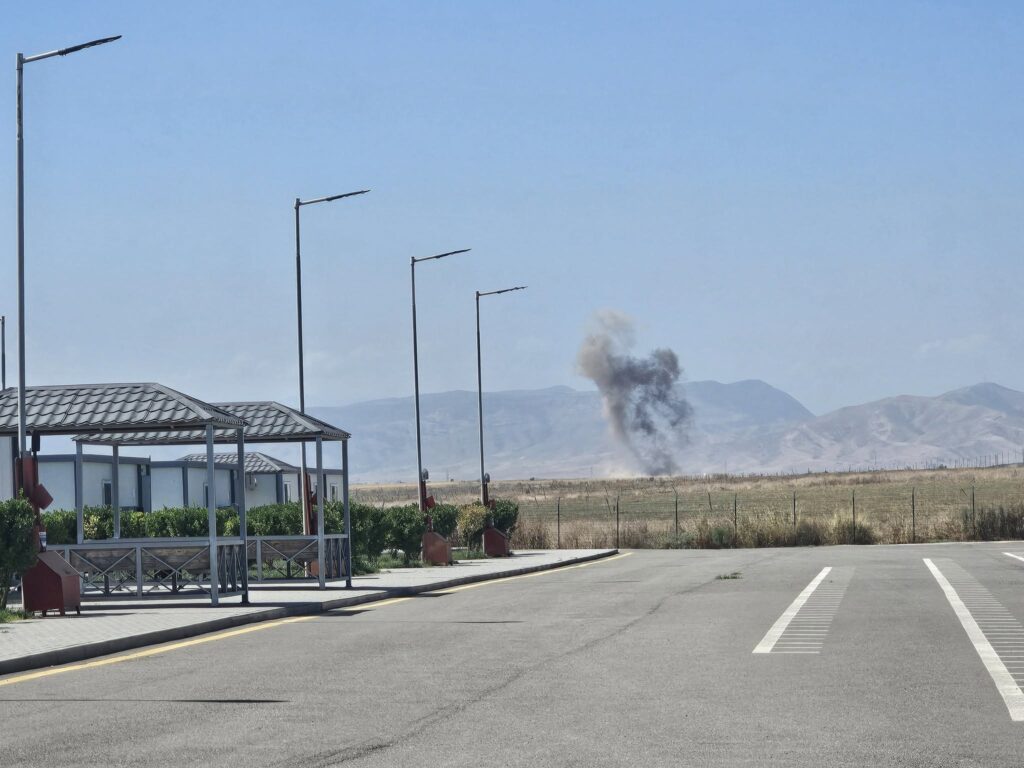
The visit offered a powerful opportunity to witness the full human journey of mine action — from the lasting consequences of explosive ordnance to what becomes possible when land is made safe again.
The delegation heard deeply moving accounts from landmine survivors and affected families. Among them was the story of a child who witnessed the loss of his father in a mine accident — a painful reminder that behind every casualty figure is a person, a family and a story that continues long after the incident.
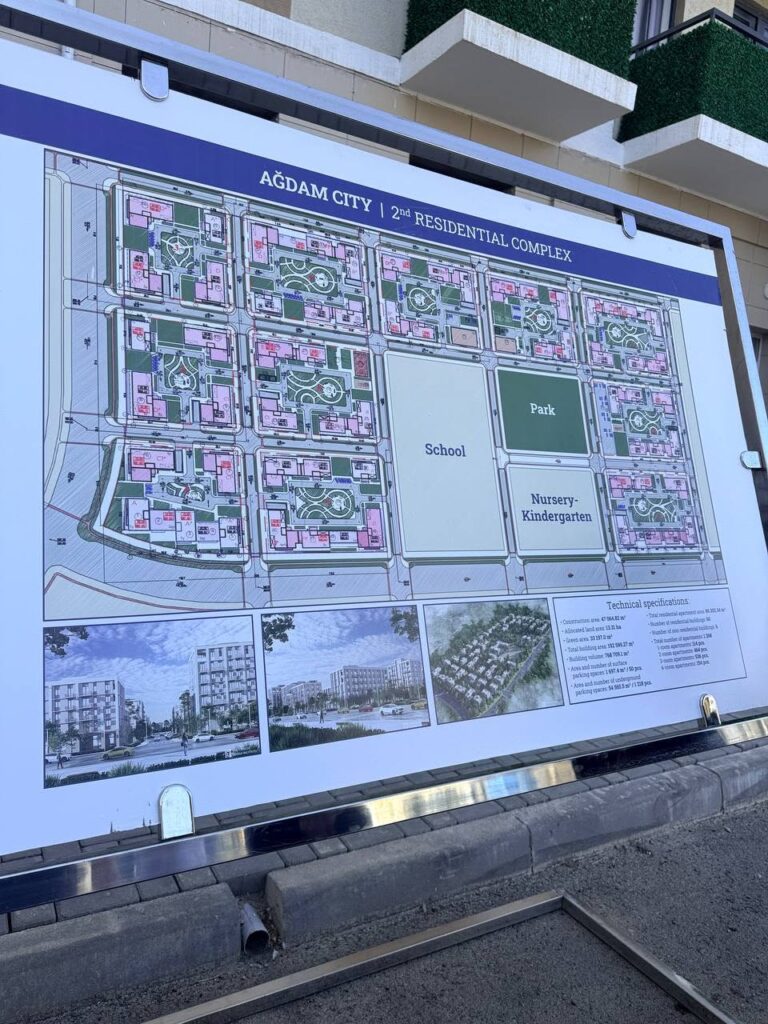
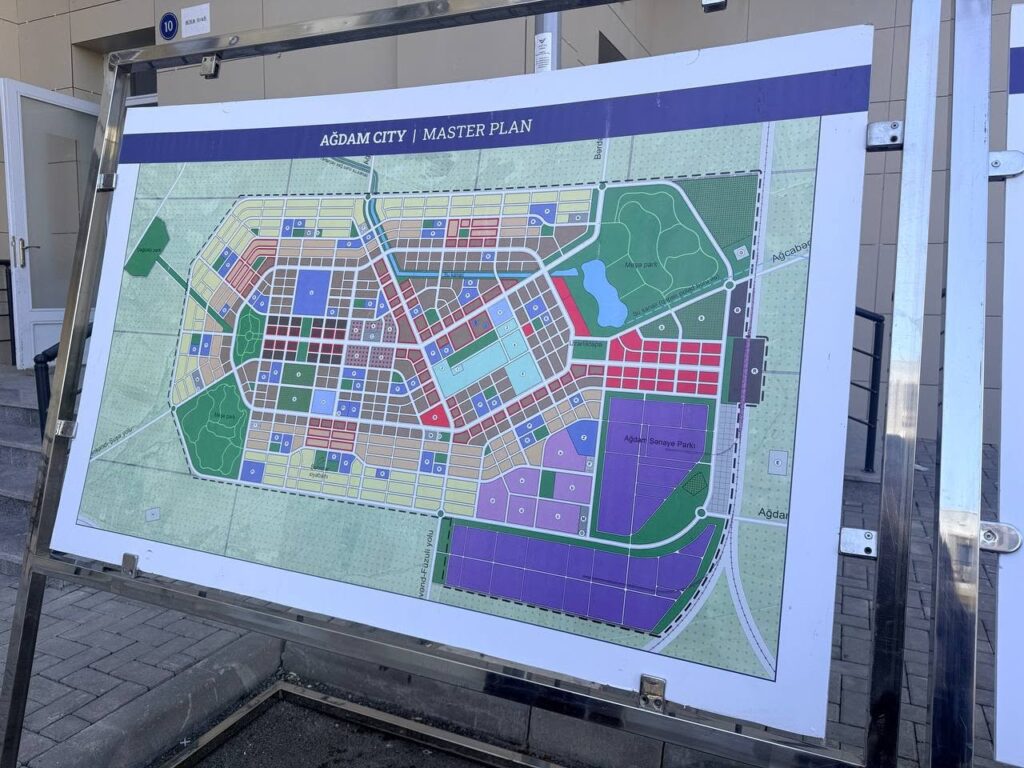
Yet alongside these difficult stories, the delegation witnessed remarkable transformation. In areas once heavily affected by explosive ordnance, clearance is enabling roads, infrastructure and communities to return. The scale and pace at which mine action is being translated into recovery and development left a profound impression on ARMAC.
Mine action does not end when an explosive item is removed.
Clearance creates the conditions for people to return.
Victim assistance helps people rebuild their lives.
Risk education helps communities live more safely.
And recovery turns safe land into opportunity and a future.
The visit also provided a valuable opportunity to exchange perspectives with Dr. Musar, Ambassador LovrenÄŤiÄŤ, ANAMA and international partners on how humanitarian mine action can contribute to human security, recovery and sustainable development.
ARMAC extends its sincere appreciation to ANAMA and its leadership for making this important visit possible and for sharing Azerbaijan’s experience, achievements and lessons with the delegation.
As an ASEAN regional centre of excellence, ARMAC remains committed to connecting international experience with regional dialogue, knowledge exchange and cooperation among ASEAN Member States.
Because the true impact of mine action is measured not only by what is removed from the ground, but by the lives, communities and futures that can be rebuilt upon.
02 Sep
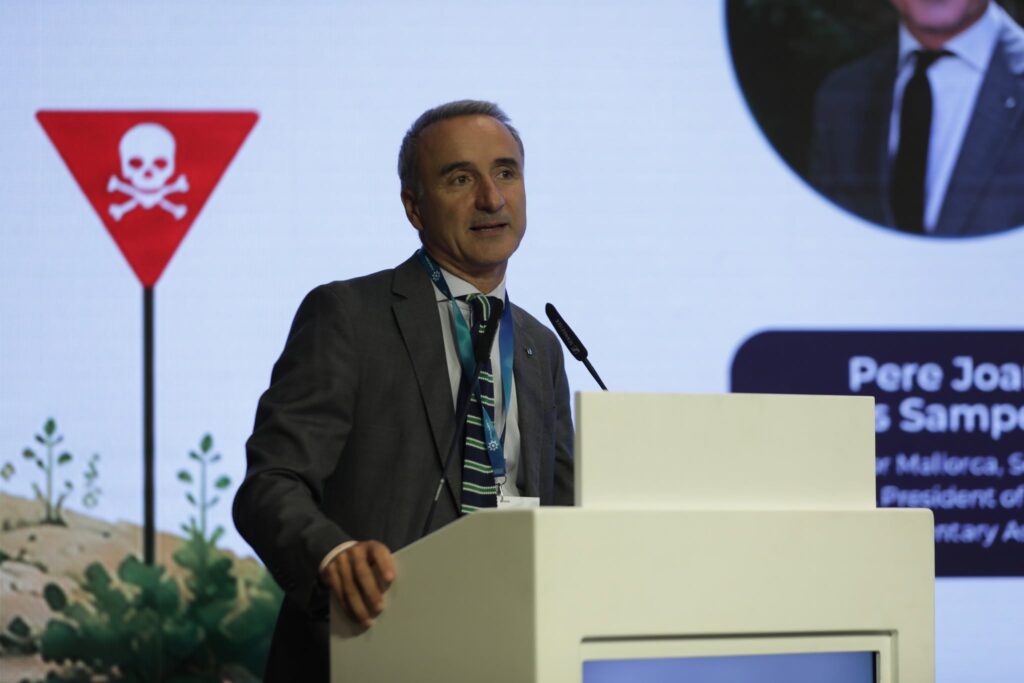
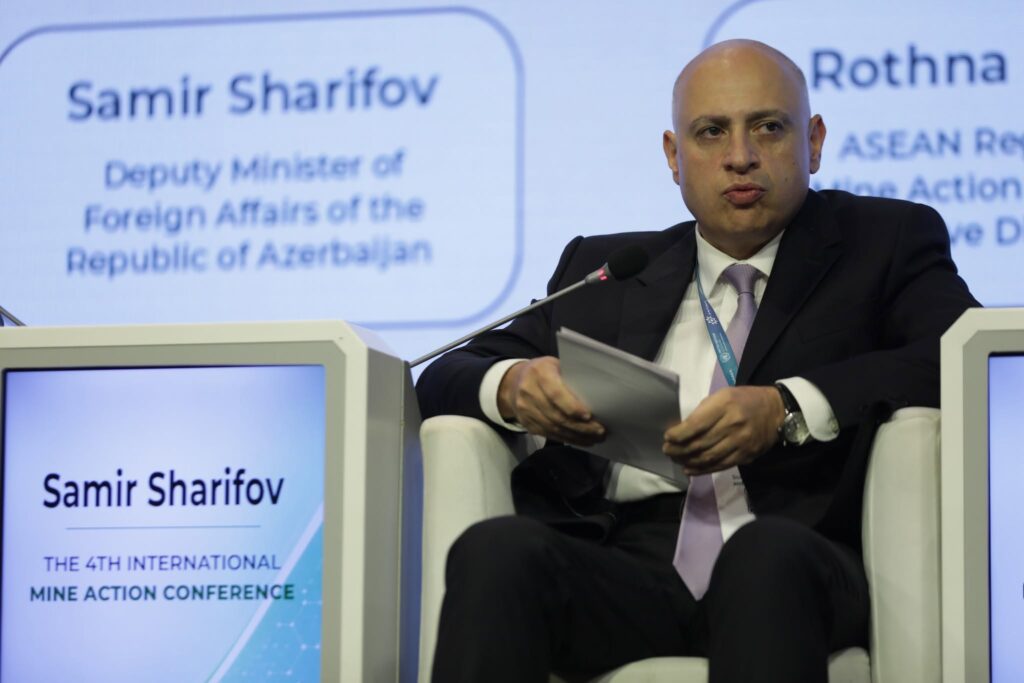
Baku, Azerbaijan | 4th International Conference on Mine Action
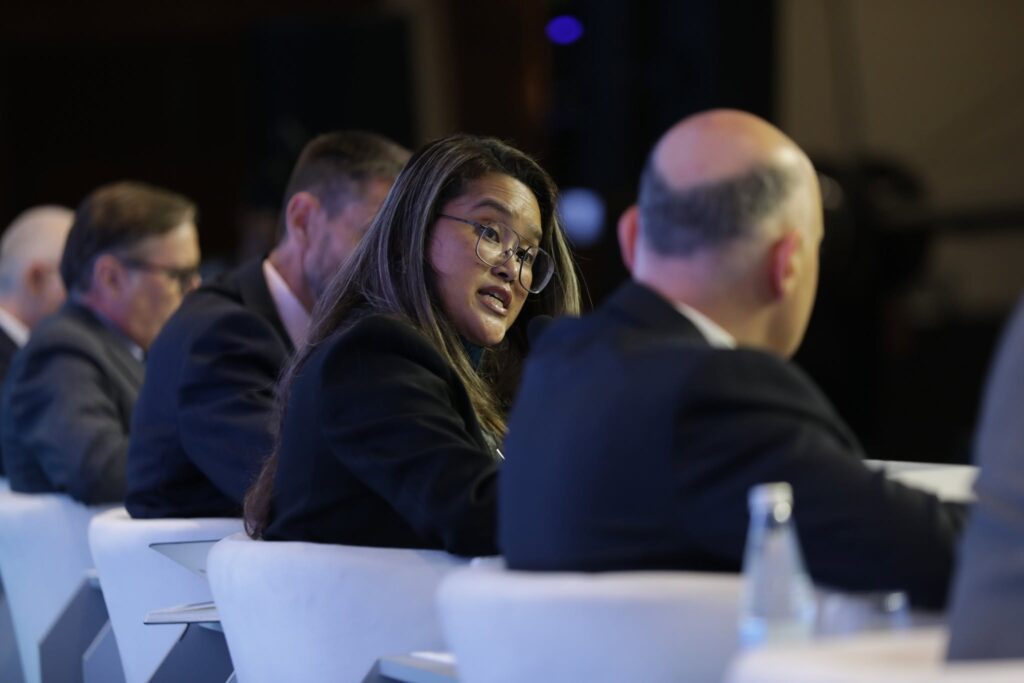
ARMAC was honoured to participate in the 4th International Conference on Mine Action in Baku, Azerbaijan, bringing together more than 400 participants from 65 countries, consisting of governments, national mine action authorities, international organisations and partners to exchange perspectives on advancing humanitarian mine action and supporting safe and sustainable recovery for mine-affected communities.
ARMAC congratulates the Government of the Republic of Azerbaijan and the Azerbaijan National Agency for Mine Action (Mine Action Agency of the Republic of Azerbaijan – ANAMA) on convening this important international gathering under the theme “Humanitarian Demining for Urban Recovery: Setting Standards of Excellence for Safe Settlements.”
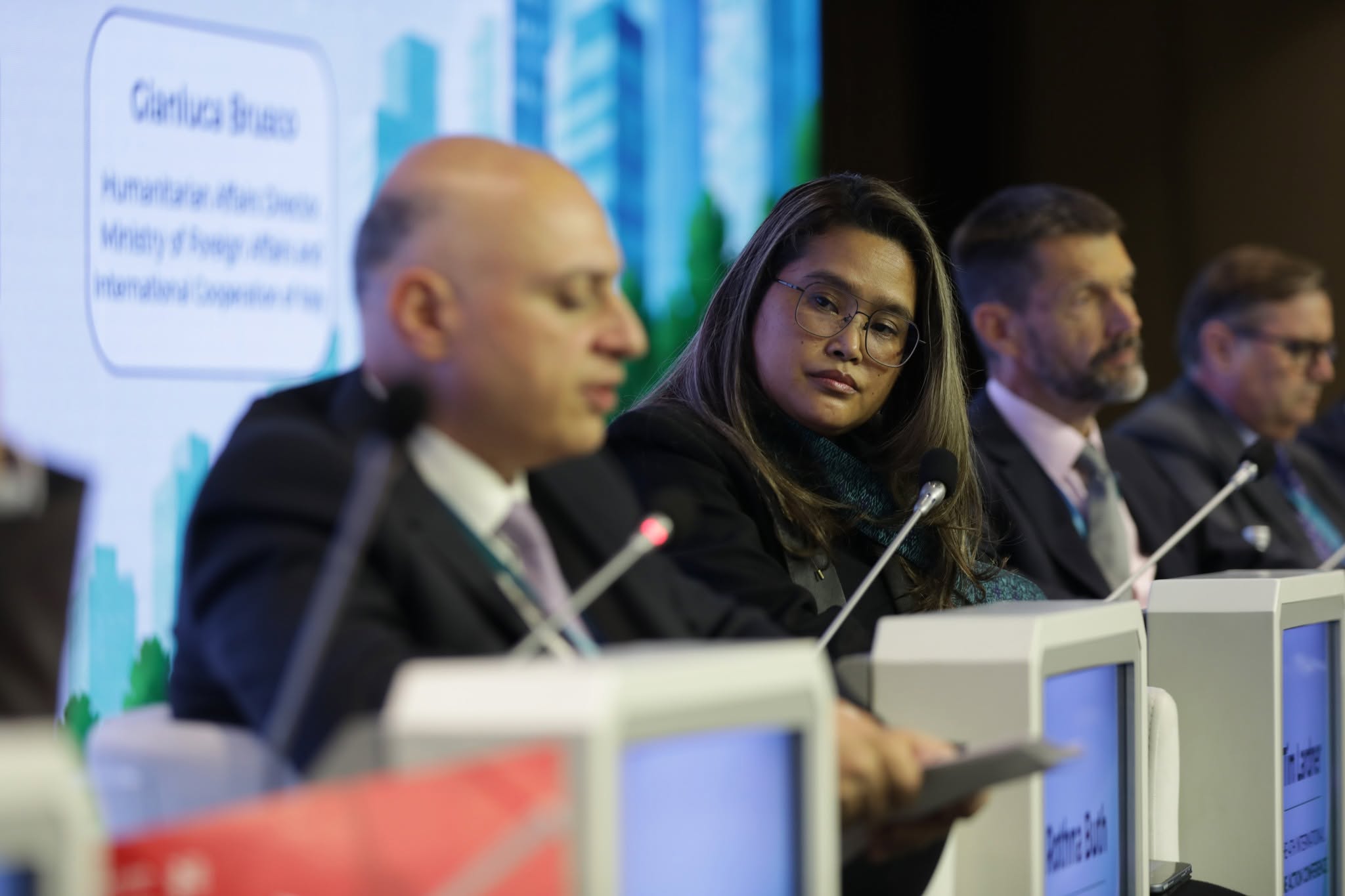
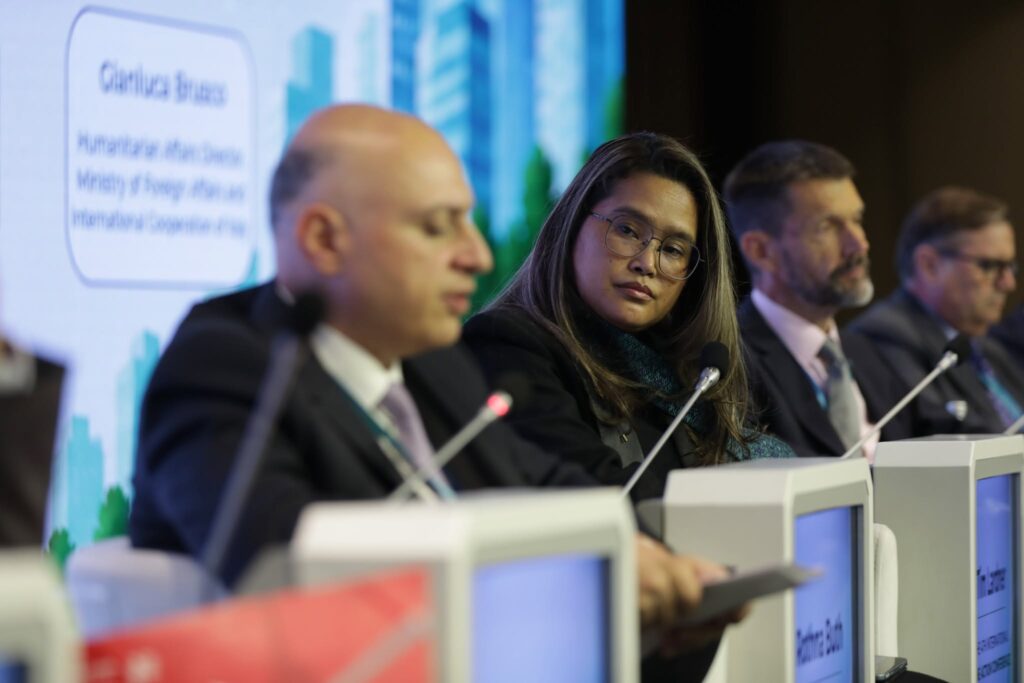
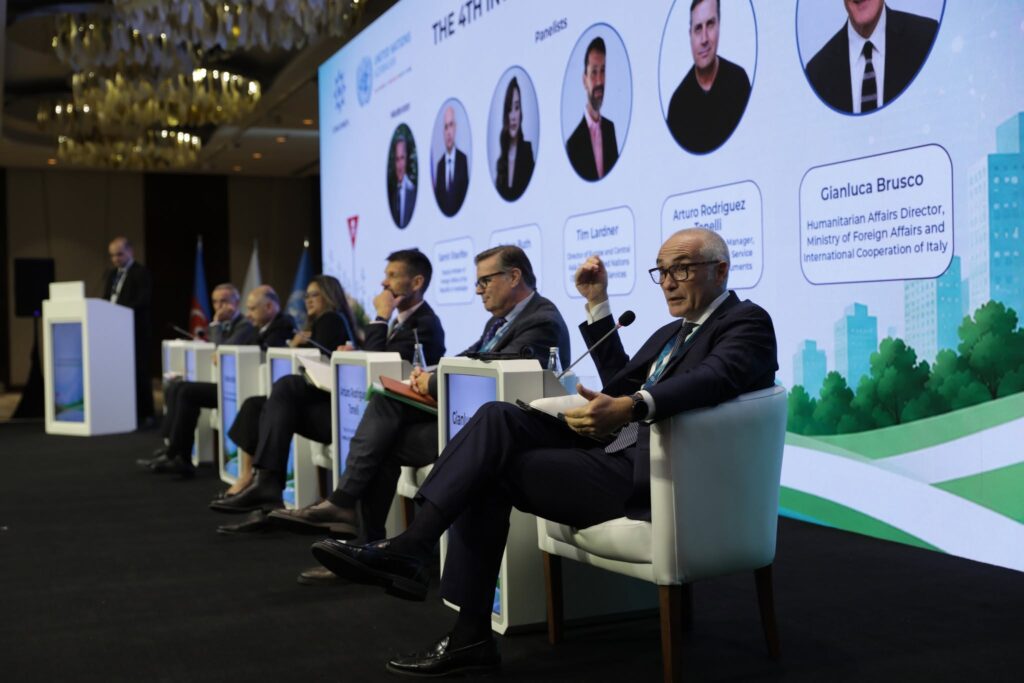
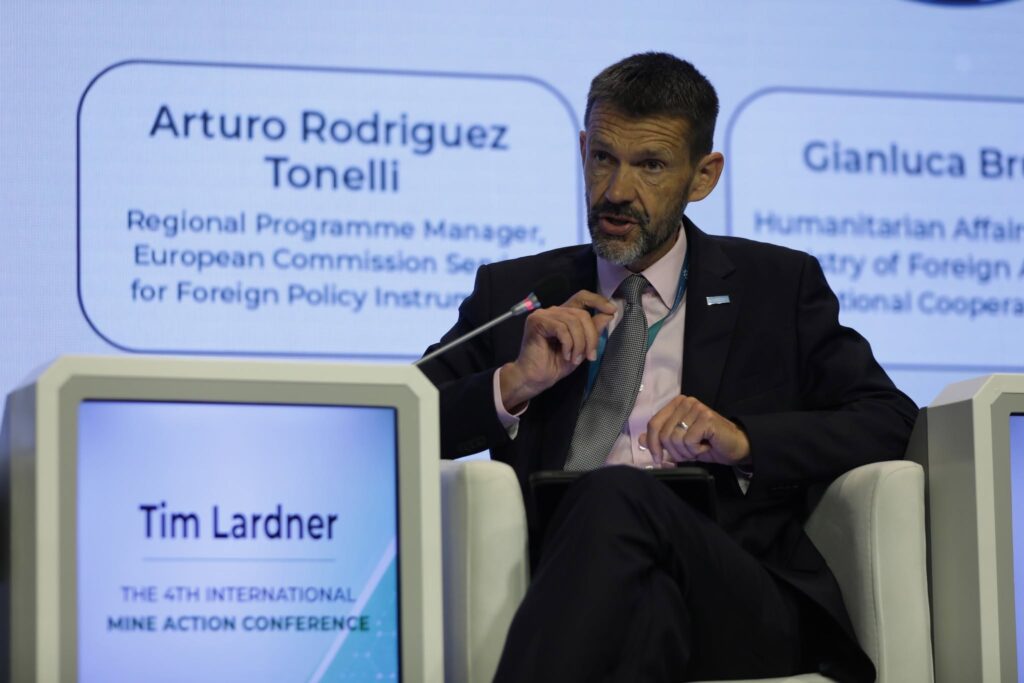
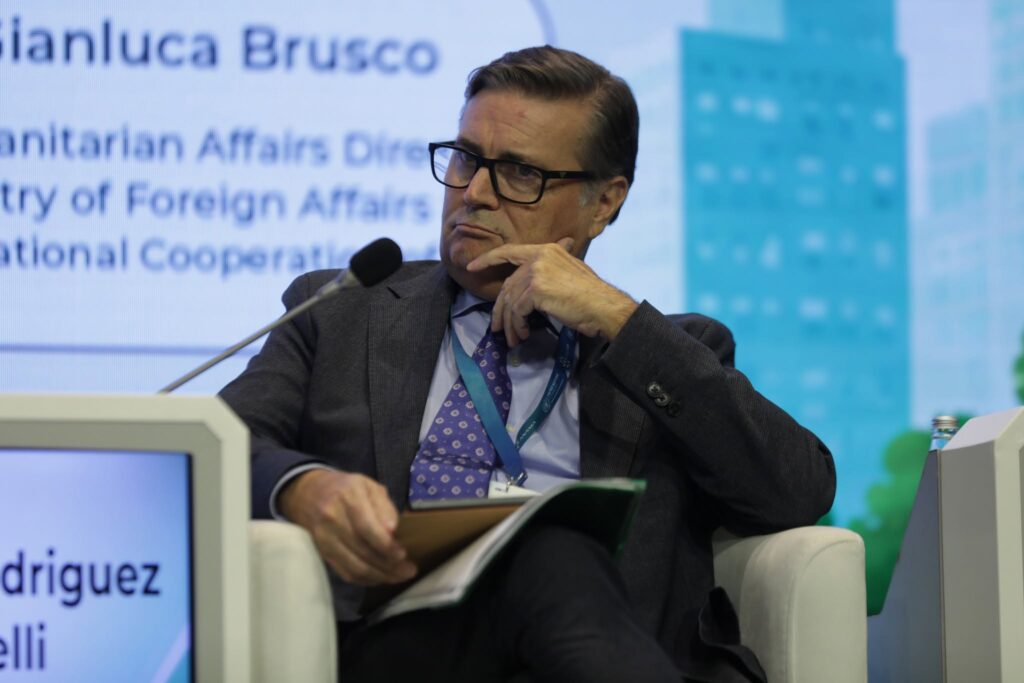
As part of the conference, ARMAC contributed to Panel II: “International Cooperation and Donor Mechanisms to Support Safe Recovery through Mine Action in Azerbaijan,” sharing ASEAN’s regional experience and perspectives on how regional cooperation can support mine-affected countries through peer learning, stronger institutional connections, sustained cooperation and confidence-building.
The panel was moderated by Mr. Pere Joan Pons Sampeitro, President of the OSCE Parliamentary Assembly, alongside distinguished panelists H.E. Mr. Samir Sharifov, Deputy Minister of Foreign Affairs of the Republic of Azerbaijan; Mr. Tim Lardner, Director of Europe and Central Asia Region, United Nations Office for Project Services; Mr. Arturo Rodriguez Tonelli, Regional Programme Manager, European Commission Service for Foreign Policy Instruments; And Mr. Gianluca Brusco, Humanitarian Affairs Director, Ministry of Foreign Affairs and International Cooperation of Italy.
ARMAC highlighted a simple principle from ASEAN’s experience: mine action must remain nationally owned and nationally led, but no mine-affected country should have to face its recovery journey alone. Regional and international cooperation can help countries learn from one another, connect expertise and institutions, build trust, and translate shared experience into practical action.
ARMAC extends its sincere appreciation to Azerbaijan and ANAMA for their warm hospitality and leadership, and congratulates all involved on a meaningful conference that continues to strengthen dialogue, partnership and international cooperation in humanitarian mine action.
Together, shared knowledge and stronger partnerships can contribute to safer recovery and a more secure future for affected communities.
26 Aug
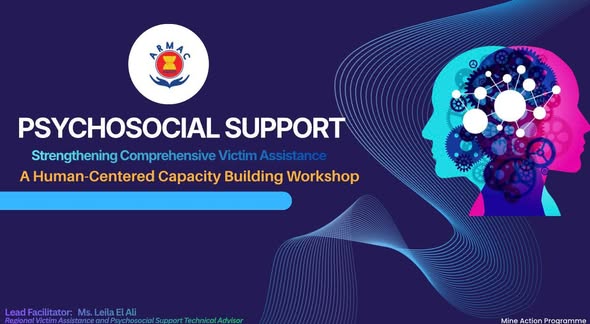
Strengthening Institutional Capacity for Comprehensive Victim Assistance
Victim assistance is one of the core mandates of the ASEAN Regional Mine Action Center (ARMAC). Strengthening this work requires not only an understanding of physical rehabilitation, but also of the psychological, social and economic factors that shape a survivor’s recovery and reintegration.
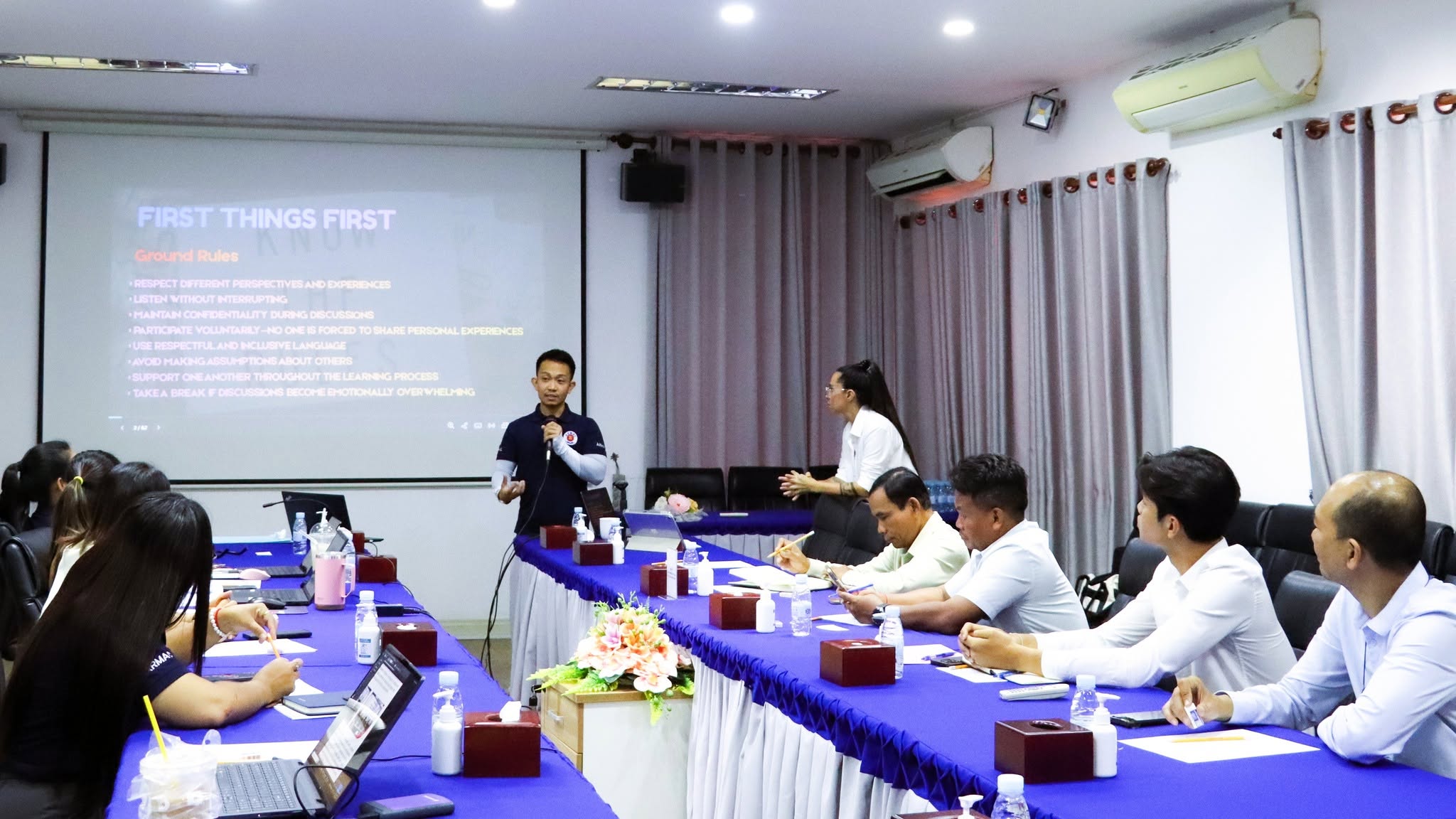
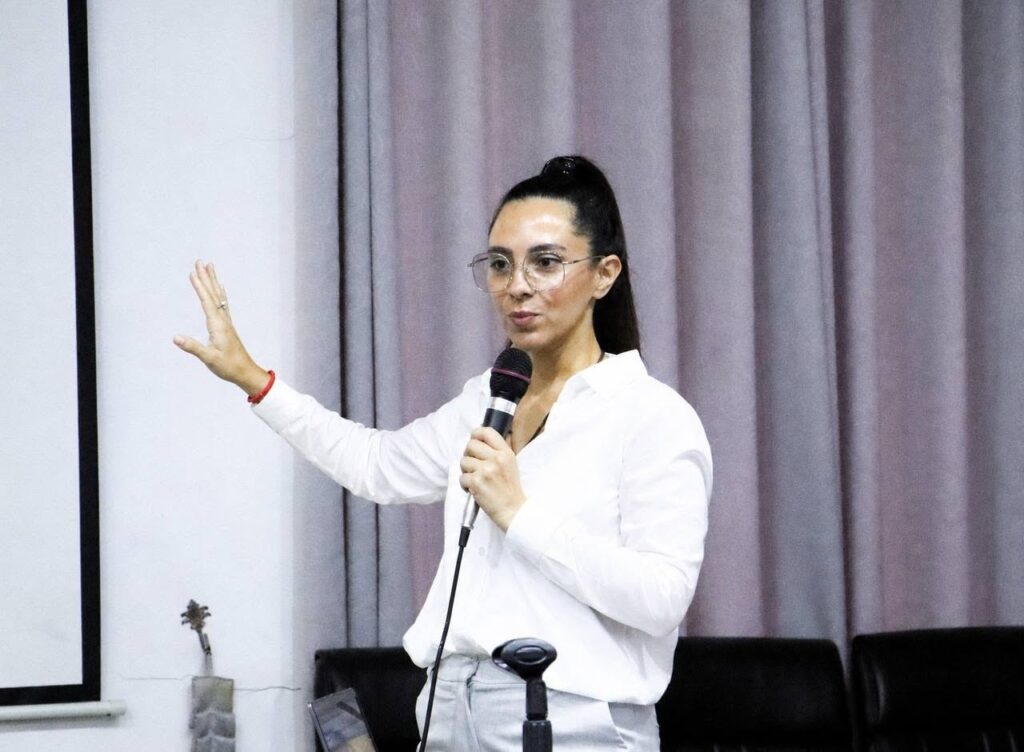
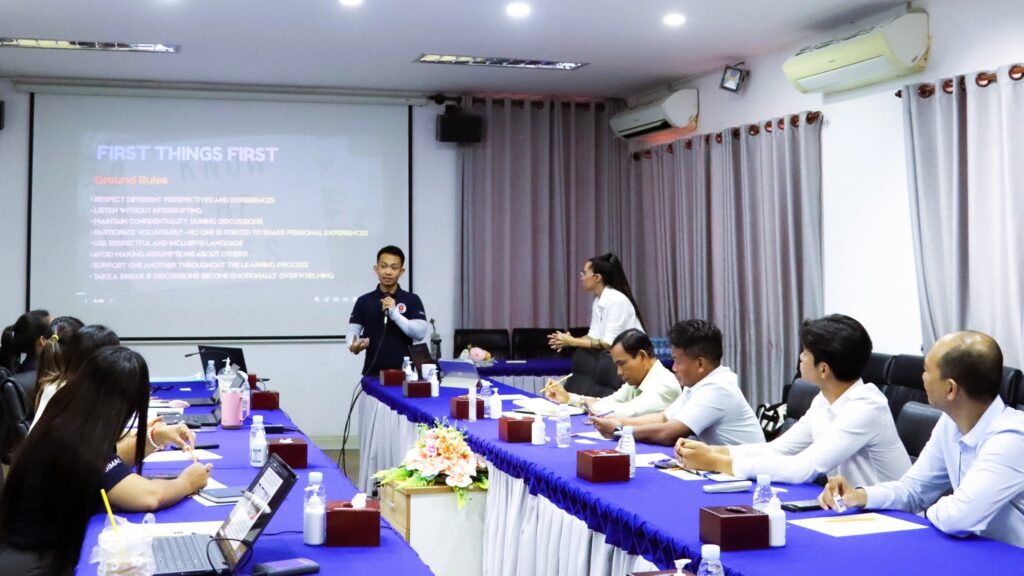
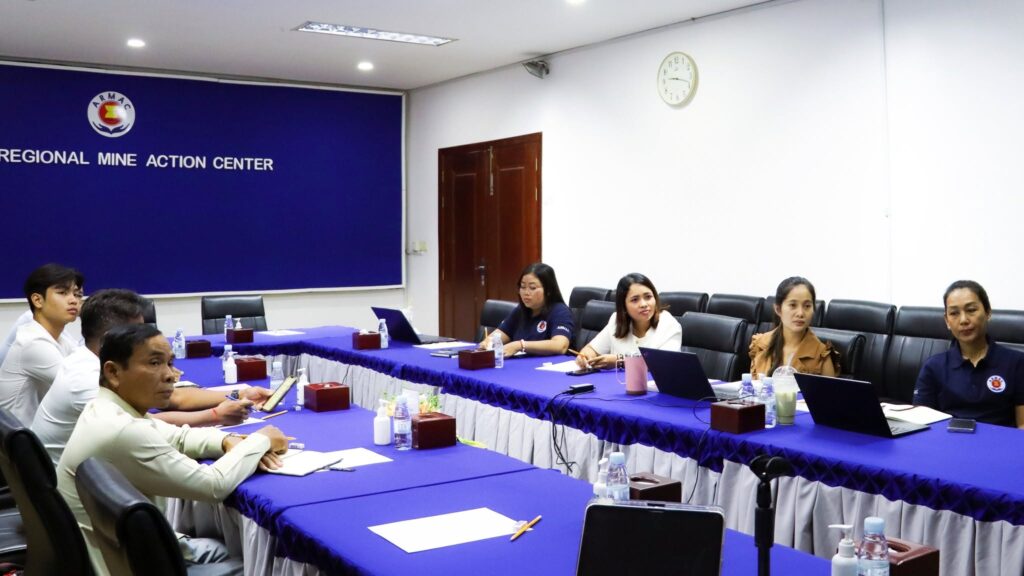
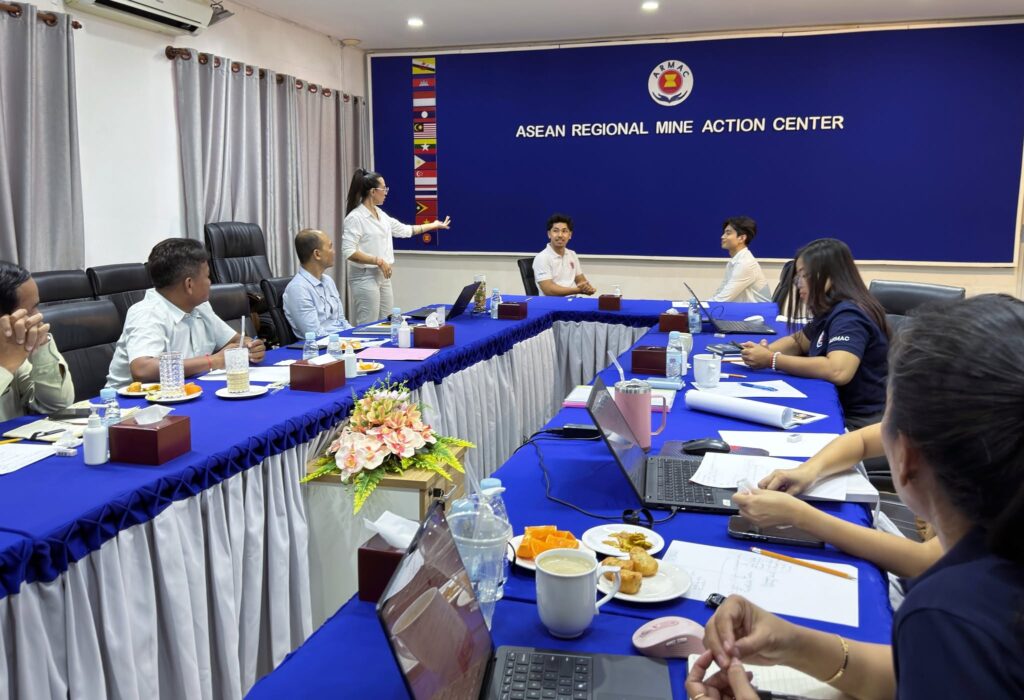
To deepen this understanding, ARMAC conducted a Psychosocial Support Capacity-Building Workshop for its personnel, facilitated by ARMAC’s Regional Technical Advisor for Victim Assistance and Psychosocial Support – Ms. Leila El Ali.
Through reflection exercises, role plays, group discussions and practical activities, participants explored the visible and invisible impacts experienced by survivors and persons with disabilities, including fear, anxiety, shame, grief, changes in identity and loss of confidence. Discussions also highlighted how some of these impacts can be reinforced by the way families, communities and society respond to survivors.
A key focus of the workshop was the importance of listening and supportive communication. Participants examined how interrupting, judging, asking intrusive questions becomes barrier to good listening.
The workshop also reinforced that recovery is not a straight line. Like pieces of a puzzle, psychological well-being, family and peer support, access to services, identity and purpose, physical accessibility, education, livelihoods and social inclusion are interconnected. The needs and priorities of each survivor may also differ throughout their recovery journey.
By strengthening this understanding internally, ARMAC continues to build its institutional capacity to support ASEAN Member States in advancing survivor-centred approaches that promote dignity, confidence, well-being, participation and meaningful inclusion.
What changes when we see the person—not only the injury?
Join ARMAC in advancing survivor-centred victim assistance across ASEAN. Through psychosocial support, training, and capacity-building, we can help address the wider needs of people and communities affected by explosive ordnance.
ASEAN Member States, practitioners, and relevant stakeholders are invited to engage with ARMAC’s initiatives and explore opportunities for collaboration. To learn more, contact secretariat@aseanmineaction.org.
25 Aug
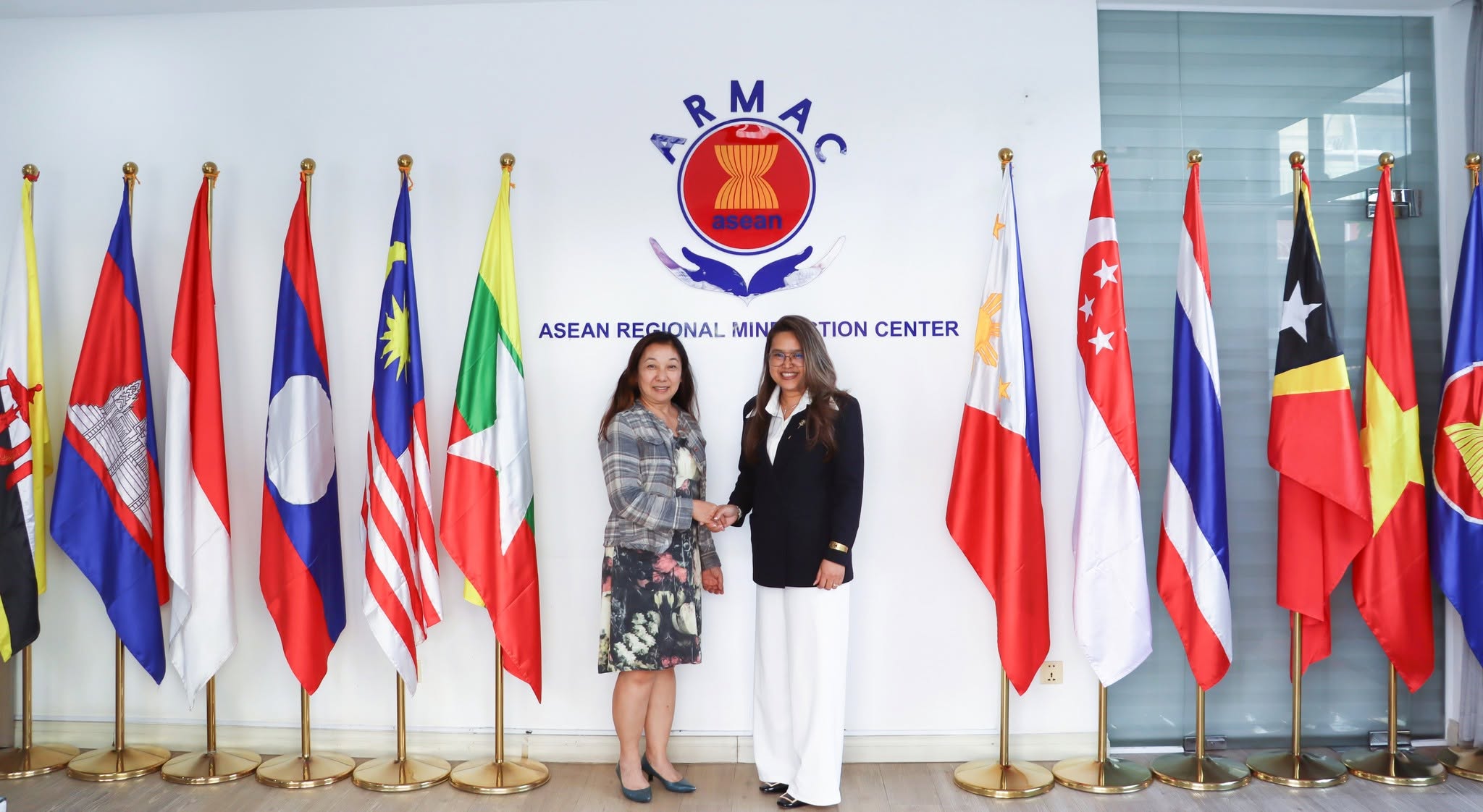
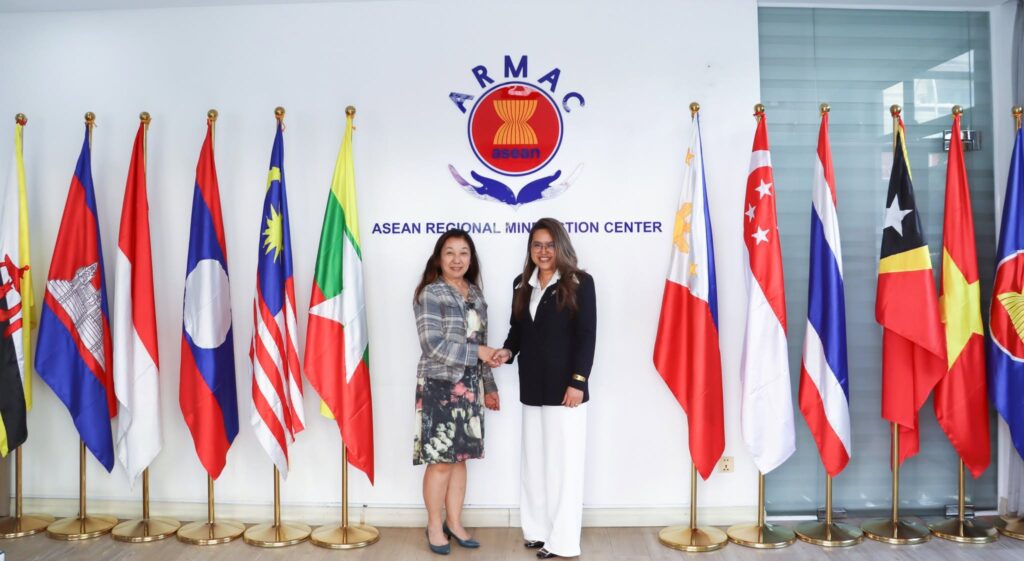
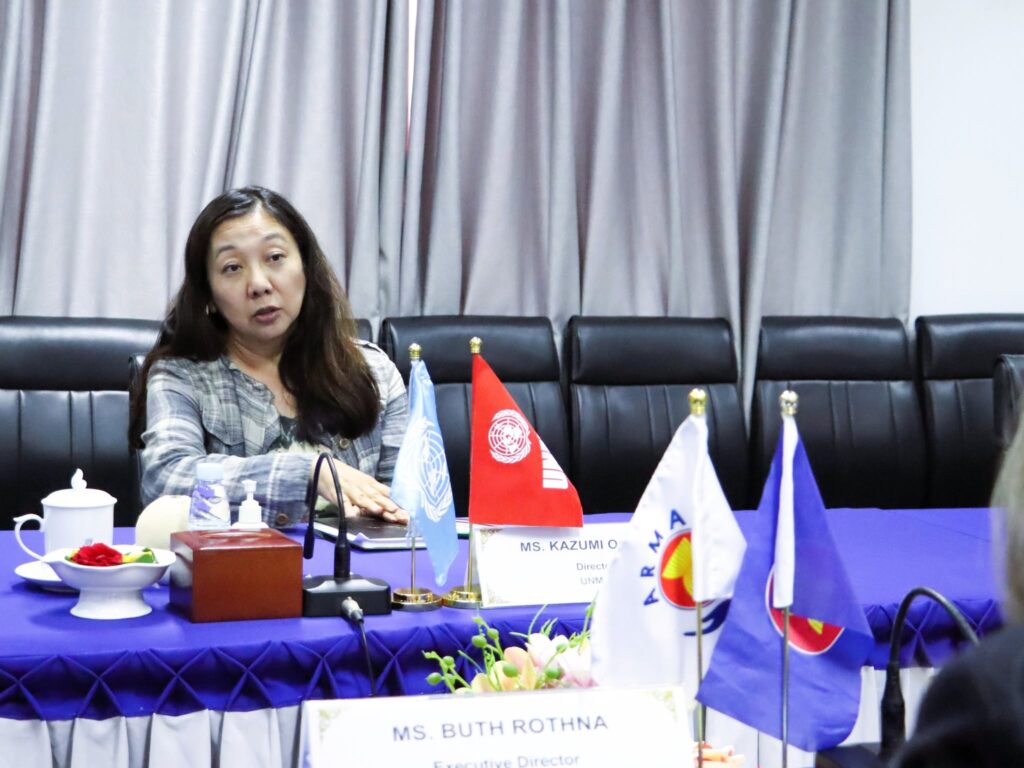
ARMAC welcomed Ms. Kazumi Ogawa, Director of the United Nations Mine Action Service (UNMAS), to the ARMAC Permanent Secretariat in Phnom Penh for an exchange on regional cooperation in humanitarian mine action.
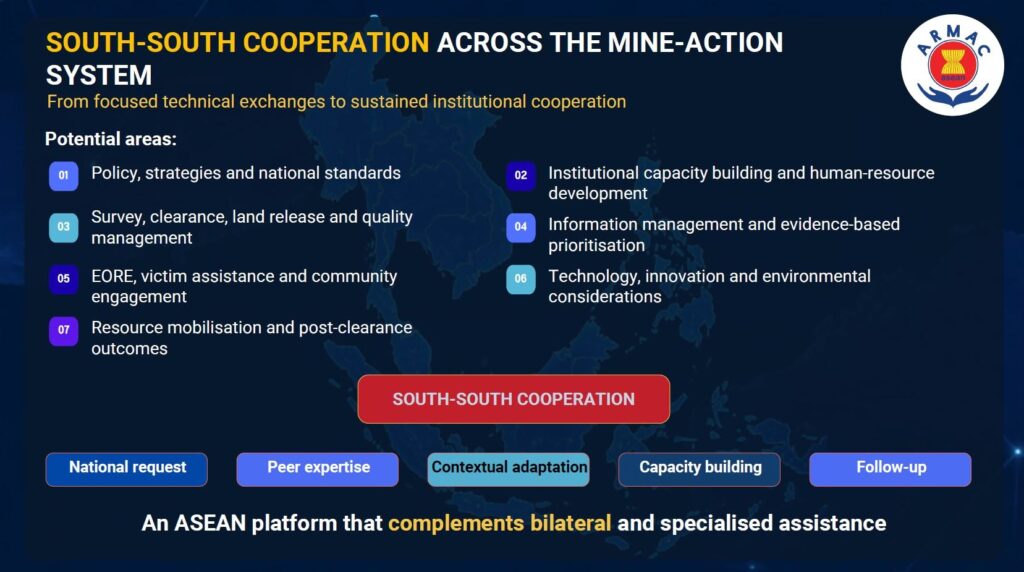
The discussion explored how national experiences can support regional learning, and how regional platforms can help connect these experiences with wider international knowledge and practice. The exchange focused on national ownership, South-South and triangular cooperation, knowledge sharing, and sustainable mine action.
For ARMAC, regional cooperation is grounded in the experience, capacities and priorities of ASEAN Member States. Connecting these strengths across borders creates opportunities for lessons and good practices from one context to benefit others.
ARMAC values the dialogue with UNMAS and looks forward to exploring opportunities to connect ASEAN expertise with broader global experience and contribute ASEAN perspectives to international mine action learning.
19 Aug
Jakarta Is a Starting Point, Not an Endpoint
After three days of presentations, national dialogue, operational exchange and hands-on design, the workshop closed its substantive discussions by returning to one question:
What happens next?
The Final Reflection and Way Forward was moderated by Ms. Mala Selvaraju, Assistant Director, Security Cooperation Division 2, ASEAN Secretariat, who invited participants to reflect not only on what they had learned, but on what their own institutions could begin doing before the region meets again.
The discussion brought the workshop’s central messages into focus.
First, national ownership remains fundamental. Regional cooperation should complement and strengthen national systems while respecting national authority, institutional mandates and different operational contexts.
Second, regional cooperation must provide practical value. The AIM Hub should be judged by whether it helps Member States strengthen capacity, exchange knowledge, improve information management, support appropriate interoperability and make better-informed decisions.
Third, trust will be essential. Clear governance, agreed information-sharing arrangements, safeguards, data quality and clarity on how information will be used are prerequisites for sustained participation.
Fourth, people and institutions matter as much as technology. A platform cannot substitute for human capacity, institutional commitment and trusted relationships.
Fifth, implementation should be practical and progressive. Not every possible function needs to be built immediately. Begin with the priorities that offer clear regional value, learn from implementation, and expand as agreement, capacity and resources grow.
And finally: Jakarta is a starting point, not an endpoint.
The strength of ASEAN does not come from making every national system the same. It comes from learning from one another, connecting what already exists, identifying where cooperation adds value, and building trust around what Member States choose to develop together.
The AIM Hub is therefore not simply a technology project.
Its real value will come from the people it connects, the knowledge it makes accessible, the capacity it helps strengthen and the cooperation it enables.
18 Aug
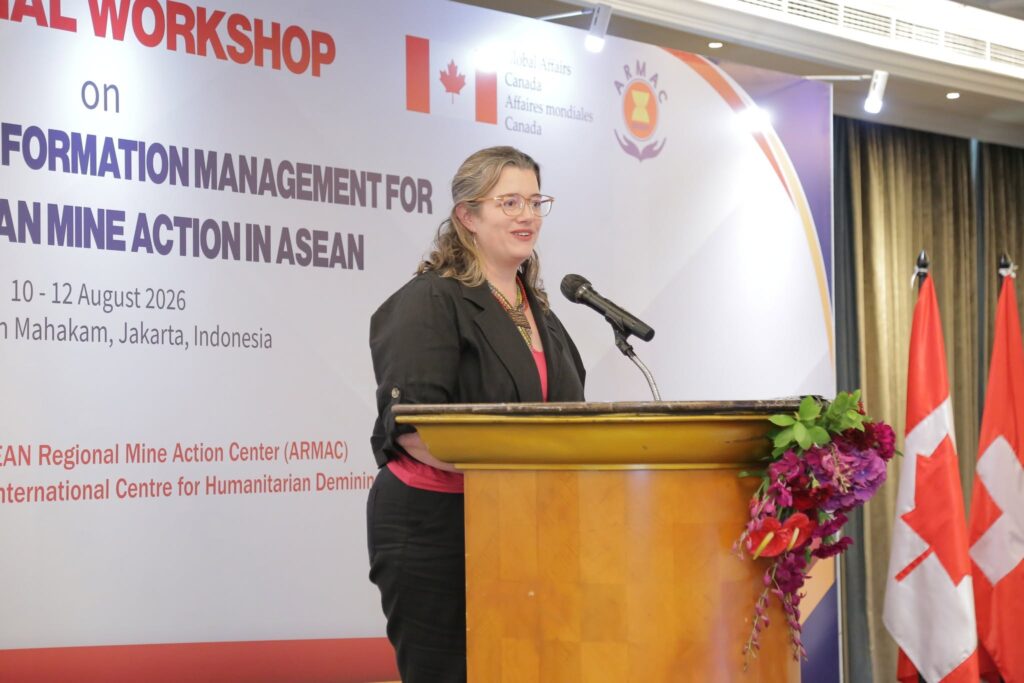
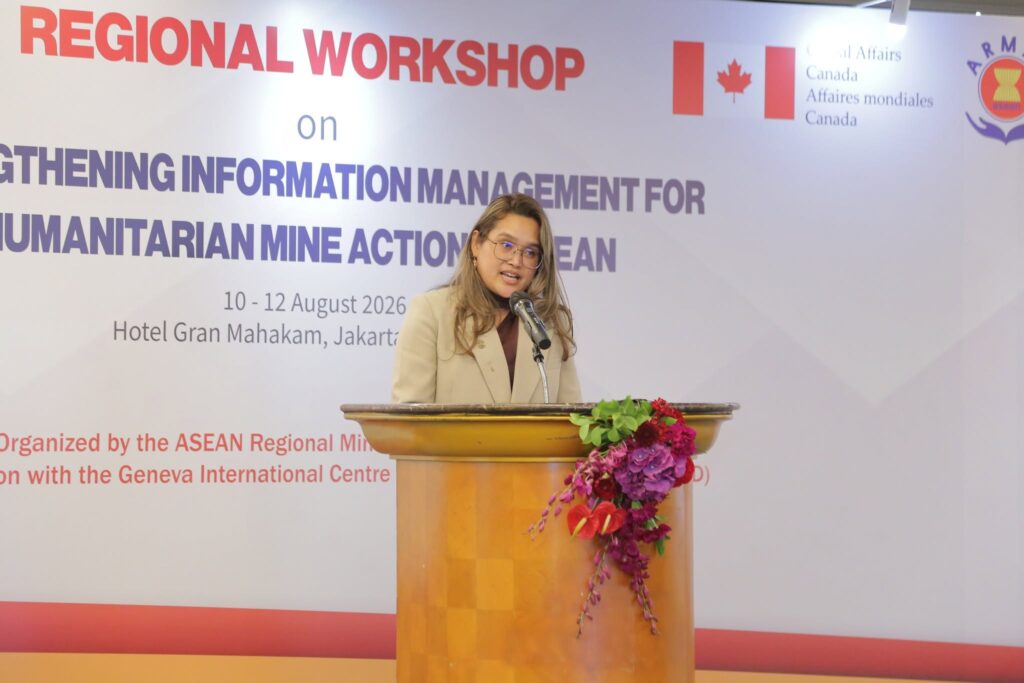
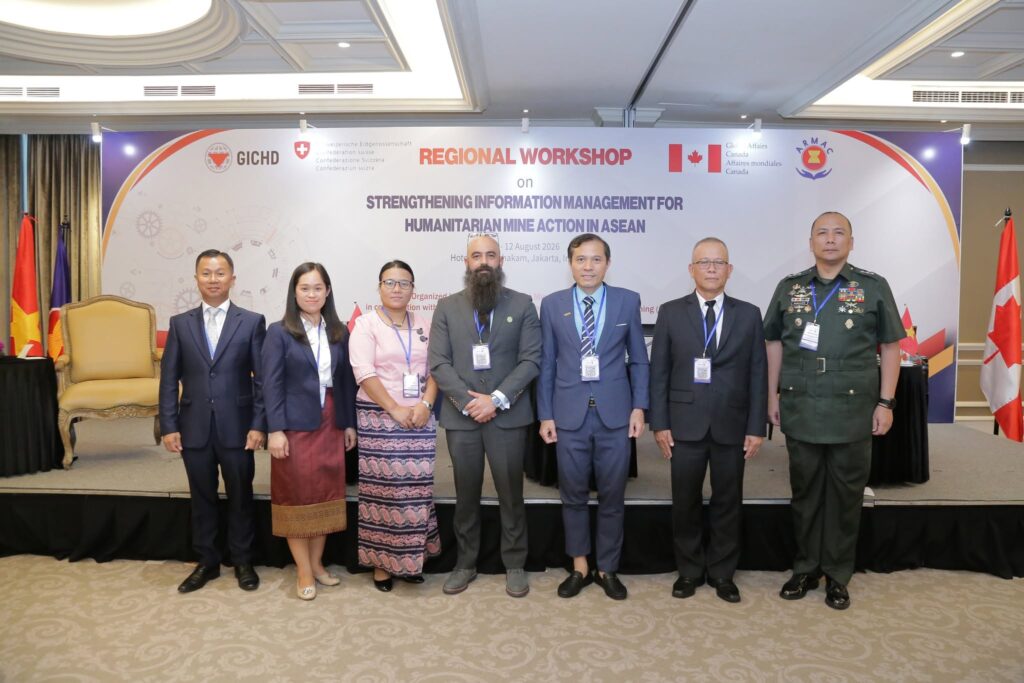
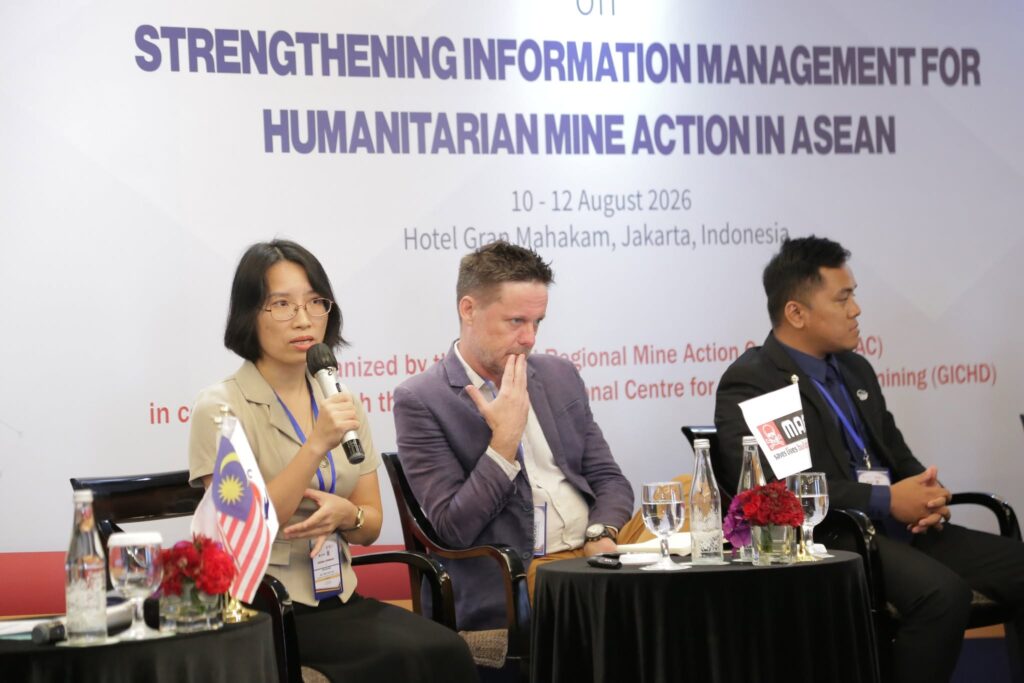
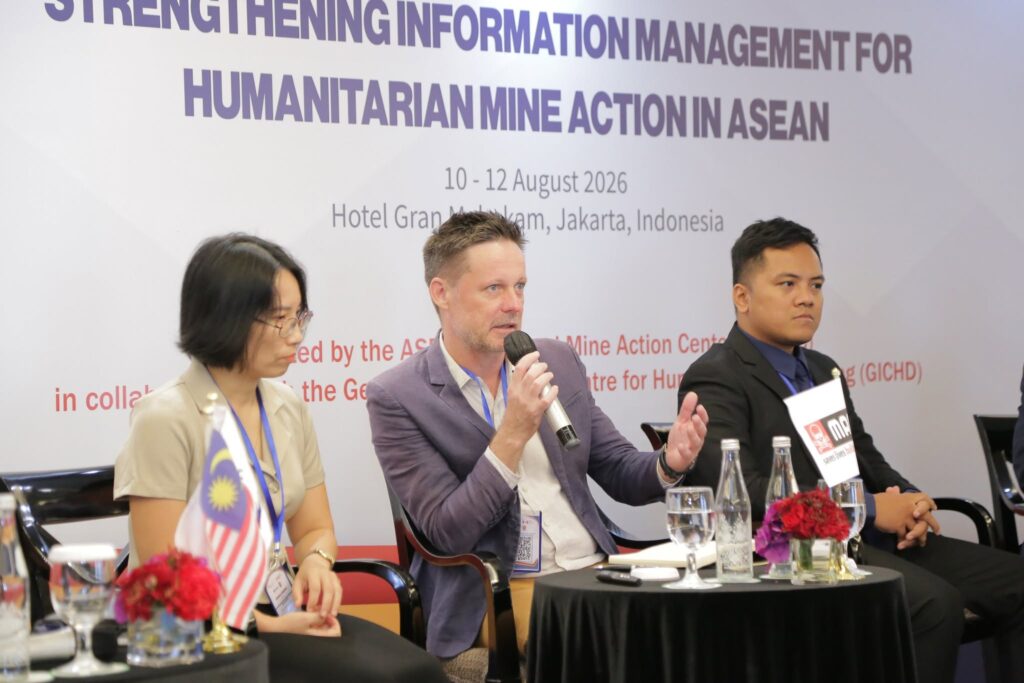
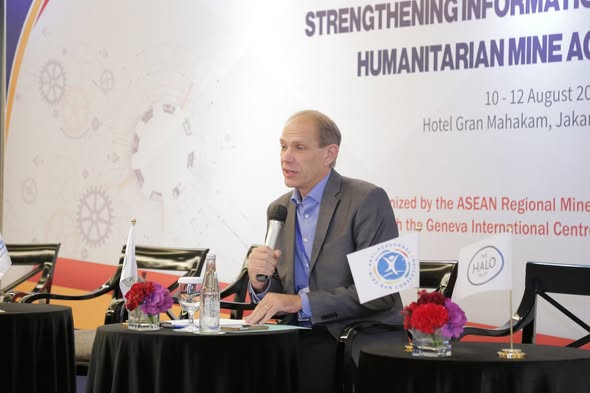
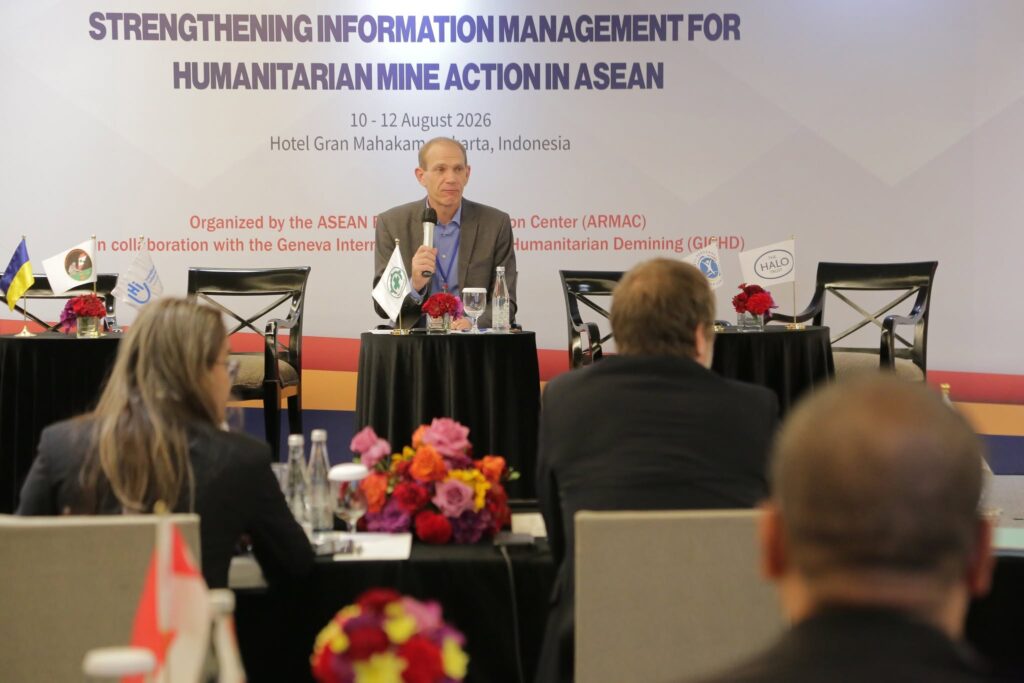
Strengthening Information Management for Humanitarian Mine Action in ASEAN
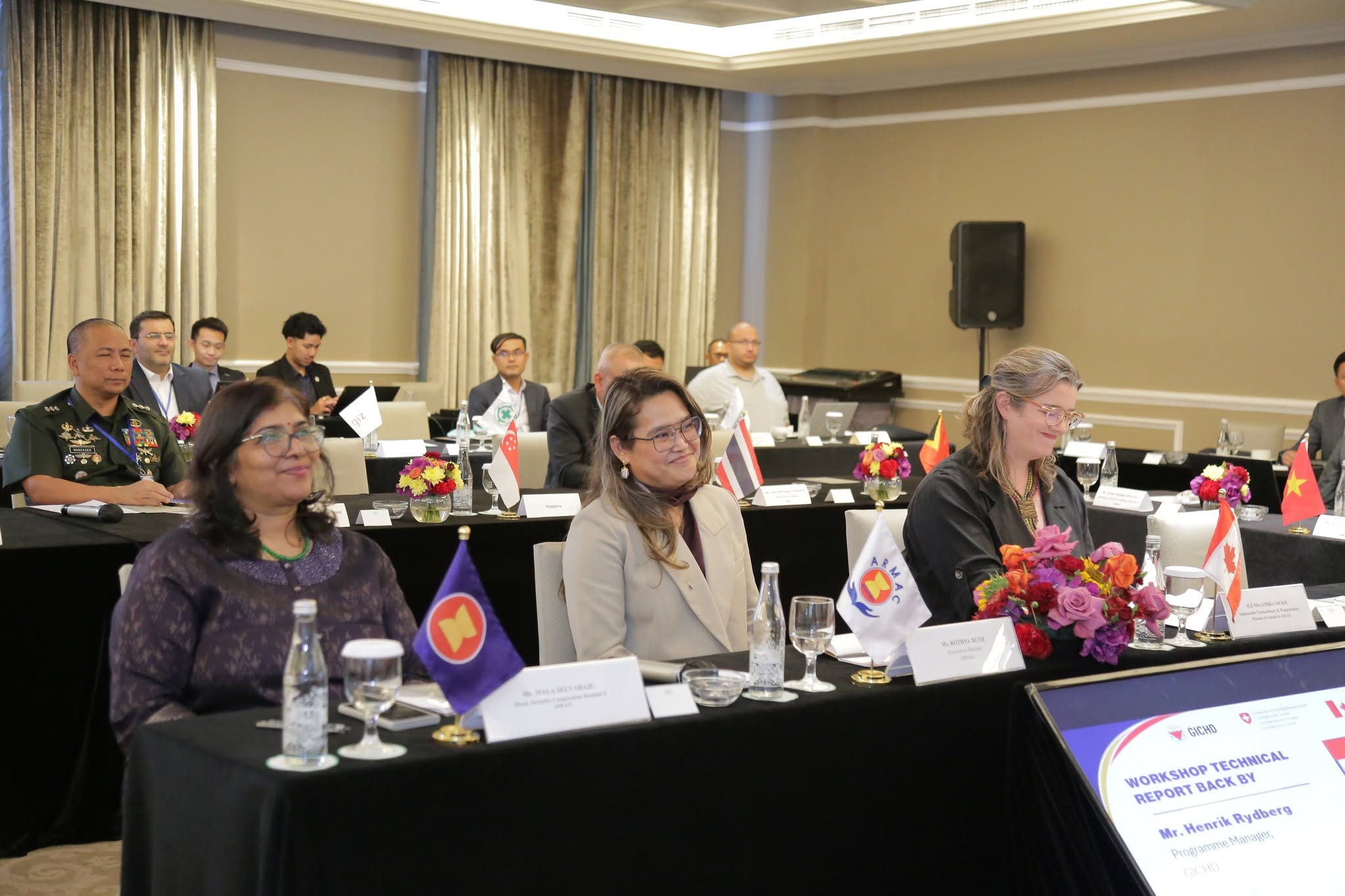
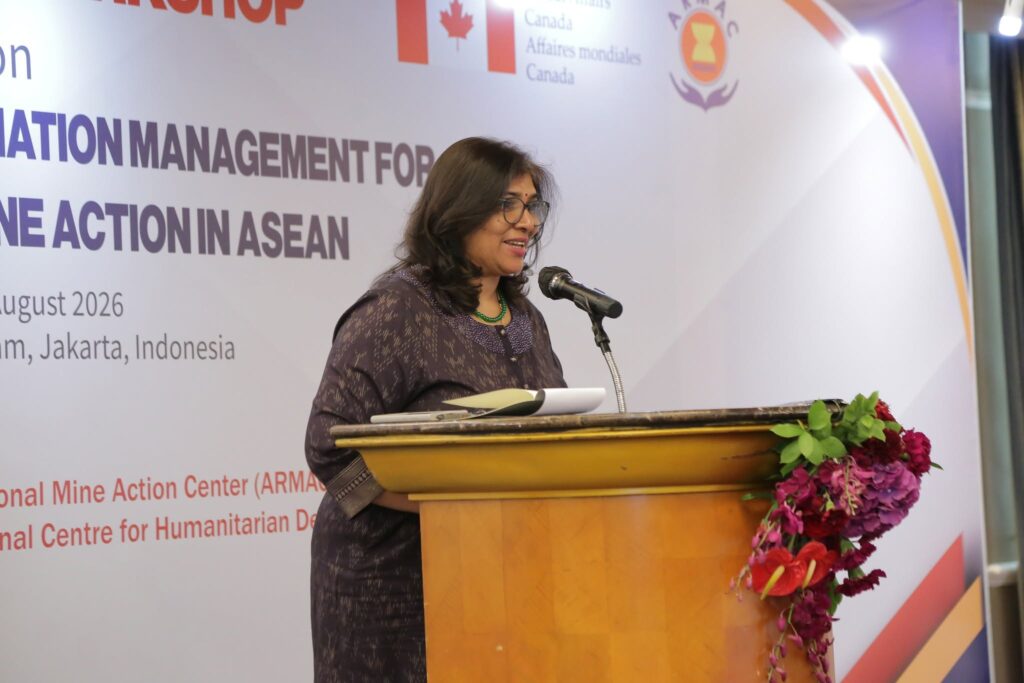
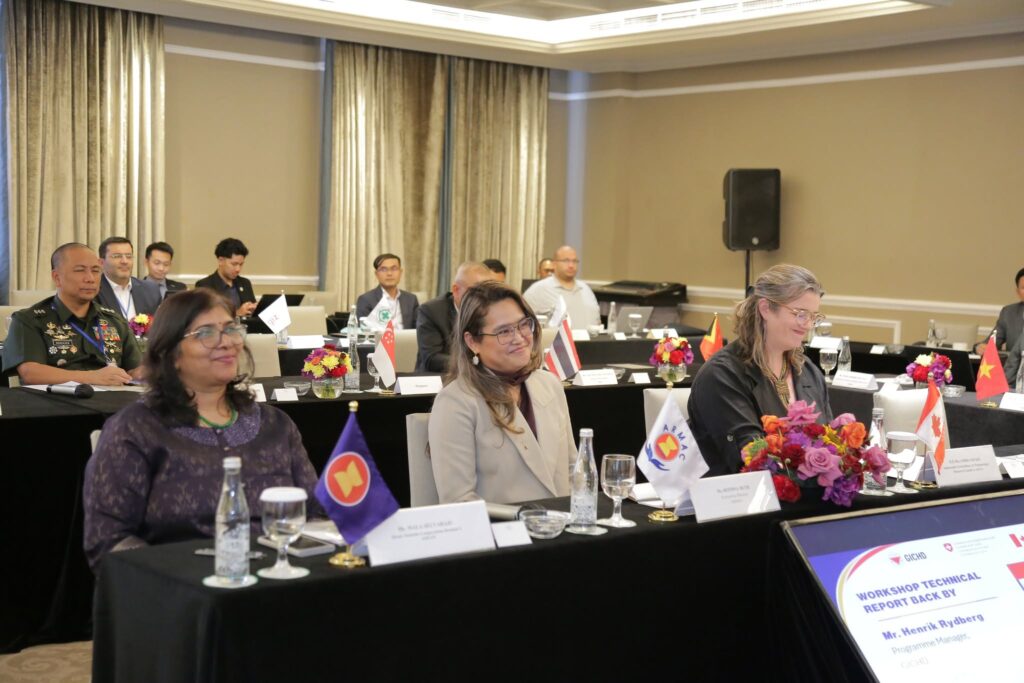
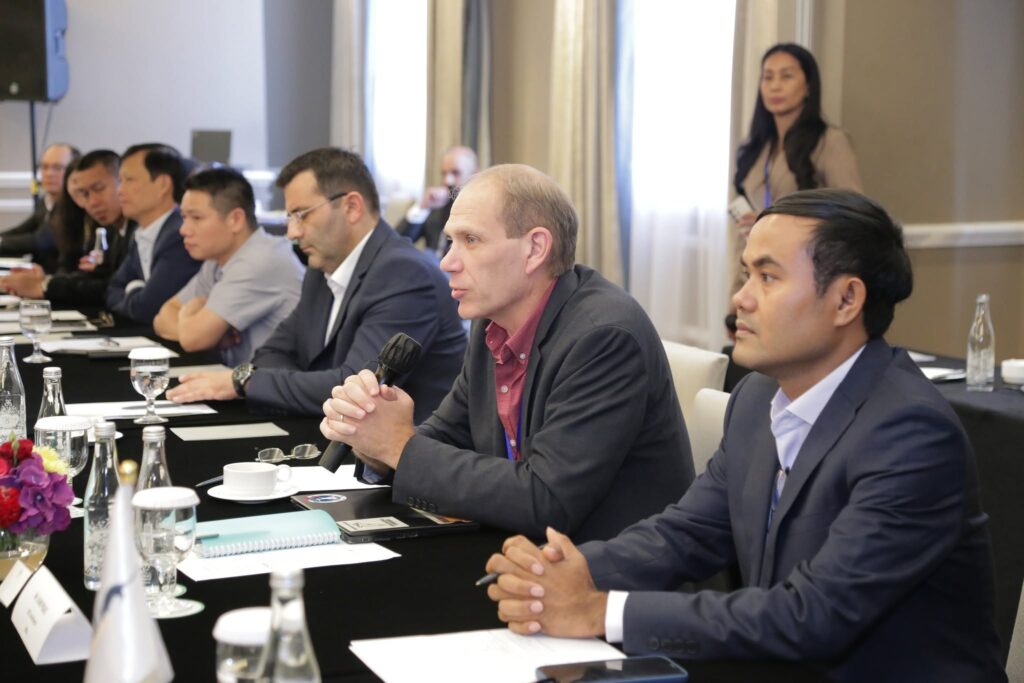
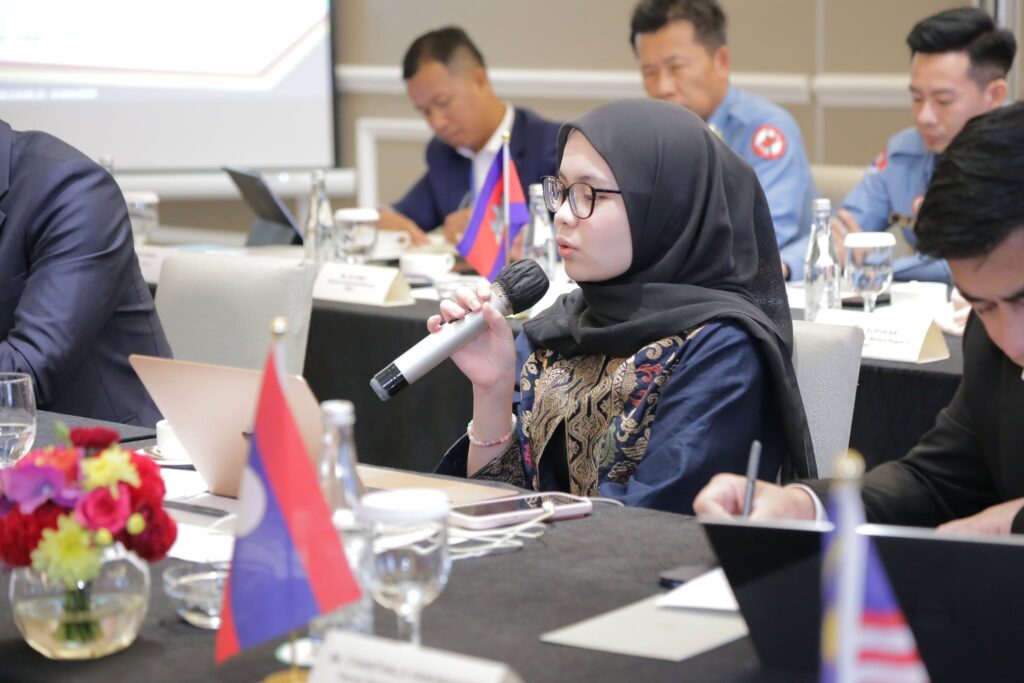
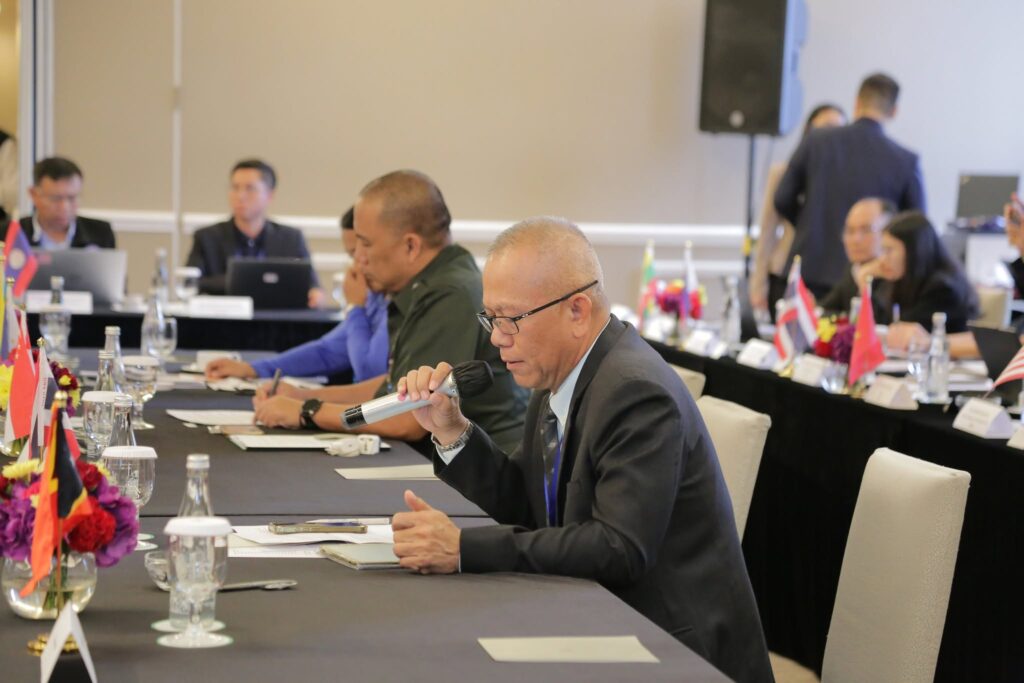
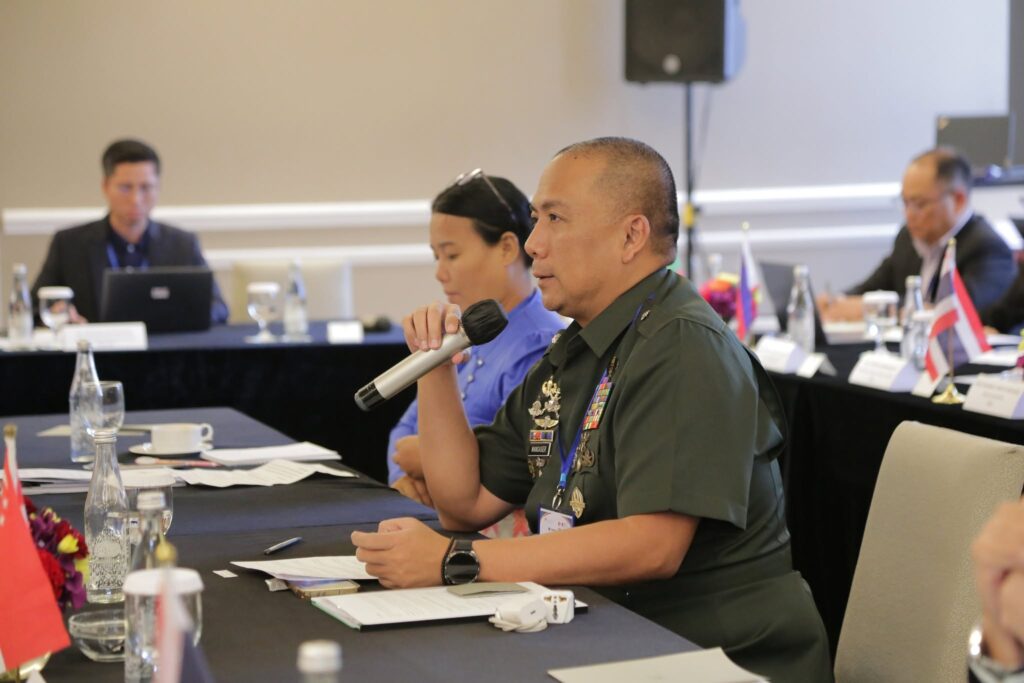
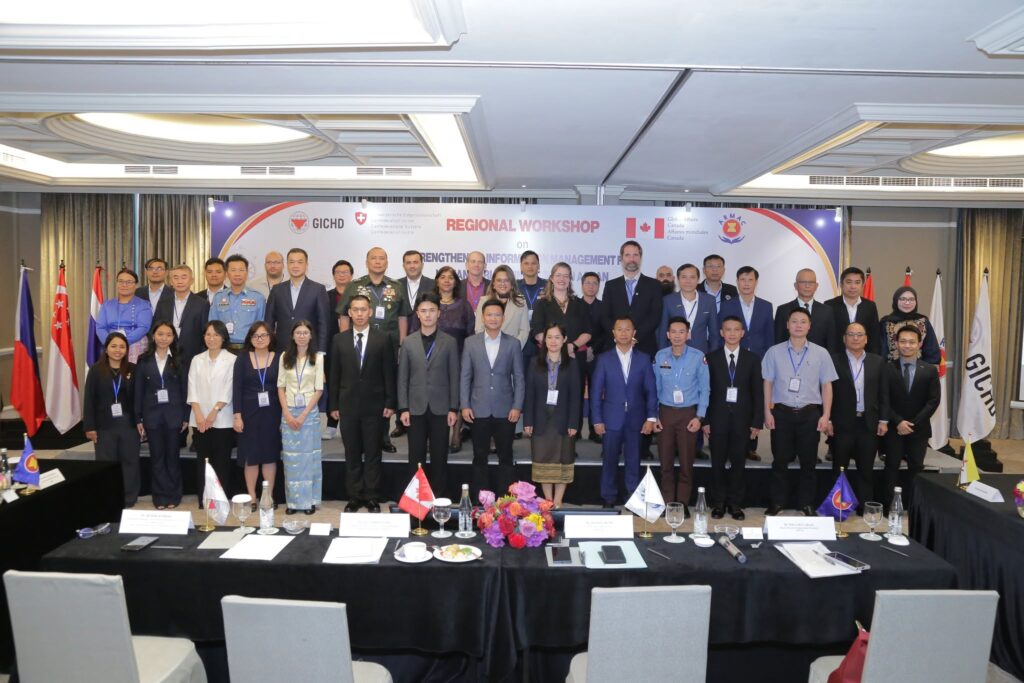
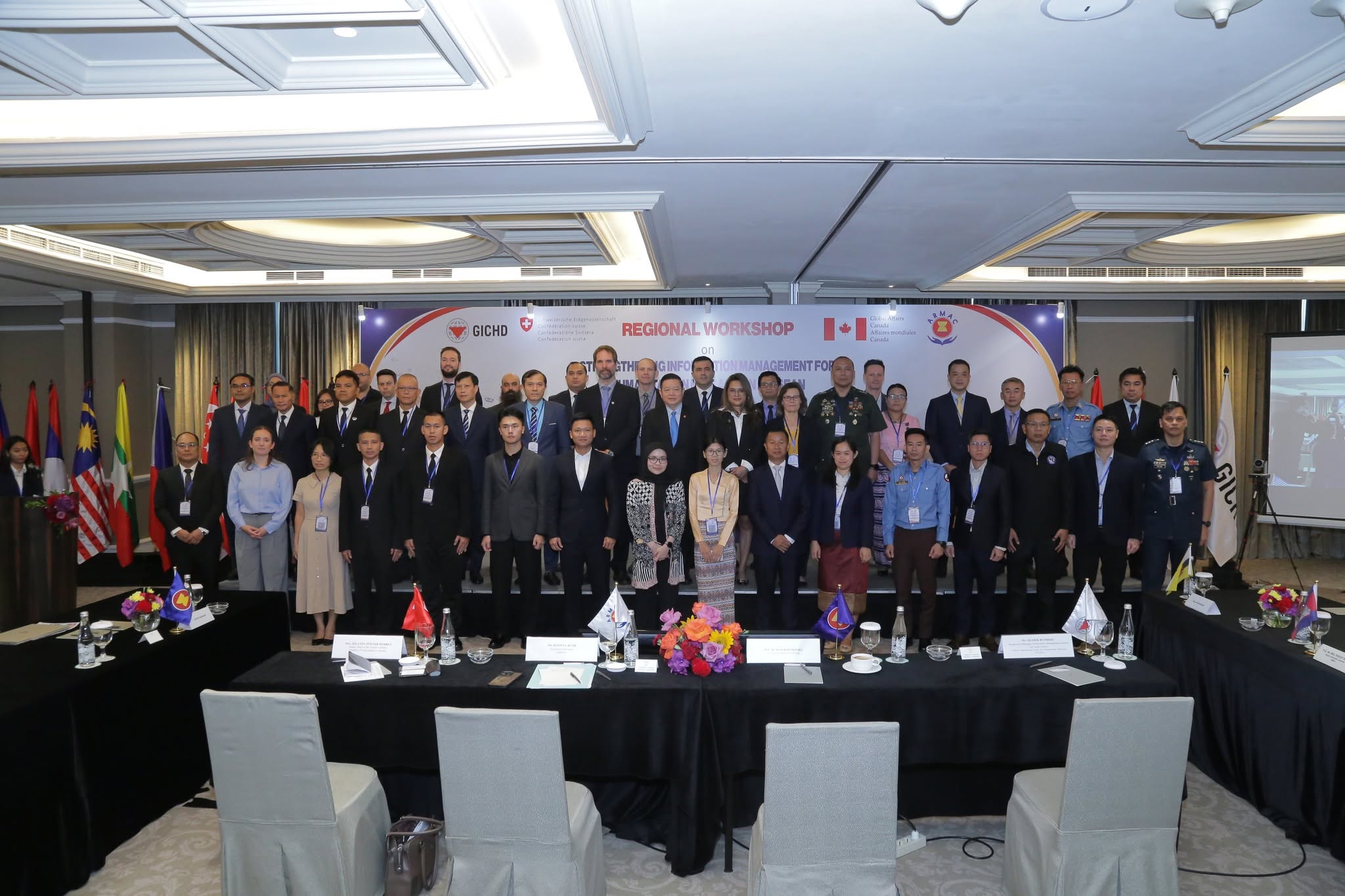
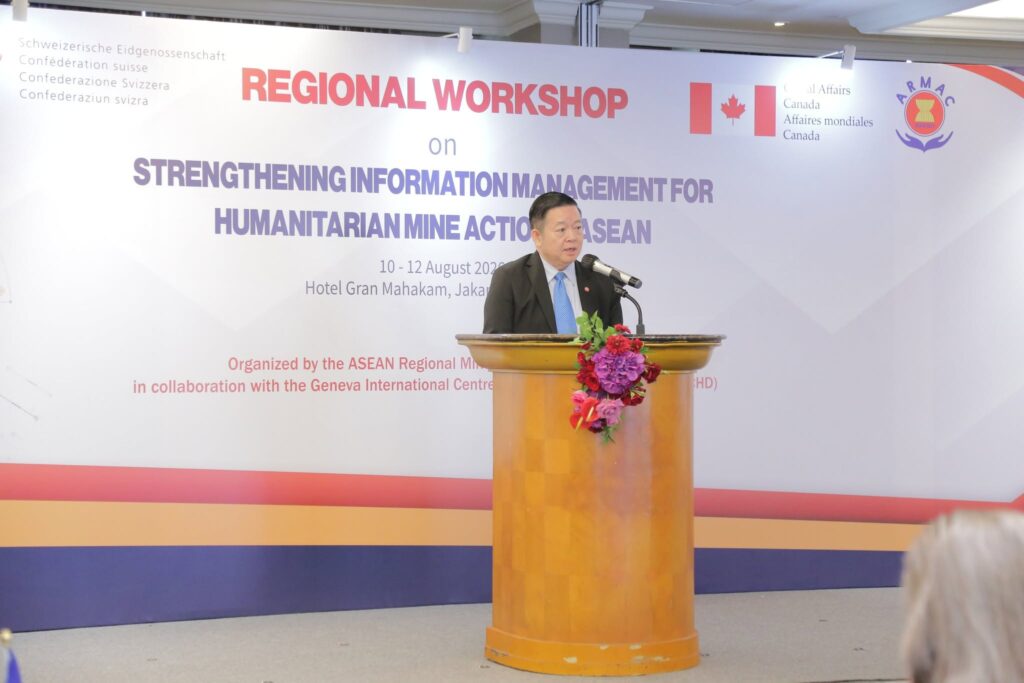
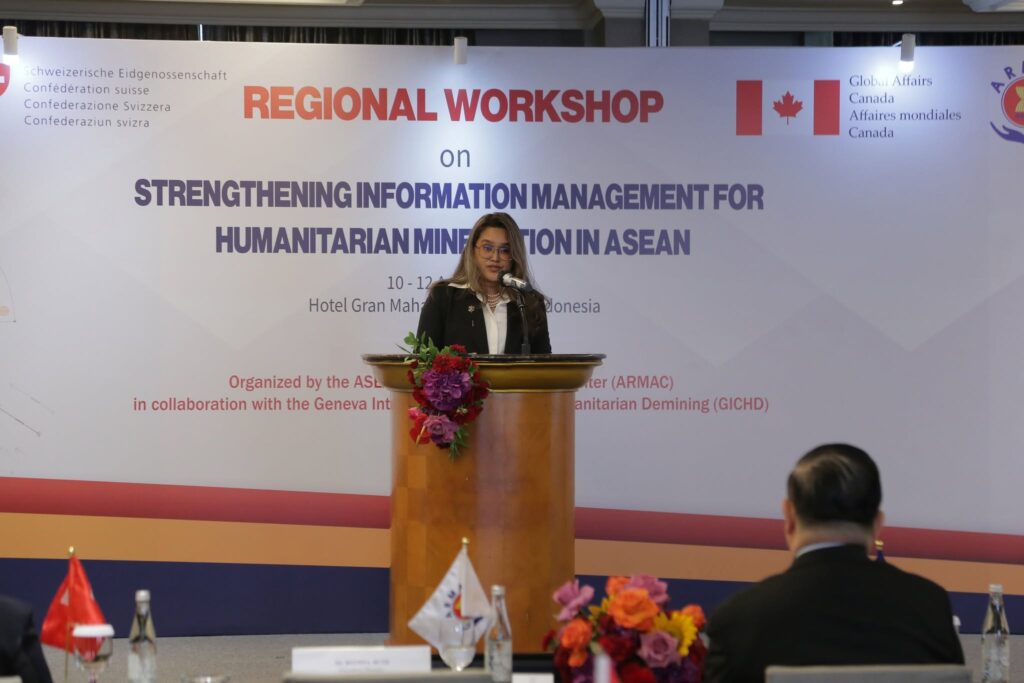
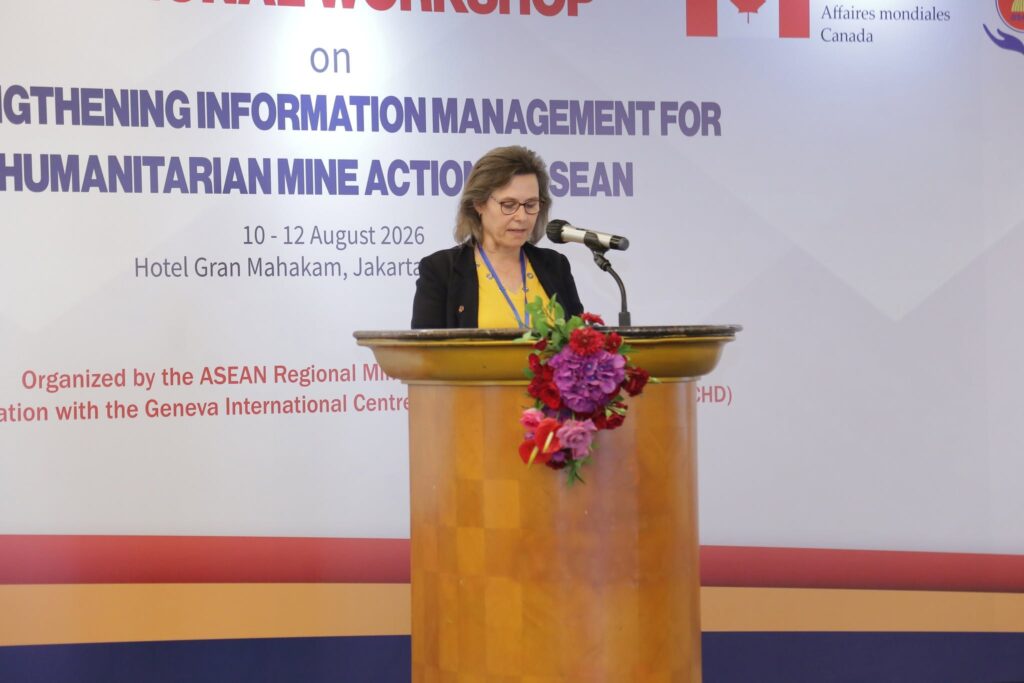
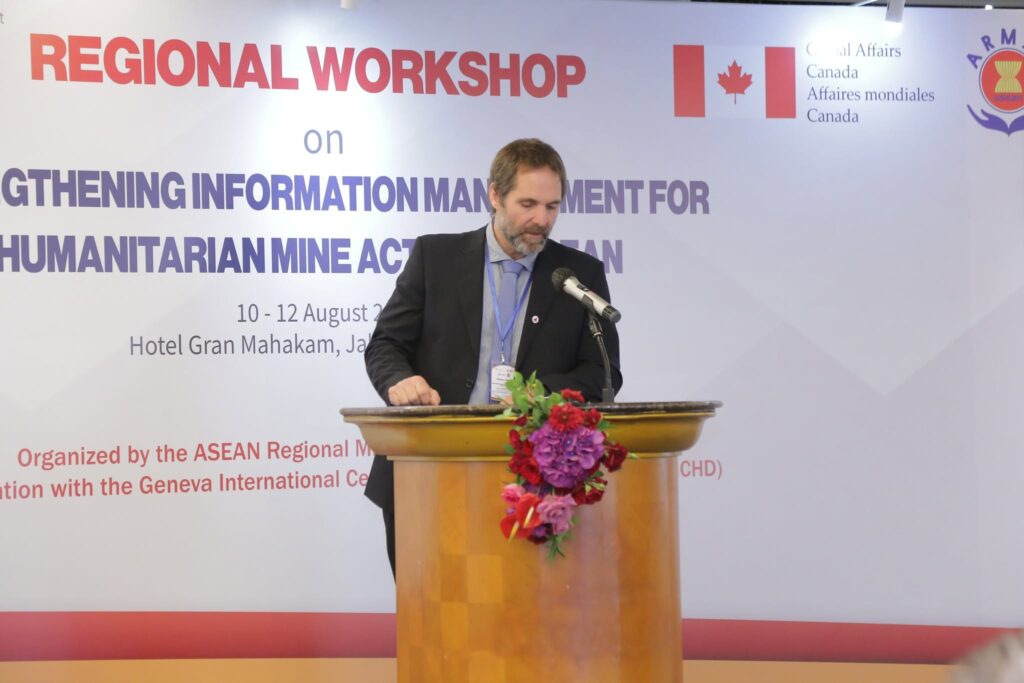
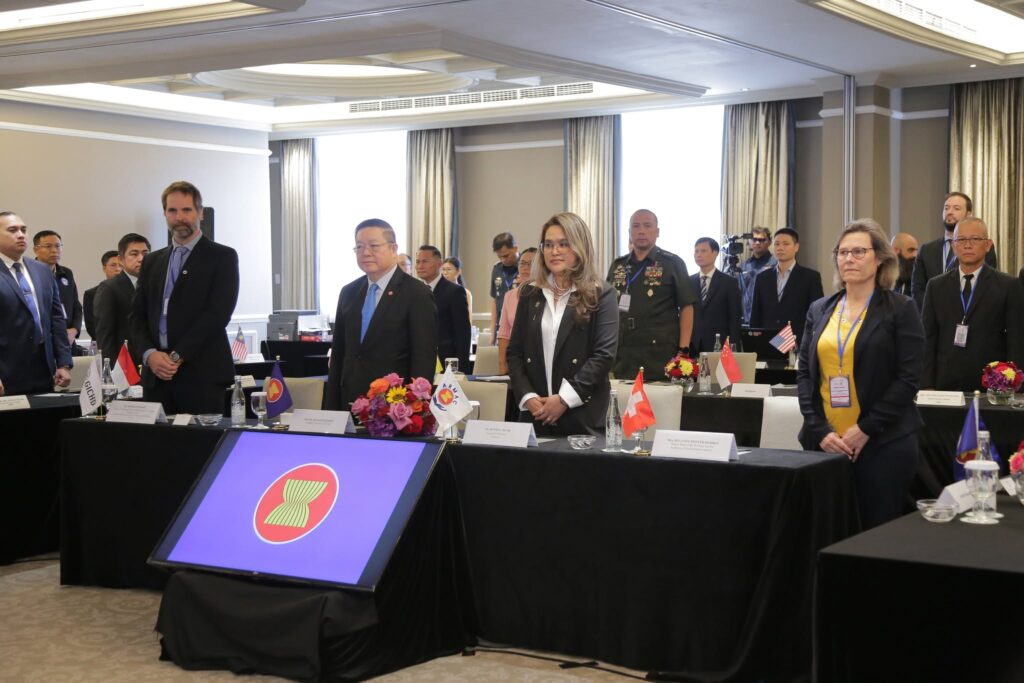
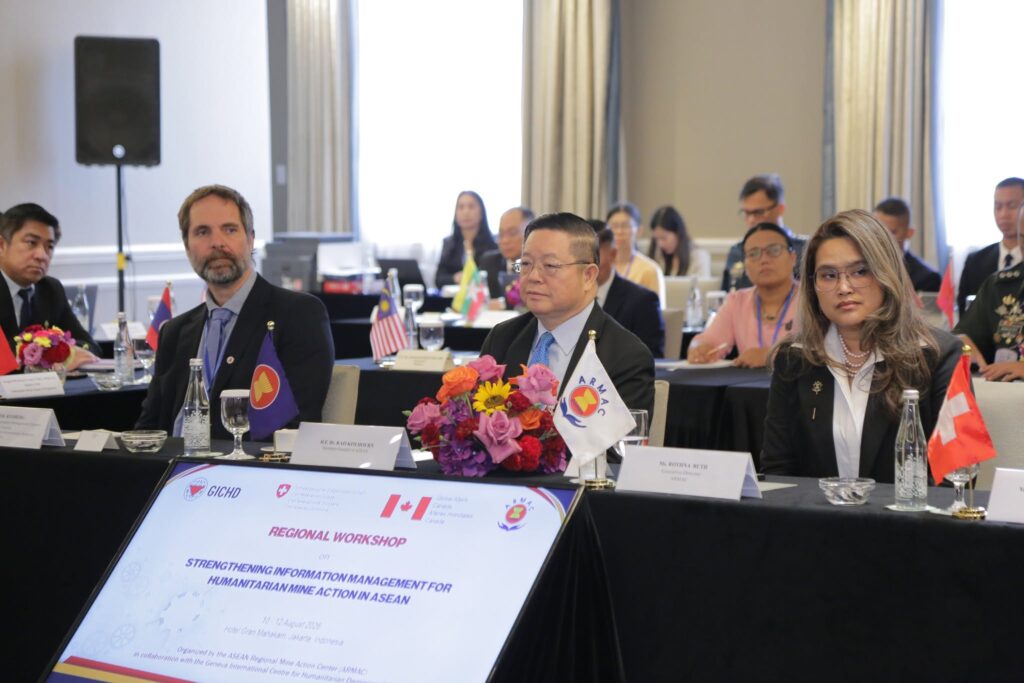
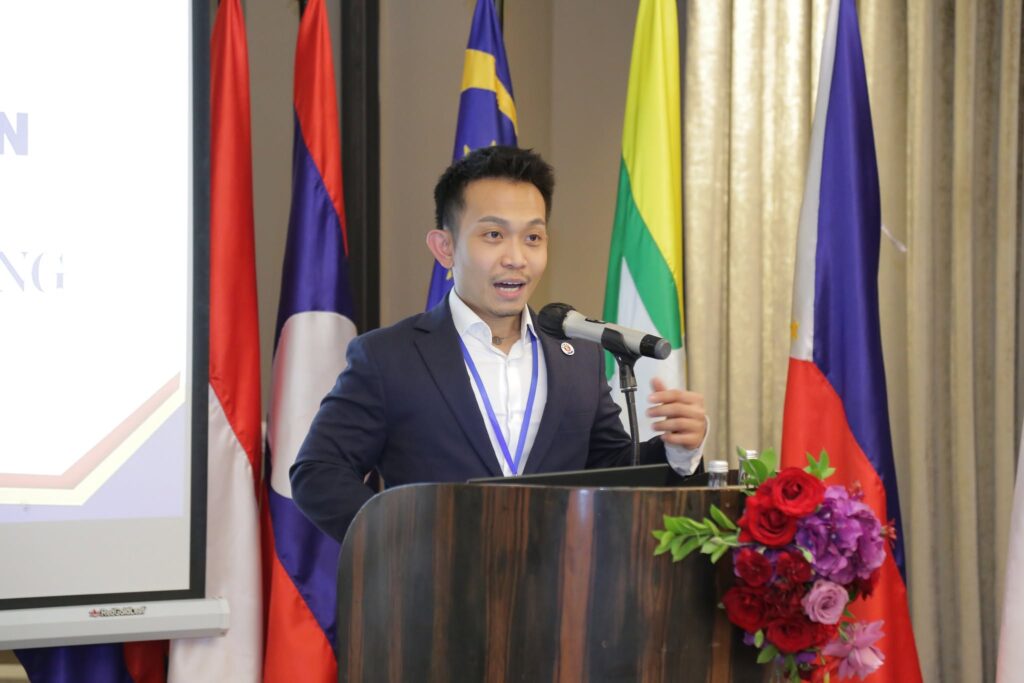
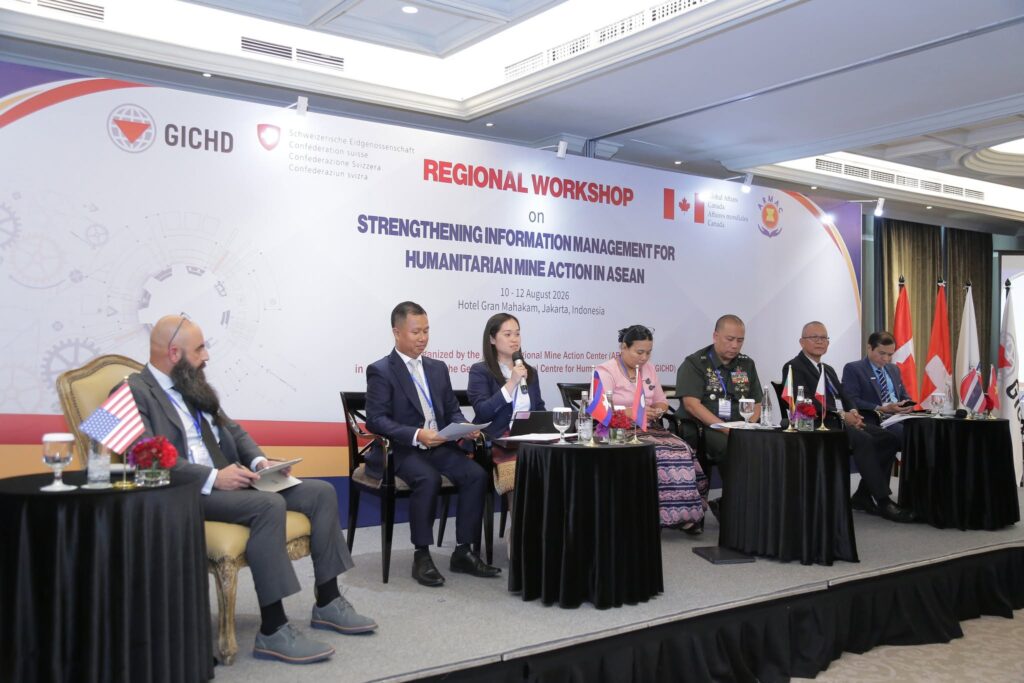
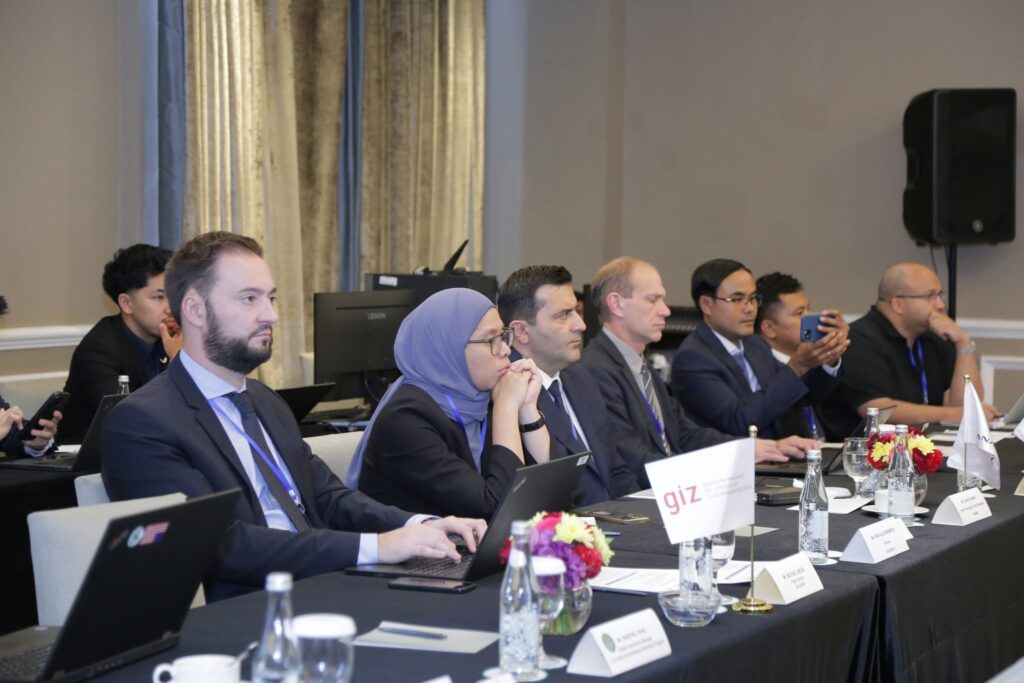
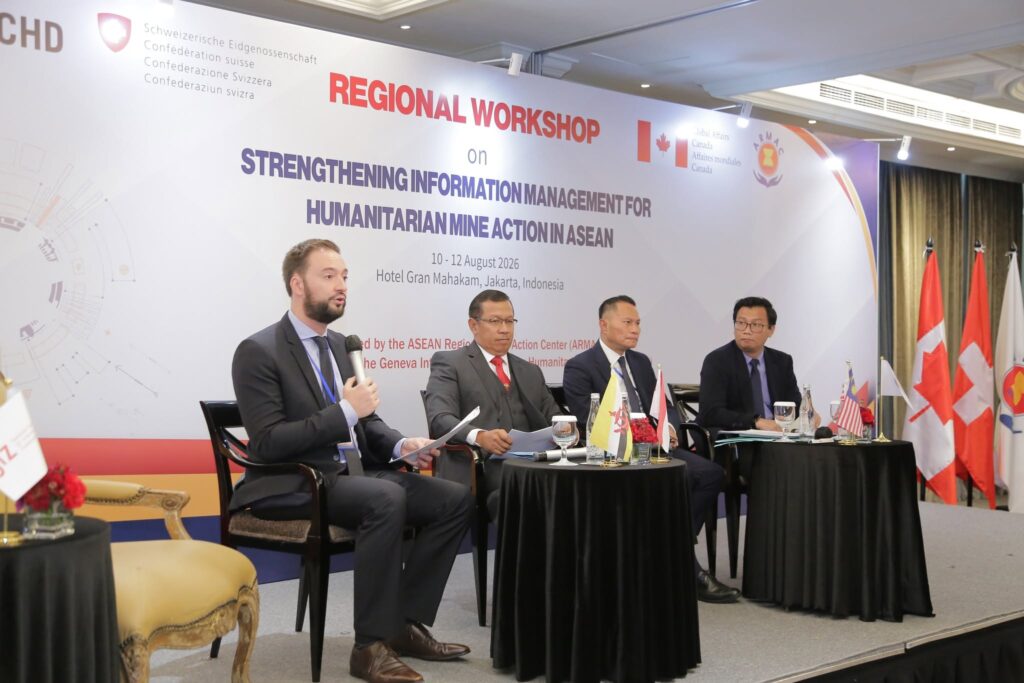
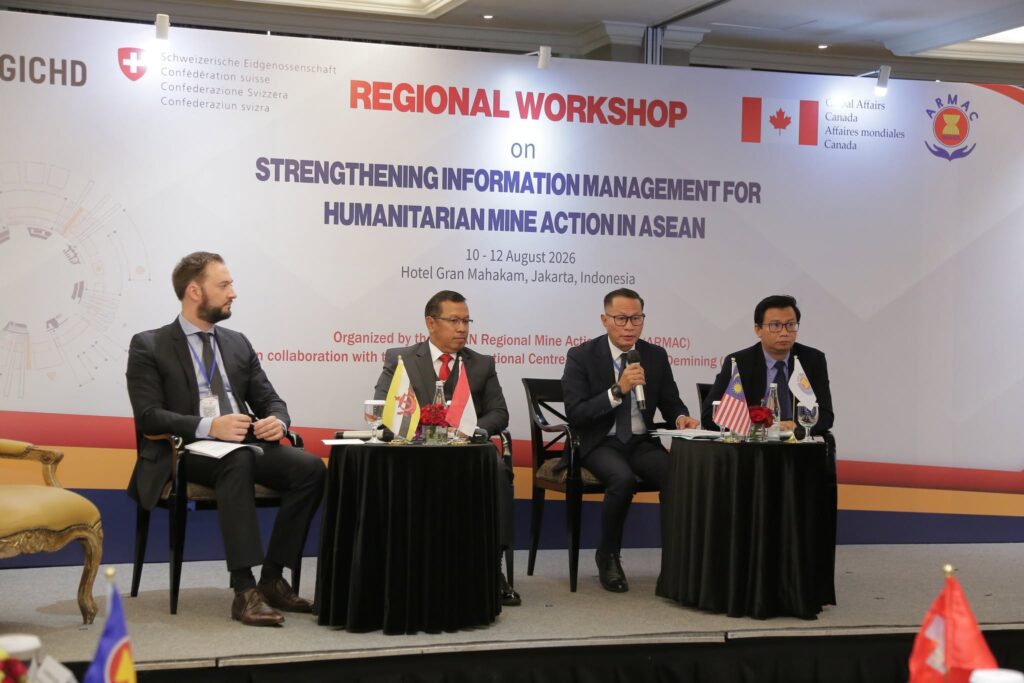
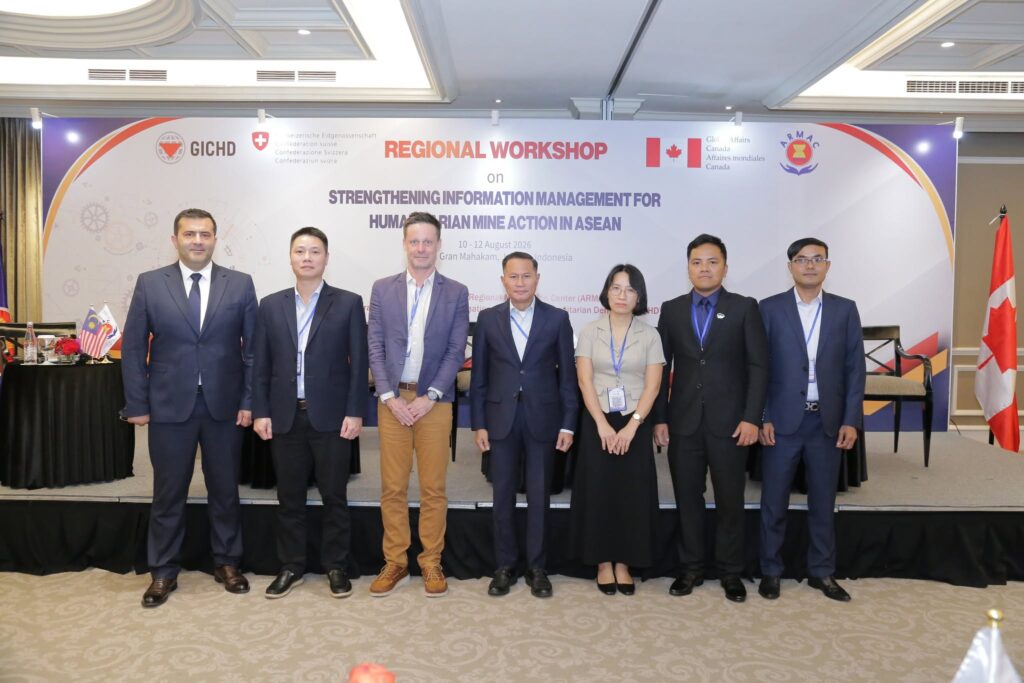
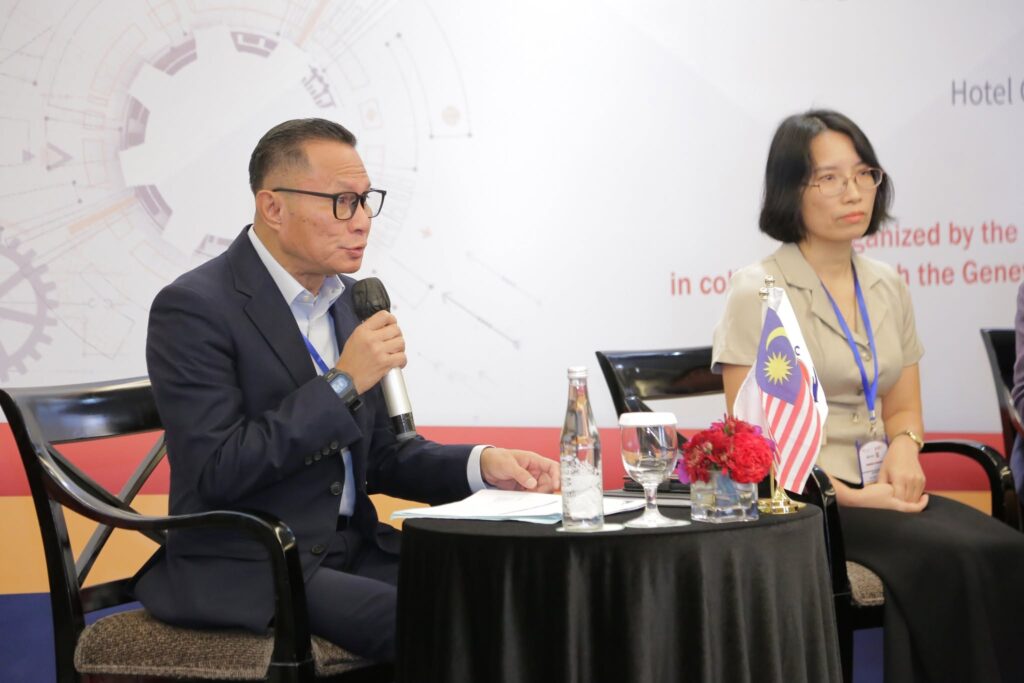
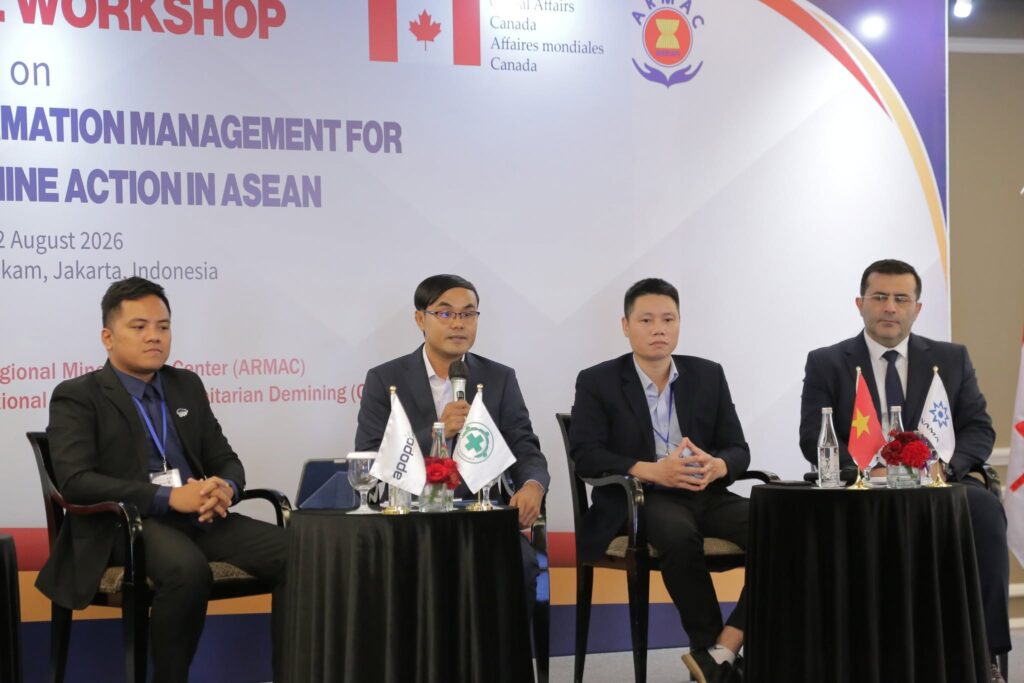
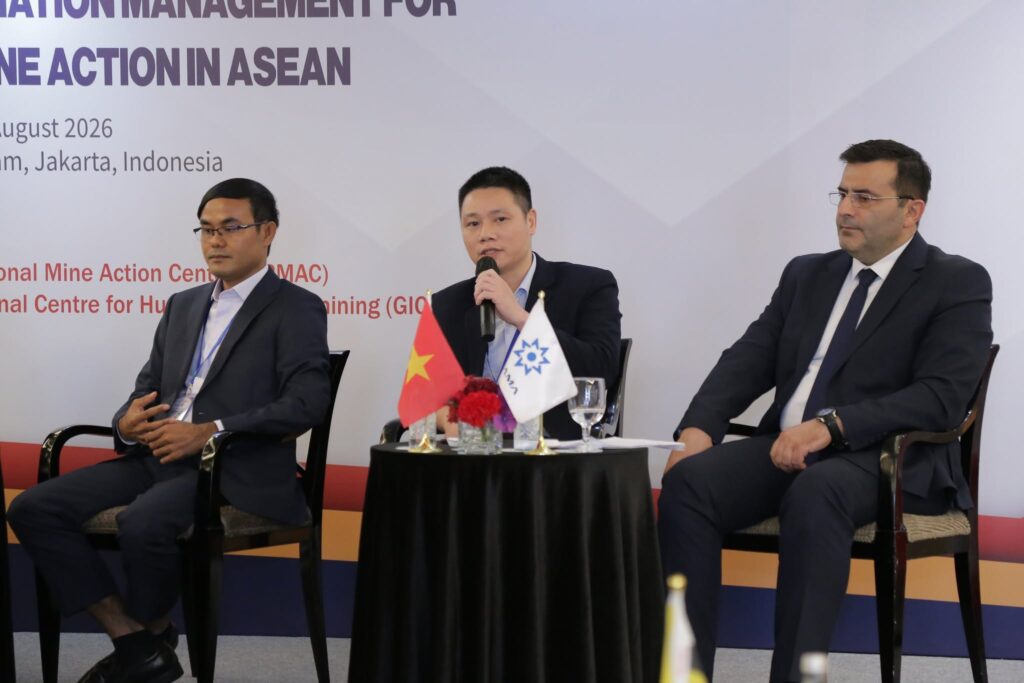
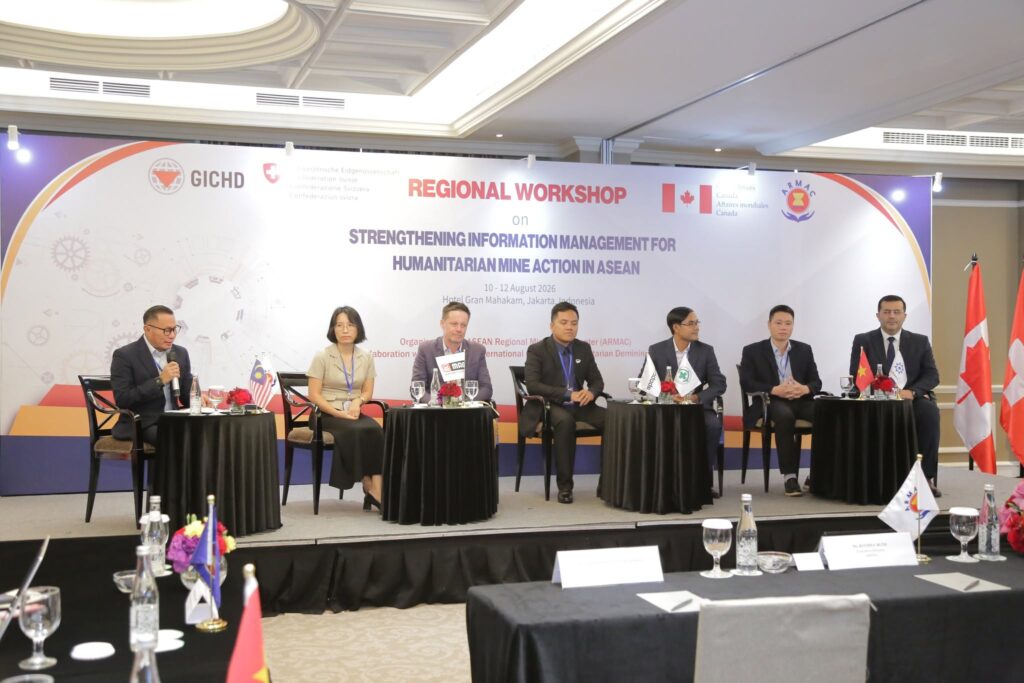
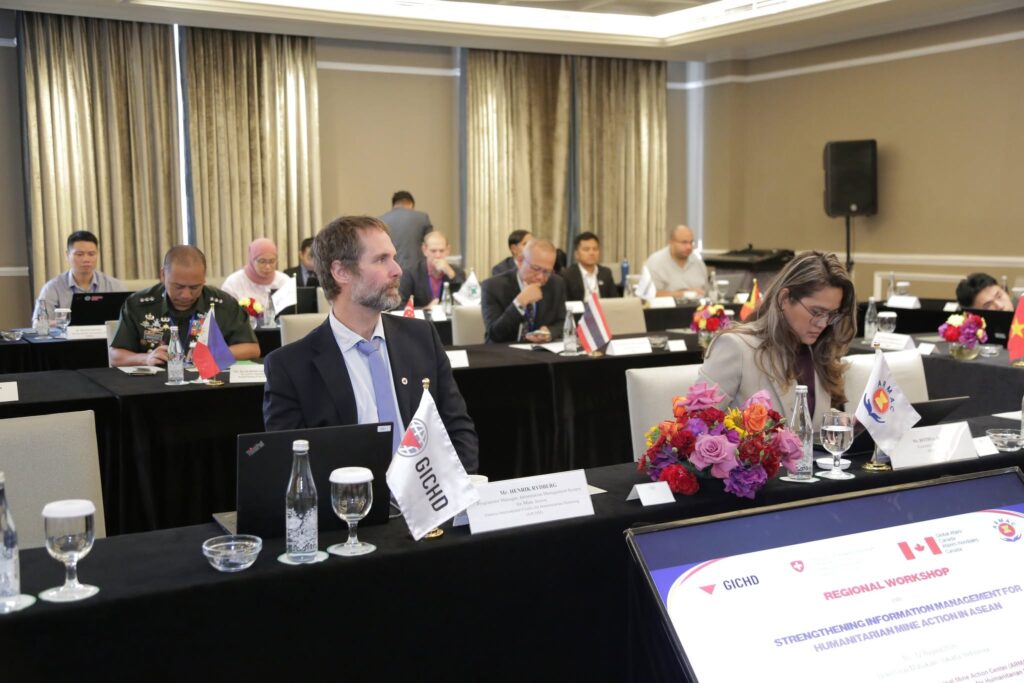
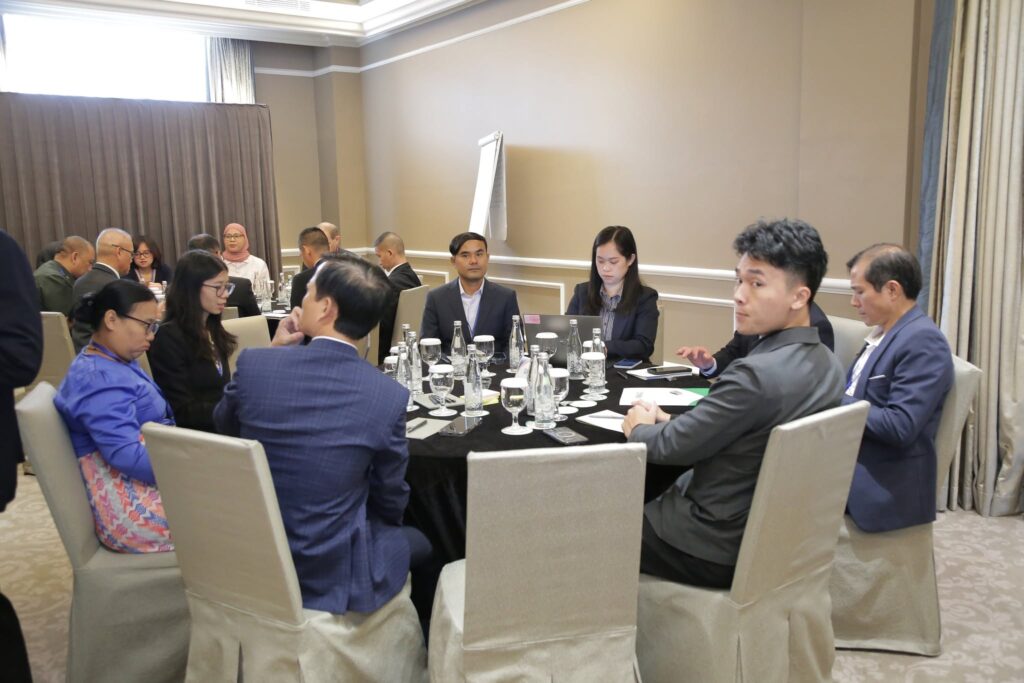
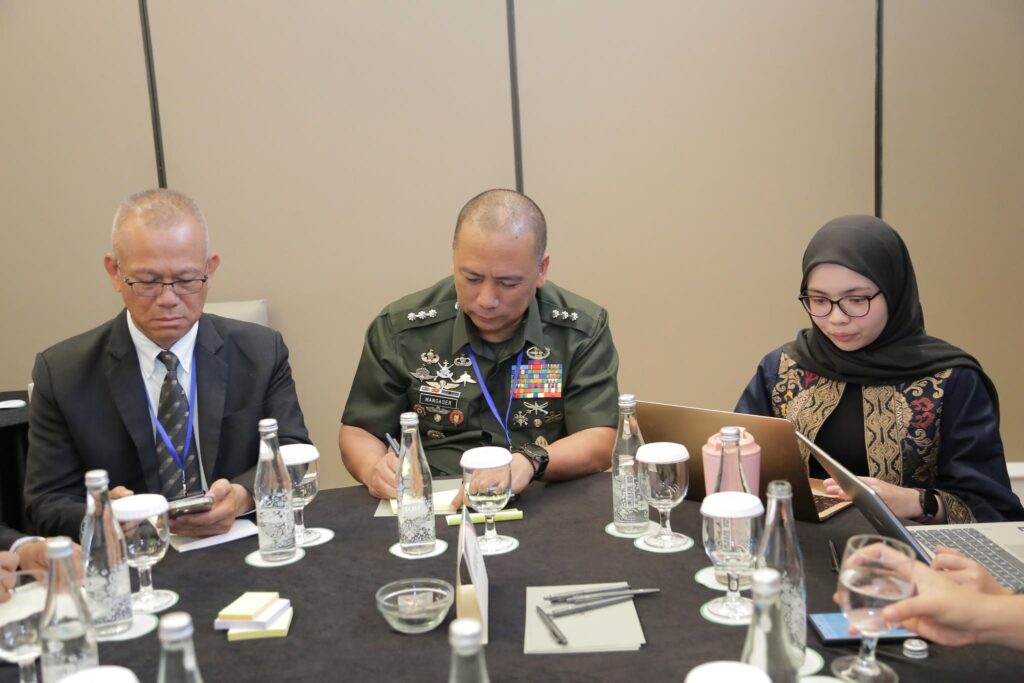
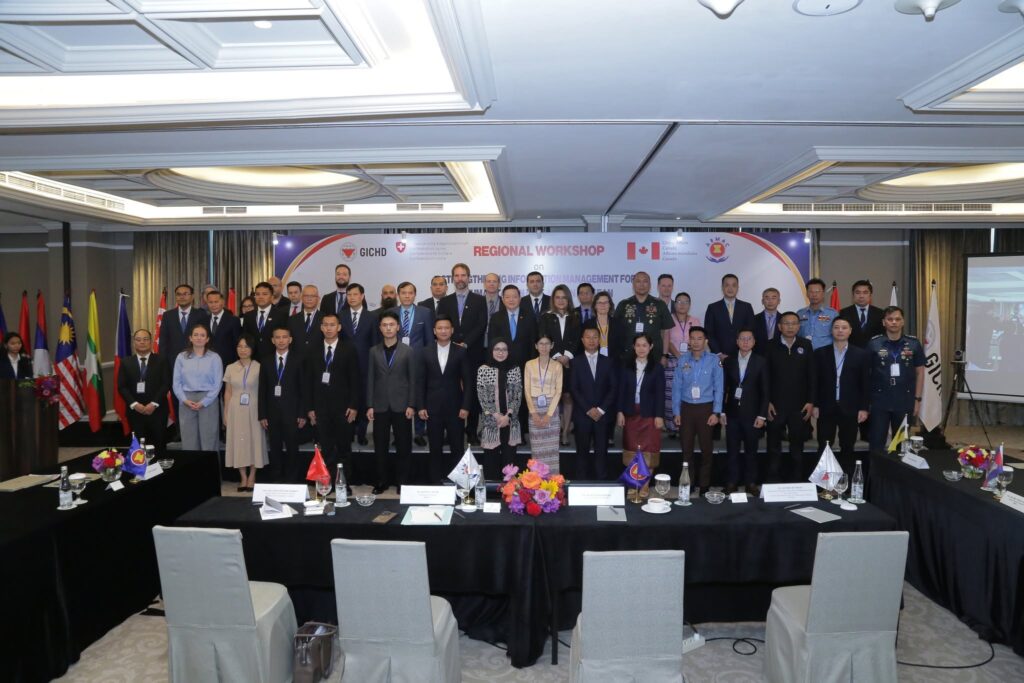
From 10–12 August 2026 in Jakarta #indonesia, the ASEAN Regional Mine Action Center (ARMAC), in partnership with the Geneva International Centre for Humanitarian Demining (GICHD), convened the Regional Workshop on Strengthening Information Management for Humanitarian Mine Action in ASEAN.
With the valued support of the Governments of Switzerland Federal Department of Foreign Affairs and Canada Canada’s Foreign Policy—Global Affairs Canada, through GICHD, the workshop brought together ASEAN Member States, the ASEAN Secretariat and ASEAN institutions AHA CENTRE, national mine action authorities and centres, humanitarian mine action operators, technical and development partners, and international experts for three days of open and constructive regional dialogue.
Participants shared national experiences, identified common information management challenges and priorities, and explored practical opportunities to strengthen knowledge sharing, capacity development, interoperability, data governance, and evidence-informed decision-making across the region.
The discussions also provided important inputs for the continued development and consultation of the Regional Information Management Guideline, Terms of Reference, priority actions, and the proposed ASEAN Information Management Hub (AIM Hub)—with a clear emphasis on national ownership and complementing, rather than replacing, existing national systems.
One message emerged particularly strongly: information management is not only about technology. It is about people, knowledge, trust, cooperation and better decisions.
ARMAC extends its sincere appreciation to ASEAN Member States, the ASEAN Secretariat, the AHA Centre, the U.S. Army Humanitarian Demining Program, GIZ, NPA, MAG (Mines Advisory Group) , APOPO, The HALO Trust, Handicap International – Humanity & Inclusion, the APMBC Implementation Support Unit, the Mine Action Agency of the Republic of Azerbaijan (Mine Action Agency of the Republic of Azerbaijan – ANAMA), the Lebanon Mine Action Center, the Ministry of Economy, Environment and Agriculture of Ukraine, and all national, regional and international partners who generously contributed their expertise, experience and perspectives throughout the workshop.
Most importantly, our deepest appreciation goes to all participants.
Your openness, active engagement, experiences, questions and practical contributions shaped these three days and the direction of the work ahead.
You did not simply participate in this regional dialogue—you helped shape it.
ARMAC looks forward to carrying this momentum forward, in consultation with ASEAN Member States and in the spirit of national ownership, mutual trust and regional cooperation.
From Data to Decisions: Listening to ASEAN’s Information Management Experience
There is much more to share from what ASEAN Member States and our partners shaped together over three days at the Regional Workshop on Strengthening Information Management for Humanitarian Mine Action in ASEAN in Jakarta.
But every journey needs a strong foundation.
The workshop began with a fundamental question:
Why does stronger information management matter for humanitarian mine action in ASEAN, and where can regional cooperation add value?
Across the opening sessions, participants moved from strategic framing to global perspectives and lessons for ASEAN, and then to the technical foundations of effective information management.
ARMAC opened the discussion by framing why regional information management matters in the ASEAN context. Building on this, GICHD guided participants through information management concepts, capacity strengthening and global lessons, before taking the discussion deeper into IMAS 05.10, the information cycle, stakeholder requirements, data quality principles and minimum data requirements, supported by an interactive group exercise.
One message became increasingly clear:
Effective information management is not simply about databases or technology. It is about turning reliable information into better planning, stronger coordination and better-informed decisions.
With this foundation in place, the workshop moved from principles and standards to ASEAN’s national realities.
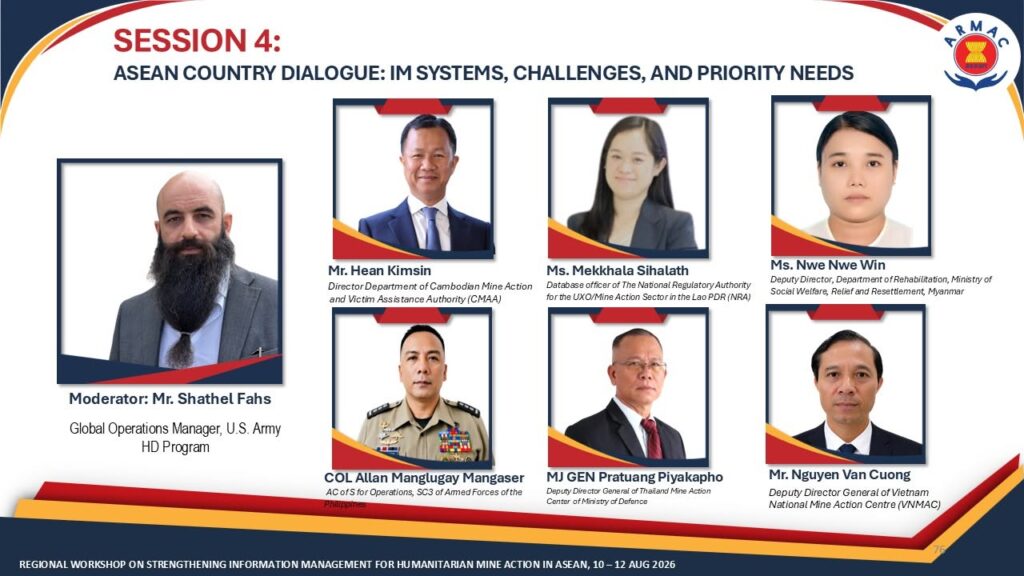
Session 4: ASEAN Country Dialogue – IM Systems, Challenges and Priority Needs
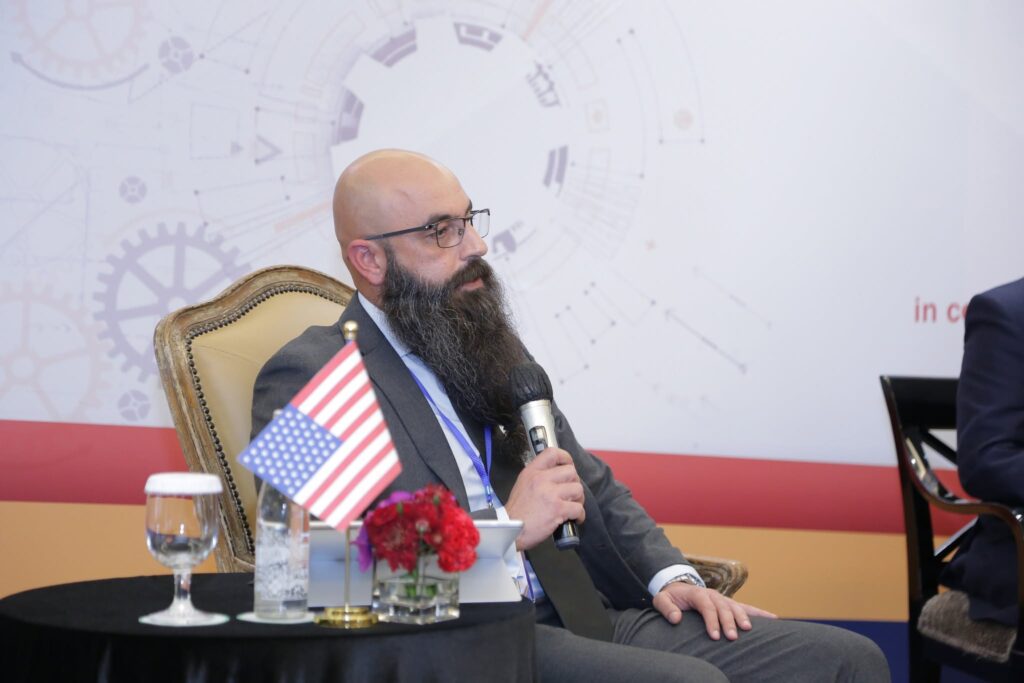
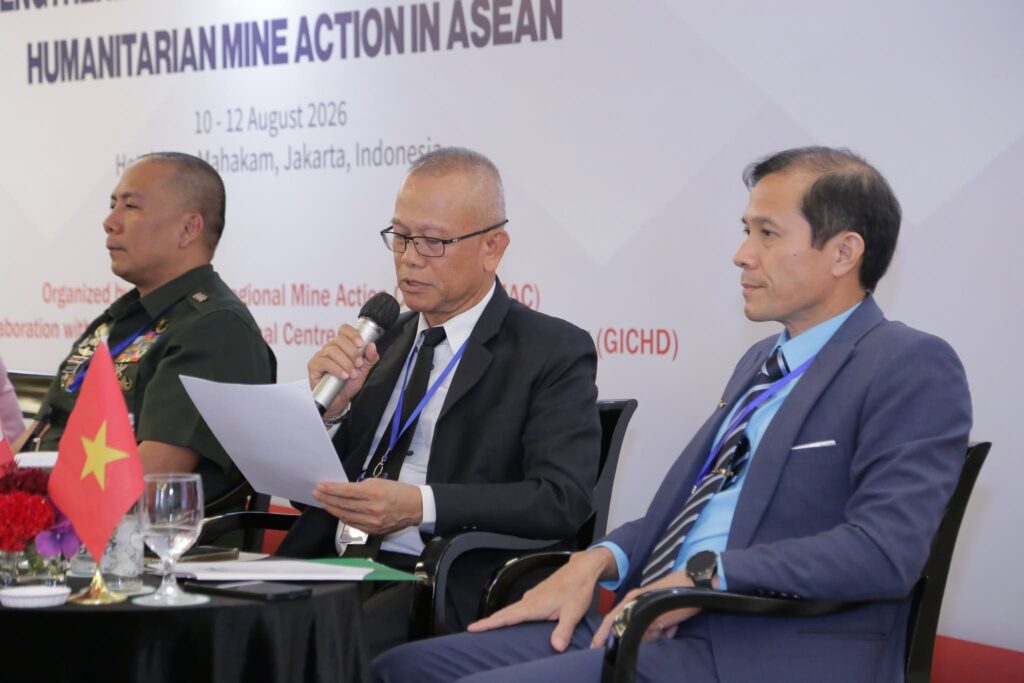
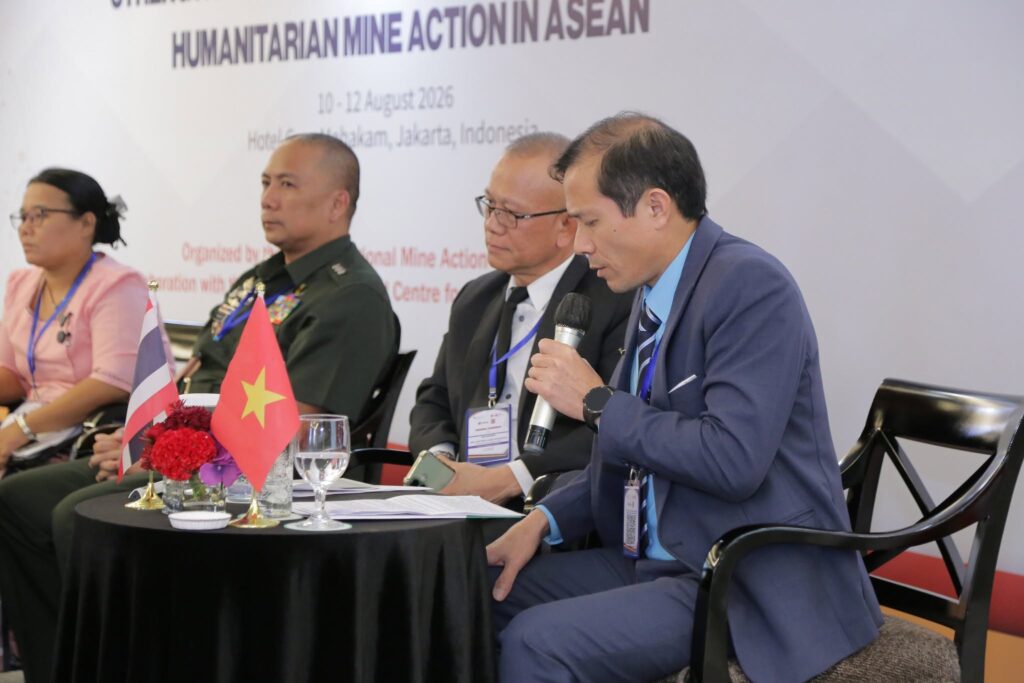
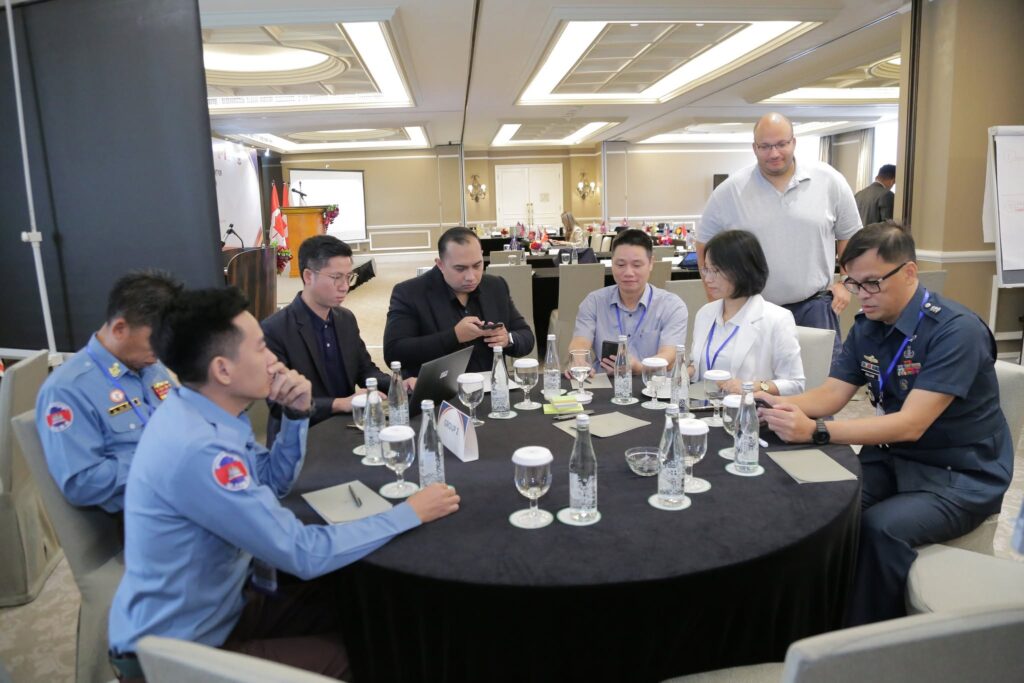
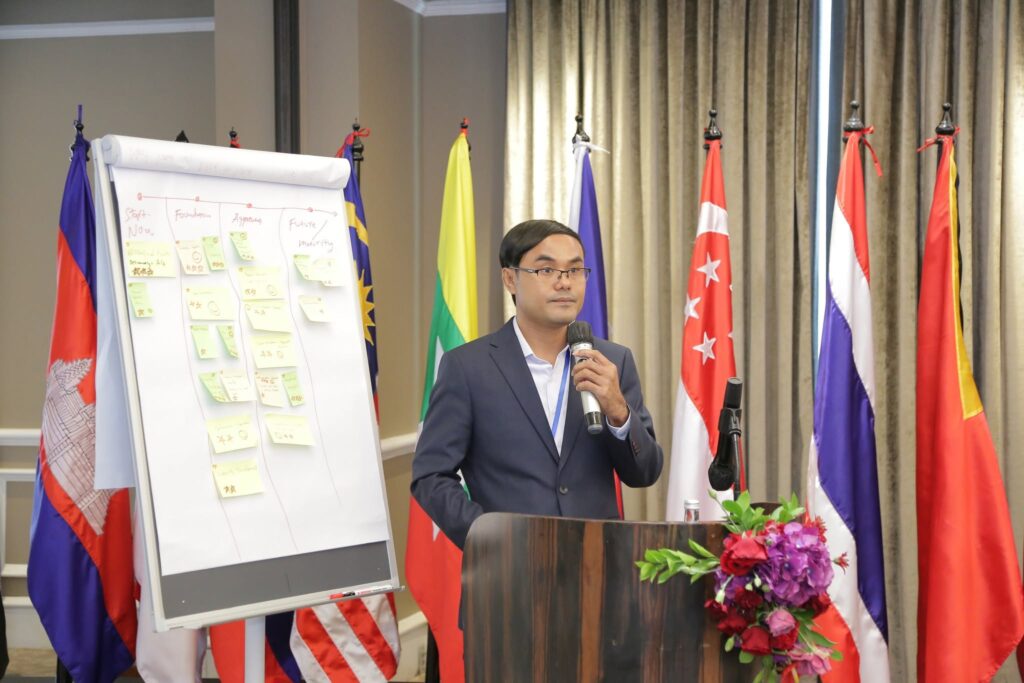
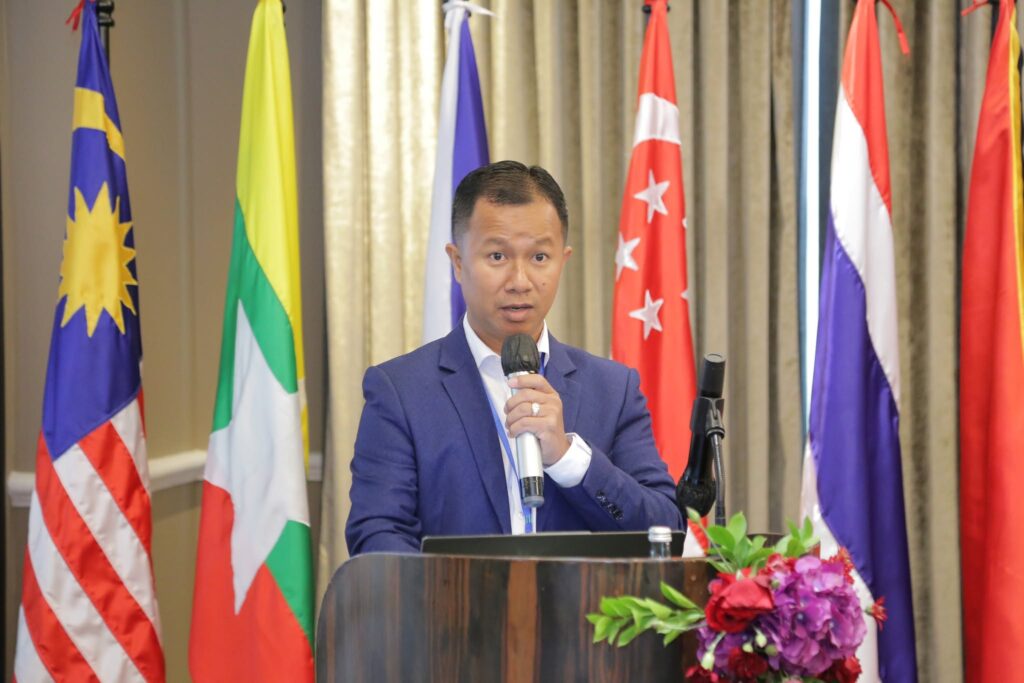
Moderated by Mr. Shathel Fahs, Global Operation Manager, U.S Army– Humanitarian Demining Program, Session 4 placed ASEAN Member States at the centre of the conversation—not to compare national systems, but to learn from one another’s experiences, achievements, challenges and priorities.
The dialogue brought together:
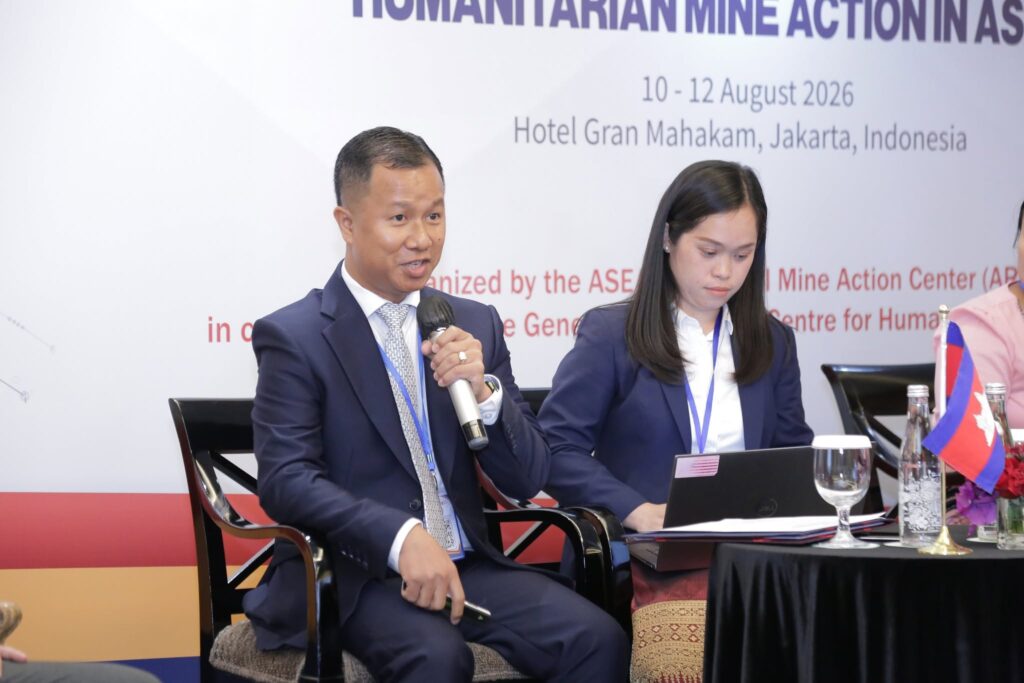
🇰🇭 Mr. Hean Kimsin, Director, Department of Socio-Economic Planning and Database Management, Cambodian Mine Action and Victim Assistance Authority (CMAA), who shared Cambodia’s experience in strengthening its national information management system, including IMSMA Core, national standards, interoperability, data governance and evidence-based planning.
🇱🇦 Ms. Mekkhala Sihalath, Database Officer, Information Management Unit, National Regulatory Authority for the UXO/Mine Action Sector in the Lao PDR (NRA), who shared Lao PDR’s experience in managing an information ecosystem supporting operational coordination, reporting and evidence-based decision-making.
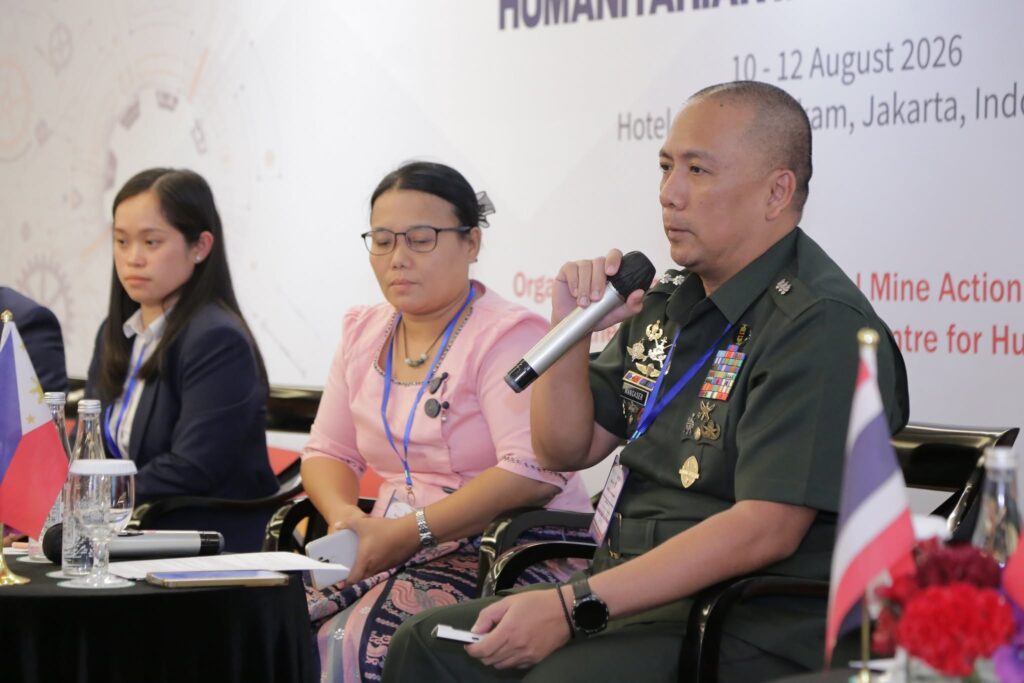
🇲🇲 Ms. Nwe Nwe Win, Deputy Director, Department of Rehabilitation, Ministry of Social Welfare, Relief and Resettlement, Myanmar, who brought an important perspective on information management for victim assistance, mine risk education, programme coordination and service delivery.
🇵🇭 Colonel Allan Manglugay Mangaser, Assistant Chief of Staff for Operations (SC3), Armed Forces of the Philippines, who shared the Philippines’ vision for strengthening its humanitarian mine action institutional framework and developing the information management foundations needed for a nationally coordinated and sustainable system.
🇹🇭 Major General Pratuang Piyakapho, Deputy Director General, Thailand Mine Action Center (TMAC), who shared Thailand’s experience in sustaining and strengthening information management for operational coordination, quality assurance and national reporting.
🇻🇳 Mr. Nguyen Van Cuong, Deputy Director General, Viet Nam National Mine Action Centre (VNMAC), who shared Viet Nam’s experience and priorities in modernizing national information management, including its transition towards IMSMA Core and stronger evidence-based planning and decision-making.
Different histories. Different operational environments. Different institutional arrangements. Different stages of information management development. Yet many shared priorities.
The dialogue highlighted common needs around data quality, interoperability, governance, institutional coordination, sustainable national capacity, modernization, knowledge management and stronger use of information for decision-making.
It also reinforced an important regional reflection:
Much of the experience, knowledge and practical solutions ASEAN needs already exist within ASEAN.
Across our Member States are valuable experiences in national standards, system modernization, institutional development, data governance, quality management, capacity strengthening and evidence-based decision-making. As reflected in the Session 4 discussion, many of the needs identified by one country already have relevant experience or lessons elsewhere in the region.
The opportunity, therefore, is not to replace national systems or create another layer of reporting. It is to connect what already exists, enable Member States to learn from one another, strengthen national capacities and identify where regional cooperation can add genuine value—while keeping national ownership at the centre. These opening discussions provided an important foundation for the next stage of the workshop—moving from shared experiences and identified priorities towards practical regional cooperation.
How can ASEAN build on what already exists nationally, connect our collective strengths, and shape a practical and sustainable approach to regional information management cooperation?
That conversation continued throughout the workshop—and there is much more to share.
National ownership. Shared knowledge. Stronger capacity. Regional cooperation. Better decisions.
Learning Across ASEAN: Different Systems, Shared Principles
How can lessons from disaster management, government data exchange and regional coordination help inform stronger information management for humanitarian mine action?
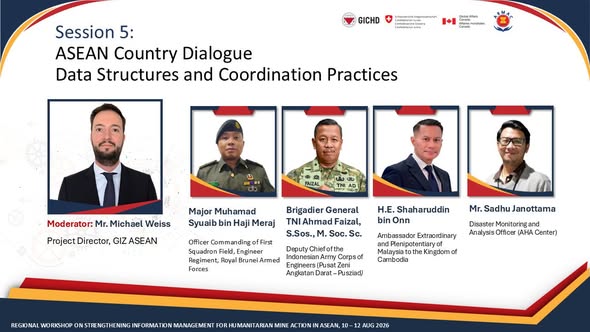
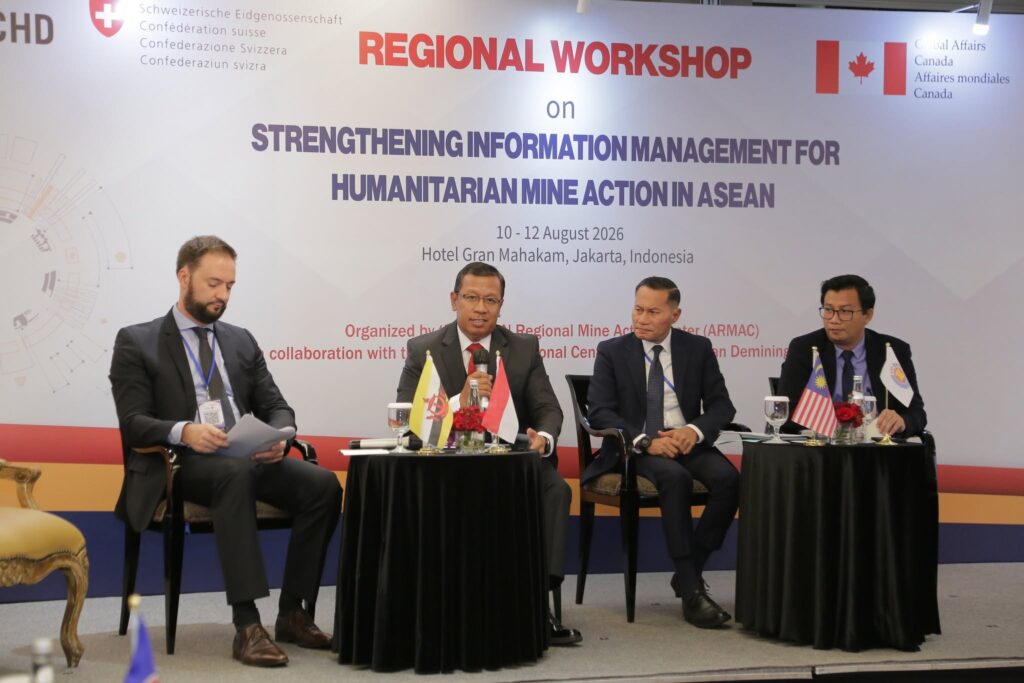
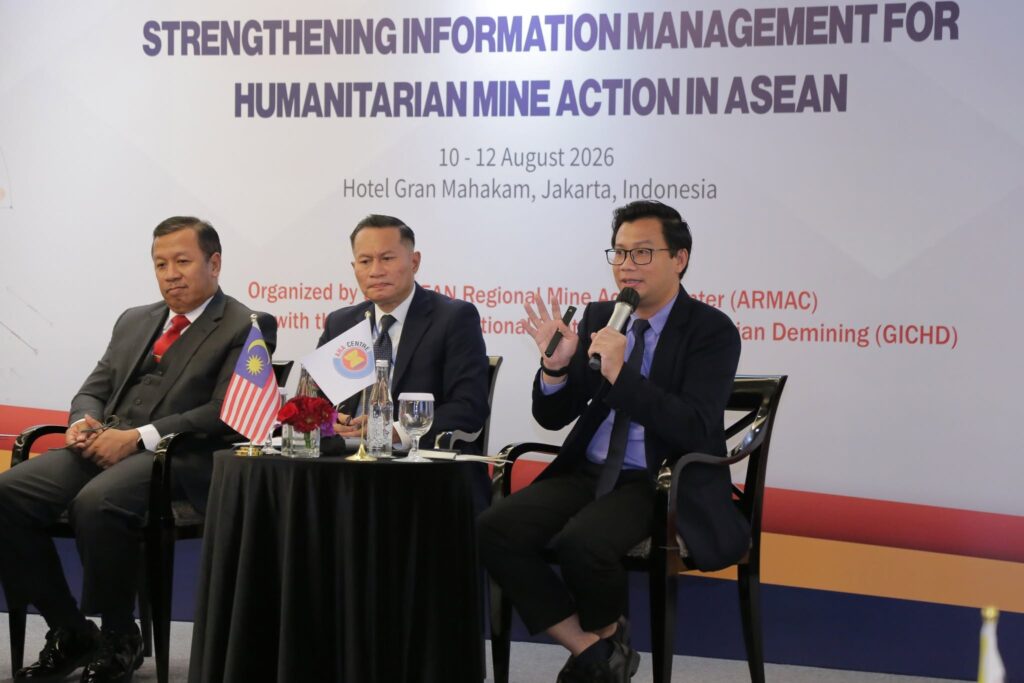
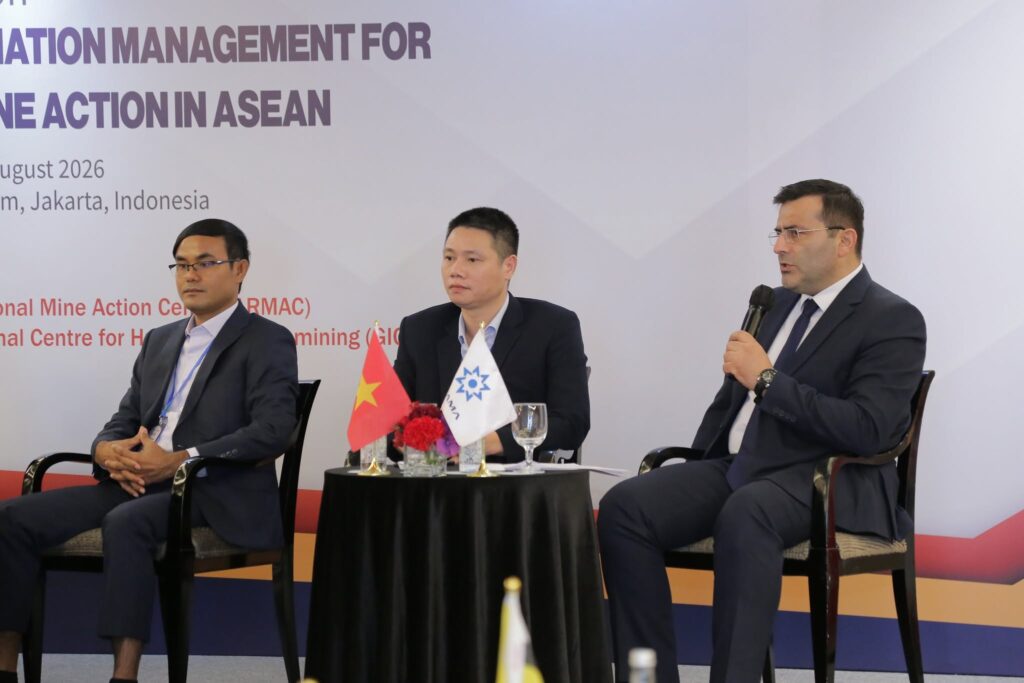
Session 5 broadened the workshop conversation beyond mine action, bringing together experiences from Brunei Darussalam, Indonesia, Malaysia and the AHA Centre to explore how information moves across institutions, how systems connect, and what makes regional cooperation trusted and useful.
Moderated by Mr. Michael Weiss, Project Director, Capacity Building for the ASEAN Secretariat / Institutional Strengthening and Capacity Development of the ASEAN AHA Centre, GIZ, the dialogue brought together:
🇧🇳 Major Muhamad Syuaib bin Haji Meraj, Royal Brunei Armed Forces, who shared Brunei Darussalam’s experience in humanitarian assistance and disaster relief coordination—highlighting clear roles, focal points, established procedures and the importance of getting the right information to the right decision-makers at the right time.
🇮🇩 Brigadier General TNI Ahmad Faizal, Deputy Commander of the Indonesian Army Corps of Engineers, who reflected on Indonesia’s geographically dispersed operating environment and the need to connect information, authority and trust across agencies. His presentation emphasised a federated approach: national authorities retain ownership, validation and release authority while agreed regional standards can enable useful exchange.
🇲🇾 H.E. Mr. Shaharuddin Bin Onn, Ambassador of Malaysia to the Kingdom of Cambodia, who shared Malaysia’s experience with national disaster information coordination and MyGDX, its government data-exchange ecosystem. A central lesson was clear: interoperability requires not only technology, but legal clarity, institutional commitment and trusted mechanisms for access.
🌏 Mr. Sadhu Zukhruf Janottama, Disaster Monitoring and Analysis Officer, the AHA Centre, who shared lessons from ASEAN’s regional disaster information management experience, including AIM-Net—demonstrating the importance of governance, common data standards, trusted information-sharing mechanisms and sustained collaboration among Member States.
Different sectors. Different systems. Yet several common principles emerged.
Regional cooperation works best when governance is clear, national ownership is respected, standards and processes are understood, and institutions trust how information will be used.
For the proposed AIM Hub, the lesson is not to make every national system the same. It is to identify where connection, common standards and regional learning can add practical value.
From the Field to Better Decisions: The Operational Reality of Information Management
Information management ultimately begins where humanitarian mine action happens—in the field.
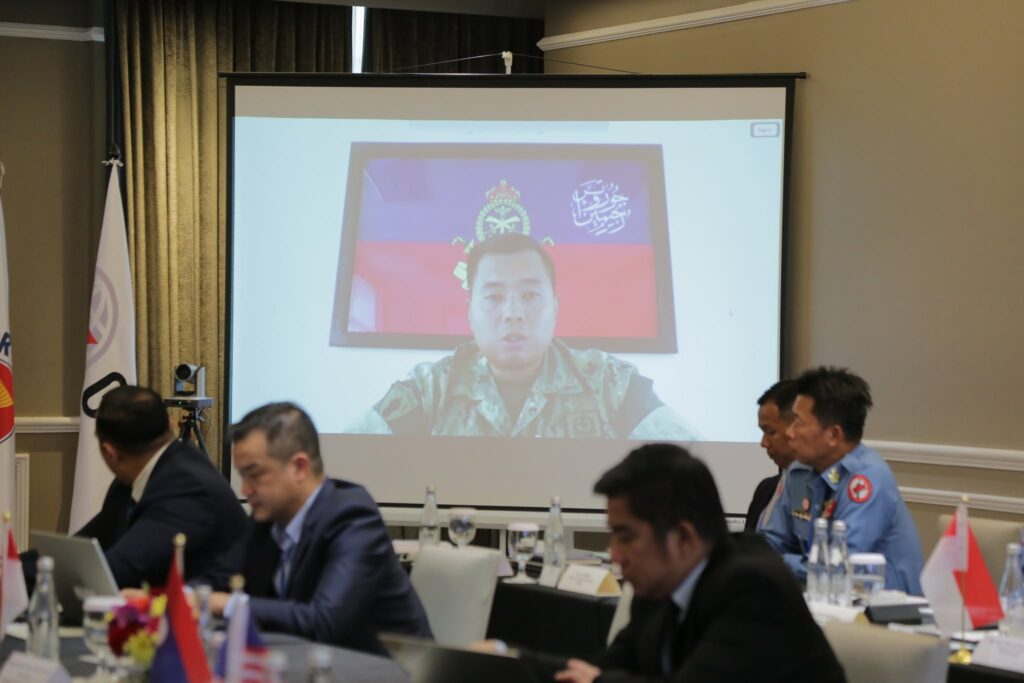
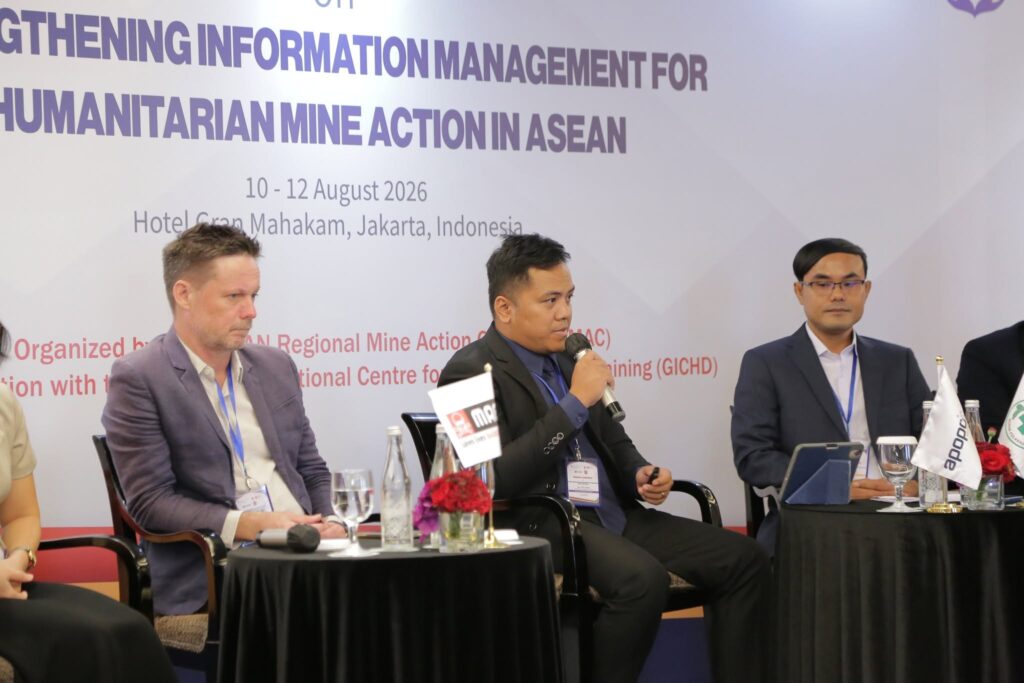
Session 7: Operator and Partner Dialogue – Field Realities, Reporting Workflows and Practical IM Gaps brought operational experience to the centre of the workshop, examining how information is collected, checked, analysed, shared and used from field activity through to national planning.
Moderated by H.E. Mr. Shaharuddin Bin Onn, Ambassador of Malaysia to the Kingdom of Cambodia and Vice-Chair of the ARMAC Steering Committee, the dialogue brought together perspectives from the Mines Advisory Group (MAG), Norwegian People’s Aid (NPA), APOPO, Quang Tri Mine Action Center (QTMAC) and the Mine Action Agency of the Republic of Azerbaijan (ANAMA).
Across the discussion, several practical themes converged:
Reliable information starts with reliable field processes. Standardised reporting workflows, quality assurance and validation are essential if data is to remain trusted throughout the operational cycle.
Digital tools, GIS, automation and other innovations can strengthen information management—but only when they respond to operational needs and are supported by clear processes, governance and people with the capacity to use them.
Interoperability also depends on collaboration. Operators and national authorities need practical ways to align reporting, exchange information and maintain consistency while respecting national ownership.
And regional cooperation can help by creating space for technical exchange, South-South learning, institutional partnerships and shared lessons across different operating environments.
Different organisations work in different contexts, but the principles remain remarkably consistent: good data, clear processes, strong coordination and information that supports decisions.
For the AIM Hub, this means regional value must remain grounded in operational reality.
Connecting ASEAN’s Emerging Priorities with International Experience
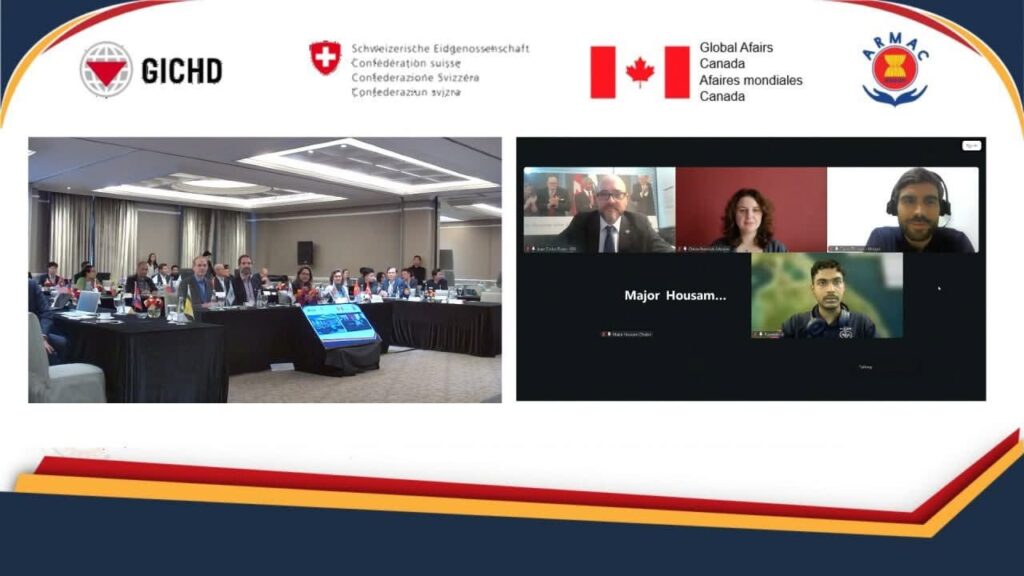
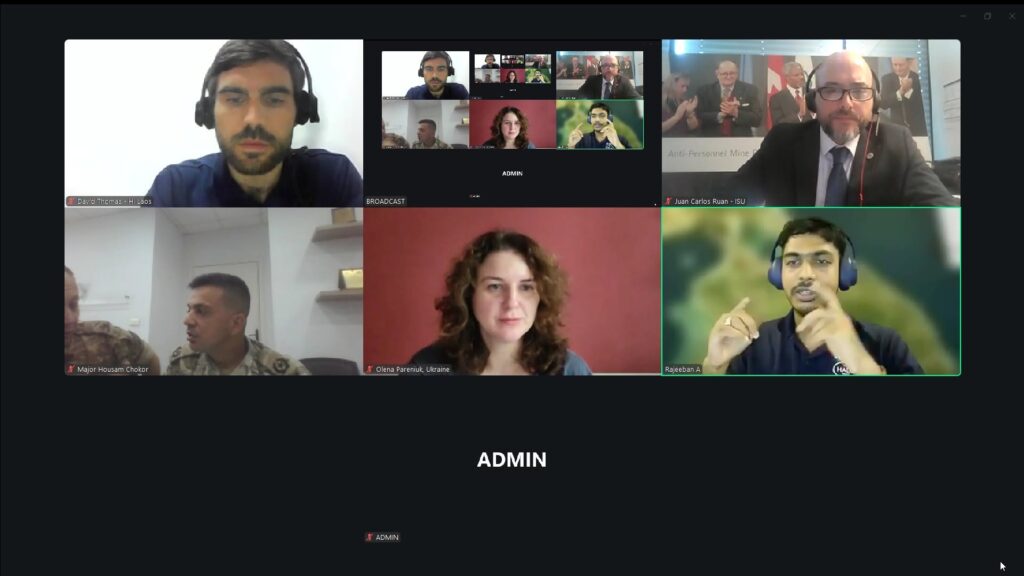
As the workshop moved from identifying regional needs towards shaping a practical AIM Hub, an international online panel provided an important opportunity to consider ASEAN’s emerging priorities alongside experiences from other mine action contexts.
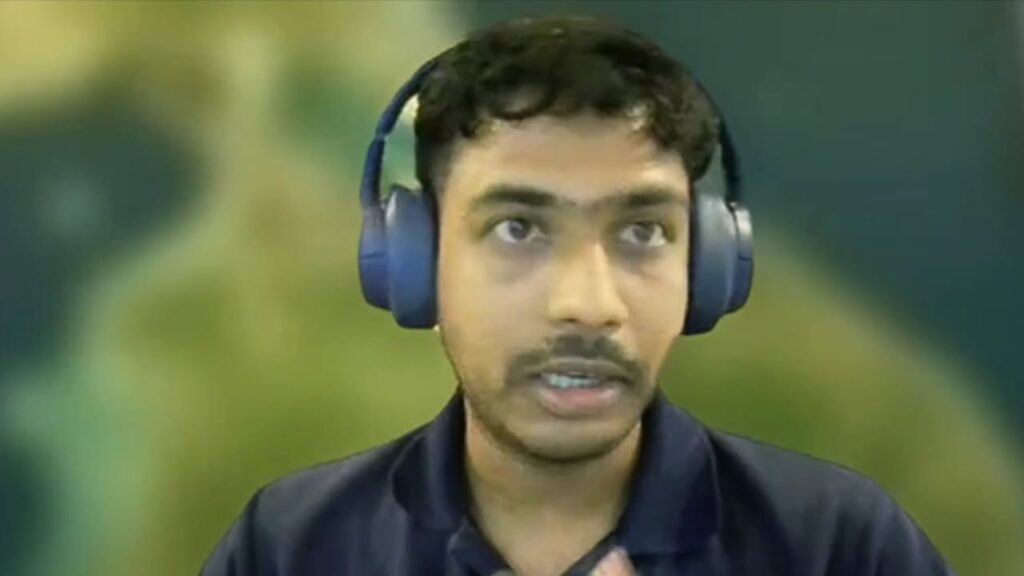
Moderated by Mr. Hans Risser, Country Director of Norwegian People’s Aid in Cambodia, the session brought together perspectives from Ukraine, the Lebanon Mine Action Center, Humanity & Inclusion, The HALO Trust, and the Implementation Support Unit of the Anti-Personnel Mine Ban Convention (APMBC-ISU).
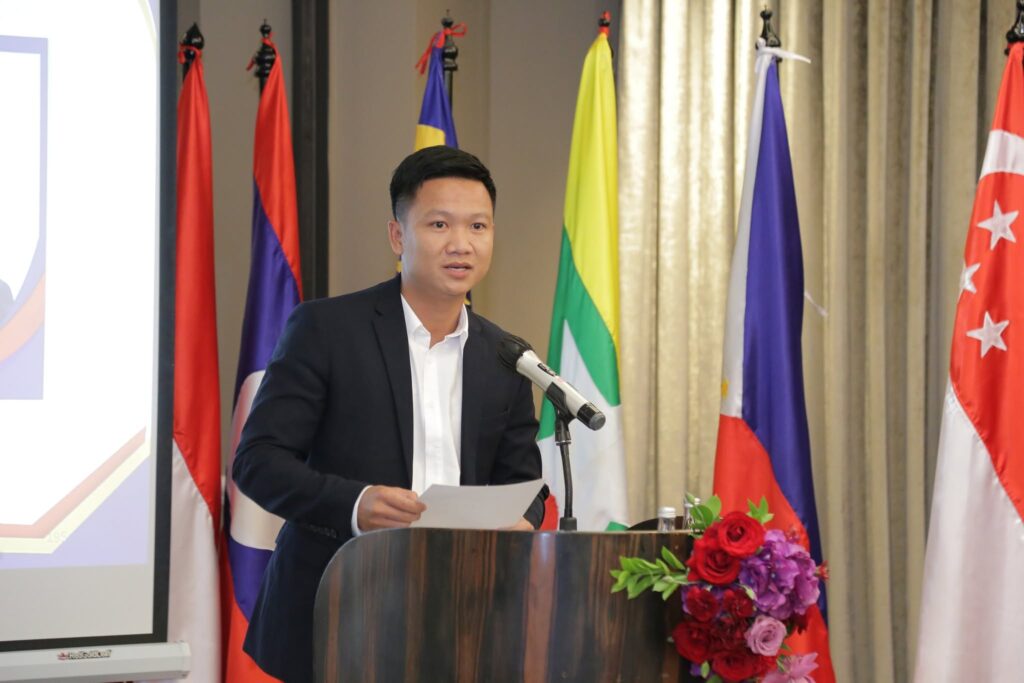
Dr. Olena Pareniuk shared Ukraine’s experience of managing mine action information at extraordinary scale, where prioritisation, integration with wider government data, and interoperability are critical to recovery and informed decision-making.
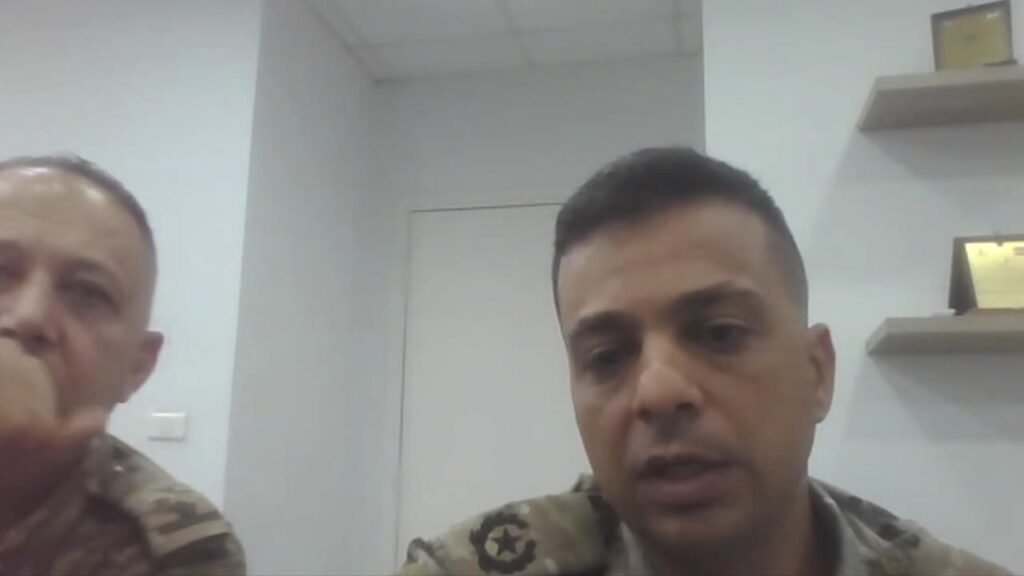
Major Houssam Chakor of the Lebanon Mine Action Center reflected on two decades of national information management development, emphasising strong national leadership, standardised workflows, structured validation, user-centred access, and progressive implementation.
Mr. David Thomas of Humanity & Inclusion brought an operational perspective from Lao PDR, reinforcing the importance of data quality, fit-for-purpose systems, and information that supports practical programme decisions.
The HALO Trust shared lessons from managing interoperability across global and programme-specific systems, including the value of common core data while retaining flexibility for local operational needs.
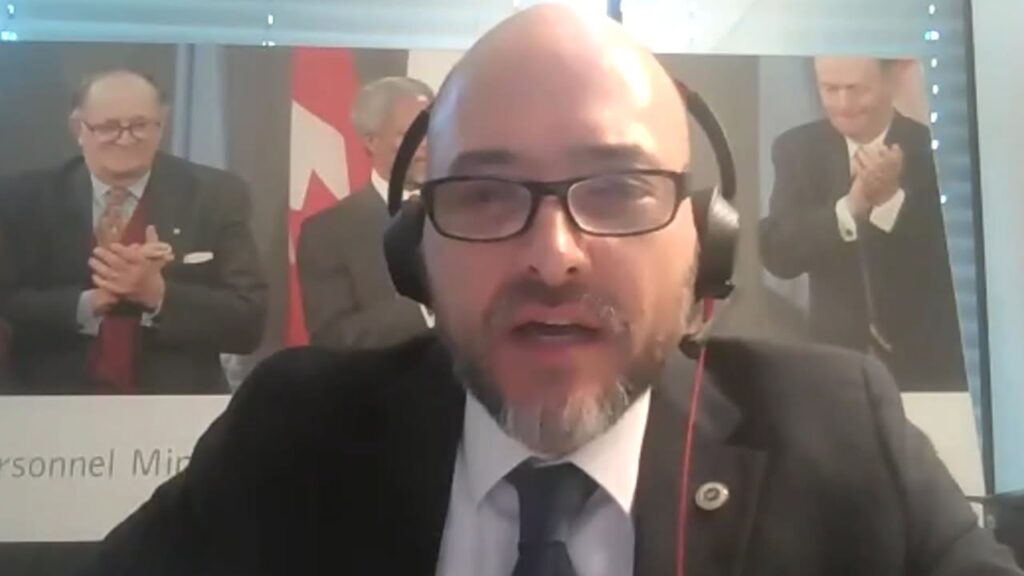
Mr. Juan Carlos Ruan, Director of the APMBC Implementation Support Unit, reflected on more than two decades of national reporting experience, highlighting data accuracy from the outset, appropriate disaggregation, community involvement, national ownership, and the value of collecting information that remains useful over time.
Across very different contexts, several common principles emerged strongly:
Trusted data. National ownership. Interoperability. Clear governance. Common standards. Continuous learning. Sustainable people and processes.
For ASEAN, these experiences reinforced an important direction emerging from the workshop: regional cooperation should strengthen national systems, not replace them.
Start with common principles and practical value. Keep the architecture flexible. And build progressively as trust, agreement, capacity, and regional needs evolve.
From Discussion to Design: ASEAN Participants Shape the AIM Hub
By the final day, the workshop moved beyond identifying challenges.
Participants were asked to design.
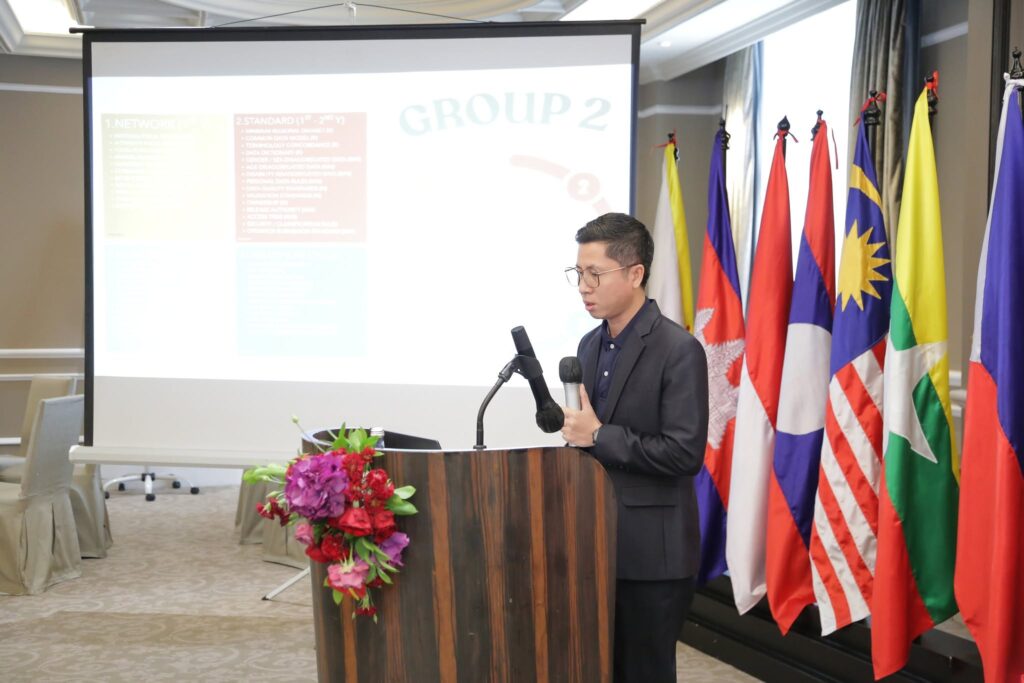
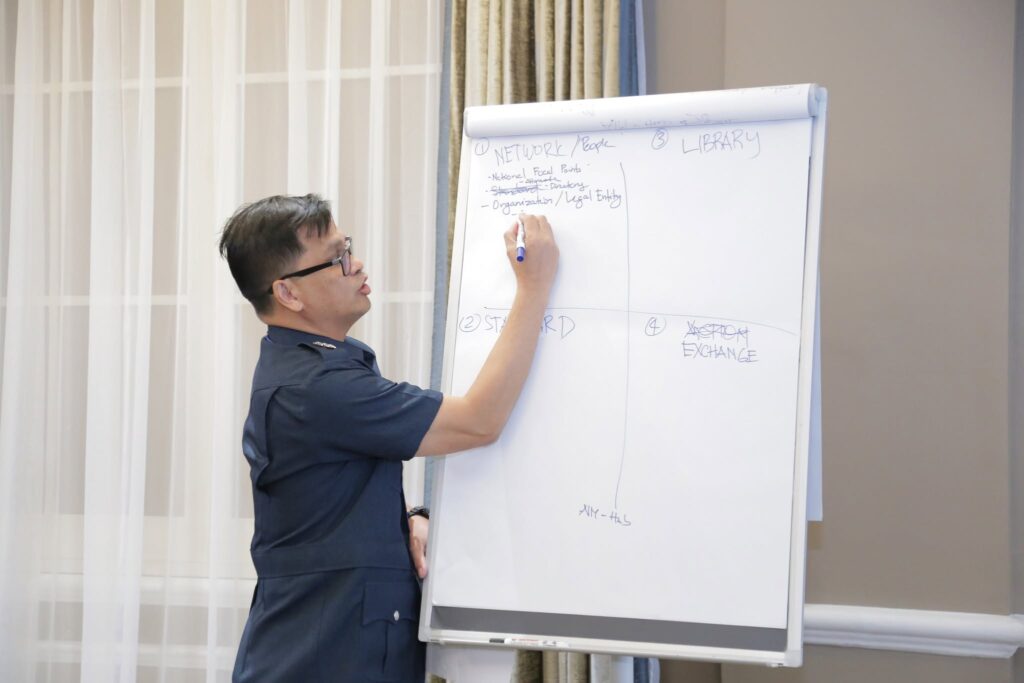
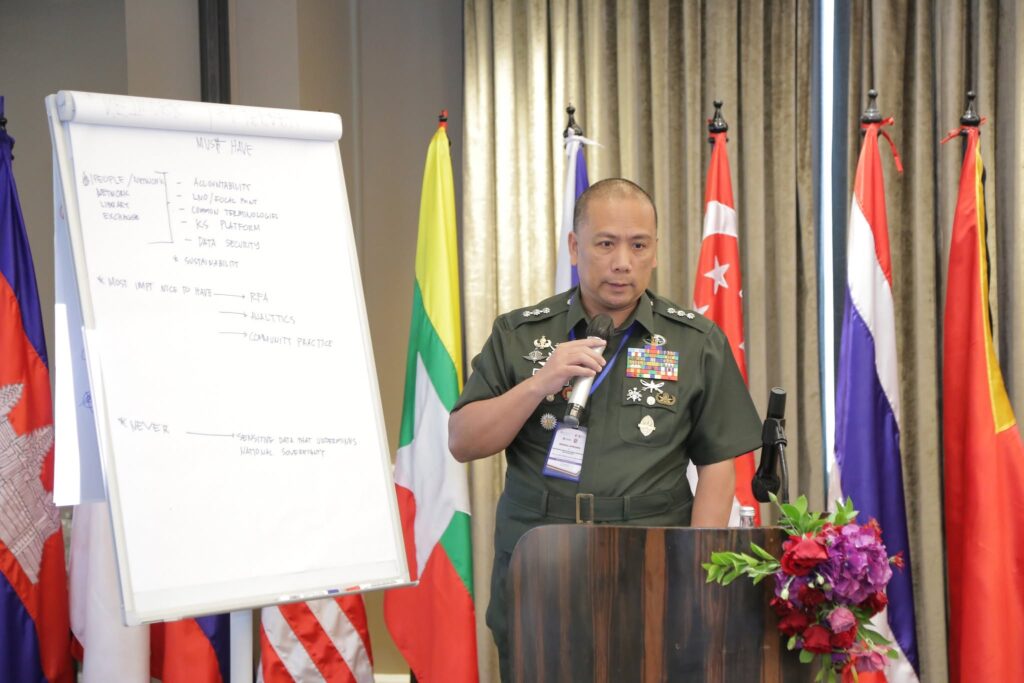
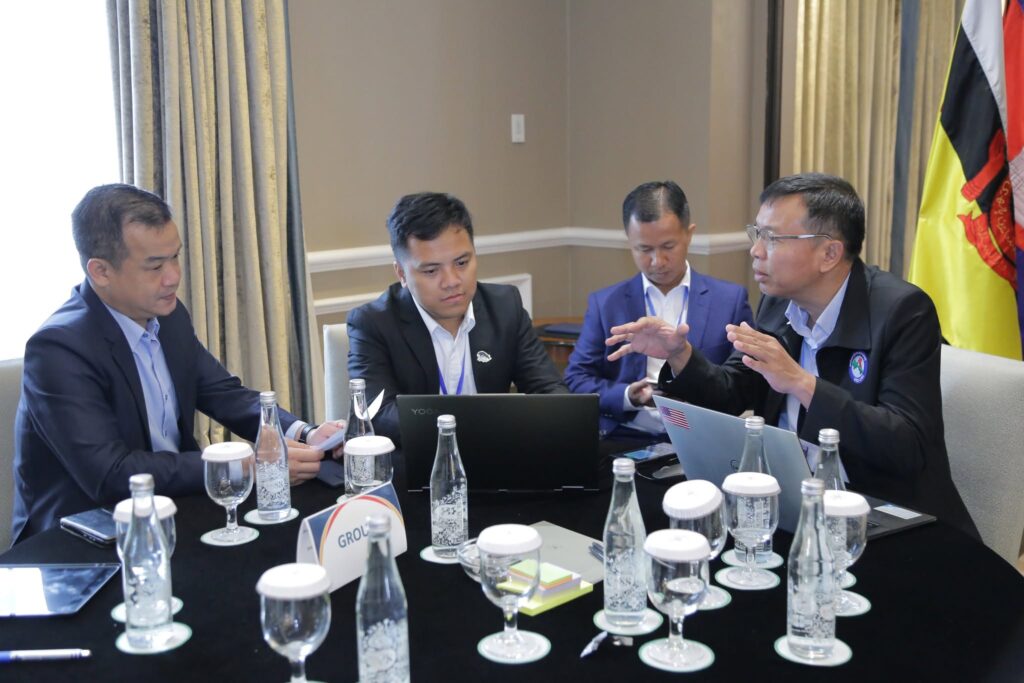
Across four breakout groups, ASEAN Member States and partners worked through a practical sequence: identify regional priorities, distinguish what must remain national, define the AIM Hub’s essential functions, set clear boundaries on what it must never do, and place those priorities on a realistic roadmap.
The exercise was organised around four pillars:
NETWORK — people, focal points, coordination and capacity
LIBRARY — knowledge, guidance, templates and lessons
STANDARD — common terminology, data quality, governance and minimum regional requirements
EXCHANGE — agreed ways to share, analyse and use regional information
Across the group results, strong areas of convergence emerged.
The AIM Hub should have clear focal points and coordination mechanisms. It should support common terminology, standards, templates, data quality, knowledge sharing, technical support and sustainable capacity. At the same time, participants were equally clear about the boundaries.
The Hub must not replace national systems. It must not change national figures, bypass national authorities, direct operations, create duplicate reporting, centralise sensitive information or enable unauthorised publication or data sharing.
The roadmap also reflected a progressive approach.
Some actions can begin early: focal point nomination, directories, technical working arrangements, knowledge exchange and regional dialogue.
Others require a stronger foundation: common terminology, SOPs, validation tools, data dictionaries, governance arrangements and sustainability planning.
Information-sharing protocols, validation authority, access rules, security arrangements and agreed regional datasets require Member State agreement.
More advanced functions—regional platforms, dashboards, analytics, automated exchange and AI applications—belong later, once trust, governance and capacity are mature enough to support them.
This was not a theoretical design exercise.
It was ASEAN participants defining what regional value should look like—and, just as importantly, where regional cooperation should stop.
07 Jul
The ASEAN Regional Mine Action Center (ARMAC) successfully convened the Seventh Technical Working Group (TWG) Meeting
The ASEAN Regional Mine Action Center (ARMAC) successfully convened the Seventh Technical Working Group (TWG) Meeting on the Revision of ARMAC’s Terms of Reference (TOR) in a hybrid format, bringing together representatives of ASEAN Member States for constructive discussions aimed at strengthening ARMAC’s institutional framework and enhancing regional cooperation in humanitarian mine action.
The Meeting was chaired by H.E. Mrs. Flerida Ann Camille P. Mayo, Ambassador Extraordinary and Plenipotentiary of the Republic of the Philippines to the Kingdom of Cambodia and Chair of the ARMAC Steering Committee. ARMAC extends its sincere appreciation to H.E. Ambassador Mayo for her exemplary leadership and guidance in chairing the Meeting and facilitating the constructive and consensus-based deliberations among ASEAN Member States.
ARMAC also extends its sincere appreciation to all ASEAN Member States for their active participation, valuable contributions, and continued commitment throughout the review process. The Meeting marked another important milestone in the ongoing revision of ARMAC’s Terms of Reference, aimed at strengthening the Centre’s governance, effectiveness, and role in supporting regional cooperation in humanitarian mine action.
ARMAC looks forward to continued collaboration with ASEAN Member States as the revision process advances towards its conclusion.
22 Jun
The ASEAN Defence Ministers’ Meeting Plus (ADMM-Plus),
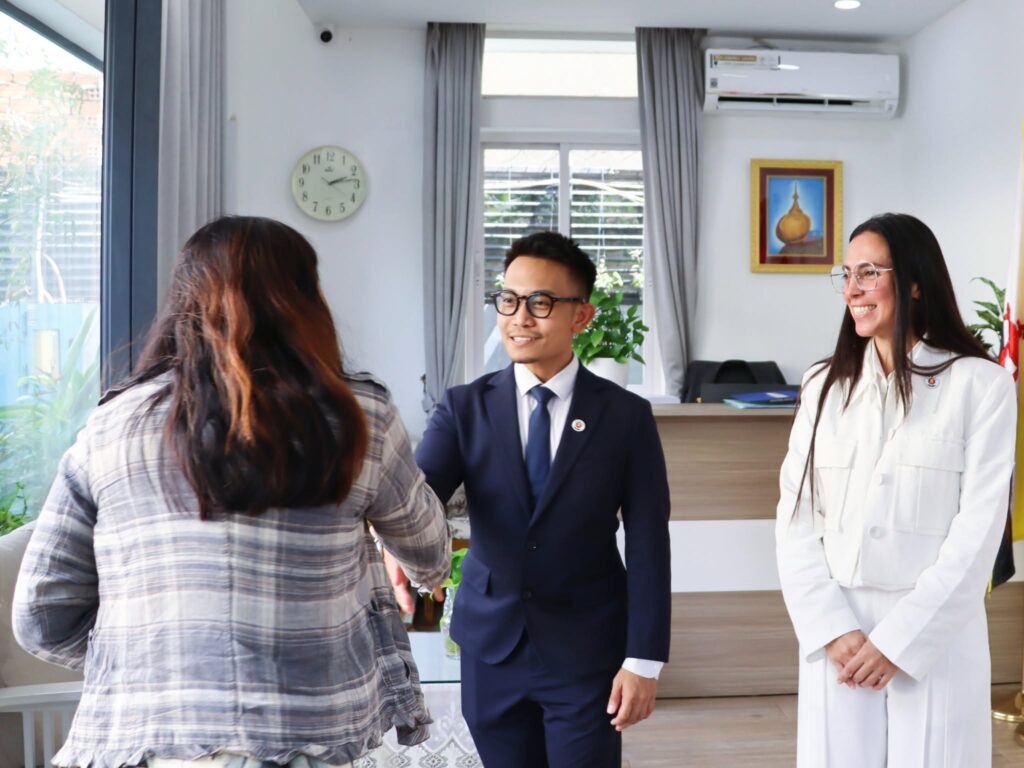
The ASEAN Regional Mine Action Center (ARMAC) held a meeting with H.E. U Kyaw Soe Min, Ambassador Extraordinary and Plenipotentiary of the Republic of the Union of Myanmar to the Kingdom of Cambodia, in Phnom Penh.
The meeting provided an opportunity for a constructive exchange, during which ARMAC shared its mandate and ongoing regional efforts to address the humanitarian aspects of mine action.
ARMAC remains committed to supporting humanitarian mine action efforts in an inclusive manner, in line with ASEAN principles and the ASEAN Community Vision 2045.
17 Jun
The ASEAN Regional Mine Action Center (ARMAC) successfully convened the 6th Technical Working Group (TWG) Meeting
The ASEAN Regional Mine Action Center (ARMAC) successfully convened the 6th Technical Working Group (TWG) Meeting on the Revision of ARMAC’s Terms of Reference (TOR) in a hybrid format, bringing together representatives of ASEAN Member States for constructive discussions and exchanges.
The Meeting was chaired by H.E. Mrs. Flerida Ann Camille P. Mayo, Ambassador Extraordinary and Plenipotentiary of the Republic of the Philippines to the Kingdom of Cambodia and Chair of the ARMAC Steering Committee.
ARMAC extends its sincere appreciation to all ASEAN Member States for their active participation, valuable contributions, and continued commitment throughout the process. The Meeting reflected the ASEAN spirit of consultation, consensus, and cooperation, contributing to further progress in the ongoing review of ARMAC’s Terms of Reference.
ARMAC looks forward to continued collaboration with ASEAN Member States in the next phase of the process.
© ARMAC 2023 . All rights reserved.