Blog

30 Oct
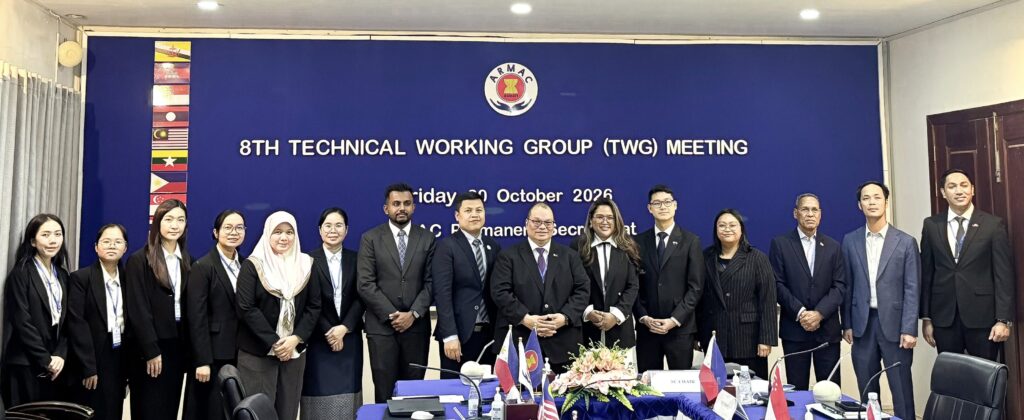
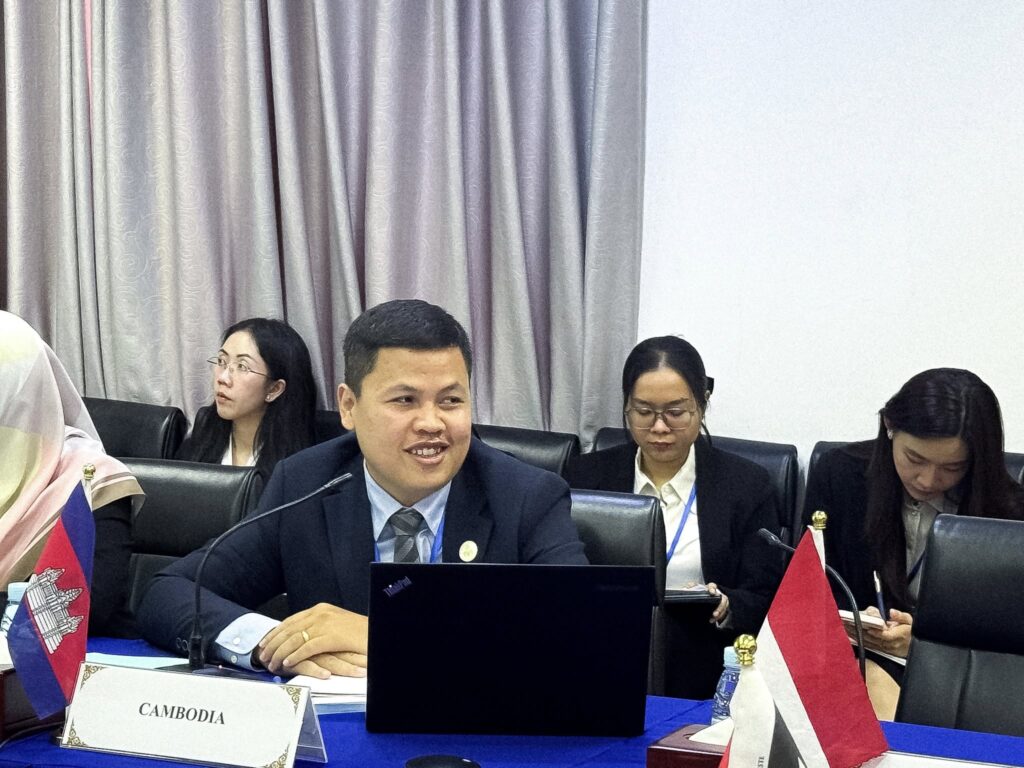
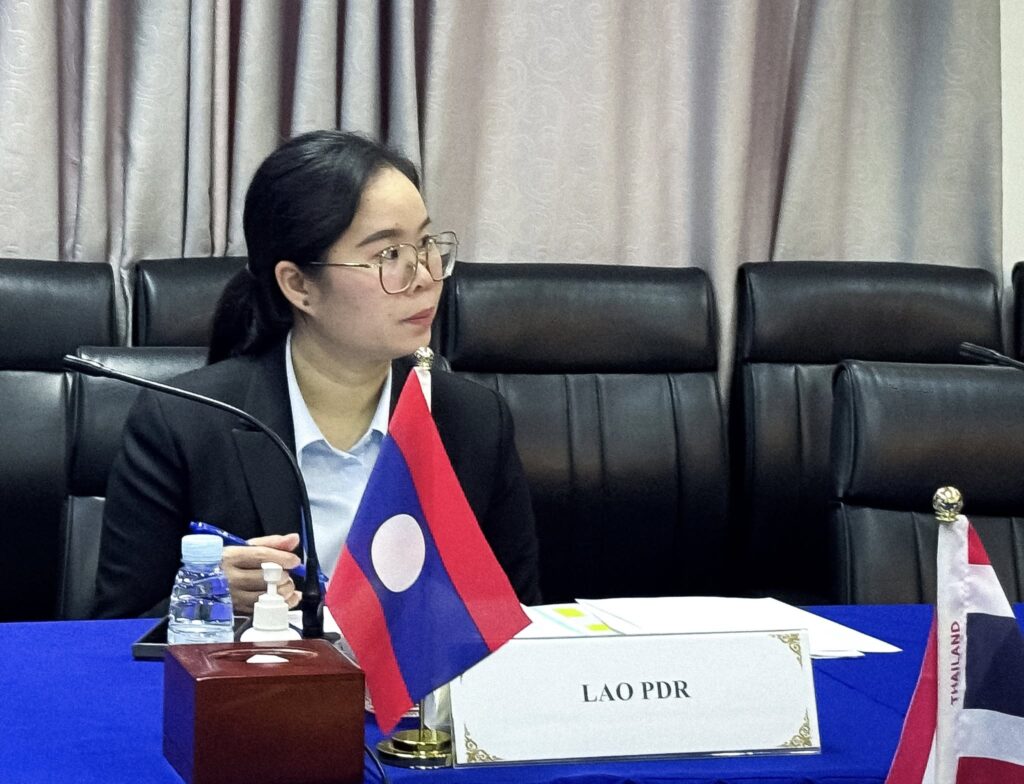
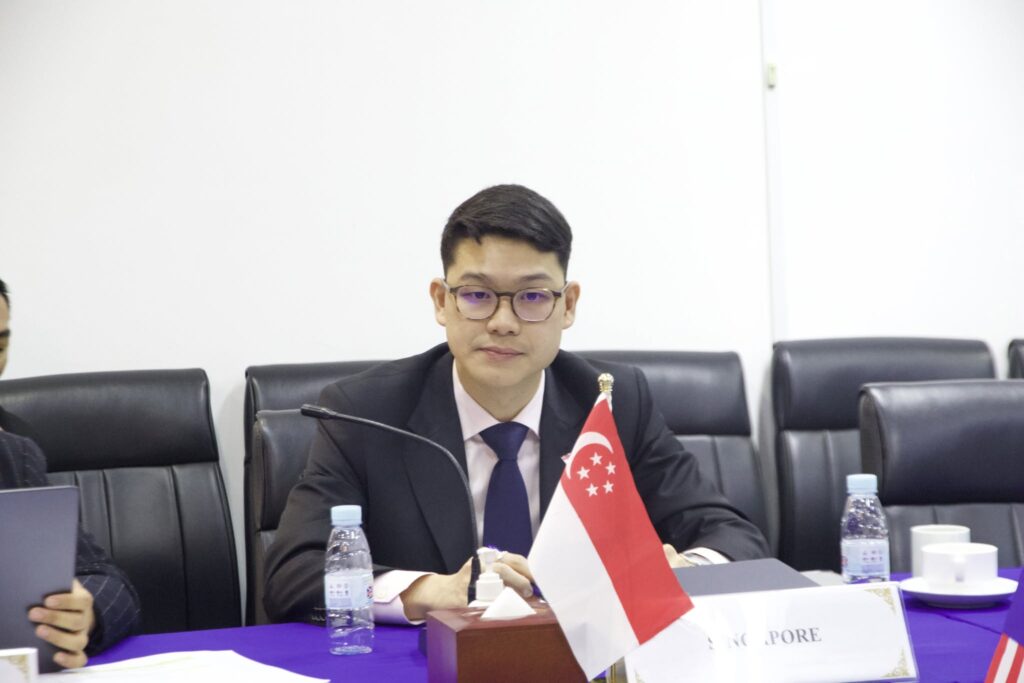
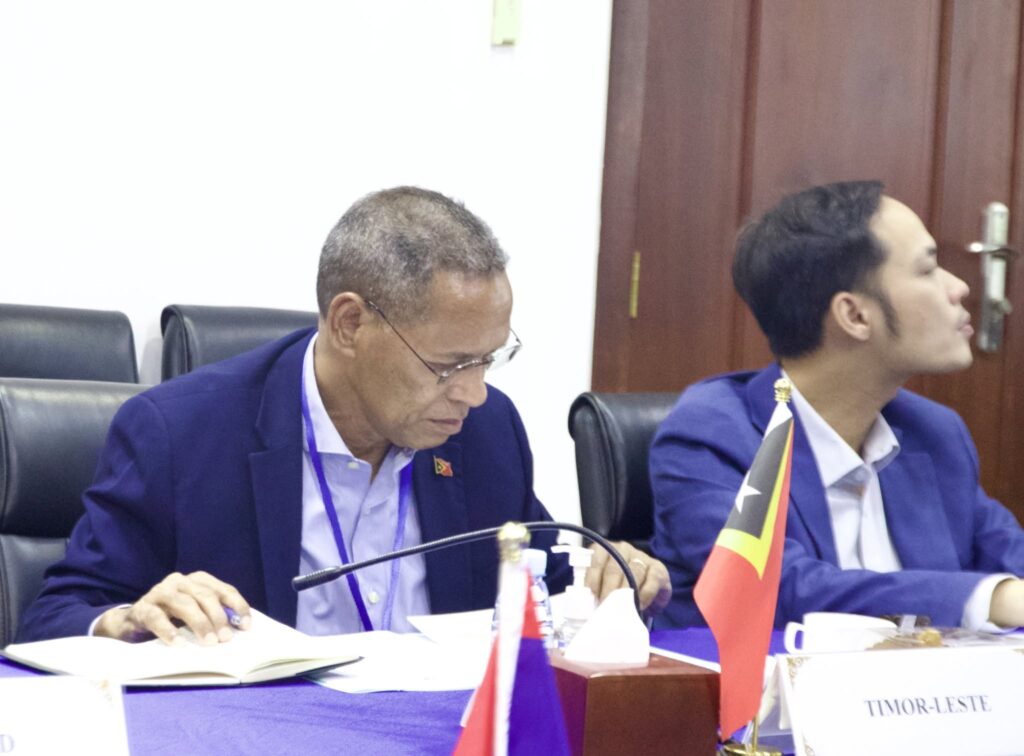
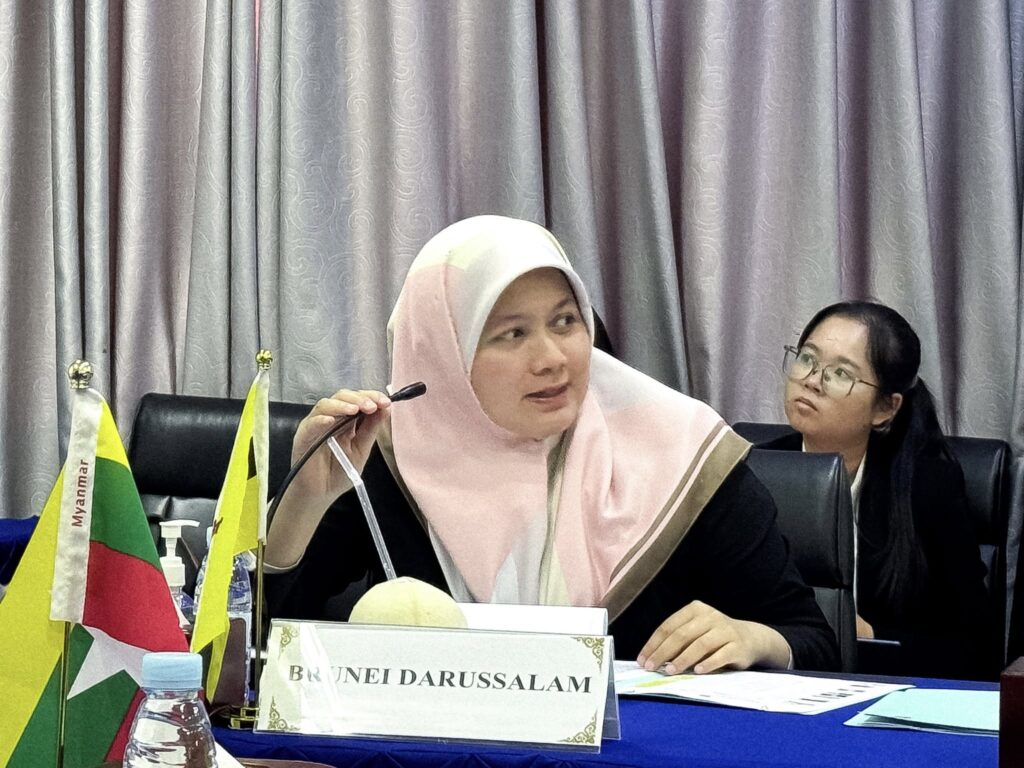
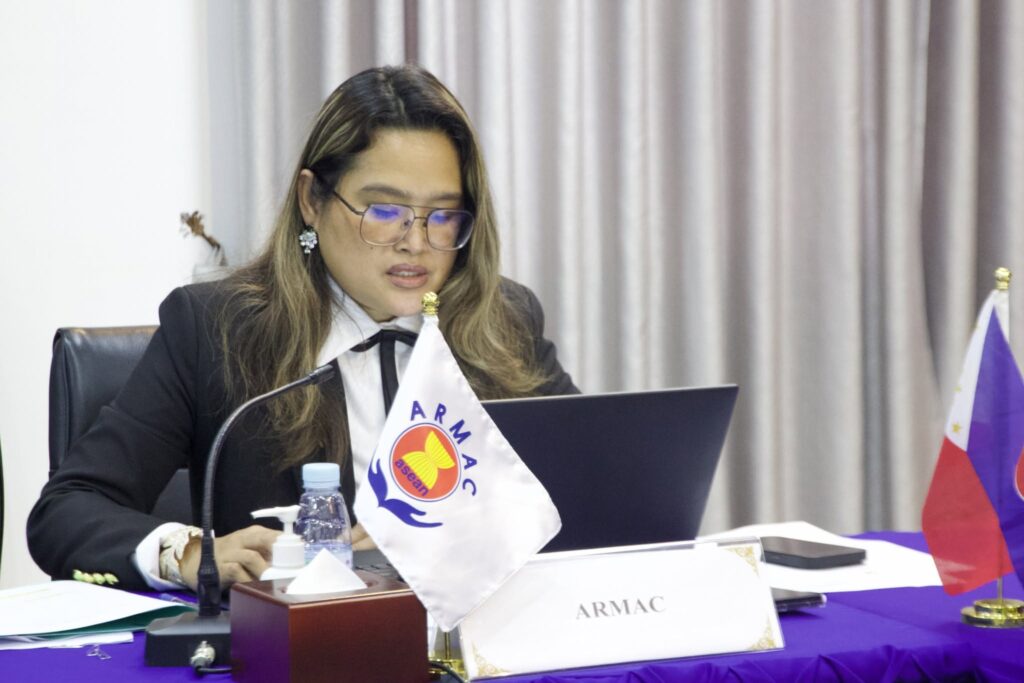
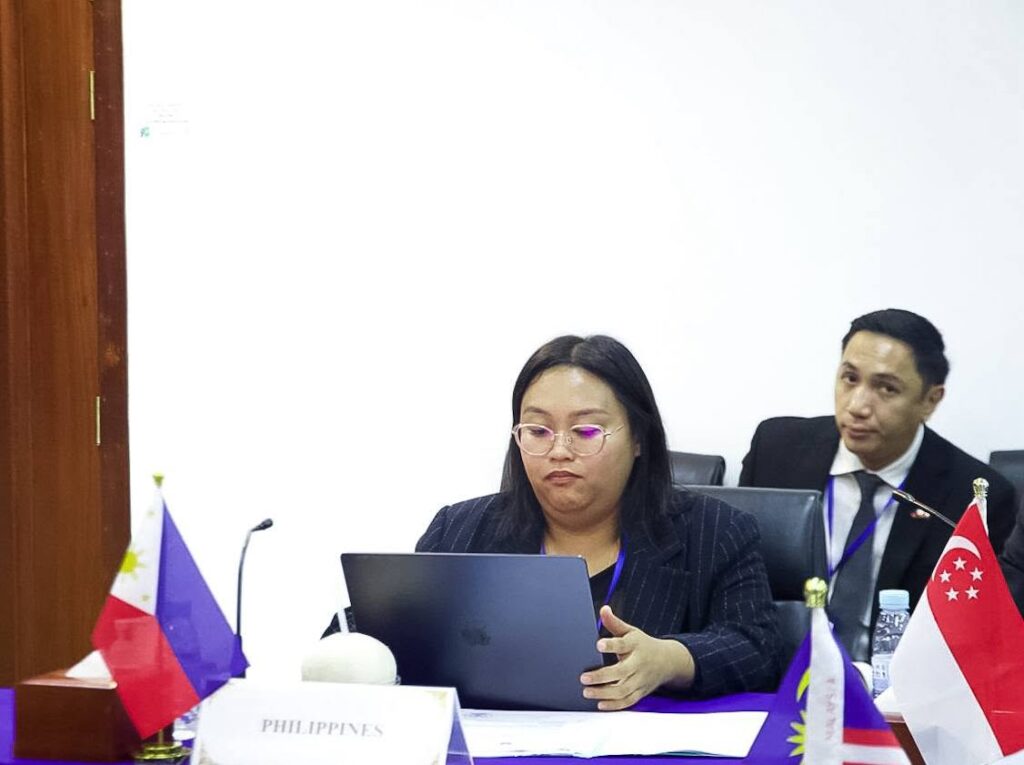
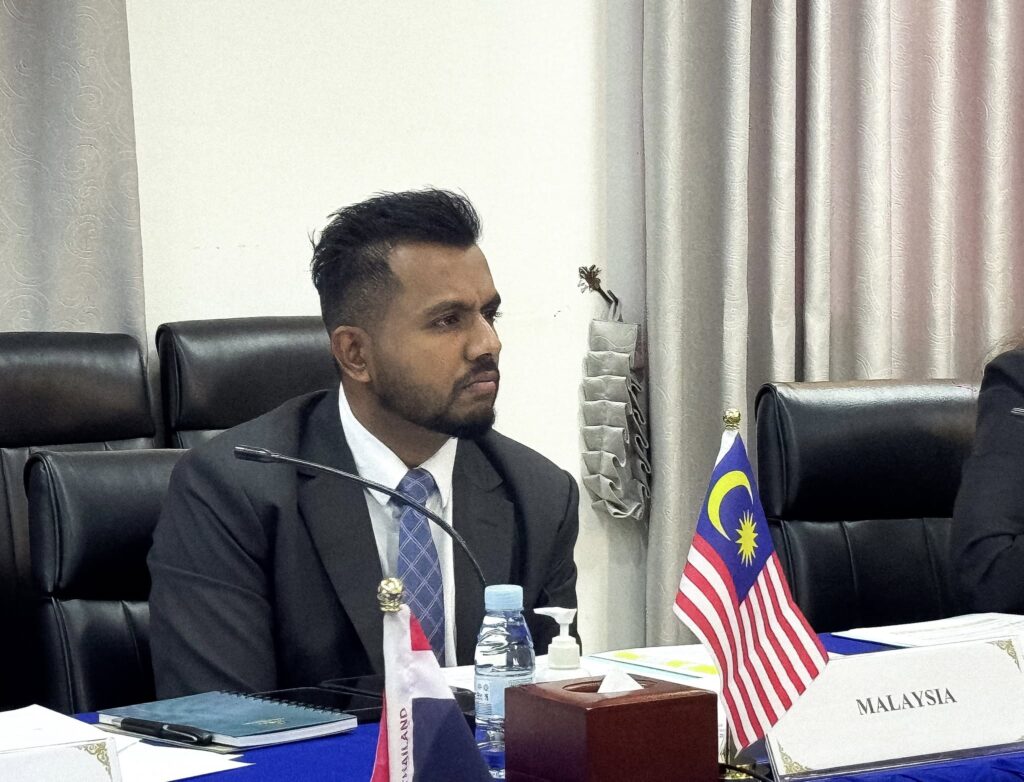
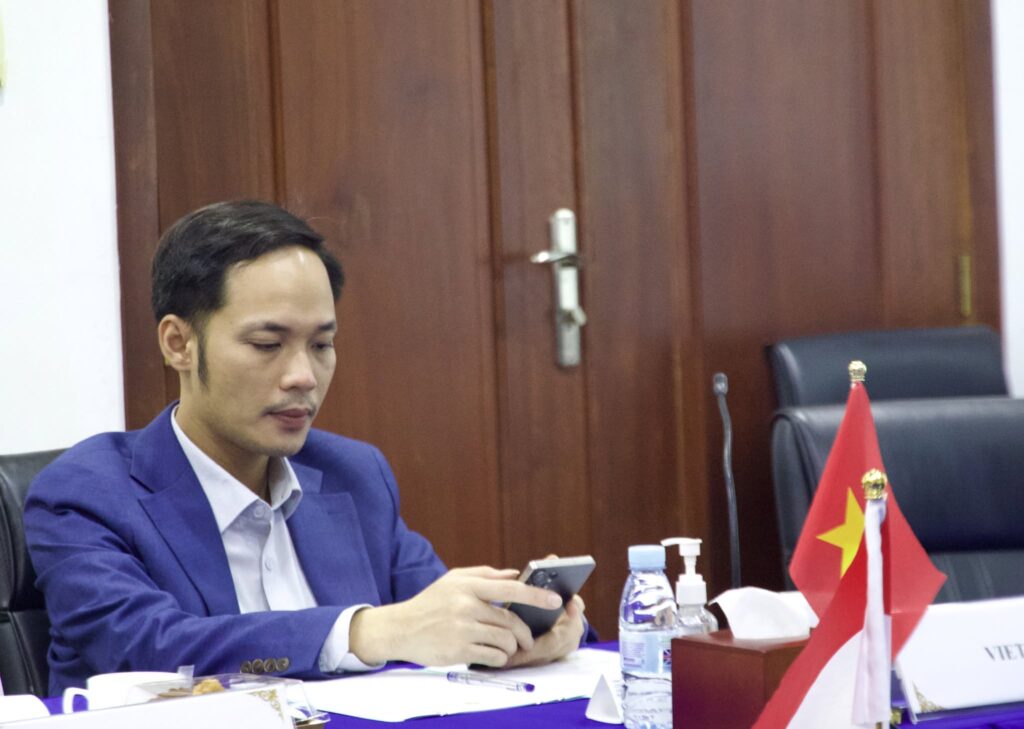
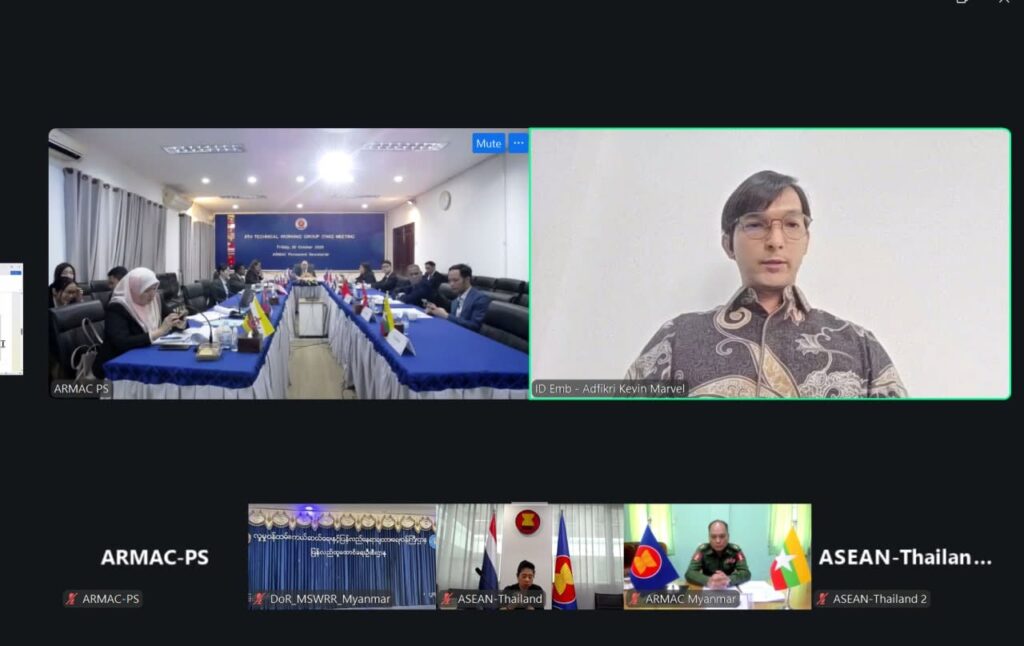
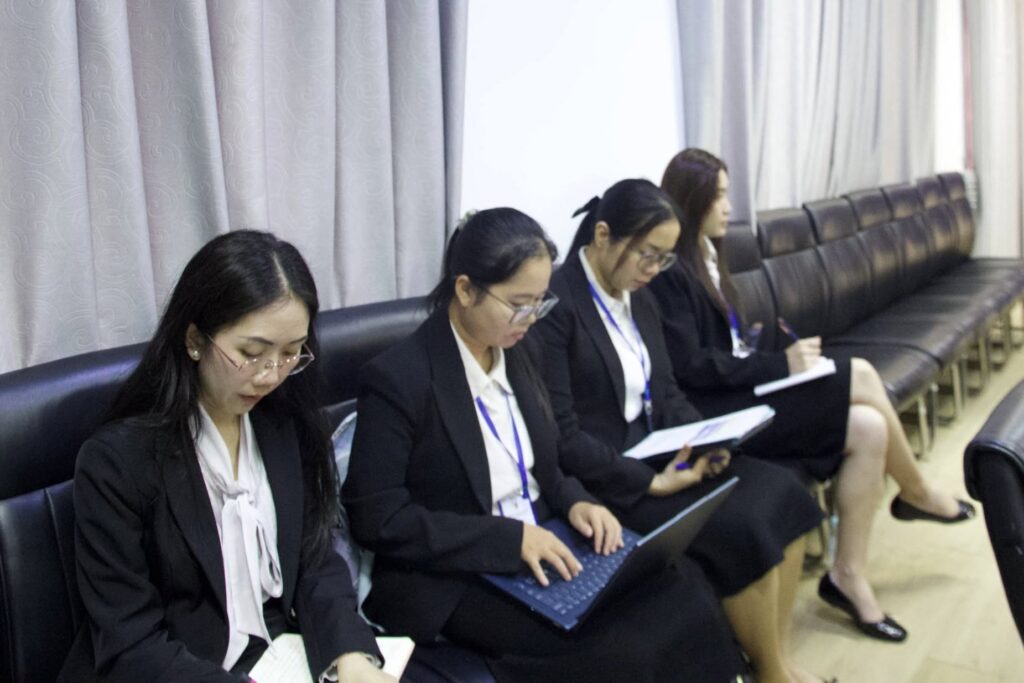
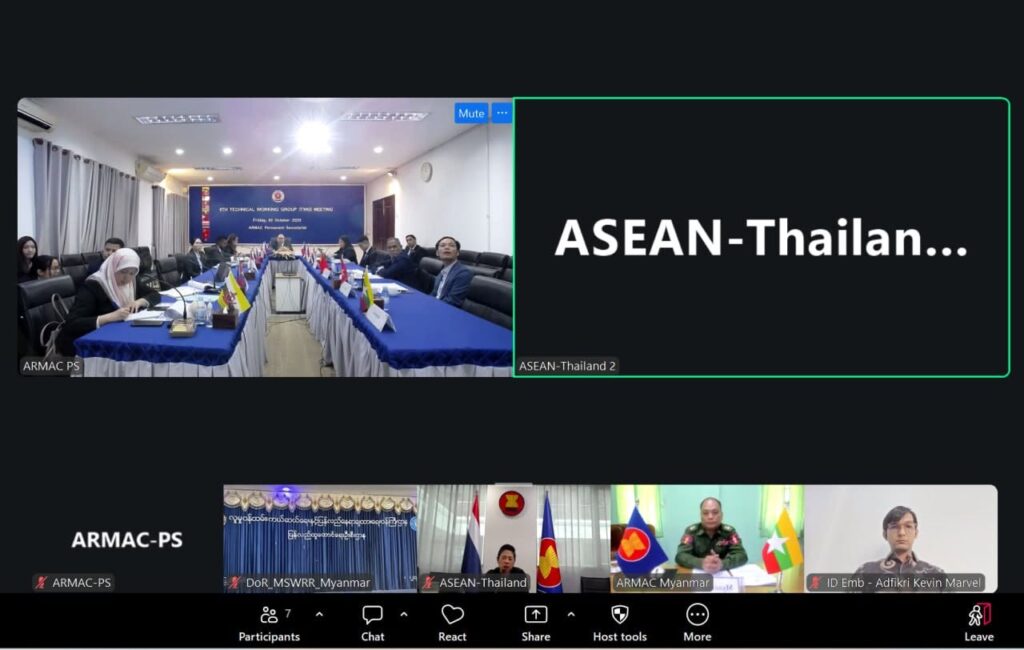
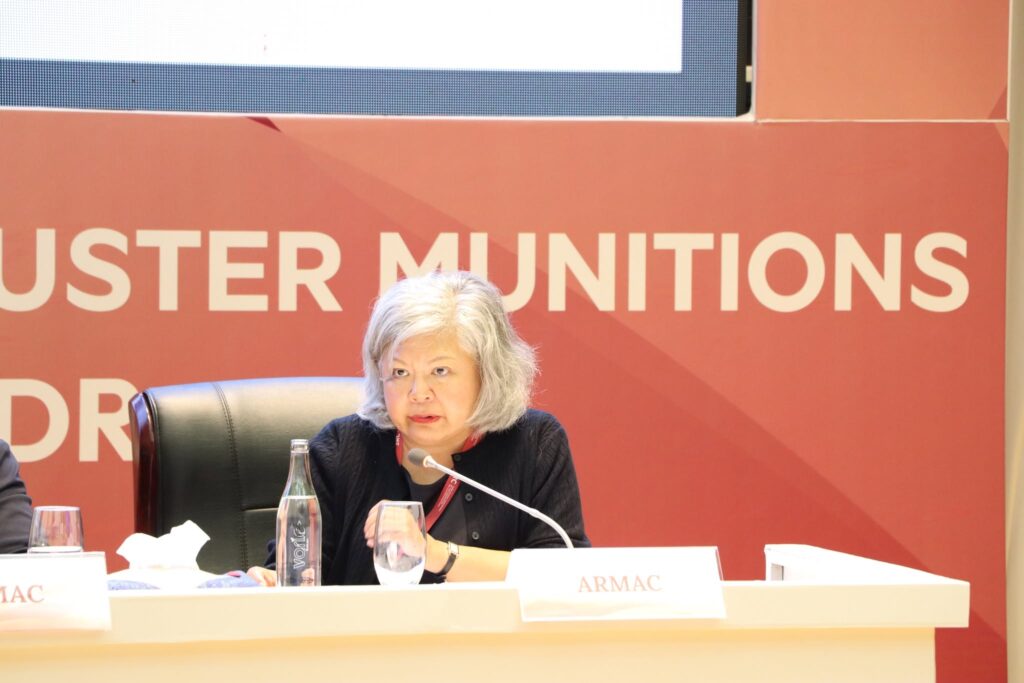
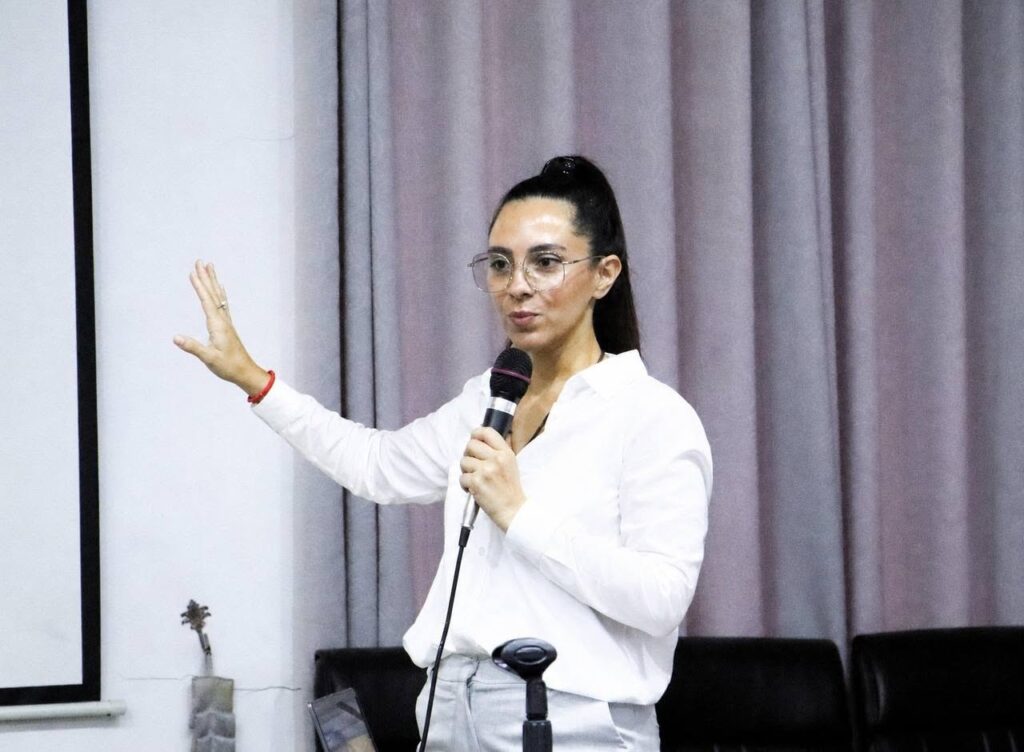
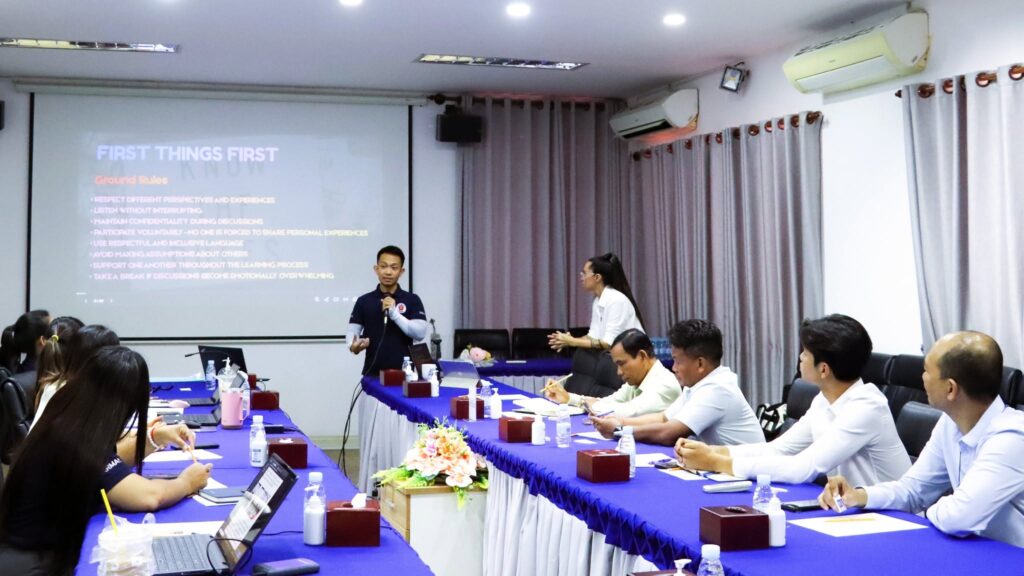
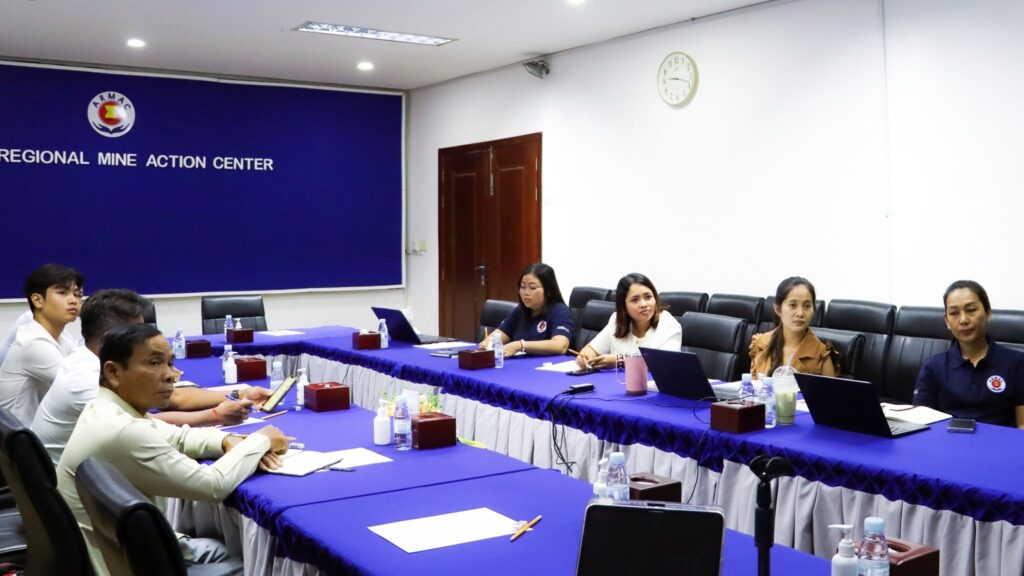
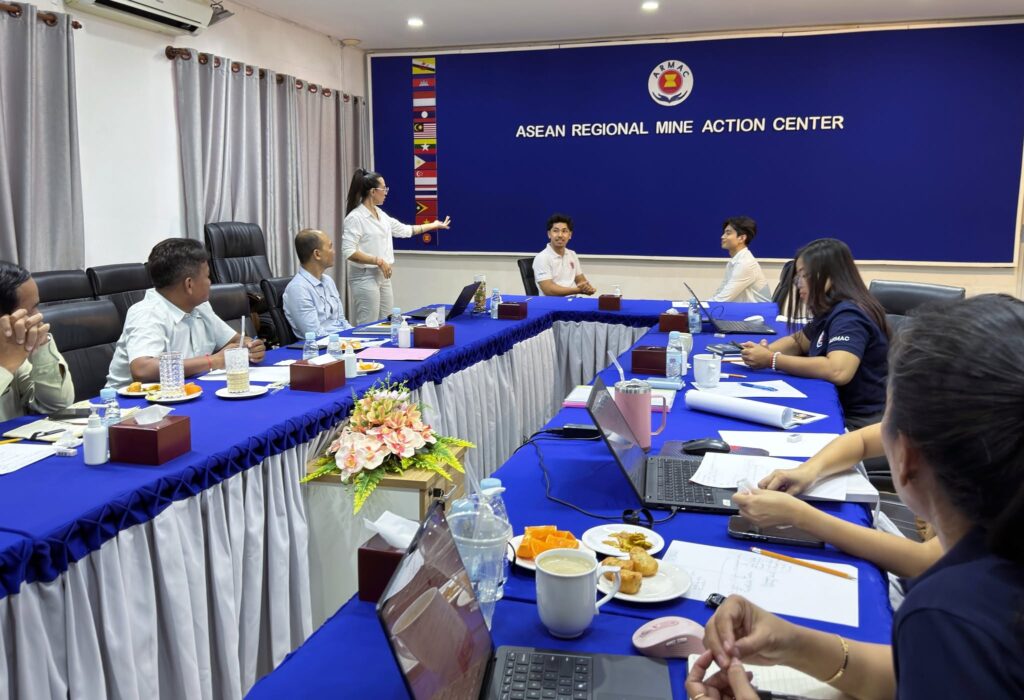
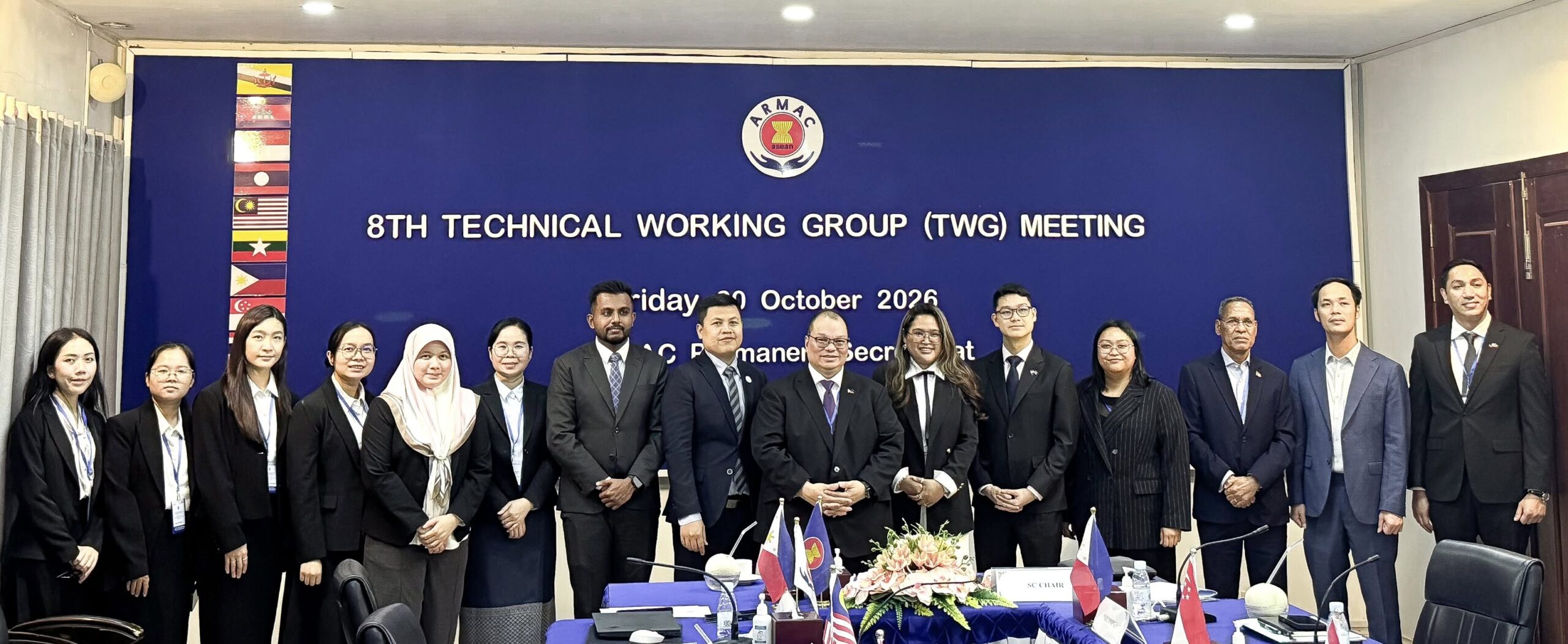
the ASEAN Regional Mine Action Center (ARMAC) convened its 8th Technical Working Group (TWG) Meeting in a hybrid format, bringing together representatives of ASEAN Member States to continue consultations on strengthening ARMAC’s institutional framework
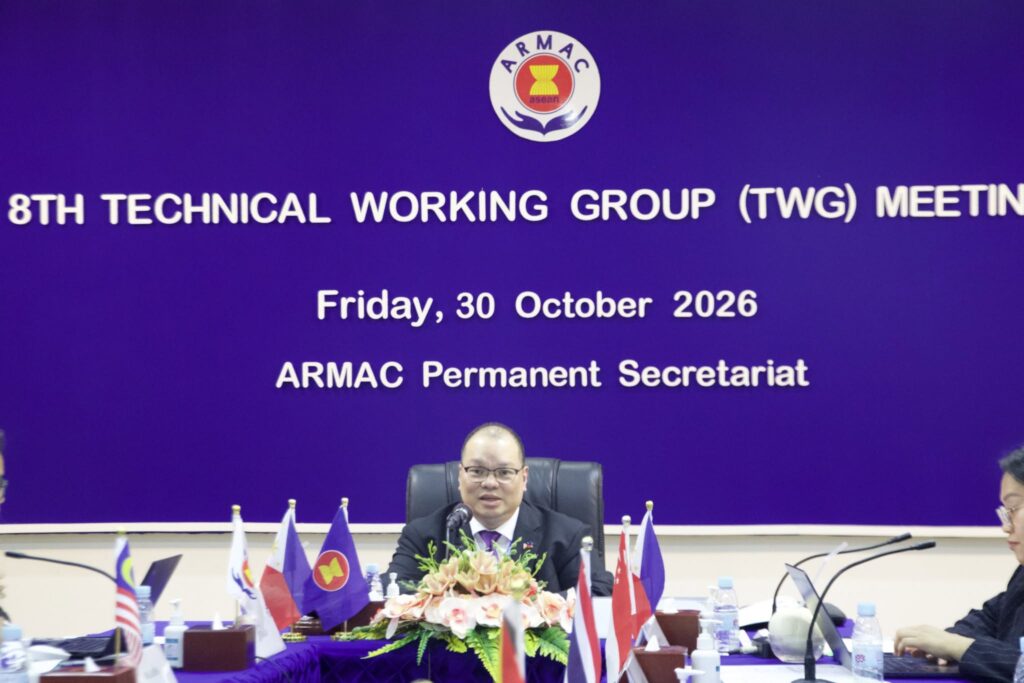
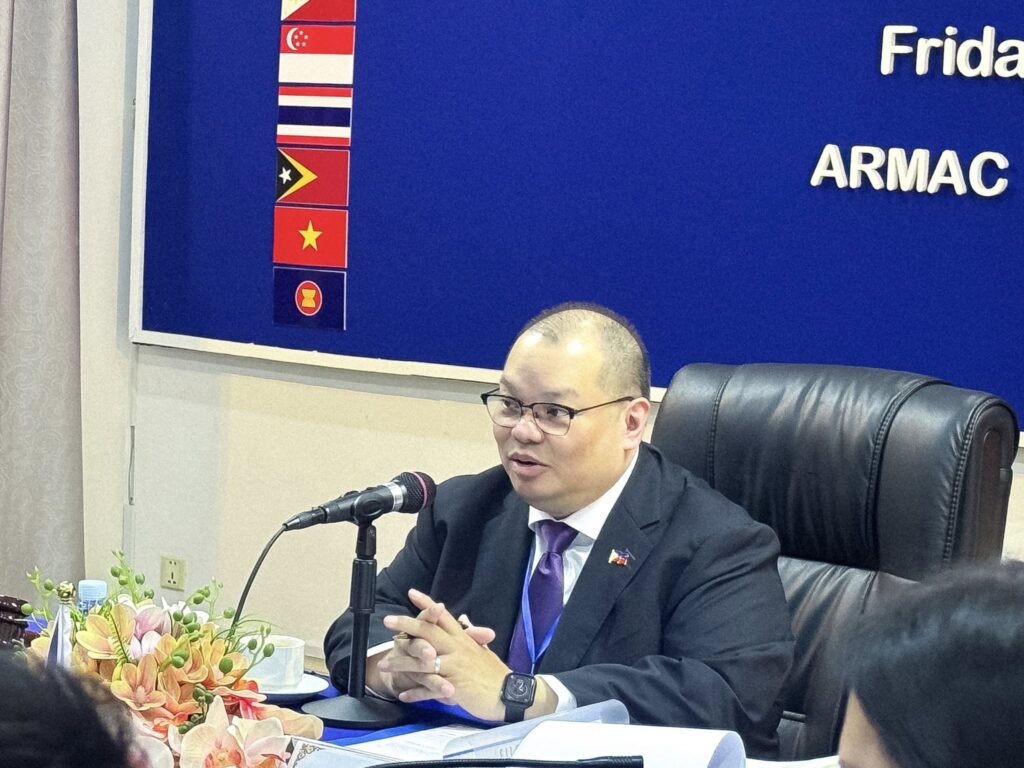
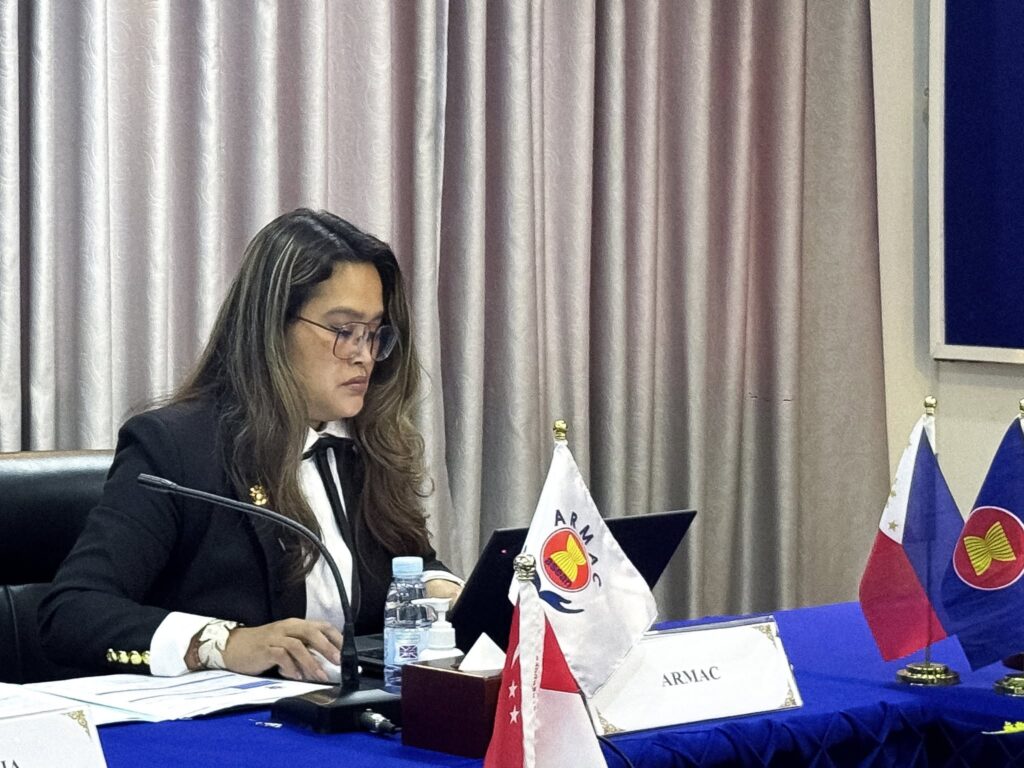
On 30 October 2026, the ASEAN Regional Mine Action Center (ARMAC) convened its 8th Technical Working Group (TWG) Meeting in a hybrid format, bringing together representatives of ASEAN Member States to continue consultations on strengthening ARMAC’s institutional framework.
The meeting was chaired by H.E. Senen T. Mangalile, Ambassador of the Republic of the Philippines to the Kingdom of Cambodia, marking His Excellency’s first time presiding over the ARMAC TWG.
ARMAC extends its warm congratulations to His Excellency on assuming the Chairmanship of the ARMAC Steering Committee and expresses its sincere appreciation for his leadership and guidance.
ARMAC also extends its gratitude to all participating ASEAN Member States for their constructive engagement, valuable perspectives, and continued commitment to regional cooperation.
Through continued dialogue and collaboration, ARMAC remains committed to strengthening its regional role and supporting ASEAN’s collective efforts towards safer communities and a future free from the threats of landmines and explosive remnants of war.
30 Oct
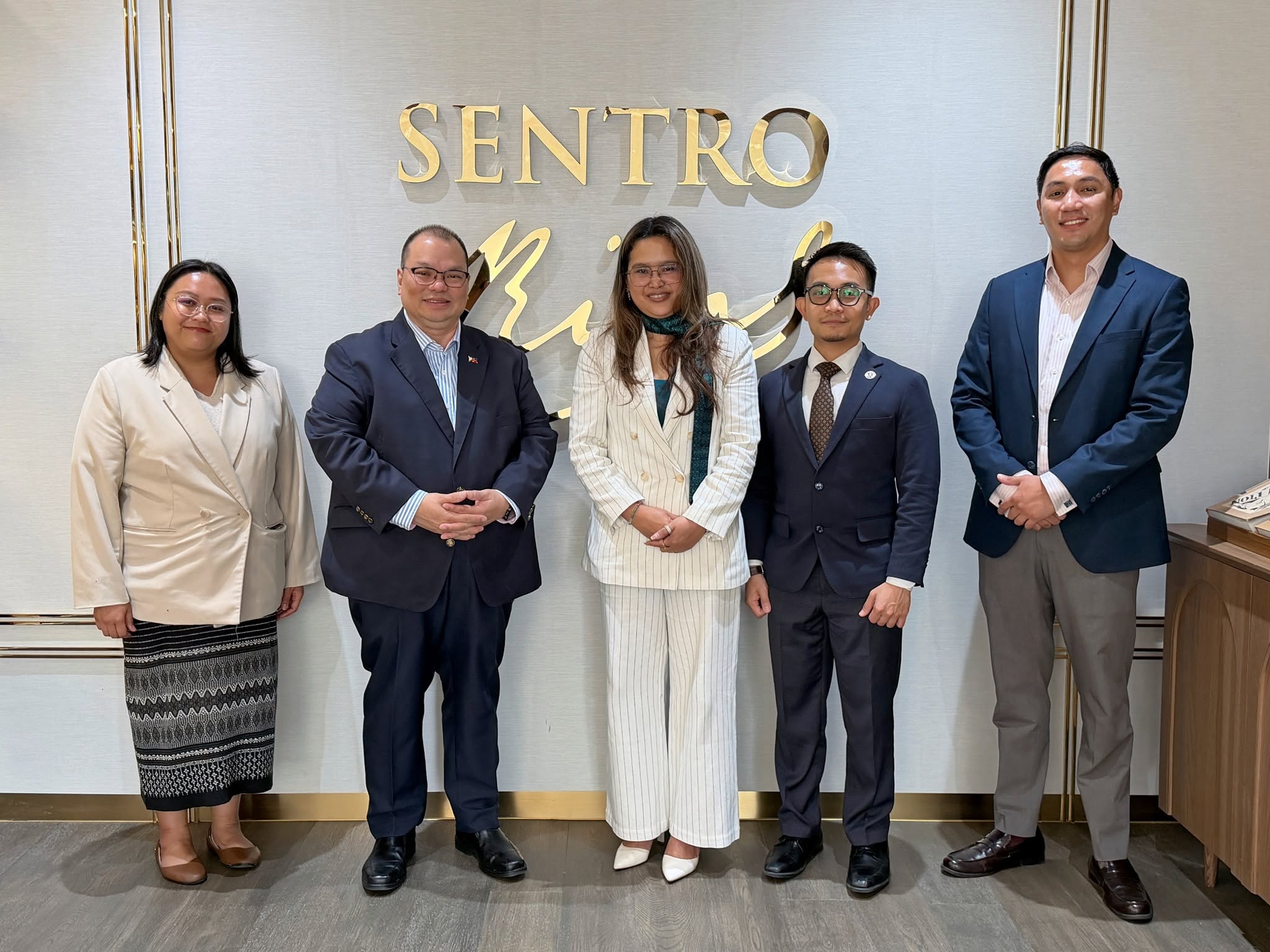
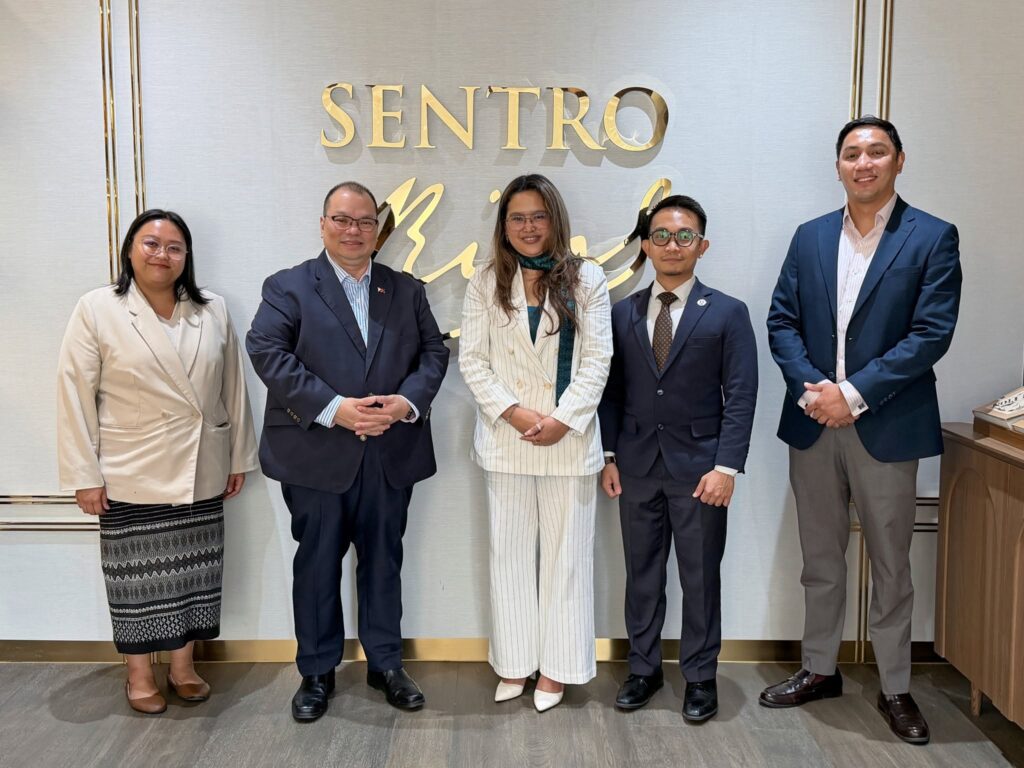
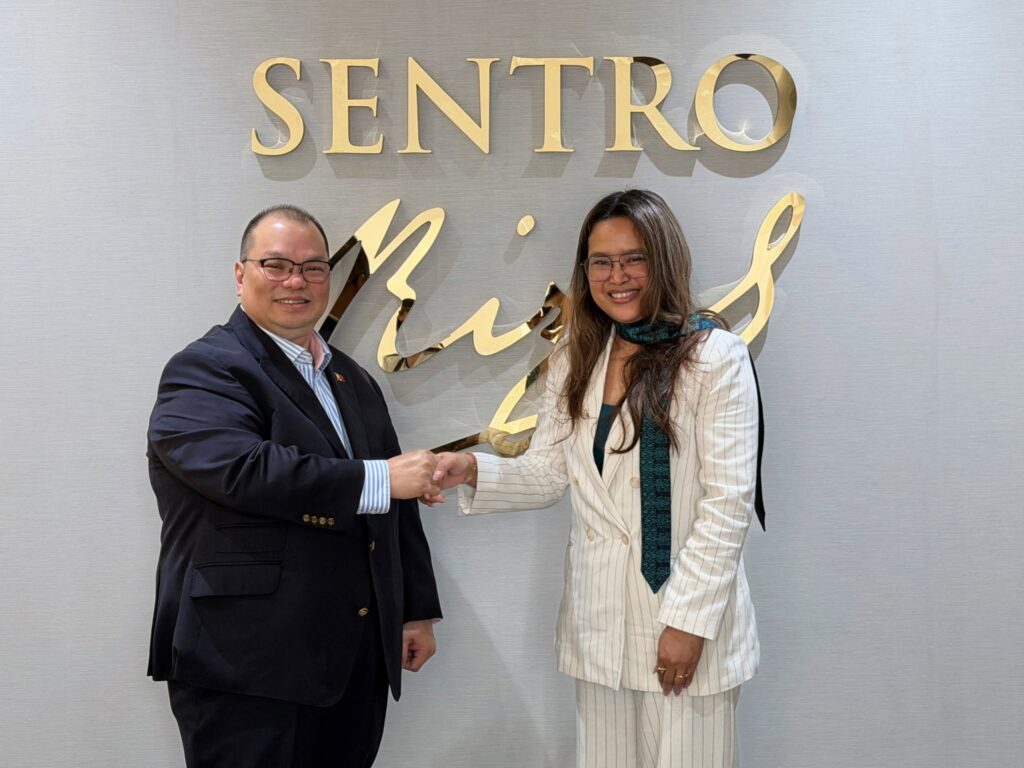
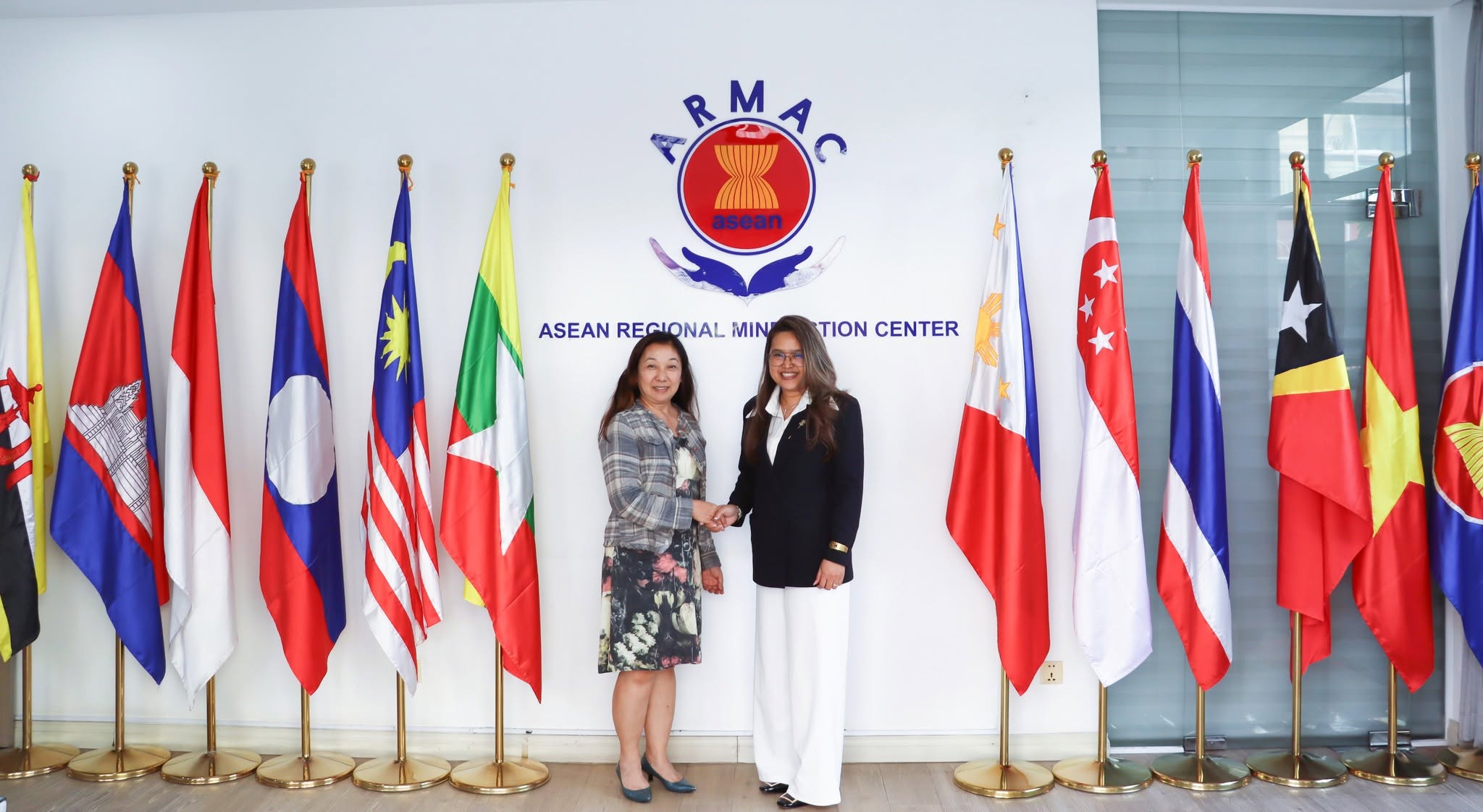
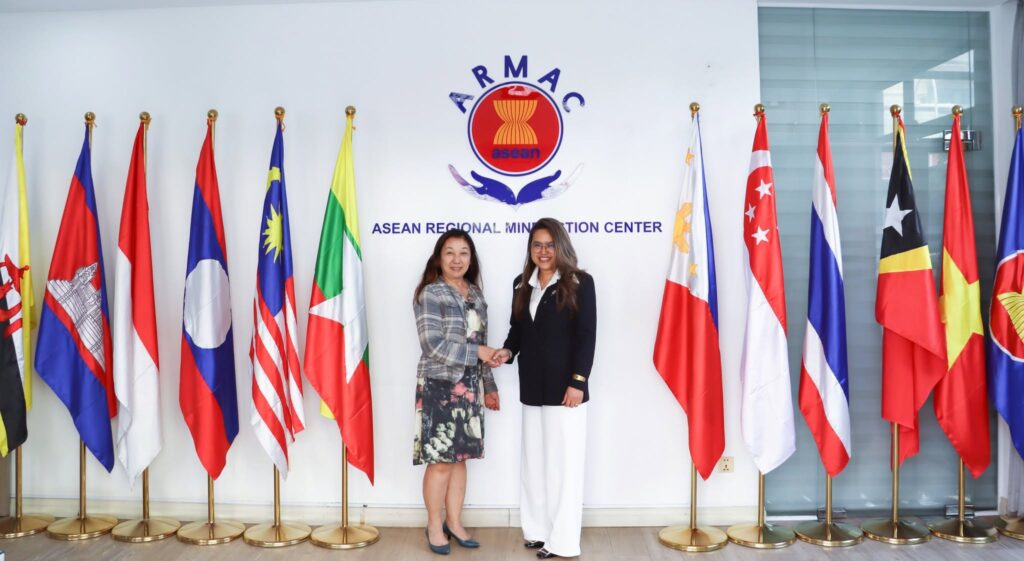
The Executive Director of the ASEAN Regional Mine Action Center (ARMAC), paid a courtesy call on H.E. Senen T. Mangalile, Ambassador Extraordinary and Plenipotentiary of the Republic of the Philippines to the Kingdom of Cambodia and Chair of the ARMAC Steering Committee
On 29 October 2026, The Executive Director of the ASEAN Regional Mine Action Center (ARMAC), paid a courtesy call on H.E. Senen T. Mangalile, Ambassador Extraordinary and Plenipotentiary of the Republic of the Philippines to the Kingdom of Cambodia and Chair of the ARMAC Steering Committee.
The Executive Director conveyed her warm congratulations and best wishes to His Excellency on his new appointment. The meeting provided an opportunity to exchange views on ARMAC’s work and reaffirm the importance of continued collaboration in advancing regional cooperation in humanitarian mine action.
ARMAC expressed its sincere appreciation for the Philippines’ leadership and continued support, and looks forward to further strengthening its engagement with His Excellency and the Republic of the Philippines, while working closely with all ASEAN Member States to build partnerships that connect national experience with regional action and contribute to a safer, more resilient and peaceful ASEAN.
13 Oct
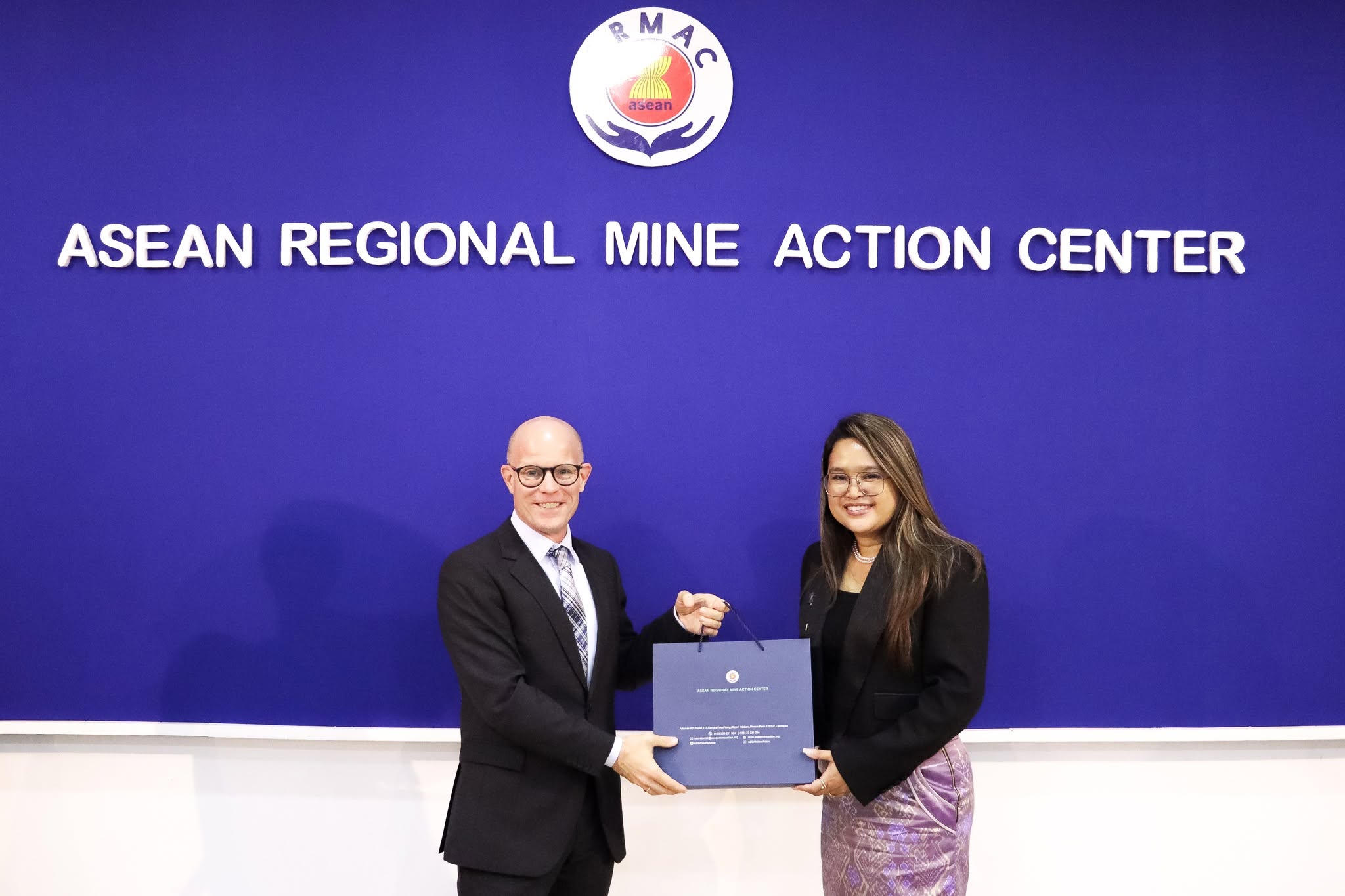
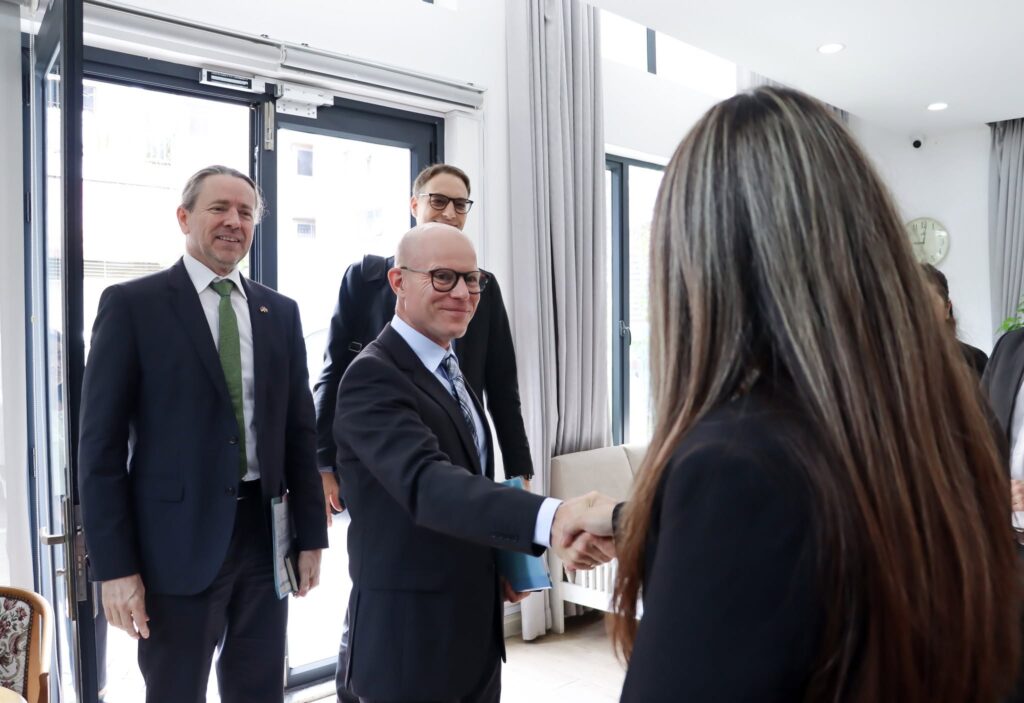
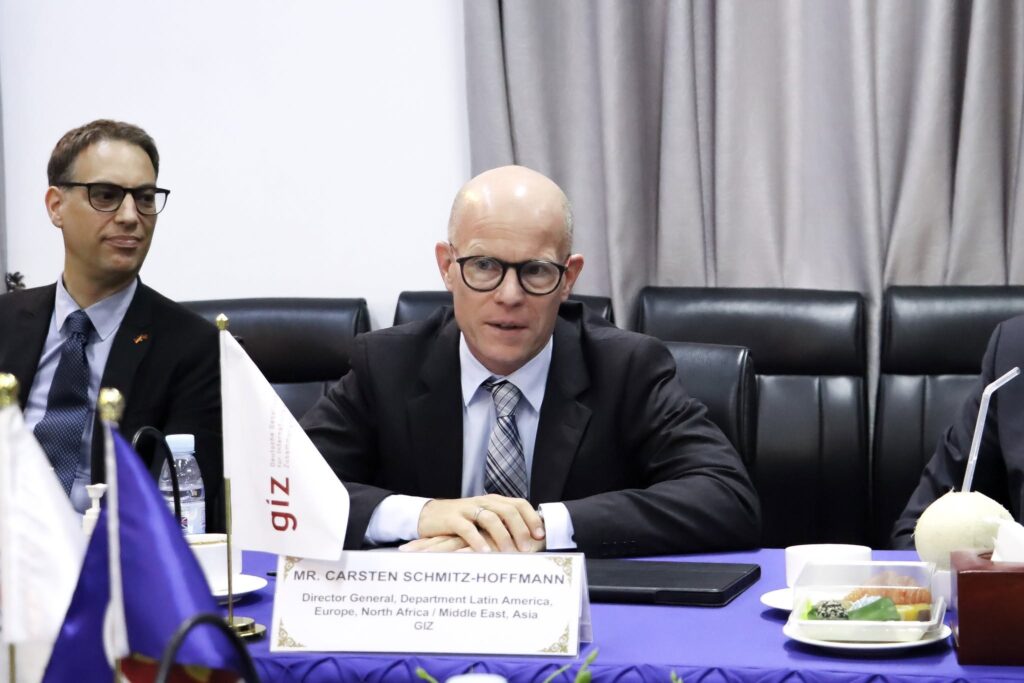
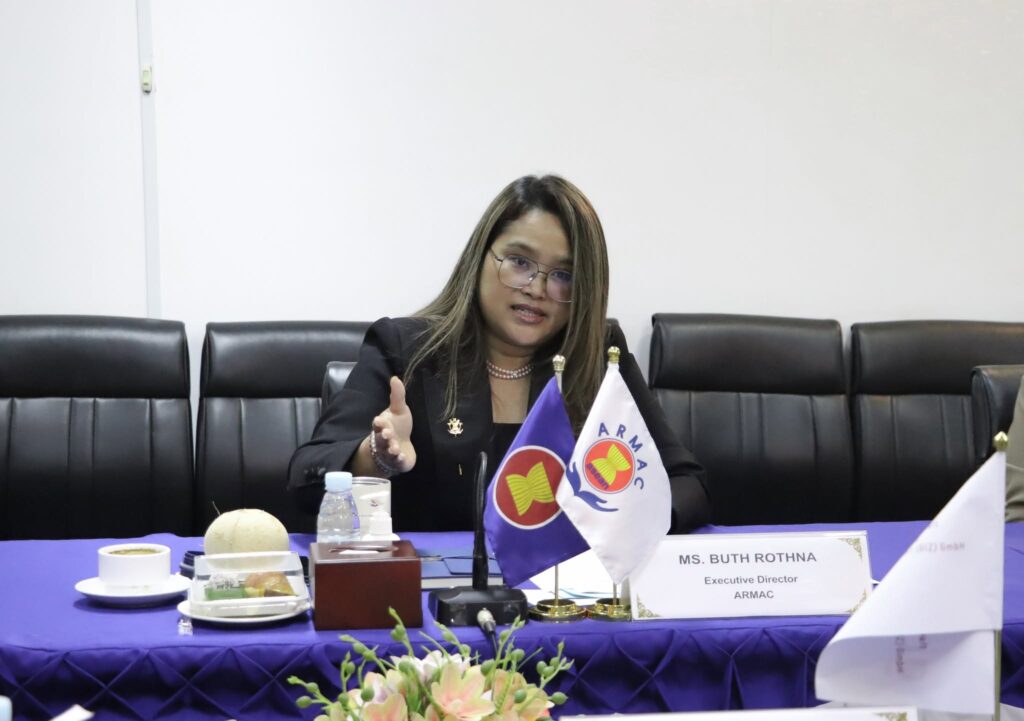
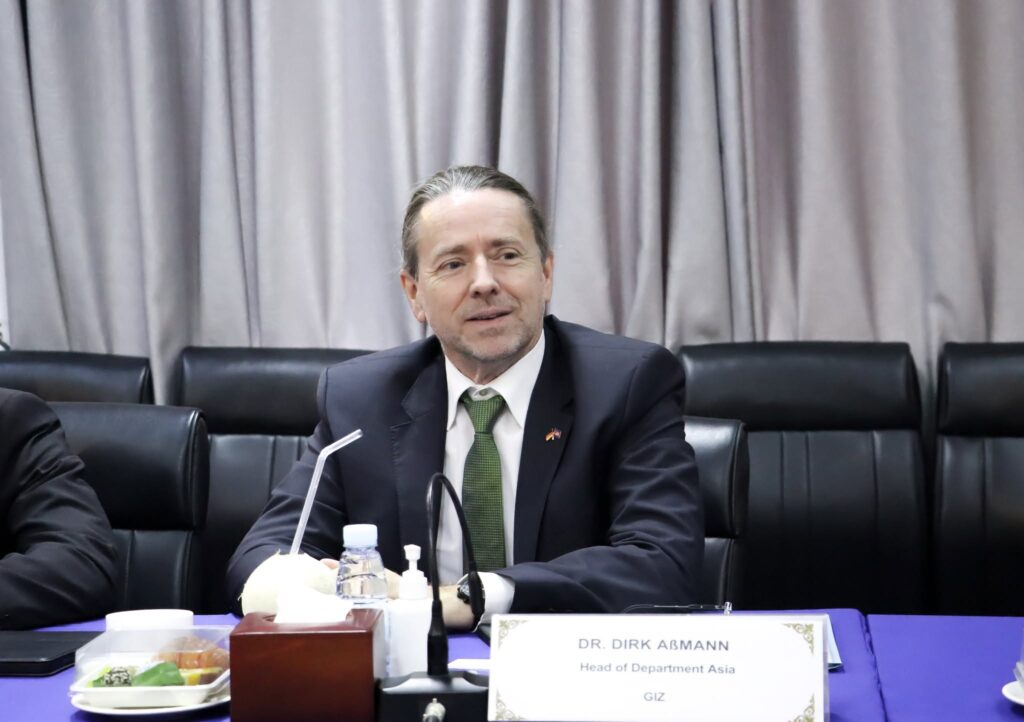
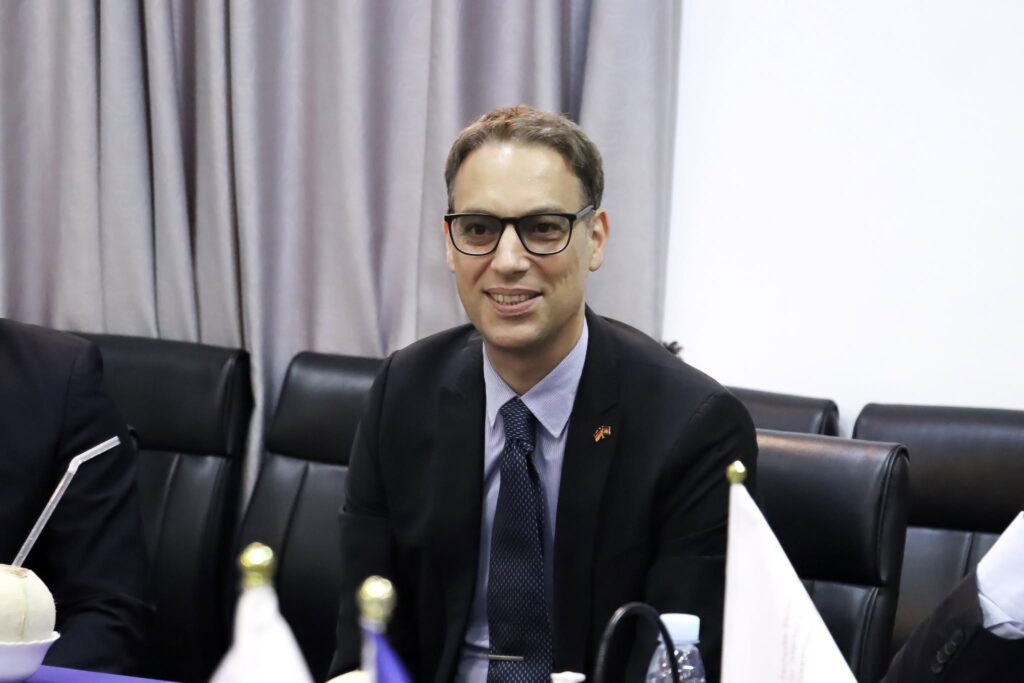
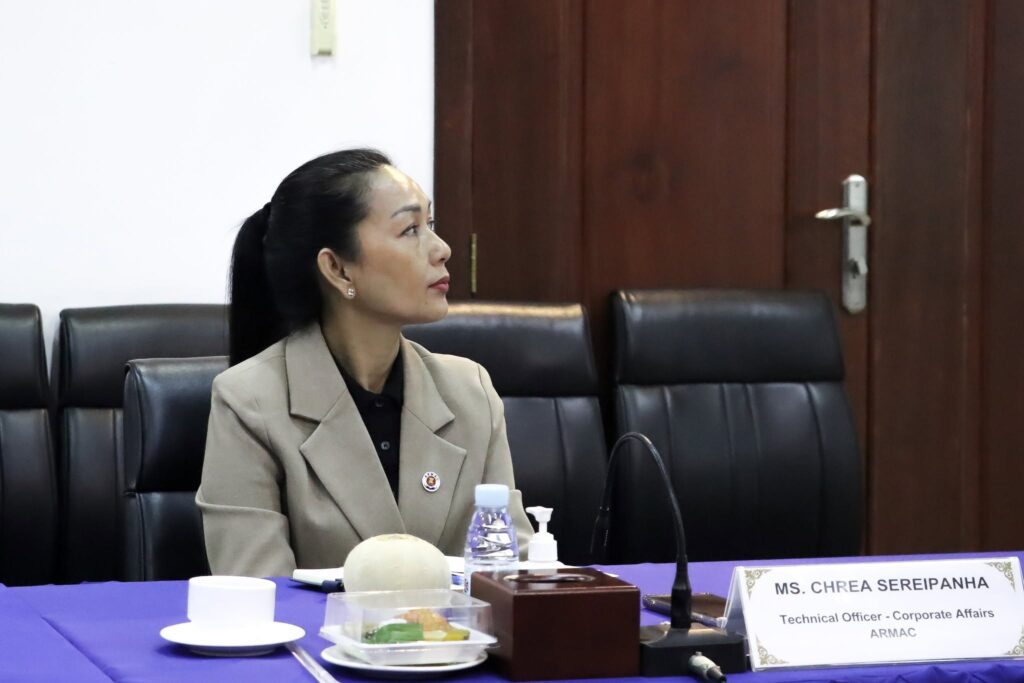
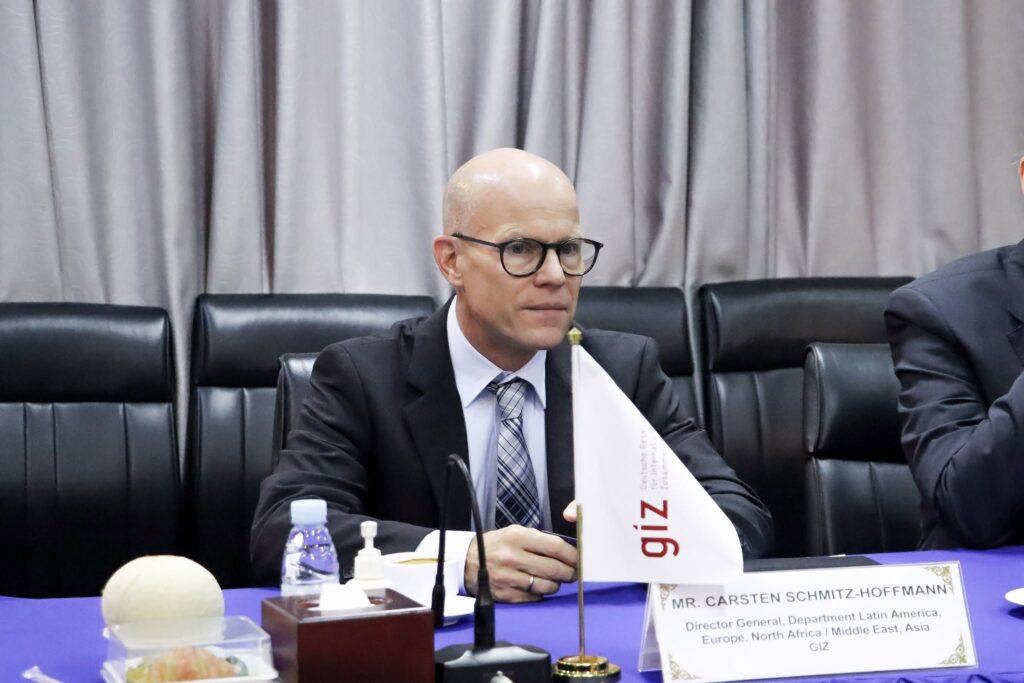
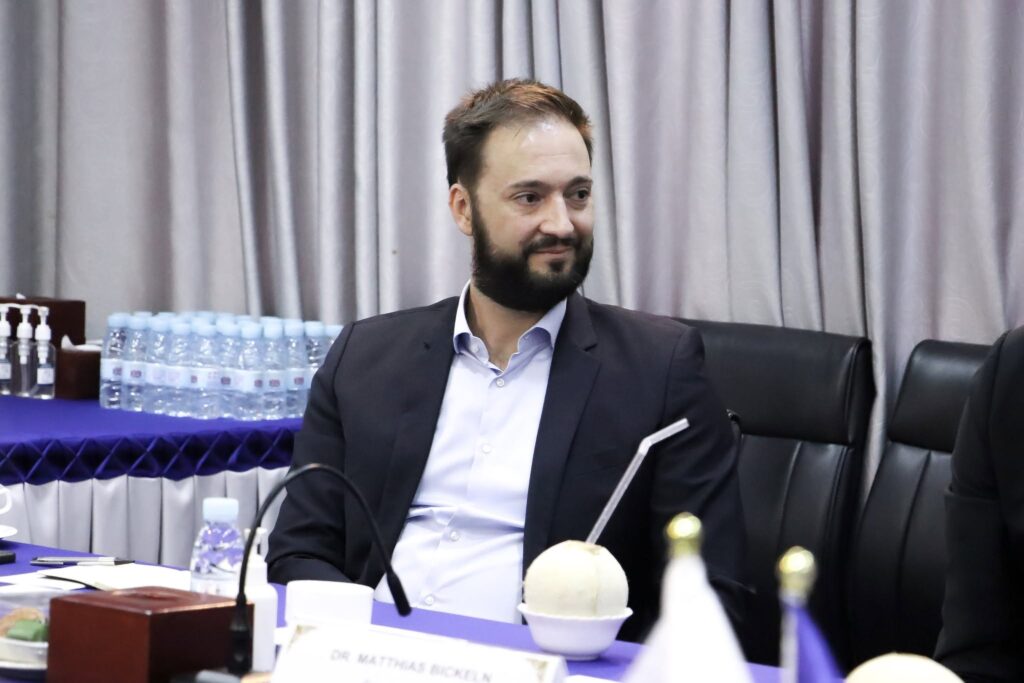
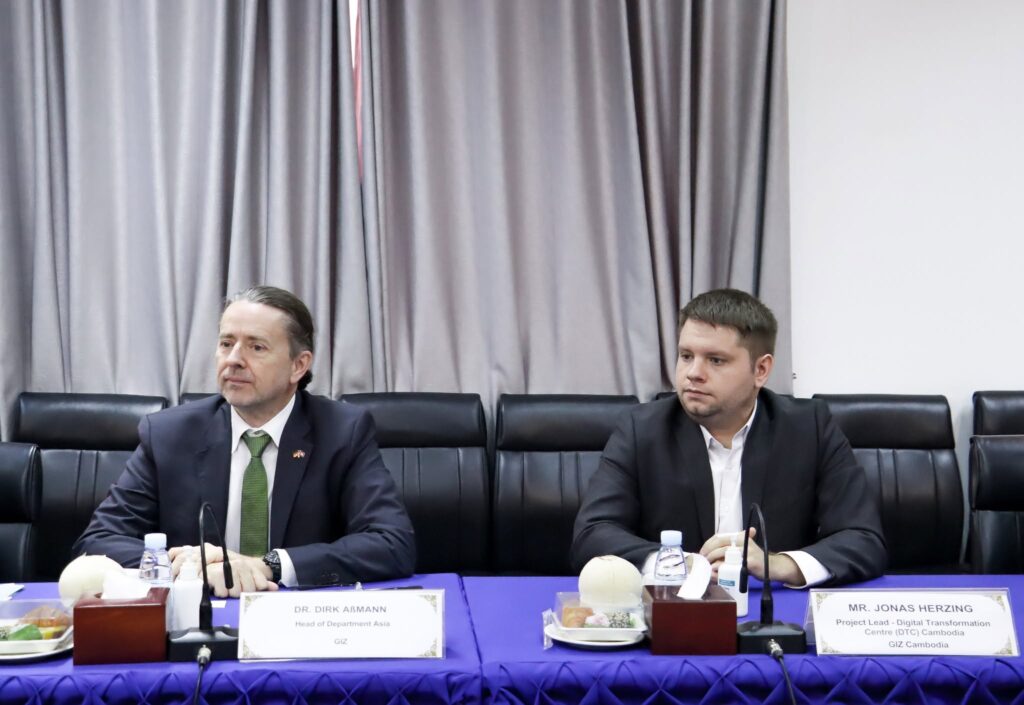
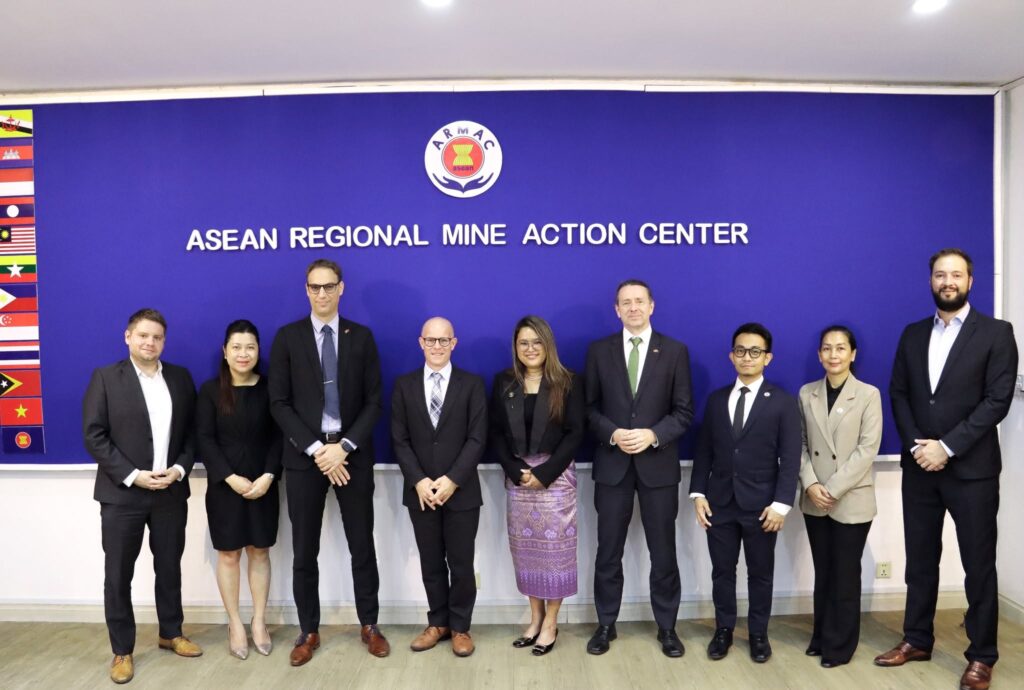
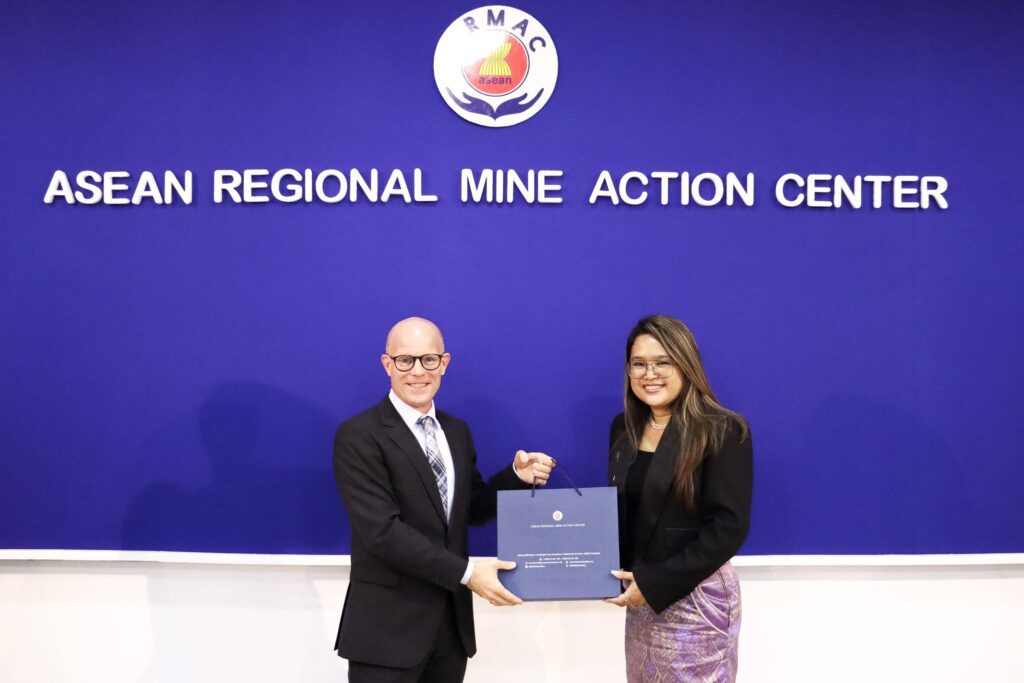
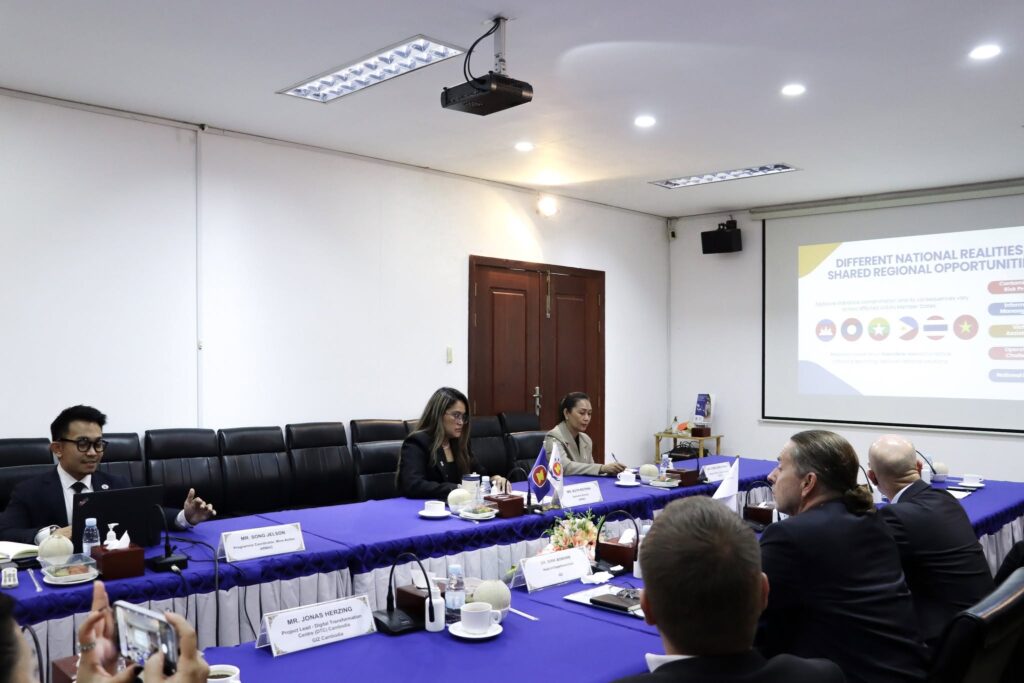
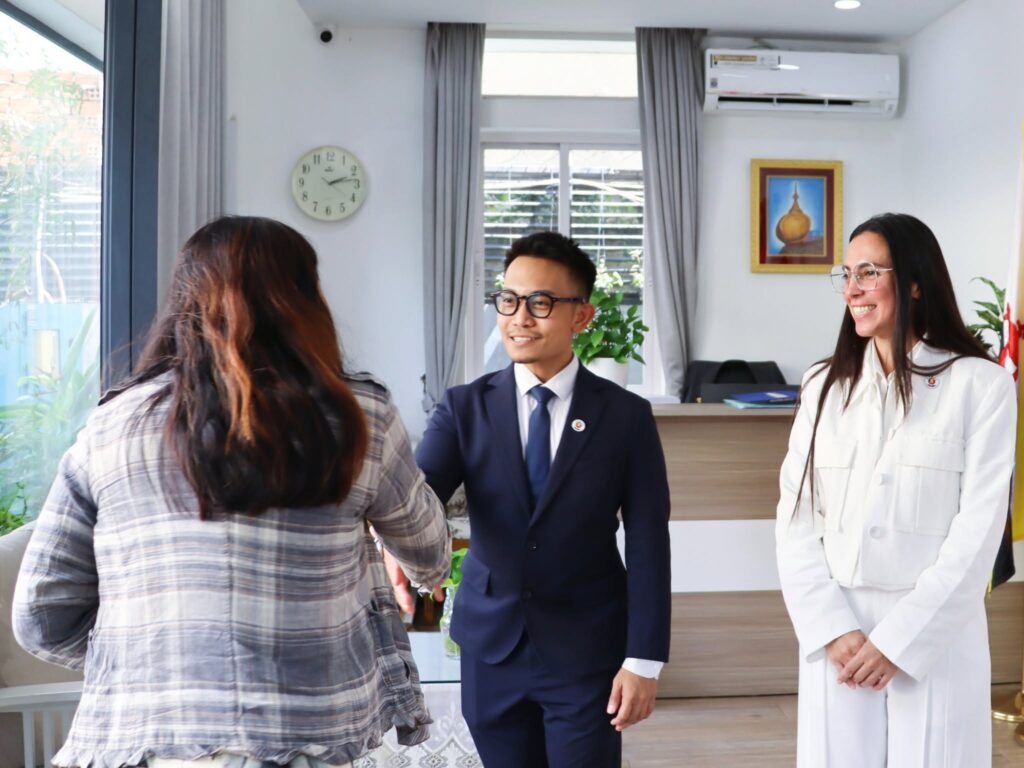
The ASEAN Regional Mine Action Center (ARMAC) was pleased to welcome Mr. Carsten Schmitz-Hoffmann, Director General at Deutsche Gesellschaft für Internationale Zusammenarbeit (GIZ) GmbH, and his delegation to its Permanent Secretariat.
Phnom Penh, 13 October 2026 — The ASEAN Regional Mine Action Center (ARMAC) was pleased to welcome Mr. Carsten Schmitz-Hoffmann, Director General at Deutsche Gesellschaft für Internationale Zusammenarbeit (GIZ) GmbH, and his delegation to its Permanent Secretariat.
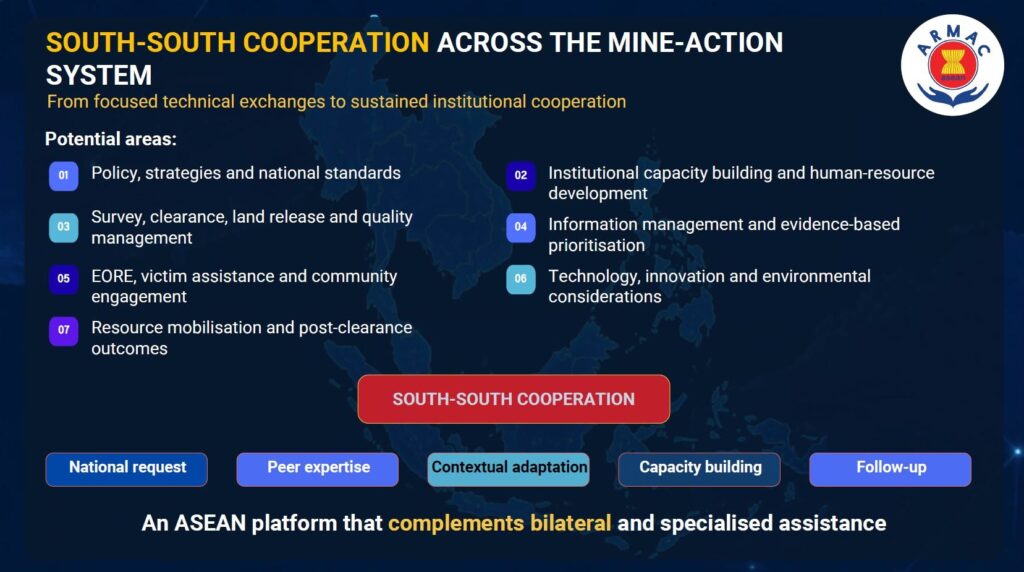
The visit provided an opportunity to exchange views on strengthening South–South and international cooperation, connecting ASEAN’s mine action experience with global expertise and partnerships. Discussions highlighted ARMAC’s role in facilitating regional knowledge sharing, capacity development and technical cooperation in support of ASEAN Member States’ priorities.
ARMAC expresses its sincere appreciation to the German Government for its commitment and support through GIZ to strengthen the Centre’s institutional capacity and advance regional mine action cooperation.
In line with ASEAN’s commitment to a peaceful, resilient and people-centred Community, ARMAC looks forward to deepening cooperation with GIZ, supporting national priorities and translating shared knowledge into practical benefits for communities affected by explosive ordnance, within ASEAN and beyond.
19 Sep
Risk Education That Supports Safer Decisions
People living with explosive ordnance contamination may understand the danger and still have limited ability to avoid it. Livelihoods, movement, land use and access to services can all influence the risks people take.
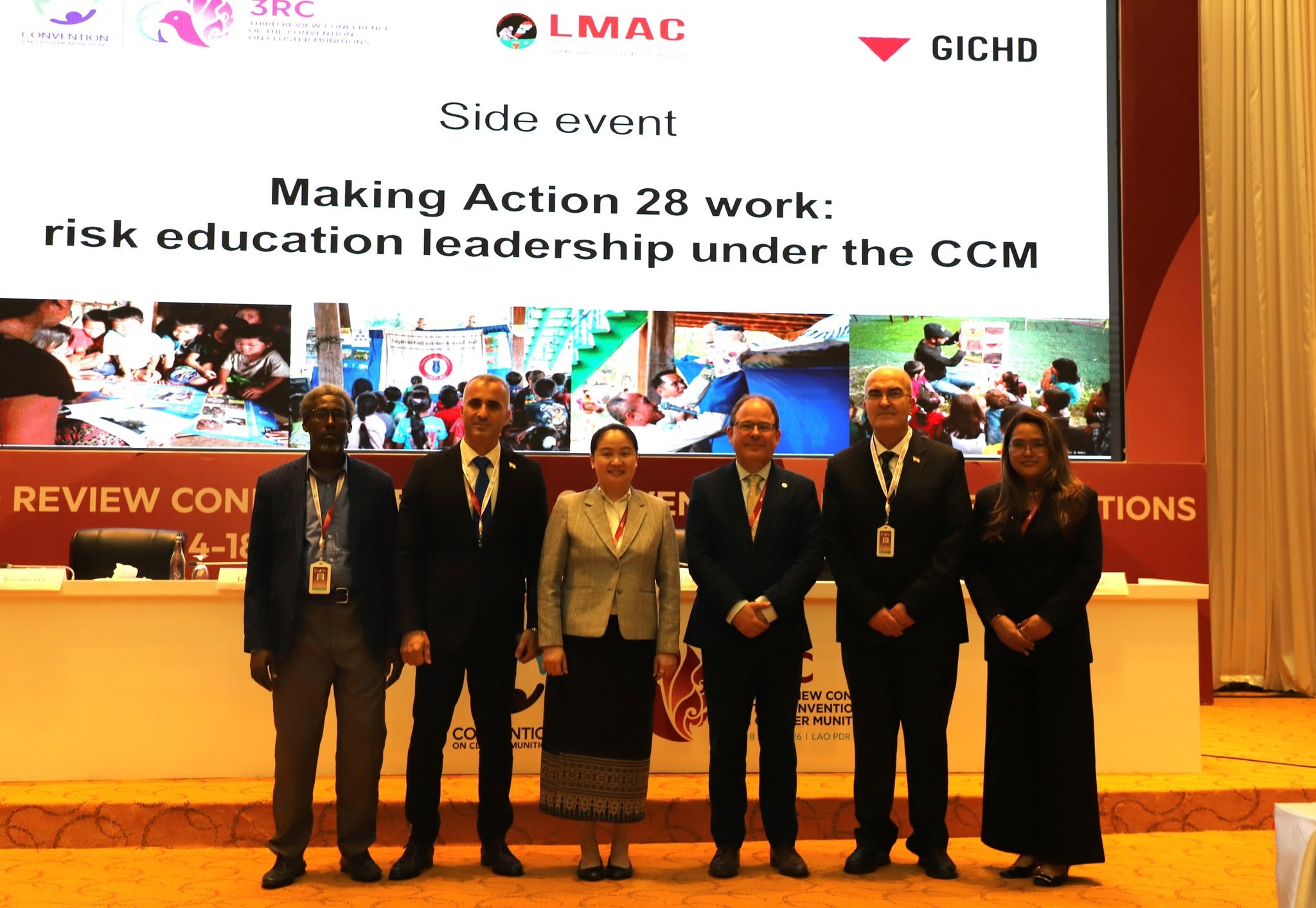
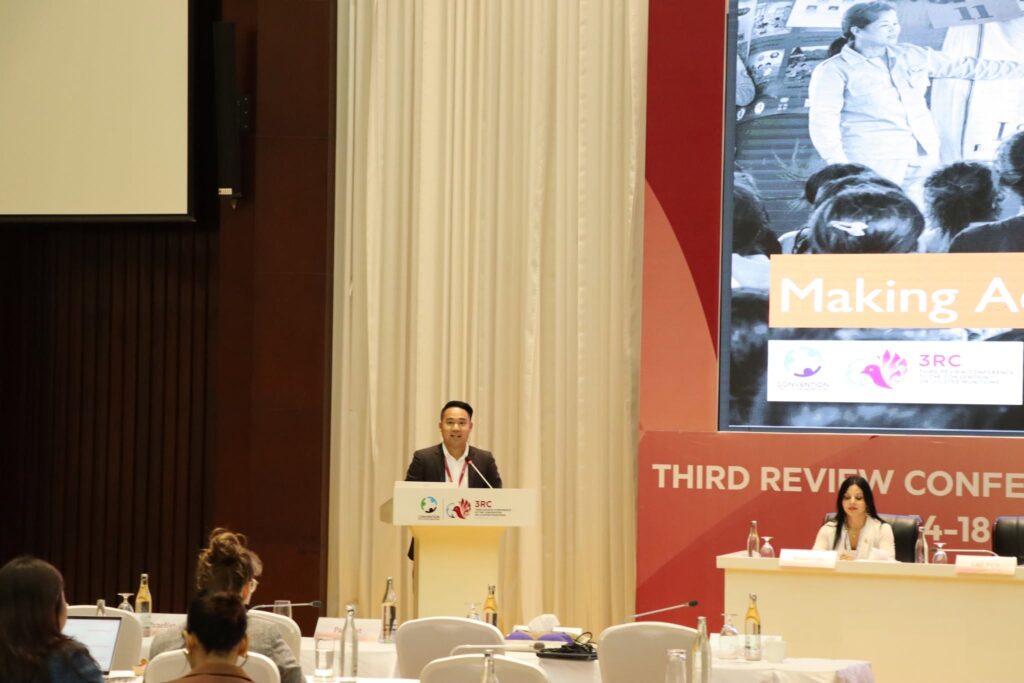
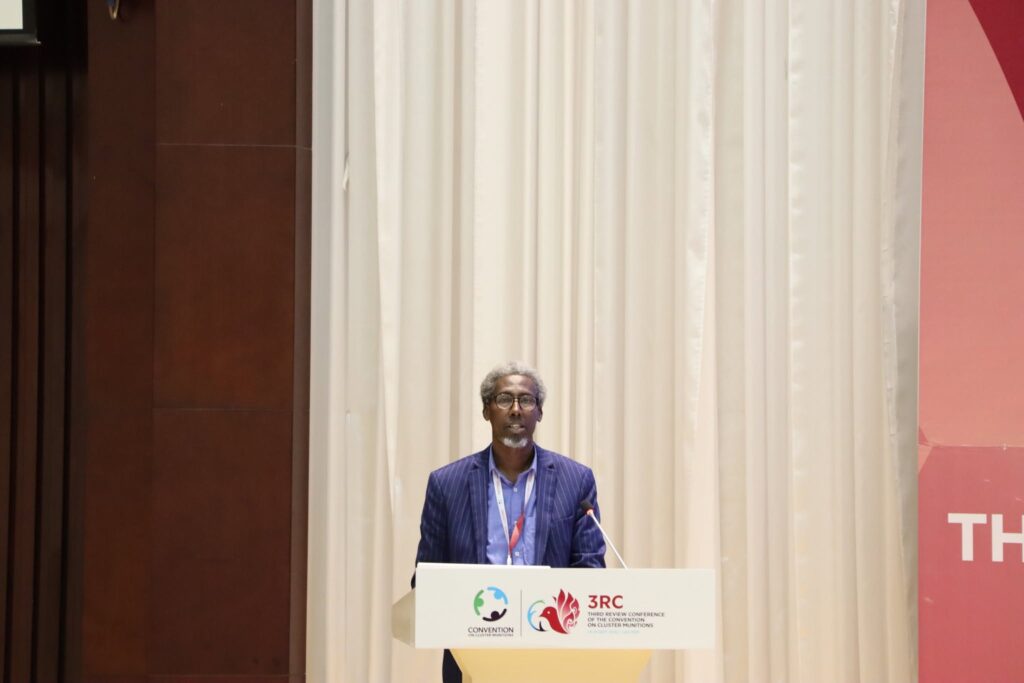
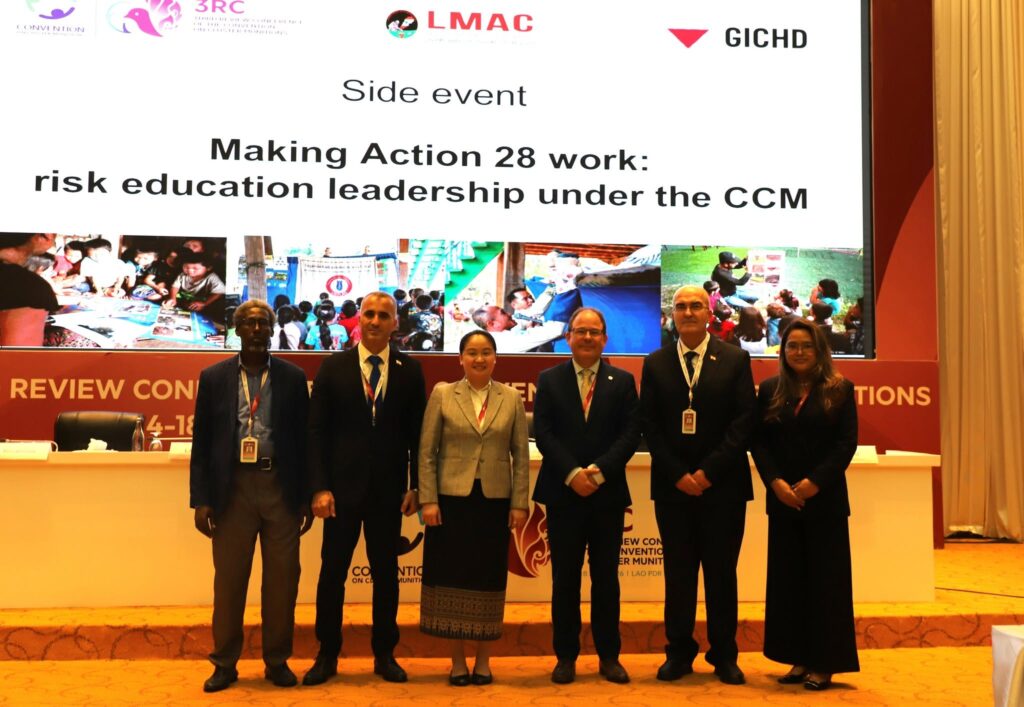
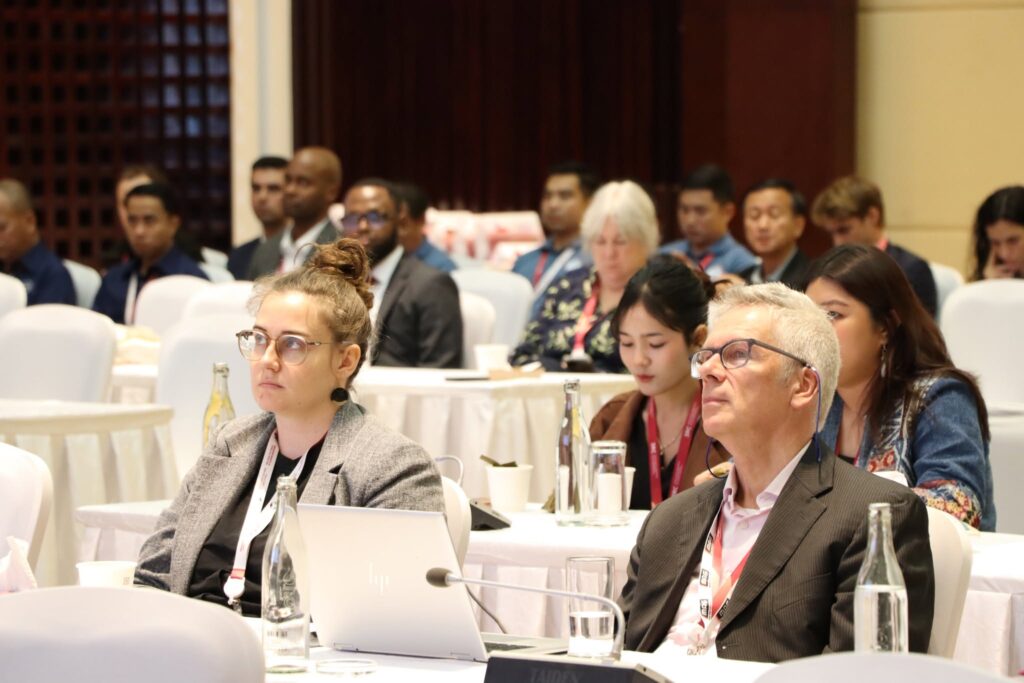
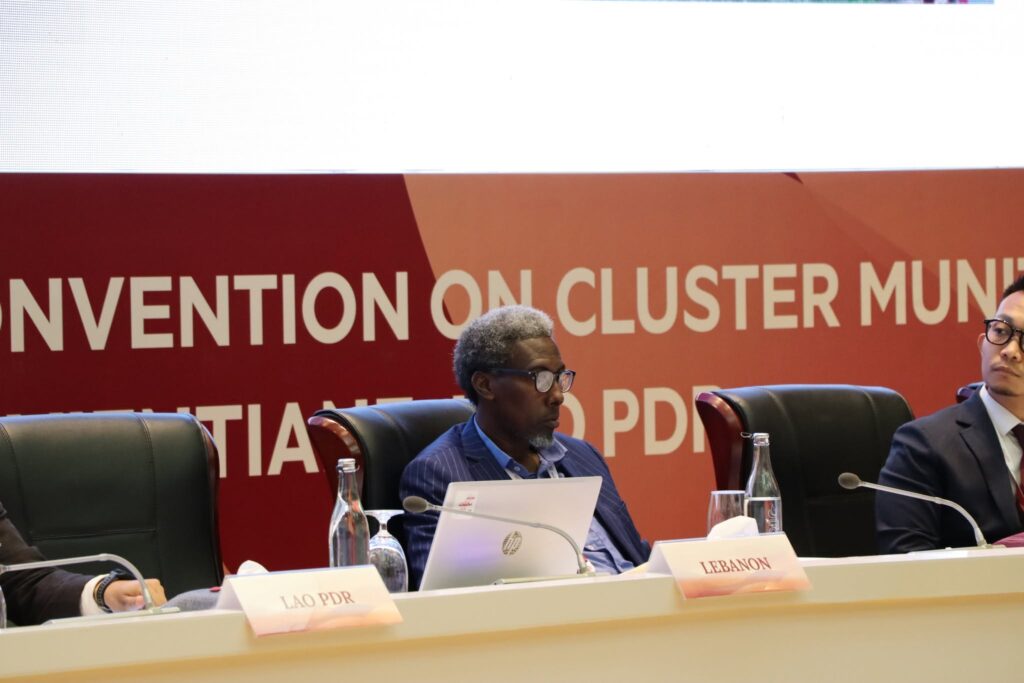
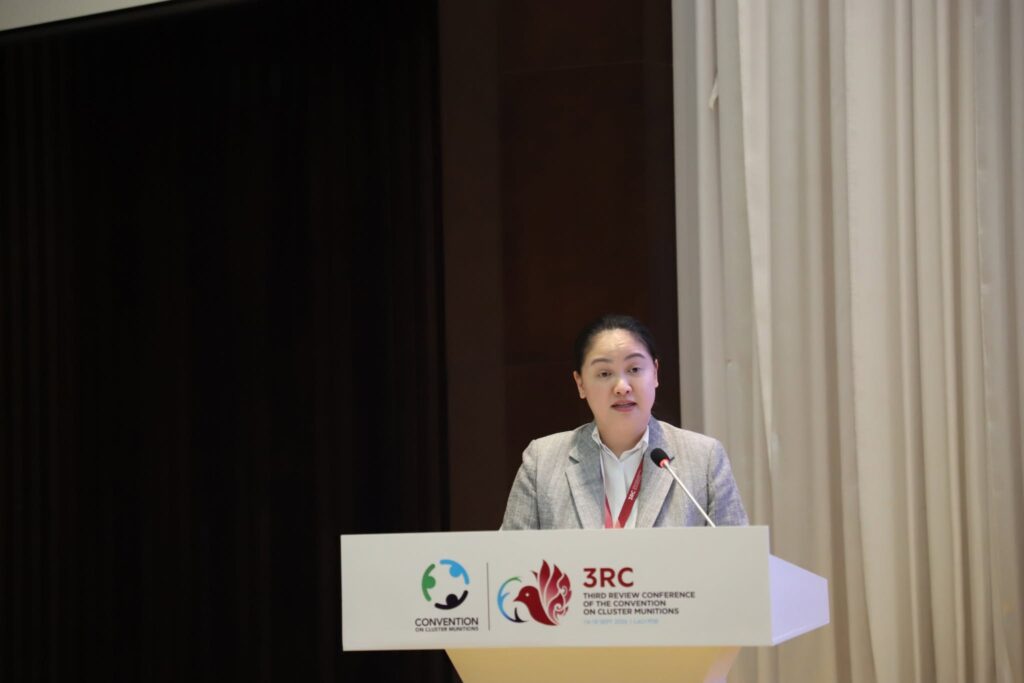
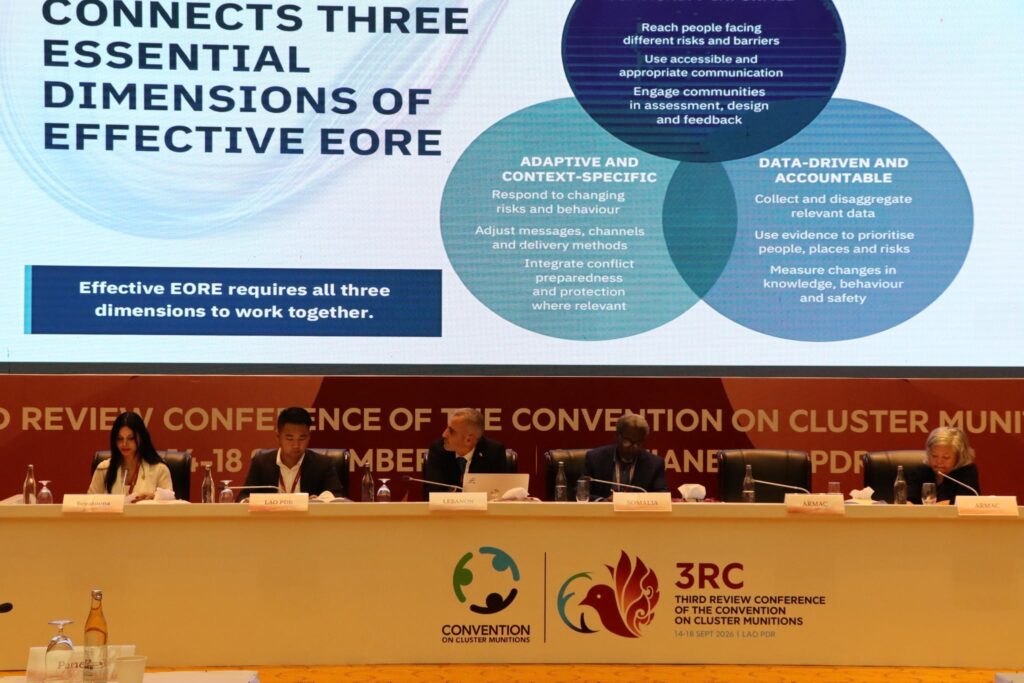
This reality gave urgency to the side event “Making Action 28 Work: Risk Education Leadership under the CCM,” organised by Lao PDR and Lebanon, in its role as the CCM Coordinator on Risk Education, with support from the Geneva International Centre for Humanitarian Demining Geneva International Centre for Humanitarian Demining – GICHD and the Convention on Cluster The Convention on Cluster Munitions Implementation Support Unit.
ARMAC contributed an ASEAN regional perspective on turning the commitments under Action 28 of the Vientiane Capital Action Plan into sustained national delivery.
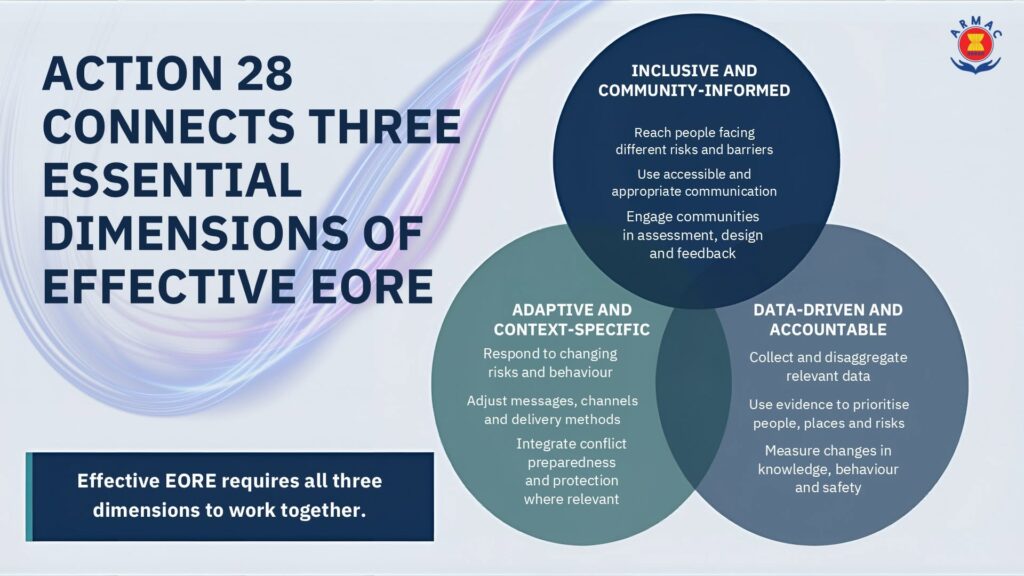
Action 28 connects three essential dimensions of effective explosive ordnance risk education:
Inclusive and community-informed approaches that respond to the different risks and barriers faced by affected people.
Adaptation of messages and delivery methods as contamination, behaviour and operating environments change.
Disaggregated data and evidence that help national authorities identify priority groups, target interventions and assess whether programmes support safer decisions.
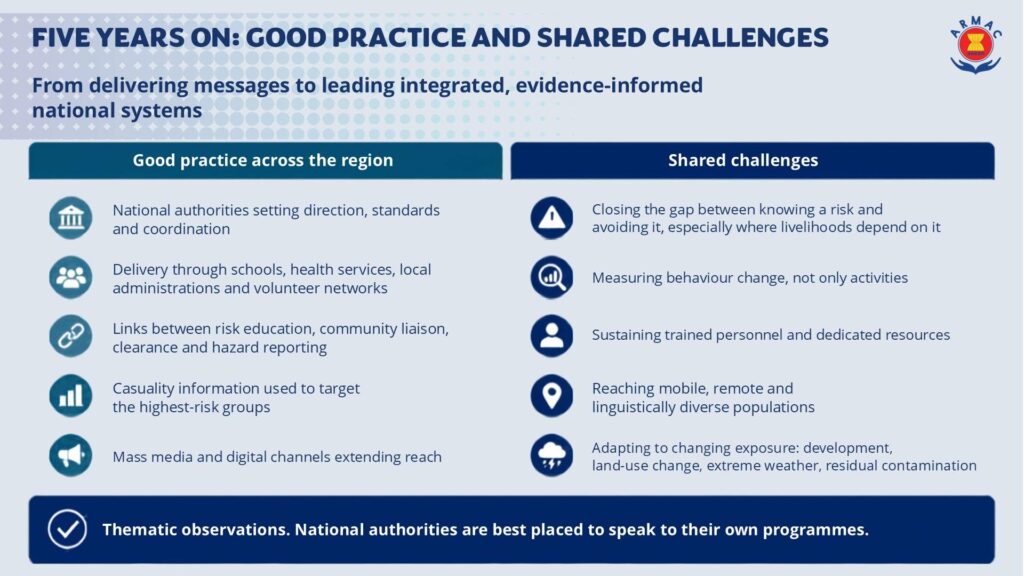
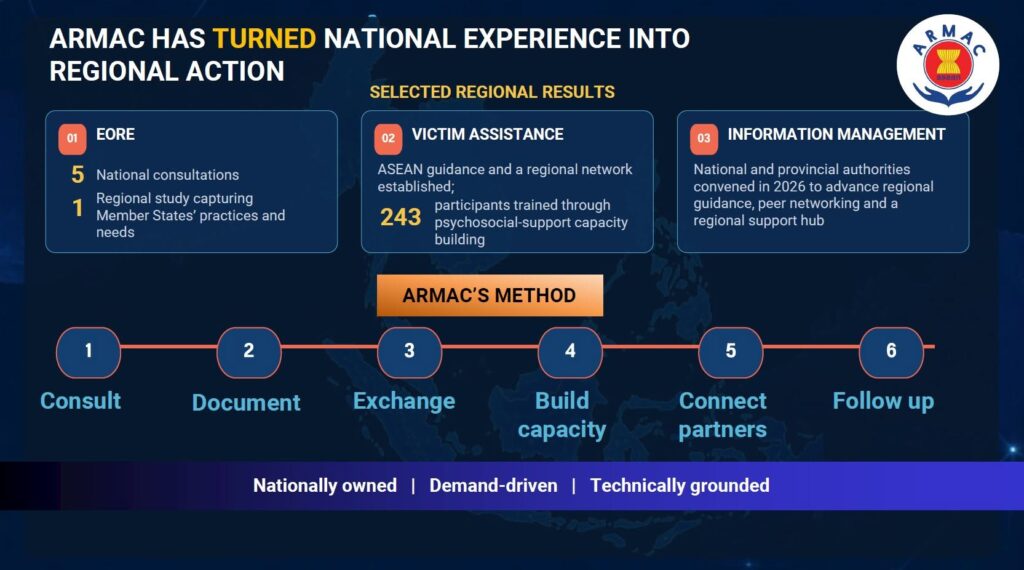
ARMAC shared how ASEAN Member States are gradually moving from delivering individual messages towards building integrated, evidence-informed national EORE systems. Good practice increasingly connects risk education with schools, health services, local administrations, community liaison, hazard reporting and clearance.
The discussion also highlighted a persistent challenge: awareness alone may not change behaviour when people face risks because of economic necessity. Effective EORE must therefore connect with livelihood realities, protection measures, development planning and clearance priorities.
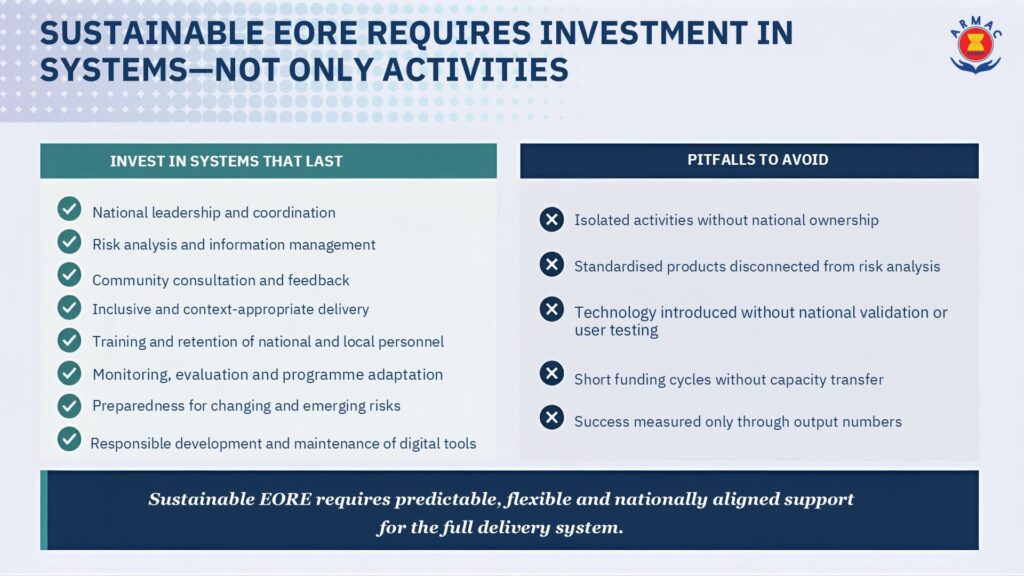
ARMAC also introduced the S.A.F.E. digital EORE concept as one example of responsible innovation that could complement national and community-based systems, subject to national validation, localisation, community testing, data protection and clear referral pathways.
The wider message was clear: sustainable EORE requires investment in national systems, trained personnel, community engagement, evidence and programme adaptation, not only individual activities or communication products.
Action 28 provides the framework. National authorities provide the leadership. Regional cooperation and sustainable partnerships can help turn shared learning into safer outcomes for affected communities.
18 Sep
A Lesson Learned in One Country Should Not Have to Be Relearned at Full Cost in Another
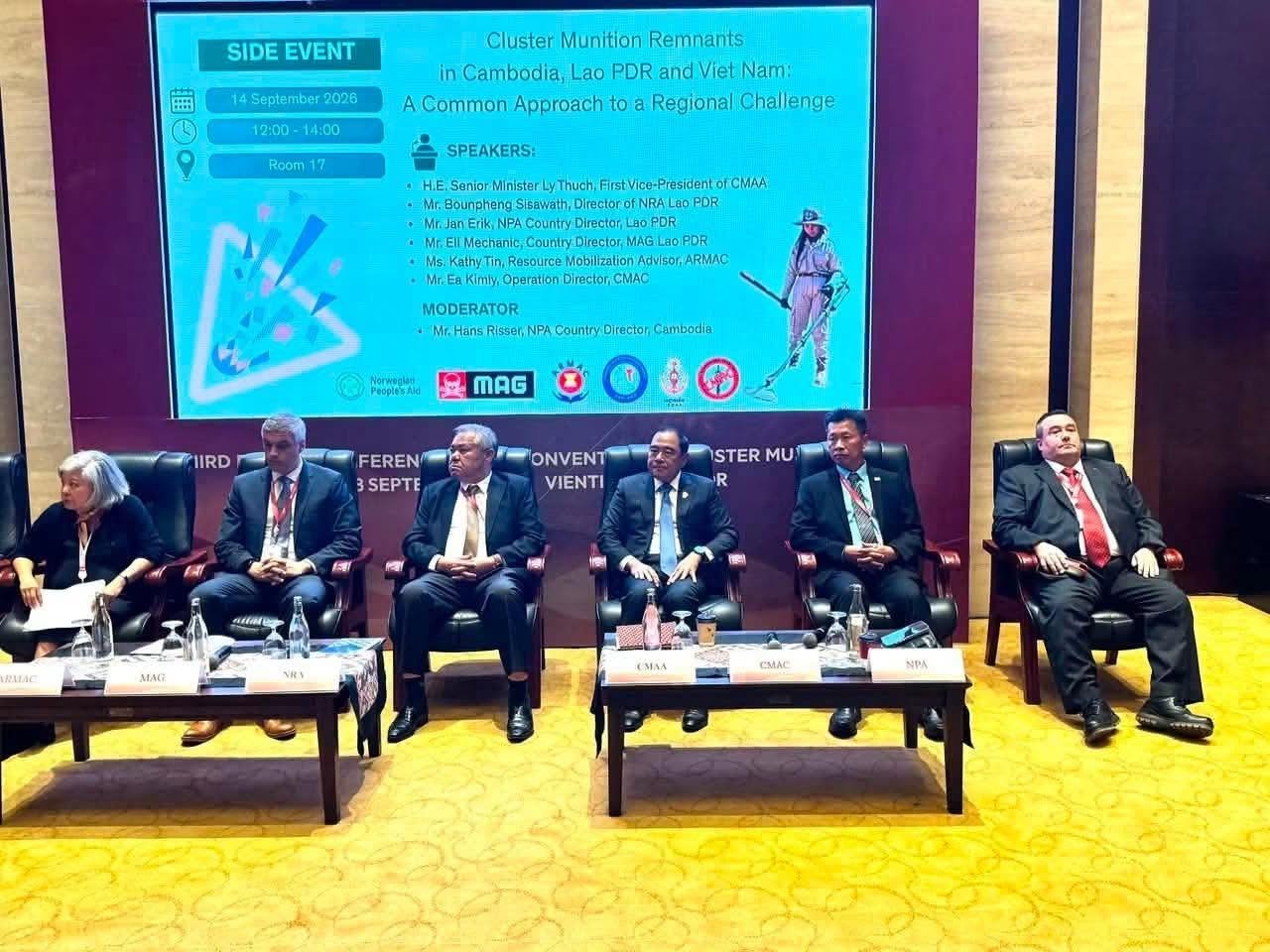
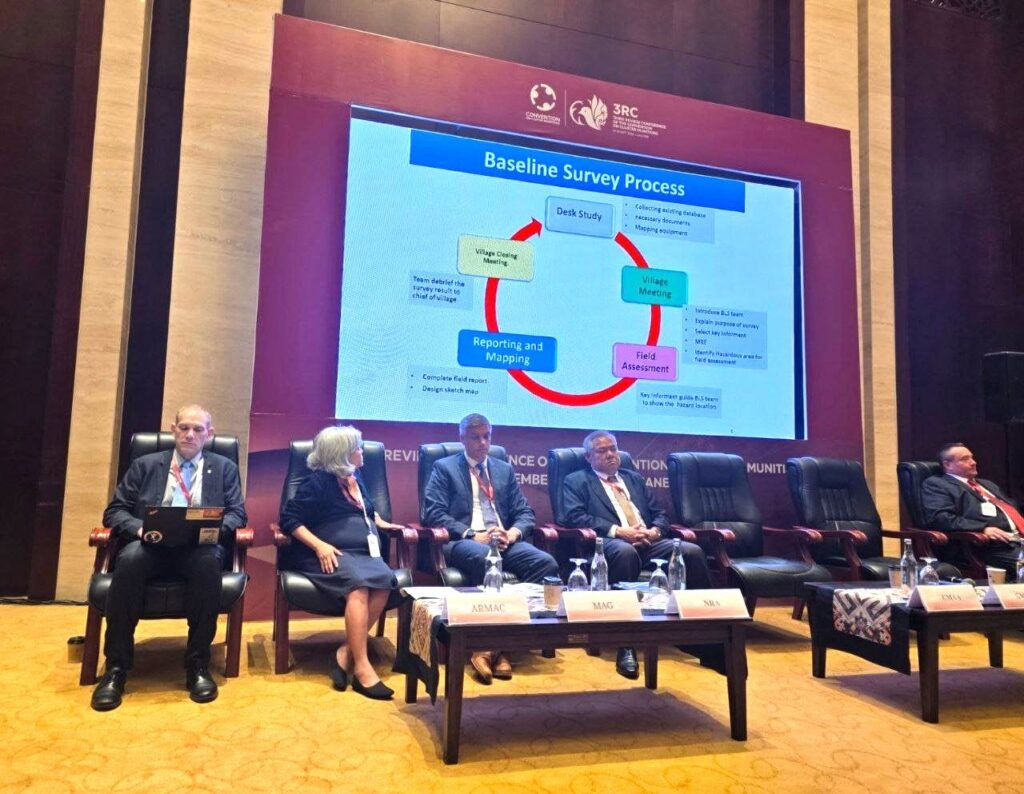
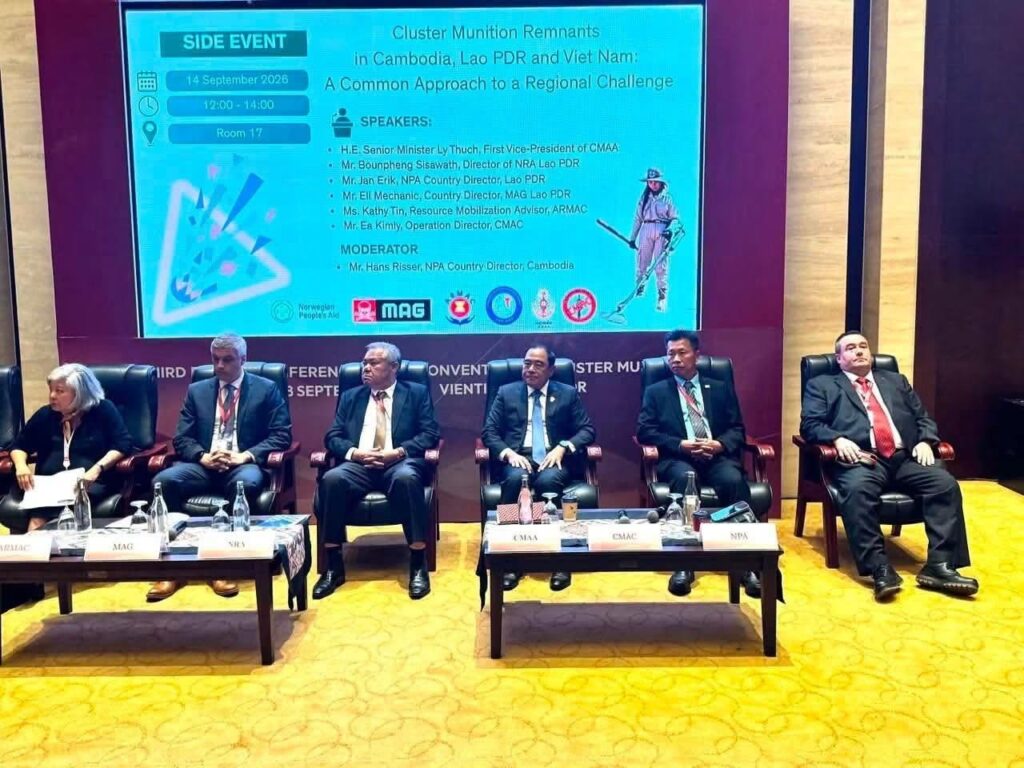
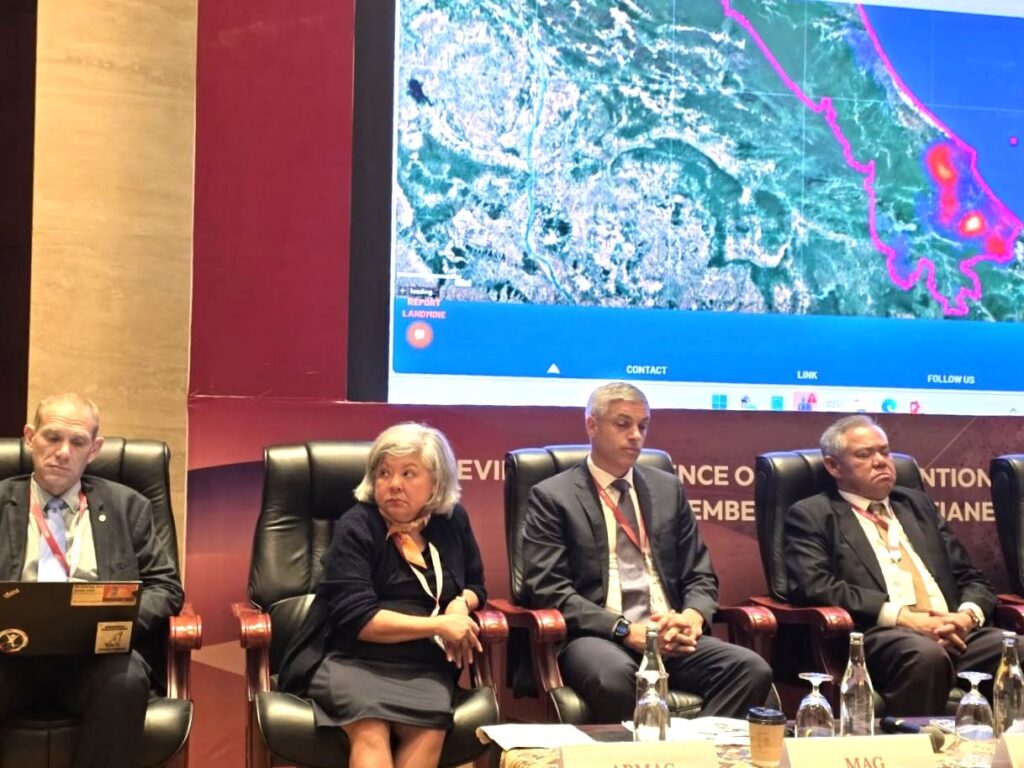
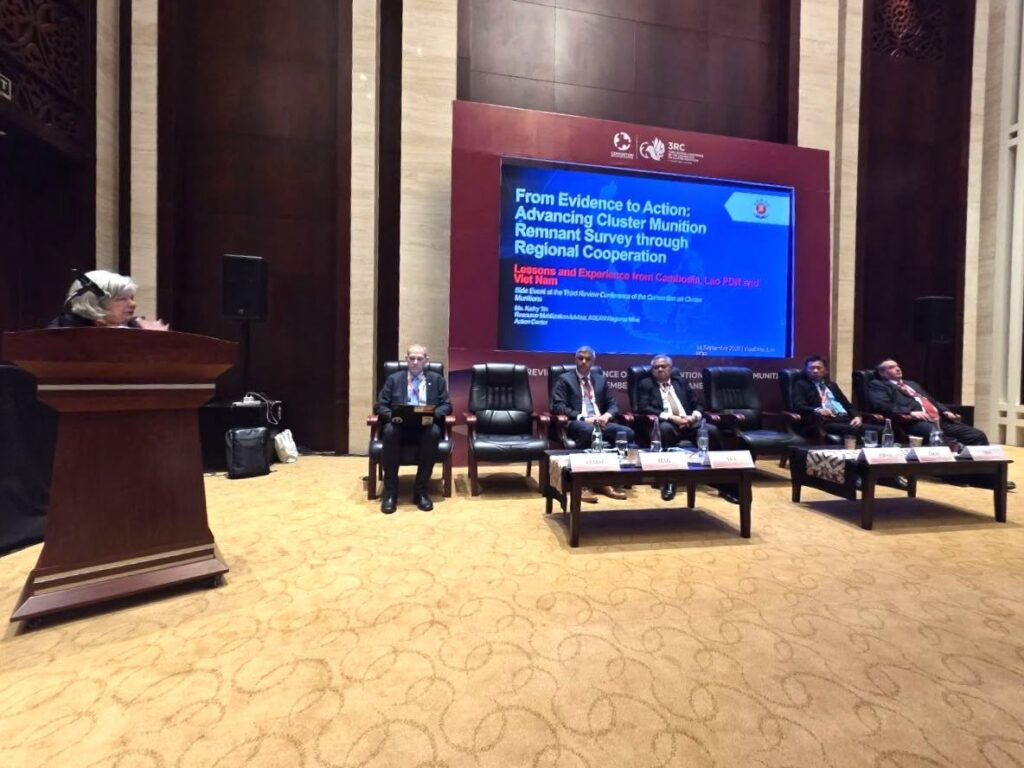
At the Third Review Conference of the Convention on Cluster Munitions in Vientiane, ARMAC joined Norwegian People’s Aid (NPA), MAG (Mines Advisory Group) and national partners for the side event:
“From Evidence to Action: Advancing Cluster Munition Remnant Survey through Regional Cooperation – Lessons and Experience from Cambodia, Lao PDR and Viet Nam.”
Mr. Hans Risser, NPA Country Director in Cambodia, moderated the discussion, which began with high-level opening remarks by H.E. Senior Minister Ly Thuch, First Vice-President of the អាជ្ញាធរមីន – Cambodian Mine Action Authority (CMAA).
The discussion brought together Mr. Bounpheng Sisawath, Director of the NRA Office of Lao PDR; Mr. Jan Erik Støa, NPA Country Director in Lao PDR; Mr. Ea Kimly of the មជ្ឈមណ្ឌលសកម្មភាពកំចាត់មីនកម្ពុជា – CMAC (CMAC); Mr. Eli Mechanic of MAG in Lao PDR; and Ms. Kathy Tin, ARMAC Resource Mobilization Advisor.
Together, they considered a wider question: how can knowledge developed through years of survey, information management, clearance and land release benefit other affected countries?
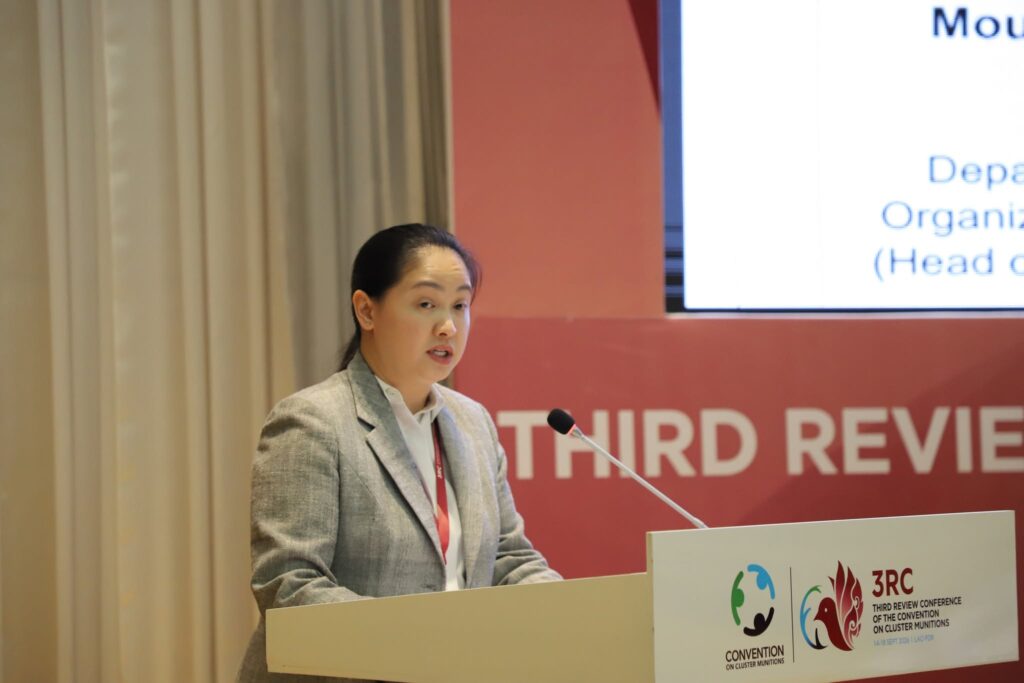
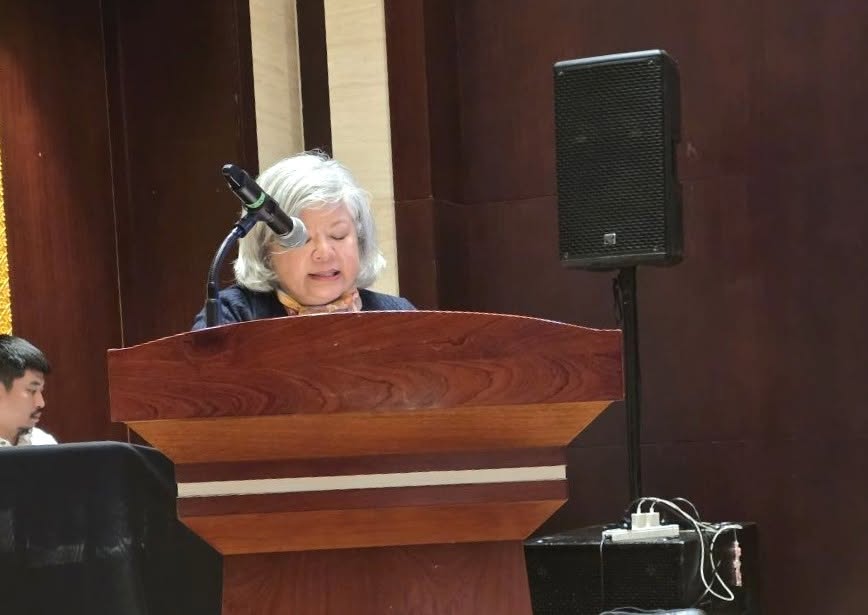
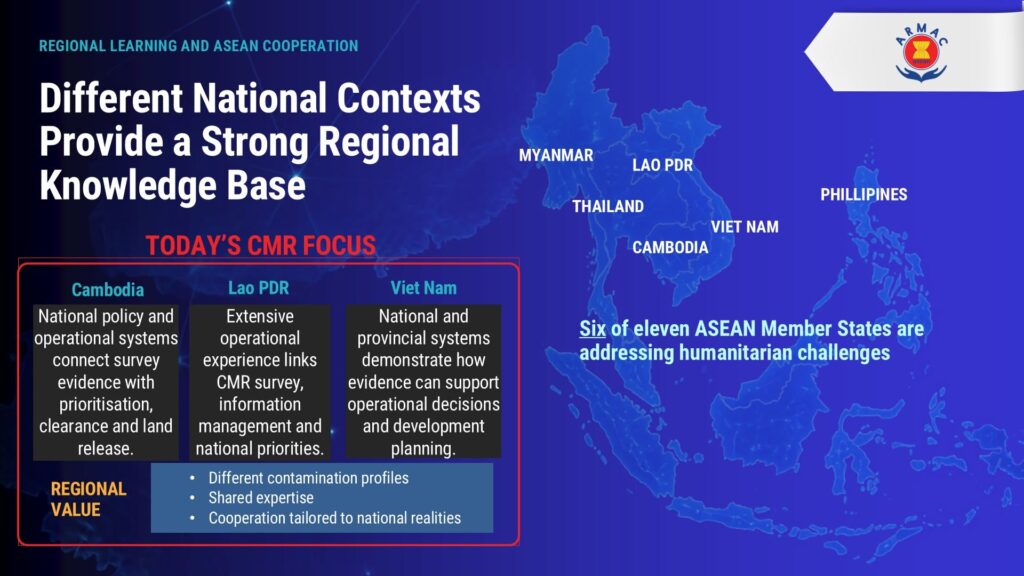
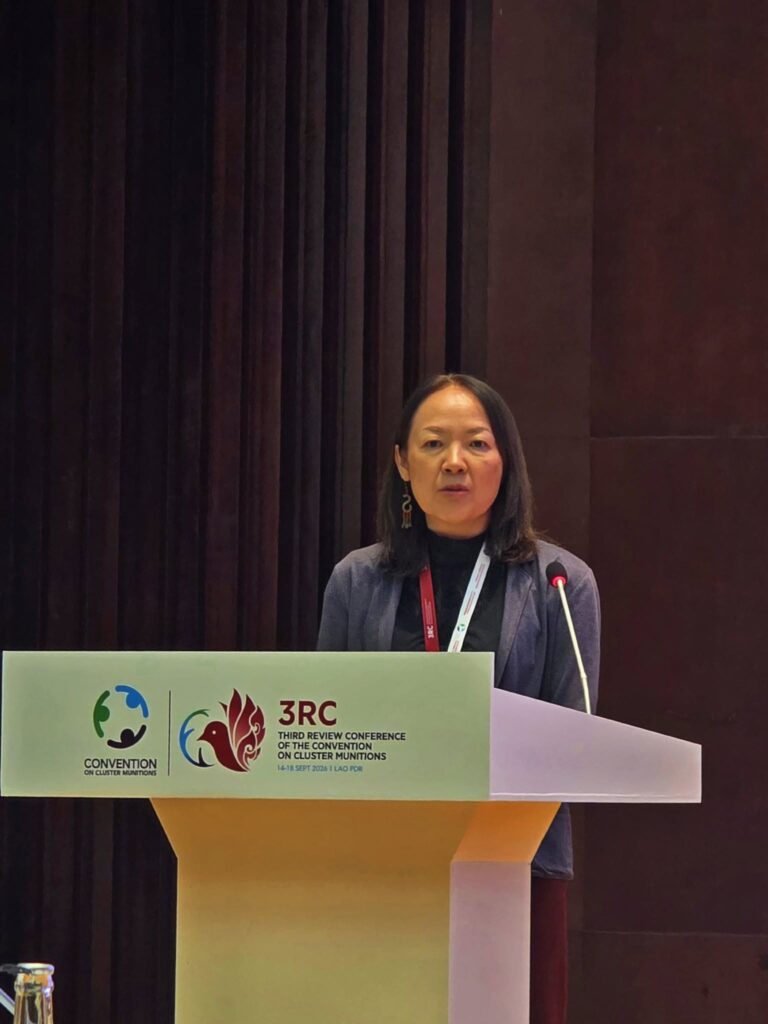
Representing ARMAC, Ms. Kathy Tin shared a regional perspective on moving from national experience to ASEAN cooperation.
Her central message was simple: regional cooperation should reduce the cost of learning.
Cambodia, Lao PDR and Viet Nam have developed extensive knowledge through years of addressing cluster munition contamination. This includes successful approaches, methods that required adjustment, data challenges that had to be resolved and operational decisions that produced unexpected results.
Regional cooperation does not mean creating one methodology for every country. It means enabling national authorities to learn directly from peers who have faced similar decisions, understand why particular approaches worked and adapt relevant lessons to their own standards and operating contexts.
ARMAC can support this process by documenting national experience, facilitating focused technical exchanges, connecting Member States with relevant expertise and carrying agreed priorities into regional programmes.
Evidence becomes more valuable when it informs decisions. Experience becomes more valuable when others can learn from it.
16 Sep
National Ownership Turns Partnership into Lasting Mine Action
ARMAC congratulates the Government of the Lao People’s Democratic Republic on assuming the Presidency of the Third Review Conference of the Convention on Cluster Munitions and leading efforts to advance the Vientiane Capital Action Plan.
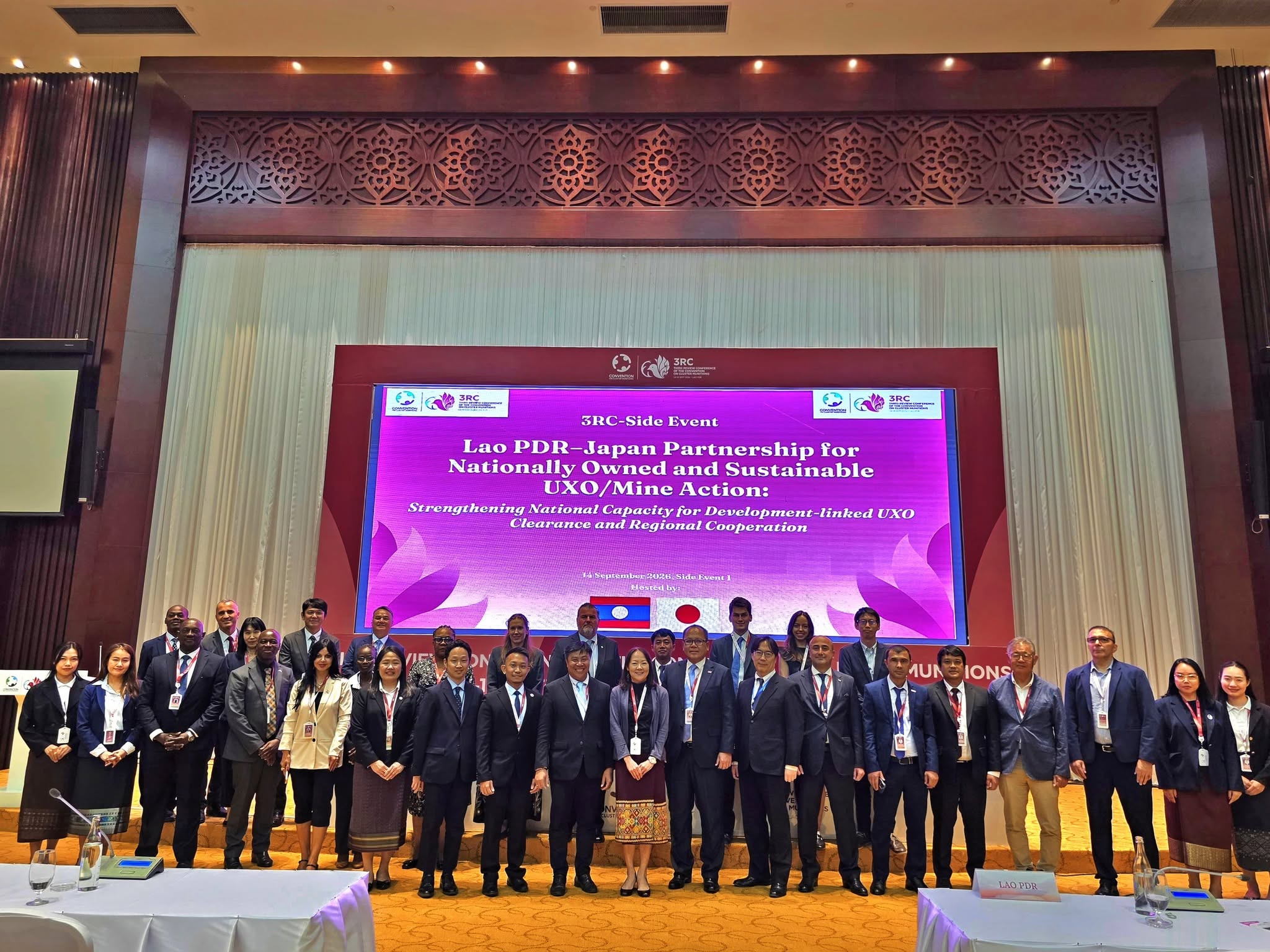
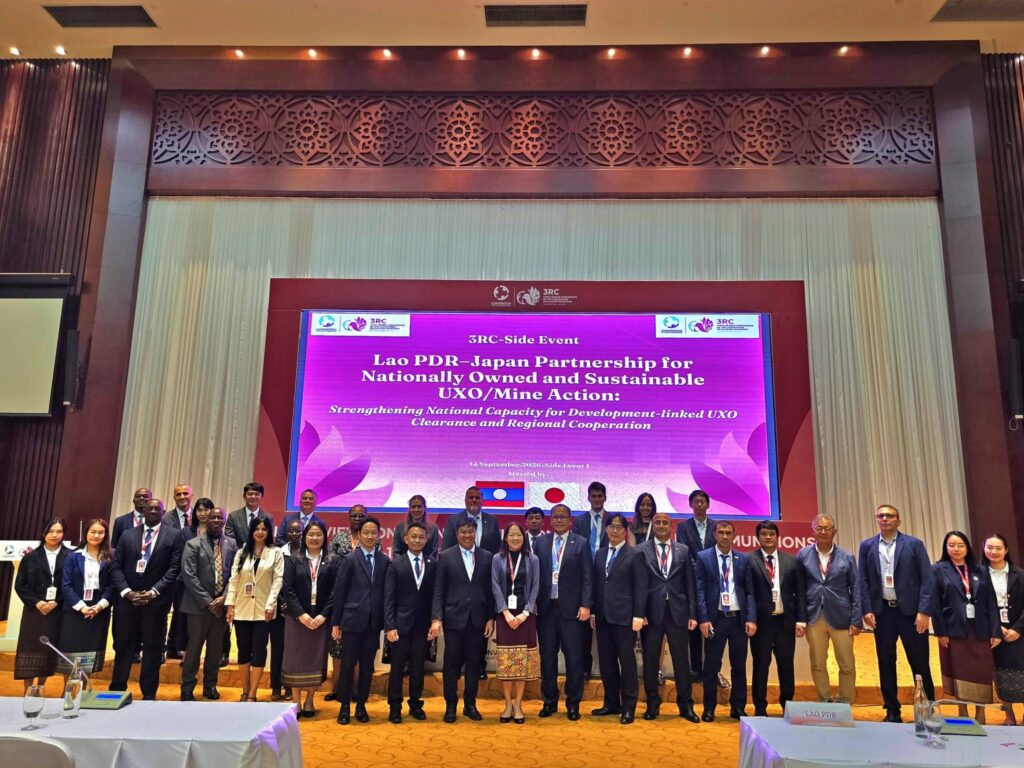
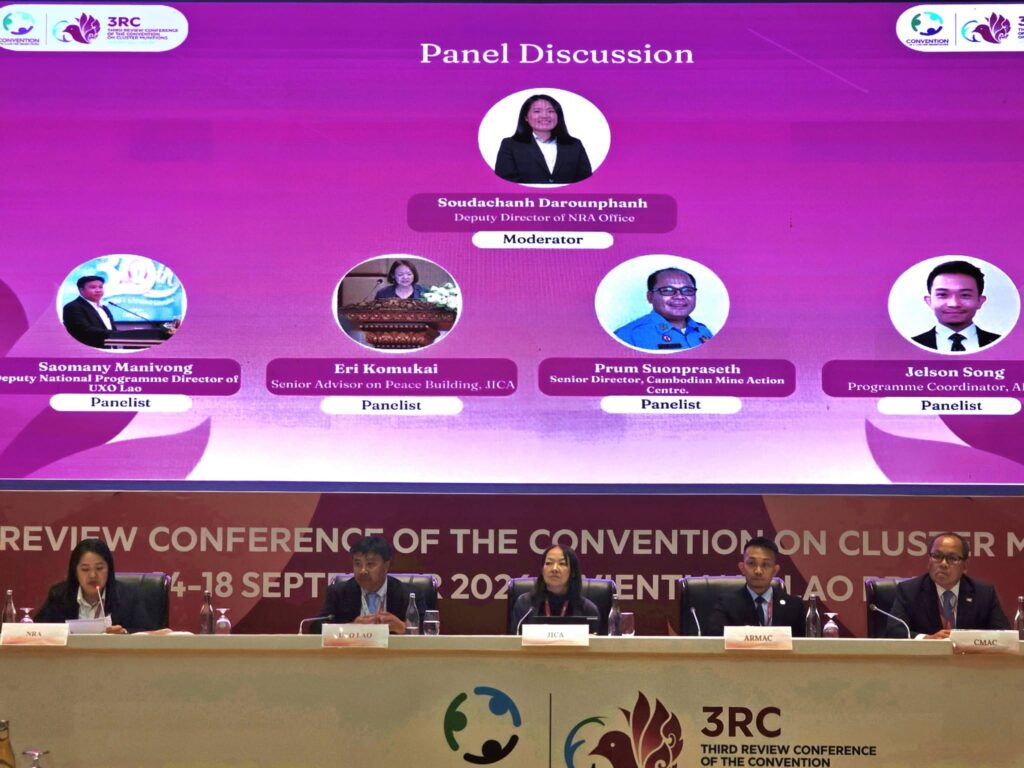
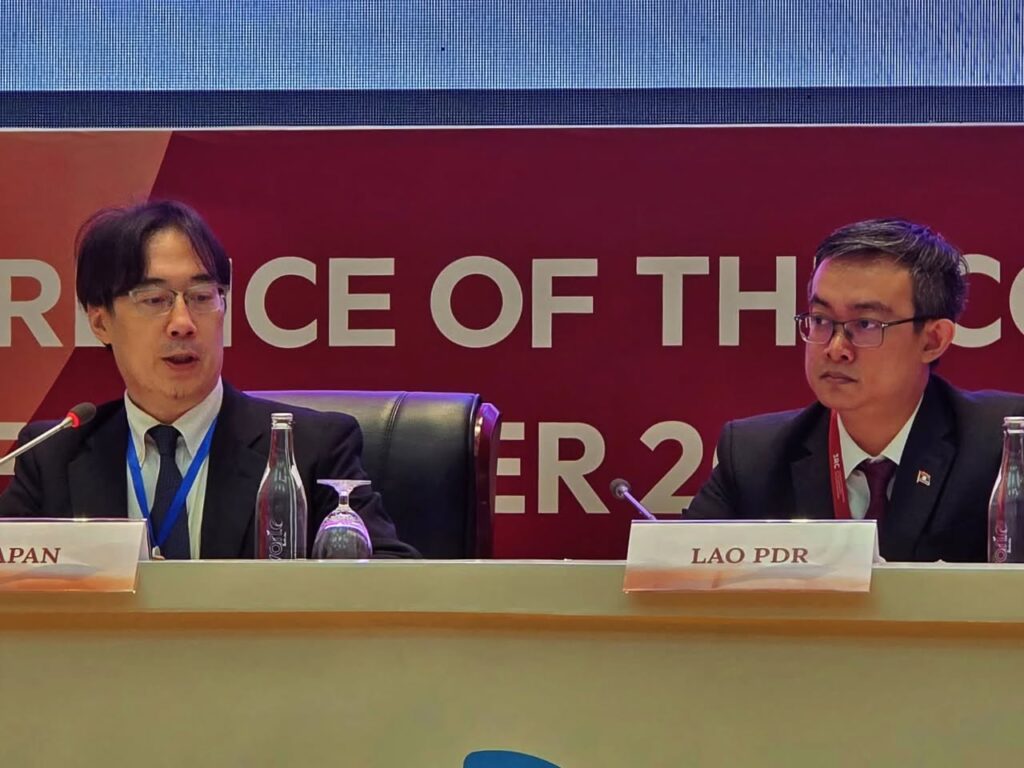
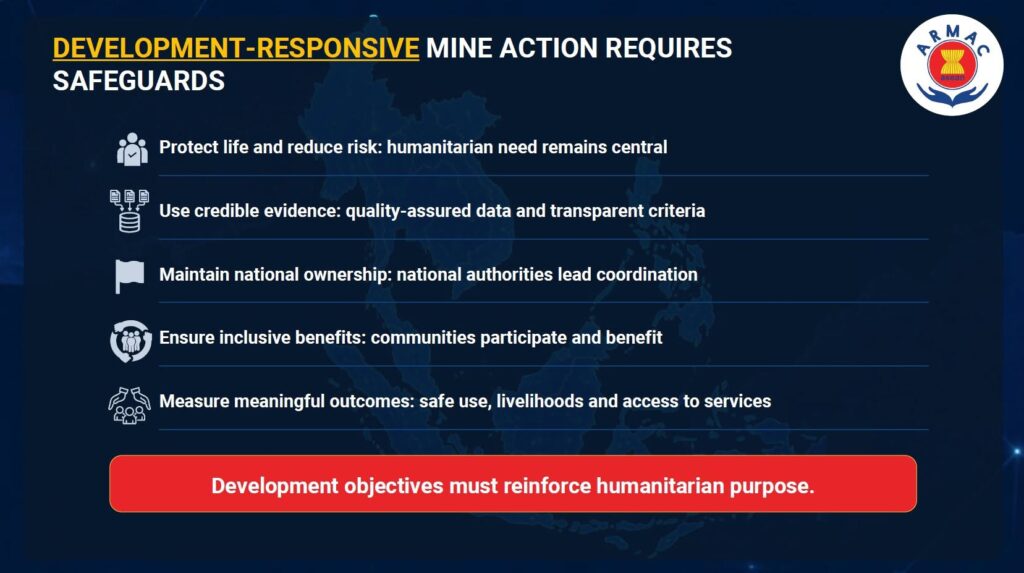
Against this important backdrop, Lao PDR and Japan hosted the side event “Lao PDR–Japan Partnership for Nationally Owned and Sustainable UXO/Mine Action: Strengthening National Capacity for Development-linked UXO Clearance and Regional Cooperation.”
The event opened with remarks by the Deputy Director-General of the Department of International Organizations, Ministry of Foreign Affairs of Lao PDR, and Mr. Koga, Counsellor at the Embassy of Japan in Lao PDR.
The discussion showed what a sustained partnership can achieve when national ownership remains at its centre. Long-term cooperation can help national institutions strengthen their systems, retain expertise and connect humanitarian UXO clearance with national development priorities, while keeping humanitarian principles and affected communities at the heart of decisions.
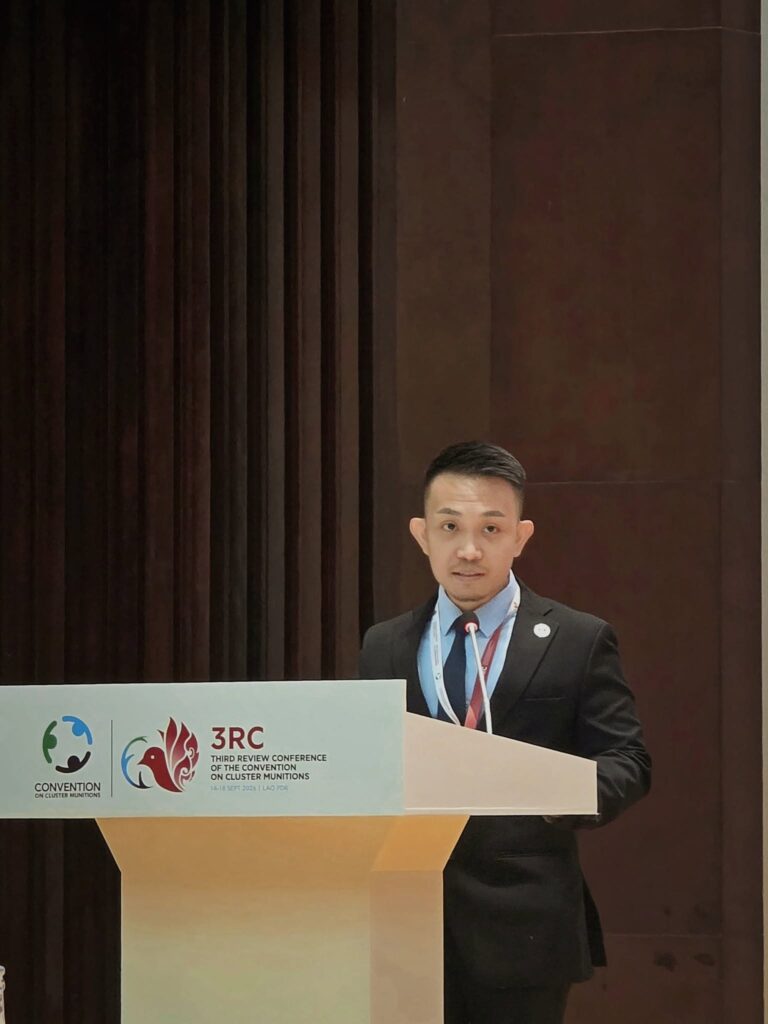
Joining representatives of UXO Lao, JICA and CMAC, ARMAC’s Programme Coordinator – Mine Action, Mr. Jelson Song, contributed a regional perspective drawn from the varied experiences of ASEAN Member States.
ARMAC’s message was clear: ASEAN does not need a single mine-action model. Countries need practical ways to exchange tested experience, understand the conditions that made it effective and adapt relevant lessons to their own national systems.
Regional cooperation succeeds when knowledge travels across borders while national ownership remains firmly at home.
ARMAC remains committed to helping ASEAN Member States turn national experience into shared regional learning, stronger institutions and safer development outcomes for affected communities.
05 Sep
Beyond Clearance: Witnessing How Mine Action Makes Recovery Possible
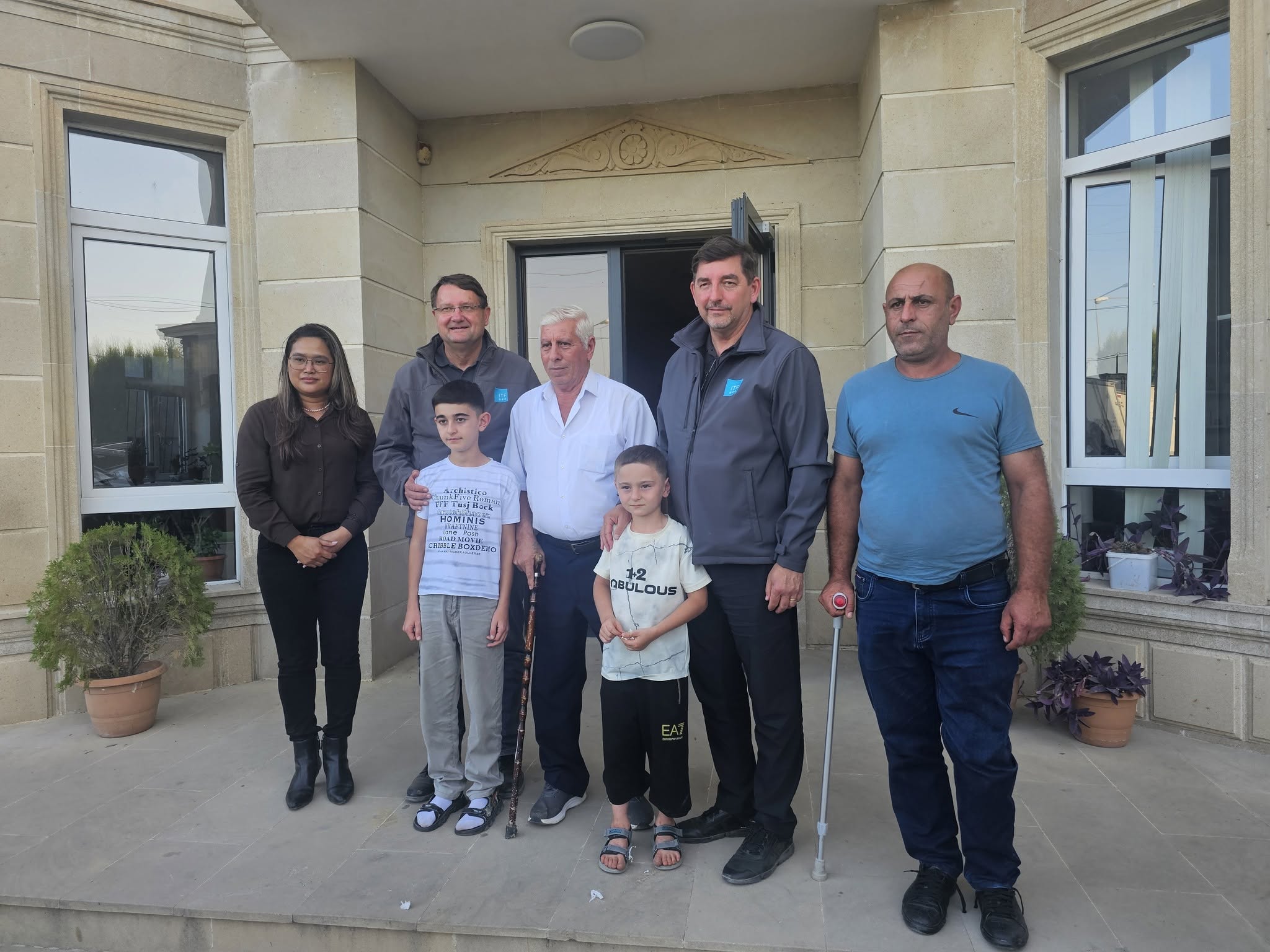
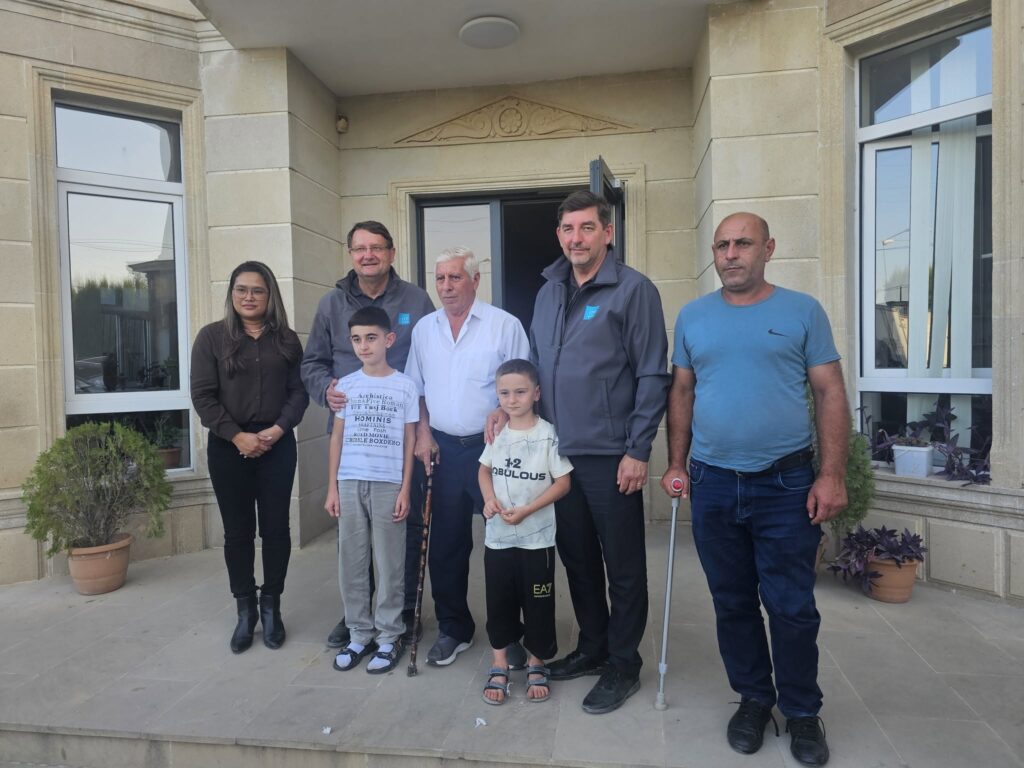
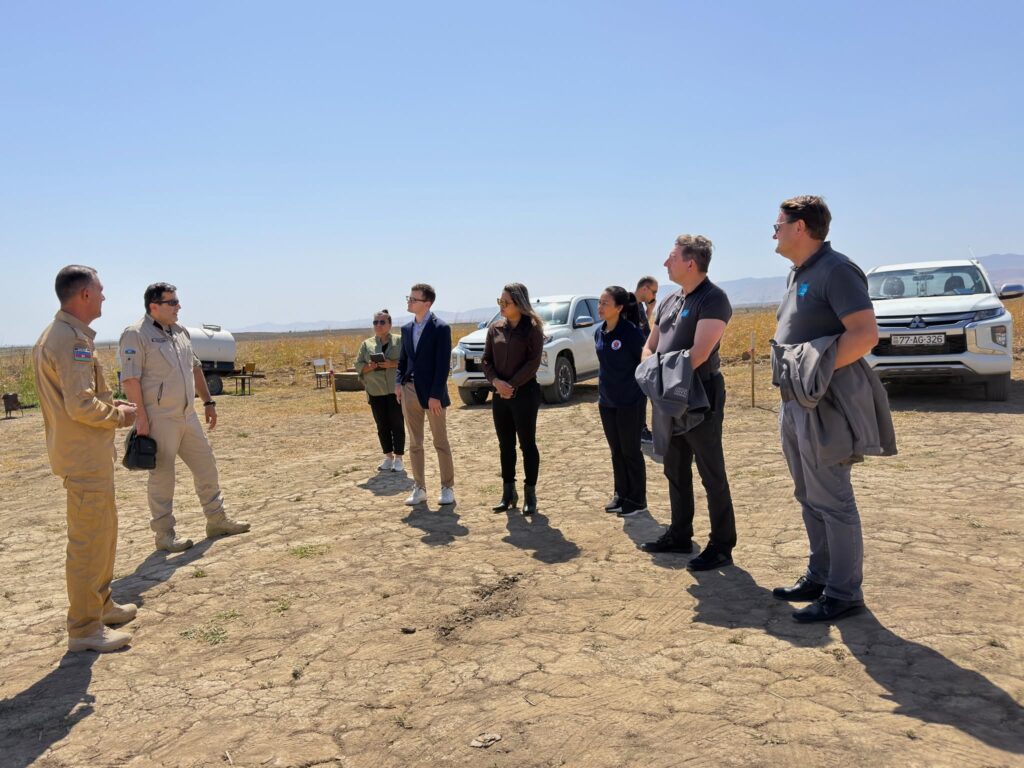
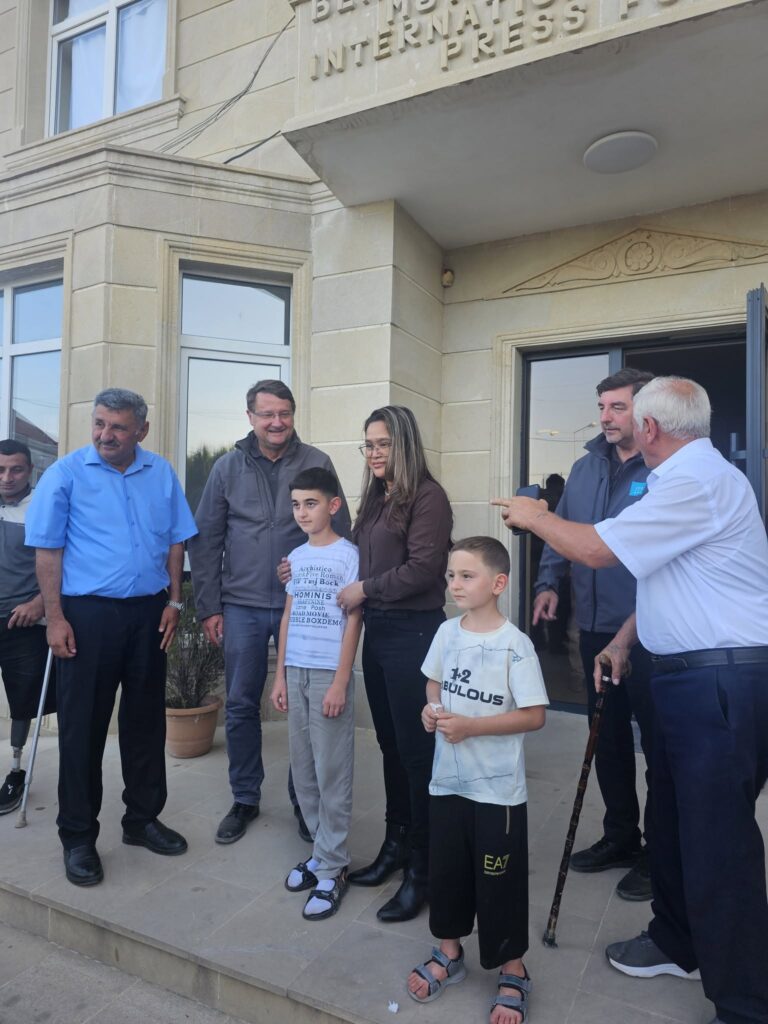
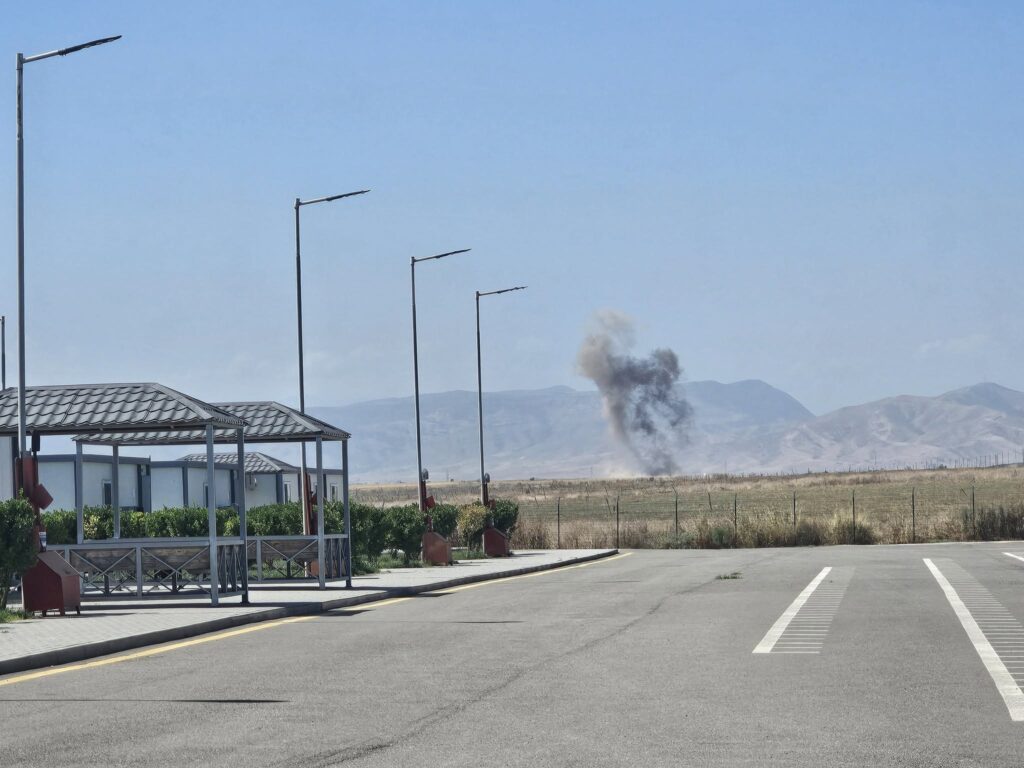
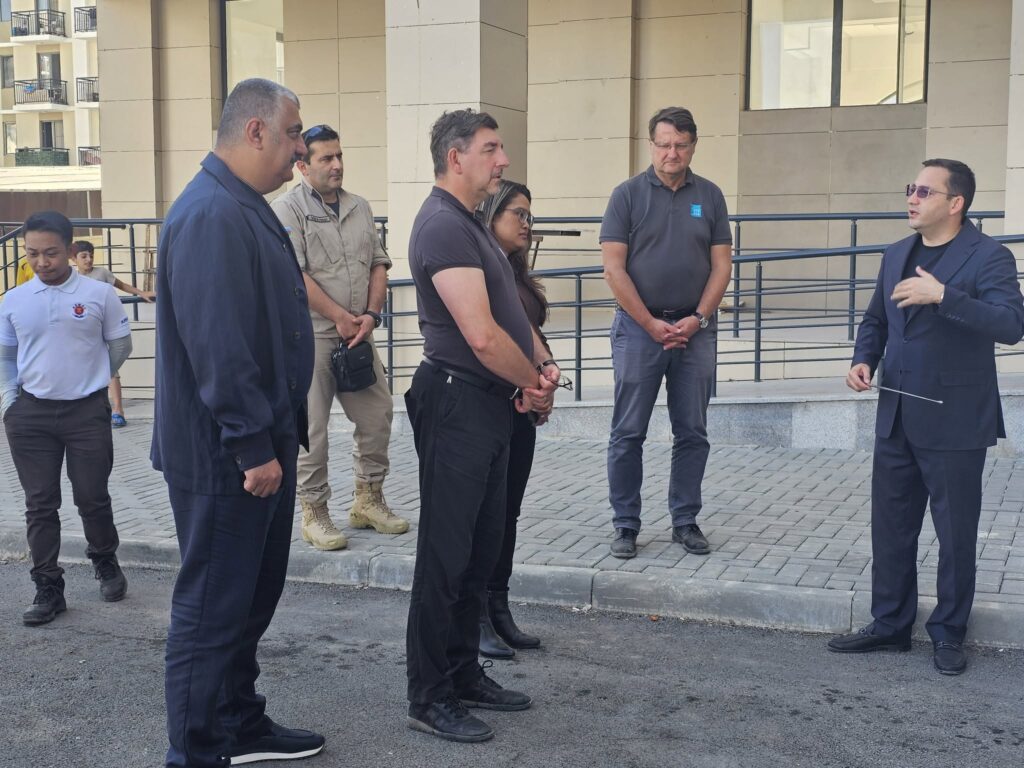
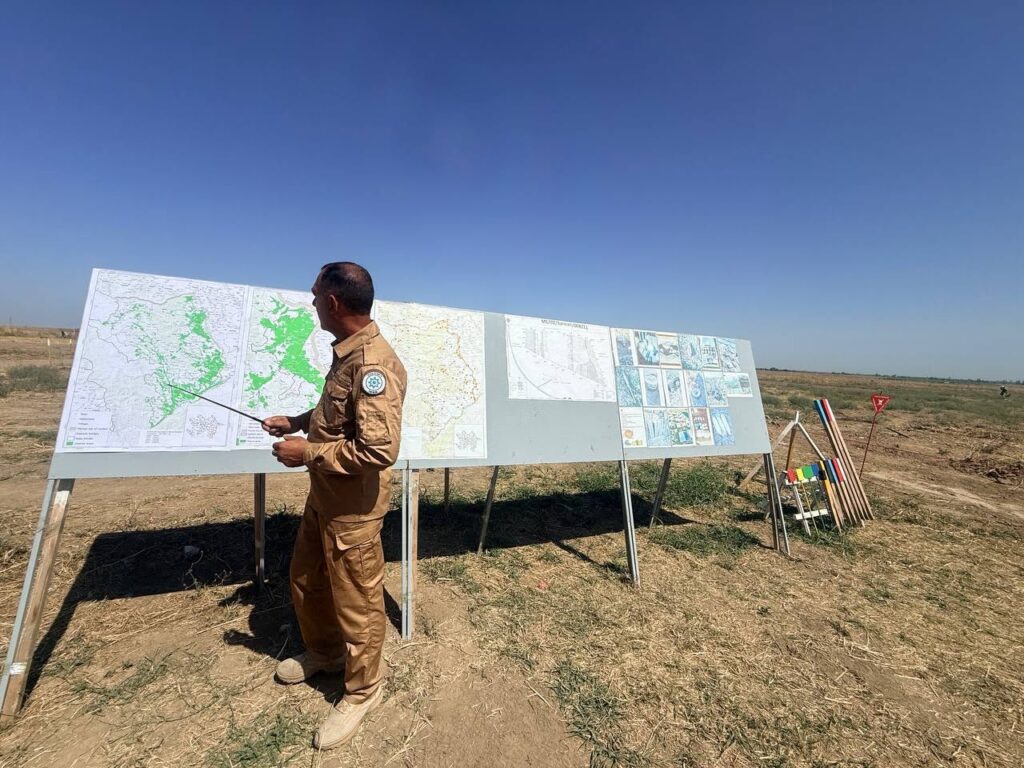
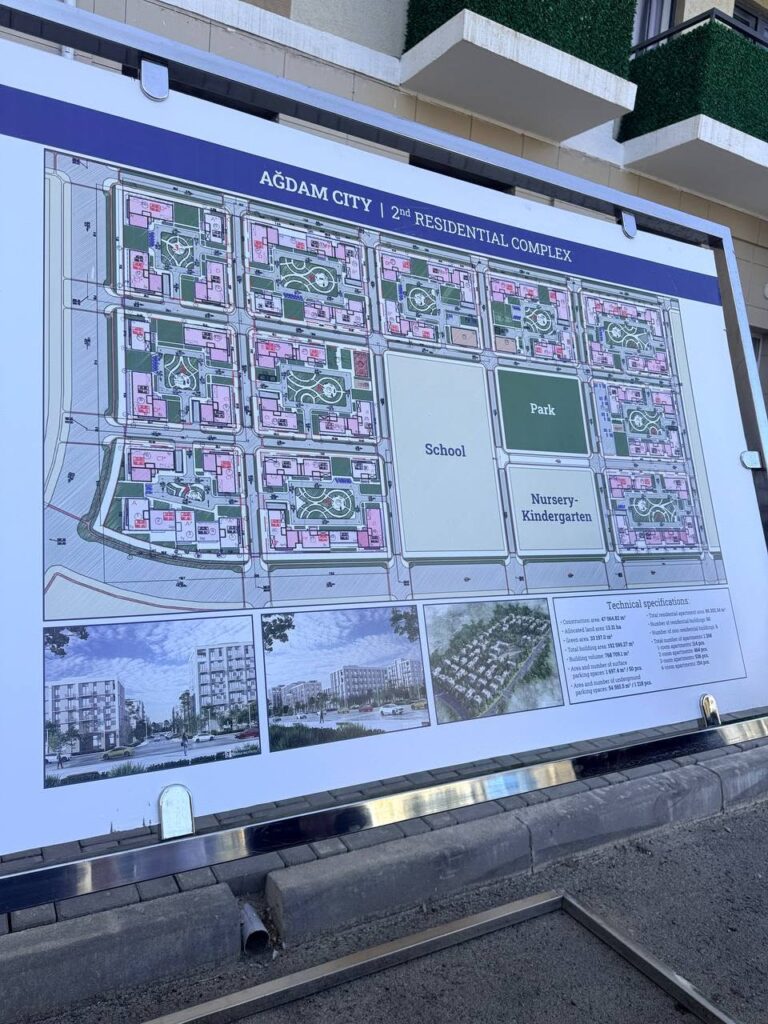
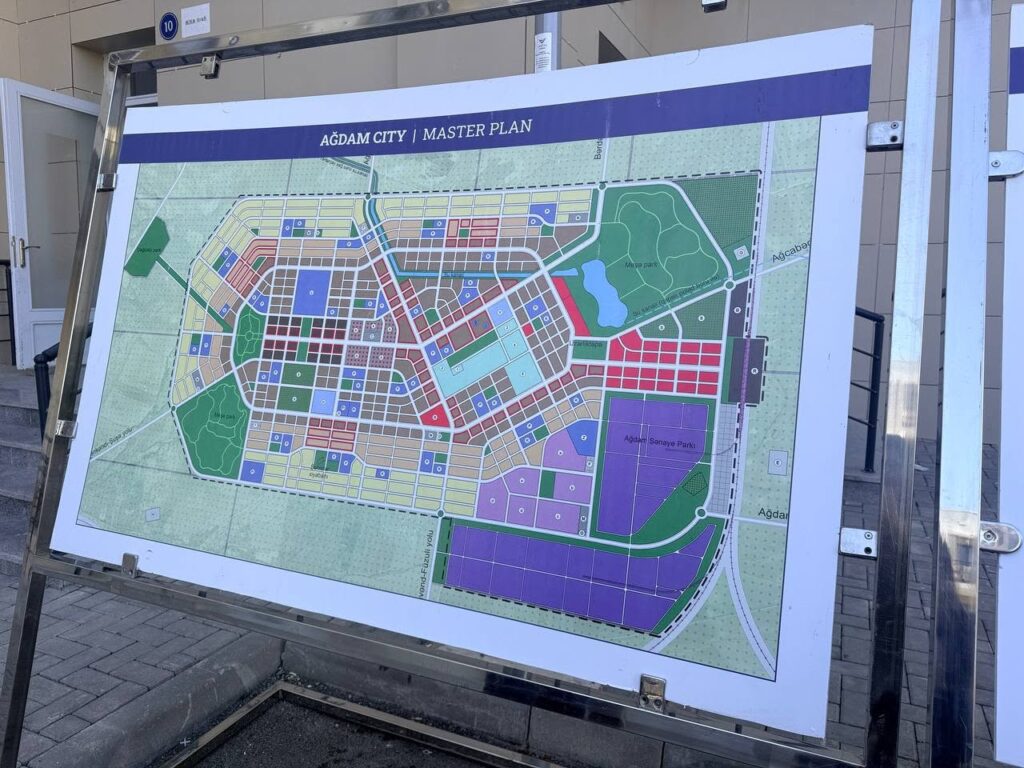
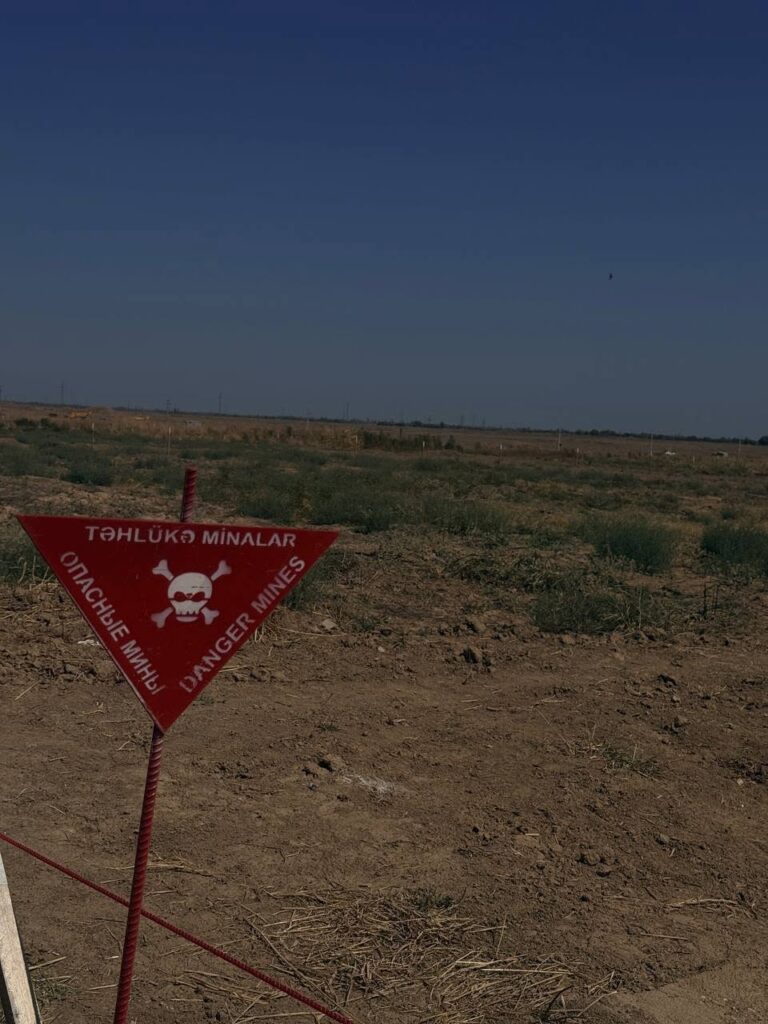
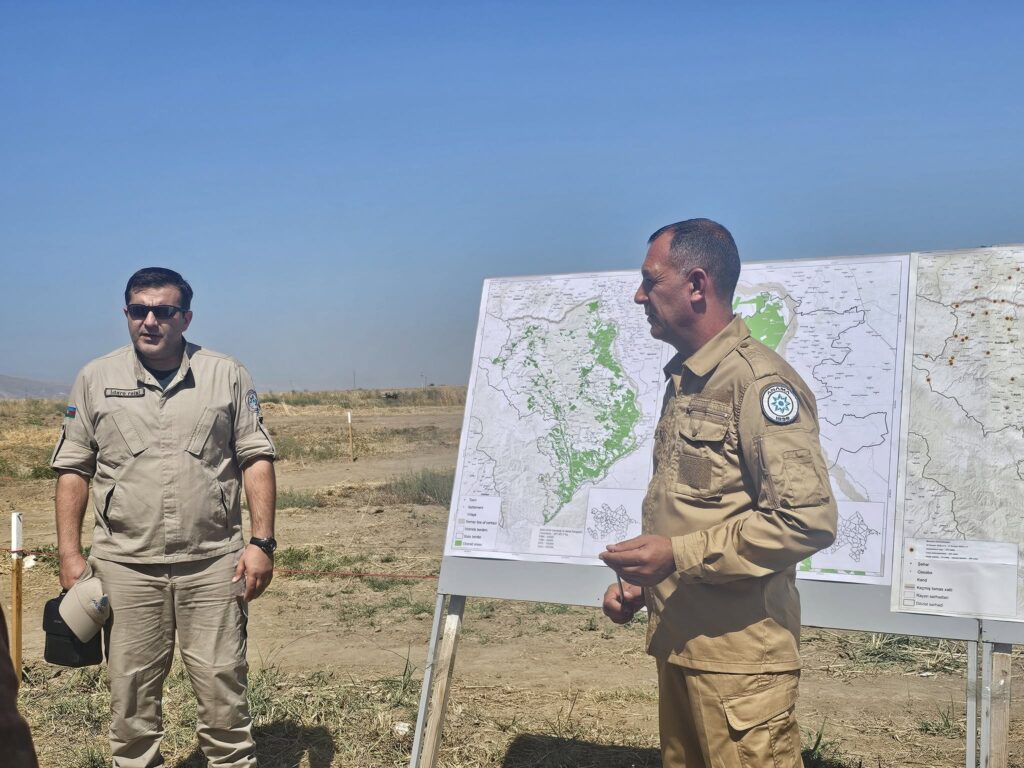
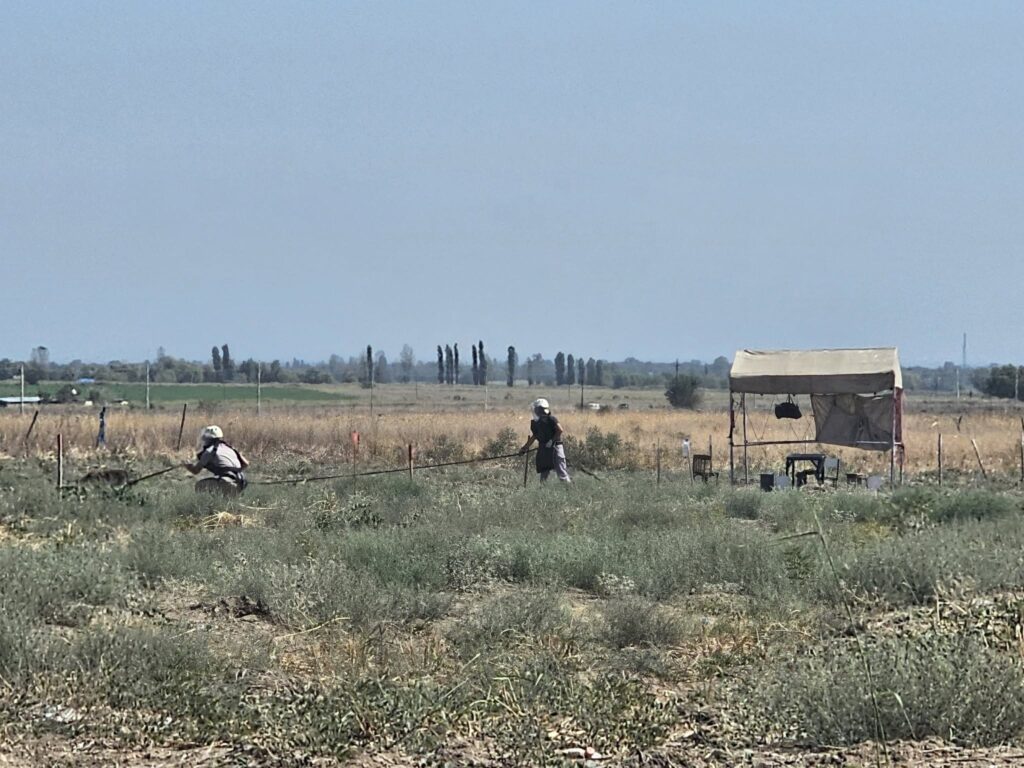
During its mission to Azerbaijan, the ASEAN Regional Mine Action Center (ARMAC) had the honour of joining ITF Enhancing Human Security for a field visit to Aghdam and the wider Qarabagh region, generously hosted by the Mine Action Agency of the Republic of Azerbaijan (Mine Action Agency of the Republic of Azerbaijan – ANAMA). ARMAC was privileged to undertake the visit alongside Dr. Aleš Musar, First Gentleman of the Republic of Slovenia and Member of the ITF Board of Trustees, and Ambassador Tomaž Lovrenčič, Director of ITF Enhancing Human Security.
The visit offered a powerful opportunity to witness the full human journey of mine action — from the lasting consequences of explosive ordnance to what becomes possible when land is made safe again.
The delegation heard deeply moving accounts from landmine survivors and affected families. Among them was the story of a child who witnessed the loss of his father in a mine accident — a painful reminder that behind every casualty figure is a person, a family and a story that continues long after the incident.
Yet alongside these difficult stories, the delegation witnessed remarkable transformation. In areas once heavily affected by explosive ordnance, clearance is enabling roads, infrastructure and communities to return. The scale and pace at which mine action is being translated into recovery and development left a profound impression on ARMAC.
Mine action does not end when an explosive item is removed.
Clearance creates the conditions for people to return.
Victim assistance helps people rebuild their lives.
Risk education helps communities live more safely.
And recovery turns safe land into opportunity and a future.
The visit also provided a valuable opportunity to exchange perspectives with Dr. Musar, Ambassador Lovrenčič, ANAMA and international partners on how humanitarian mine action can contribute to human security, recovery and sustainable development.
ARMAC extends its sincere appreciation to ANAMA and its leadership for making this important visit possible and for sharing Azerbaijan’s experience, achievements and lessons with the delegation.
As an ASEAN regional centre of excellence, ARMAC remains committed to connecting international experience with regional dialogue, knowledge exchange and cooperation among ASEAN Member States.
Because the true impact of mine action is measured not only by what is removed from the ground, but by the lives, communities and futures that can be rebuilt upon.
02 Sep
Baku, Azerbaijan | 4th International Conference on Mine Action
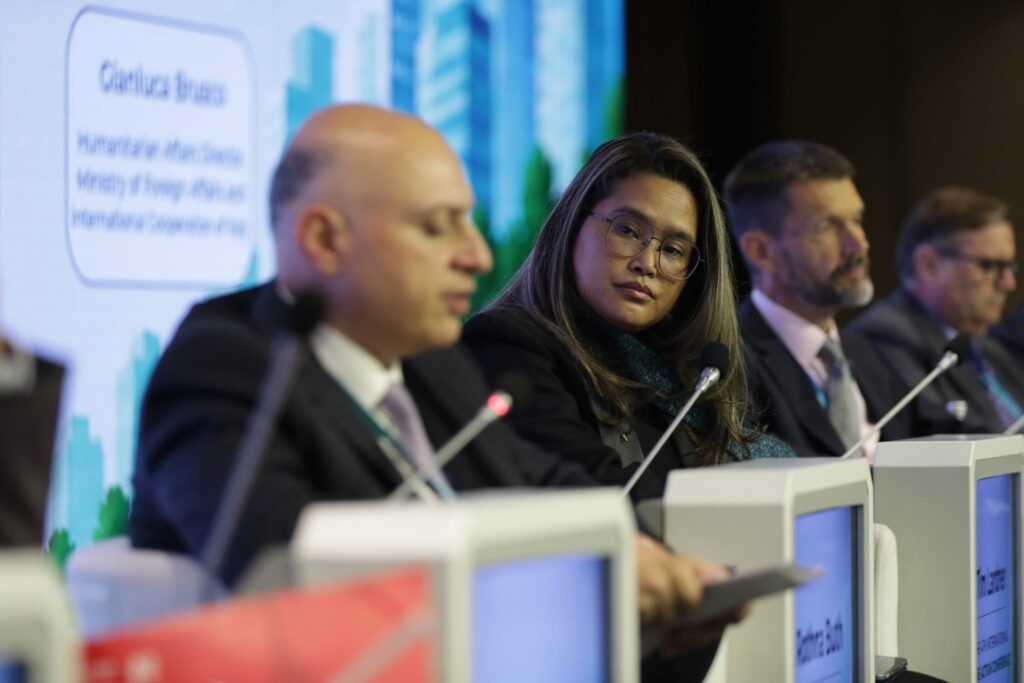
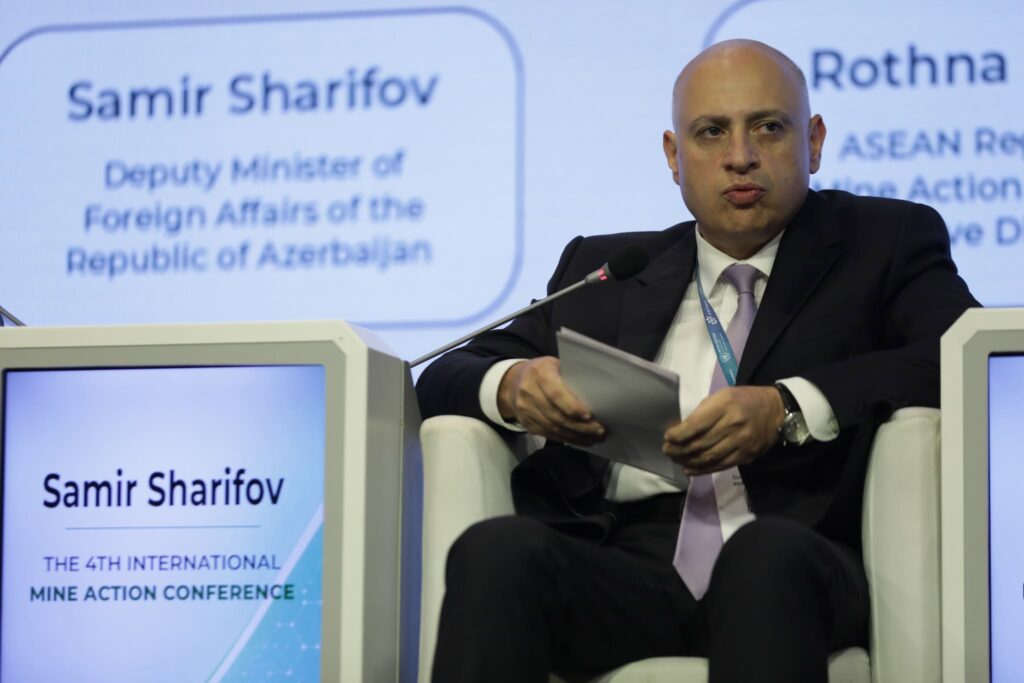
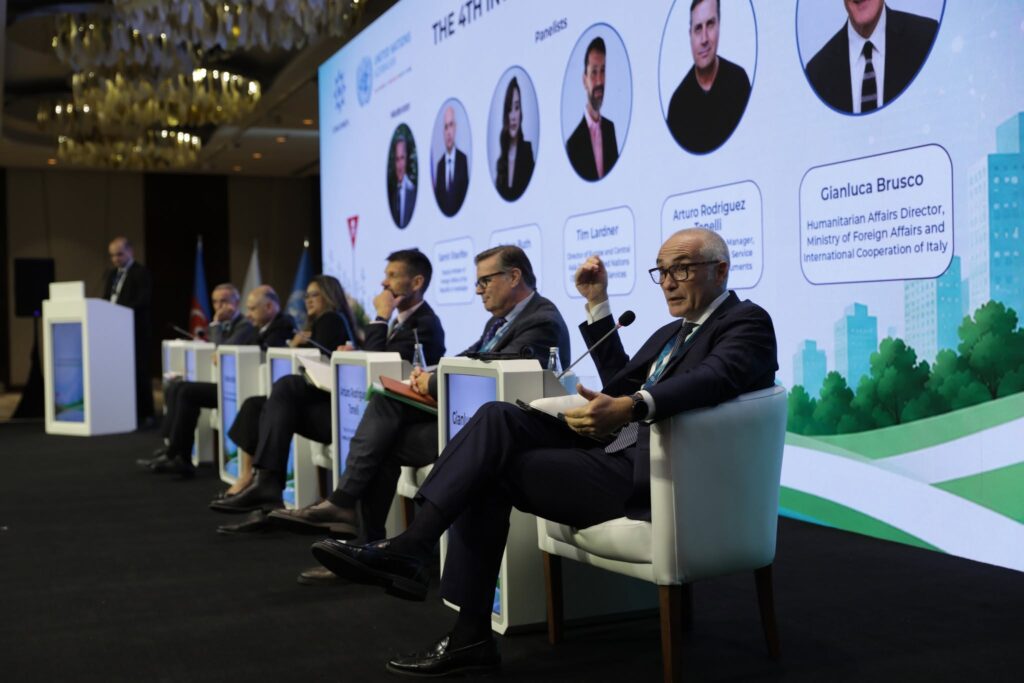
ARMAC was honoured to participate in the 4th International Conference on Mine Action in Baku, Azerbaijan, bringing together more than 400 participants from 65 countries, consisting of governments, national mine action authorities, international organisations and partners to exchange perspectives on advancing humanitarian mine action and supporting safe and sustainable recovery for mine-affected communities.
ARMAC congratulates the Government of the Republic of Azerbaijan and the Azerbaijan National Agency for Mine Action (Mine Action Agency of the Republic of Azerbaijan – ANAMA) on convening this important international gathering under the theme “Humanitarian Demining for Urban Recovery: Setting Standards of Excellence for Safe Settlements.”
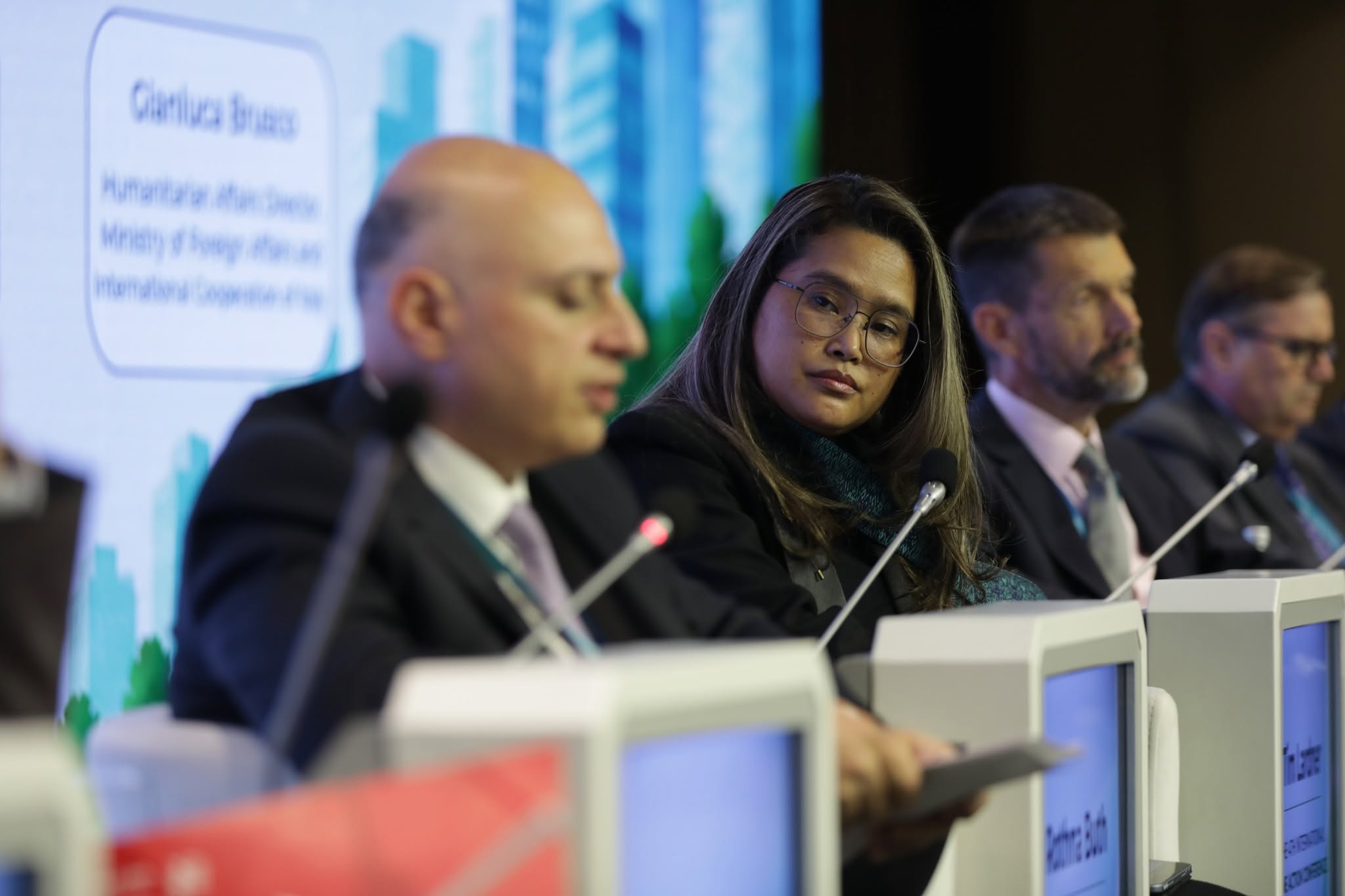
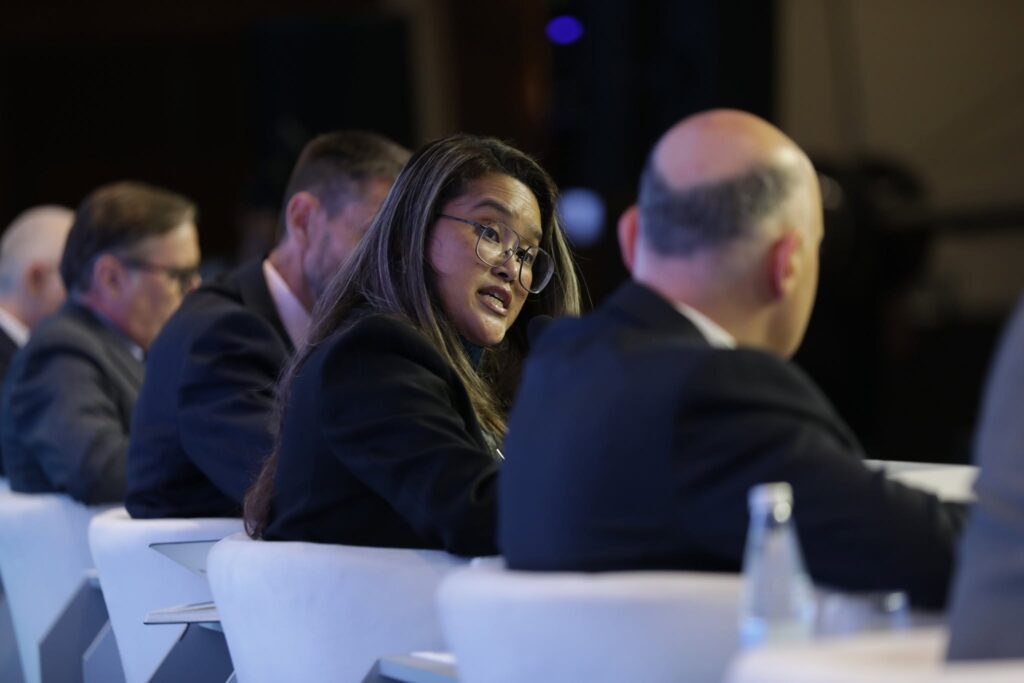
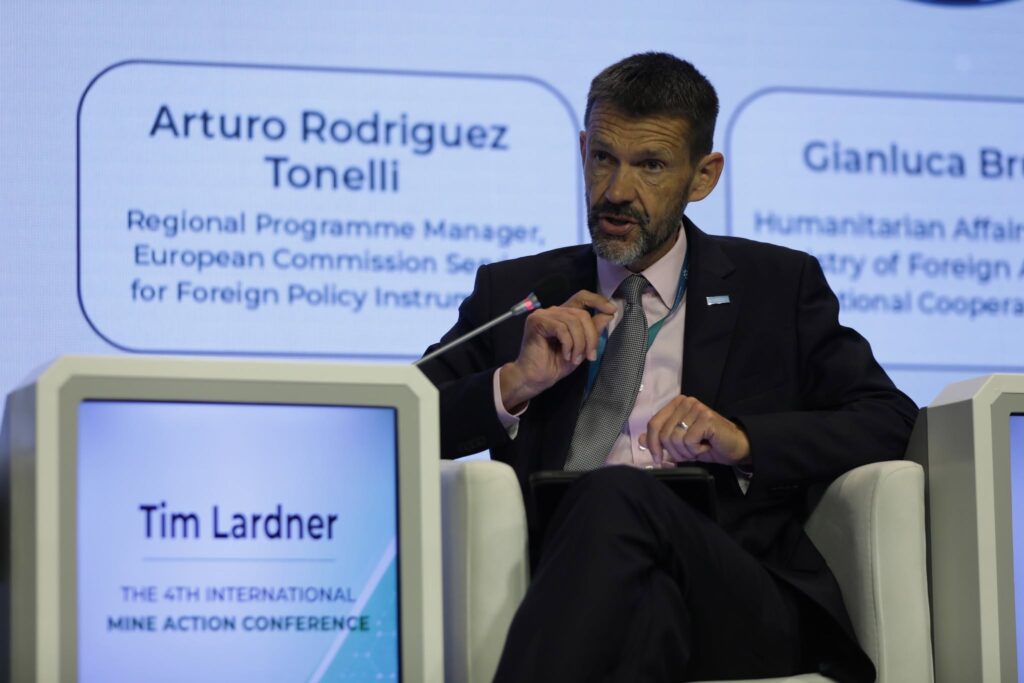
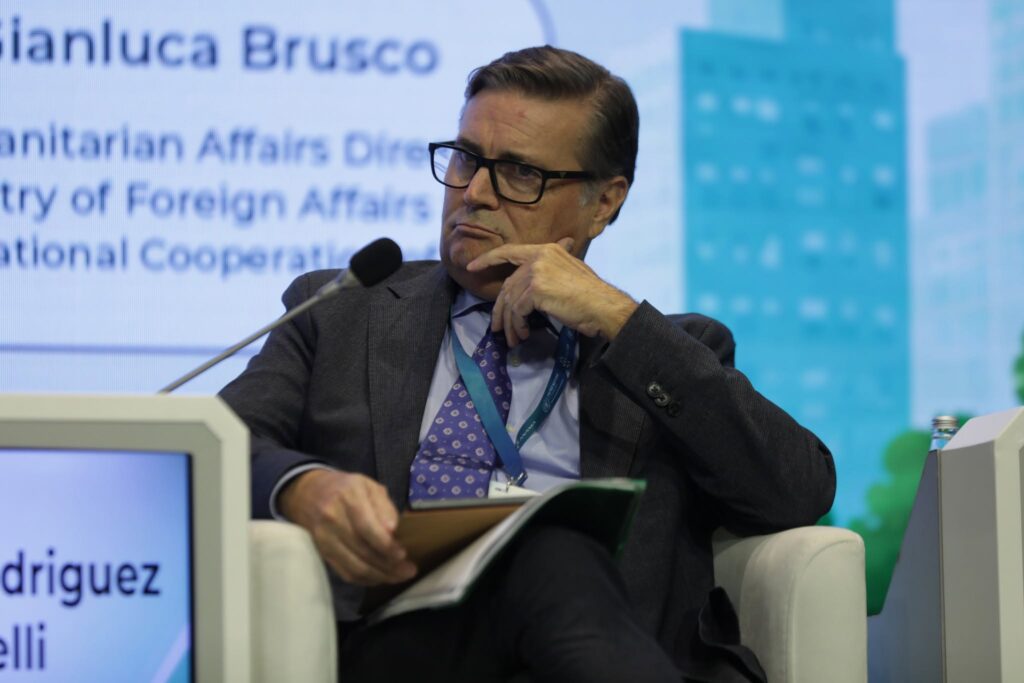
As part of the conference, ARMAC contributed to Panel II: “International Cooperation and Donor Mechanisms to Support Safe Recovery through Mine Action in Azerbaijan,” sharing ASEAN’s regional experience and perspectives on how regional cooperation can support mine-affected countries through peer learning, stronger institutional connections, sustained cooperation and confidence-building.
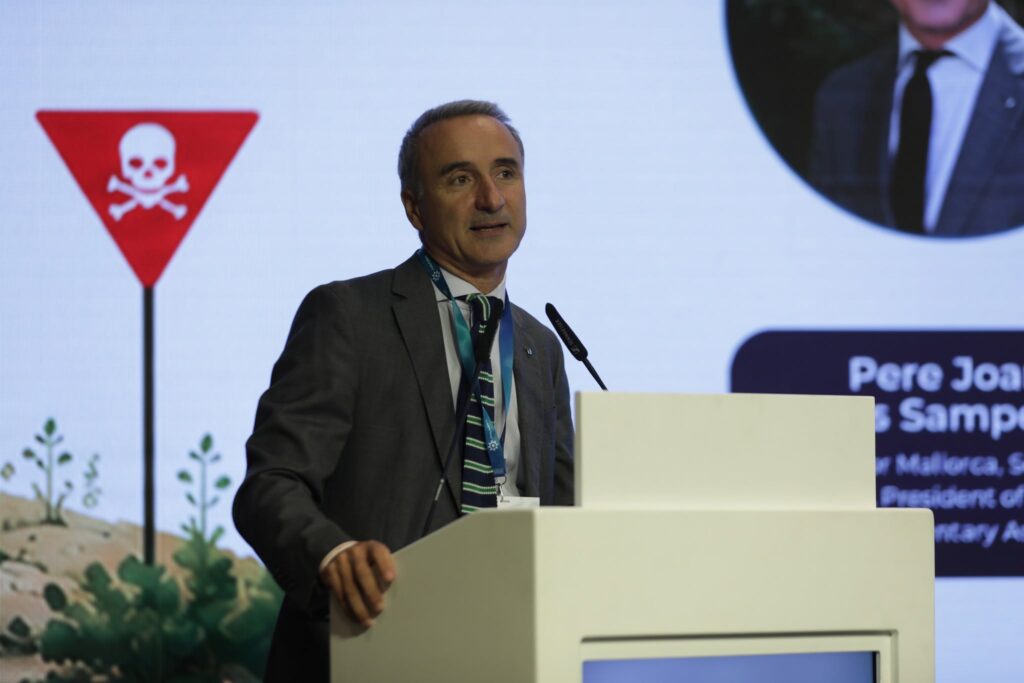
The panel was moderated by Mr. Pere Joan Pons Sampeitro, President of the OSCE Parliamentary Assembly, alongside distinguished panelists H.E. Mr. Samir Sharifov, Deputy Minister of Foreign Affairs of the Republic of Azerbaijan; Mr. Tim Lardner, Director of Europe and Central Asia Region, United Nations Office for Project Services; Mr. Arturo Rodriguez Tonelli, Regional Programme Manager, European Commission Service for Foreign Policy Instruments; And Mr. Gianluca Brusco, Humanitarian Affairs Director, Ministry of Foreign Affairs and International Cooperation of Italy.
ARMAC highlighted a simple principle from ASEAN’s experience: mine action must remain nationally owned and nationally led, but no mine-affected country should have to face its recovery journey alone. Regional and international cooperation can help countries learn from one another, connect expertise and institutions, build trust, and translate shared experience into practical action.
ARMAC extends its sincere appreciation to Azerbaijan and ANAMA for their warm hospitality and leadership, and congratulates all involved on a meaningful conference that continues to strengthen dialogue, partnership and international cooperation in humanitarian mine action.
Together, shared knowledge and stronger partnerships can contribute to safer recovery and a more secure future for affected communities.
26 Aug
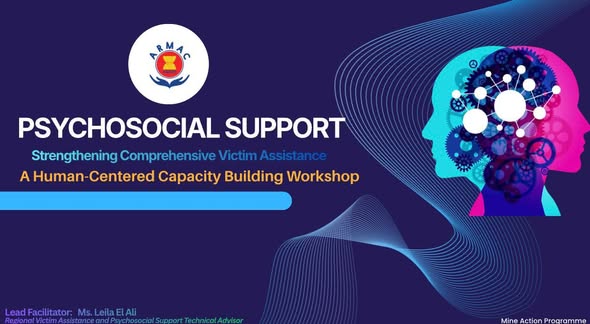
Strengthening Institutional Capacity for Comprehensive Victim Assistance
Victim assistance is one of the core mandates of the ASEAN Regional Mine Action Center (ARMAC). Strengthening this work requires not only an understanding of physical rehabilitation, but also of the psychological, social and economic factors that shape a survivor’s recovery and reintegration.
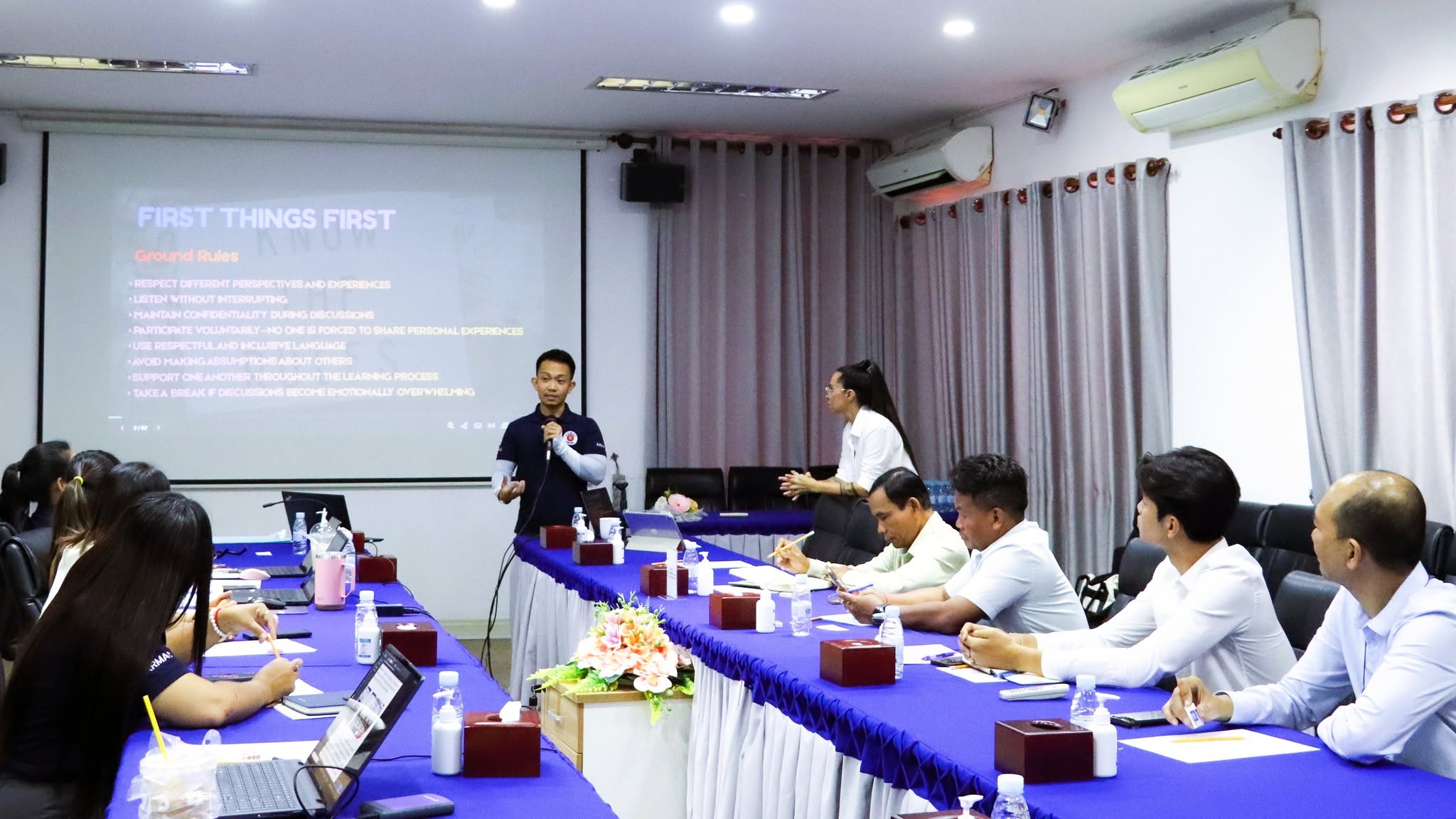
To deepen this understanding, ARMAC conducted a Psychosocial Support Capacity-Building Workshop for its personnel, facilitated by ARMAC’s Regional Technical Advisor for Victim Assistance and Psychosocial Support – Ms. Leila El Ali.
Through reflection exercises, role plays, group discussions and practical activities, participants explored the visible and invisible impacts experienced by survivors and persons with disabilities, including fear, anxiety, shame, grief, changes in identity and loss of confidence. Discussions also highlighted how some of these impacts can be reinforced by the way families, communities and society respond to survivors.
A key focus of the workshop was the importance of listening and supportive communication. Participants examined how interrupting, judging, asking intrusive questions becomes barrier to good listening.
The workshop also reinforced that recovery is not a straight line. Like pieces of a puzzle, psychological well-being, family and peer support, access to services, identity and purpose, physical accessibility, education, livelihoods and social inclusion are interconnected. The needs and priorities of each survivor may also differ throughout their recovery journey.
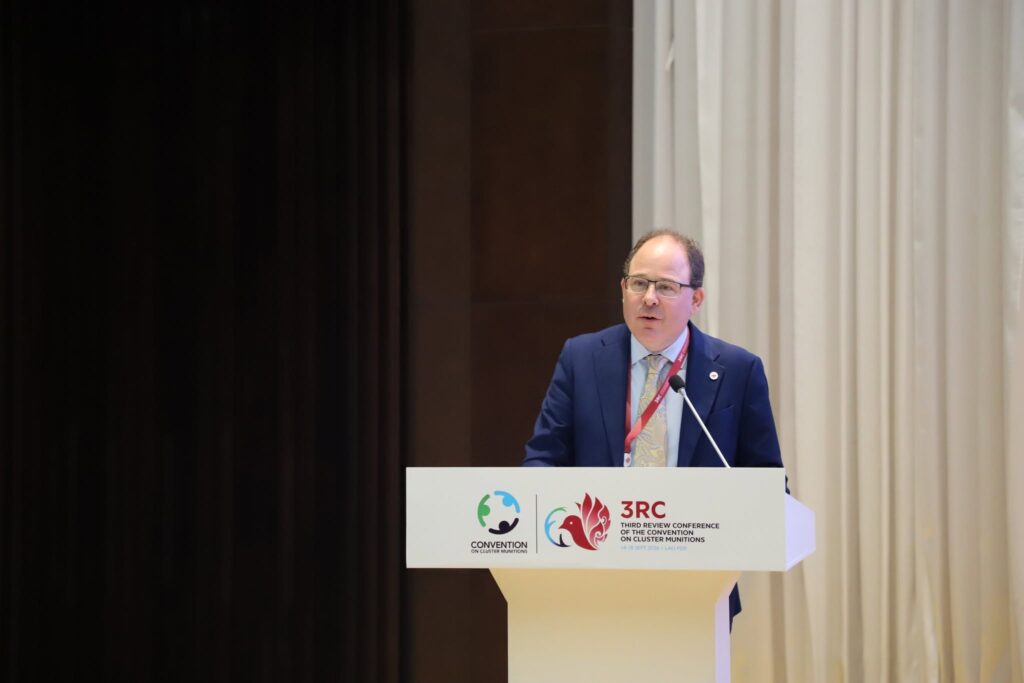
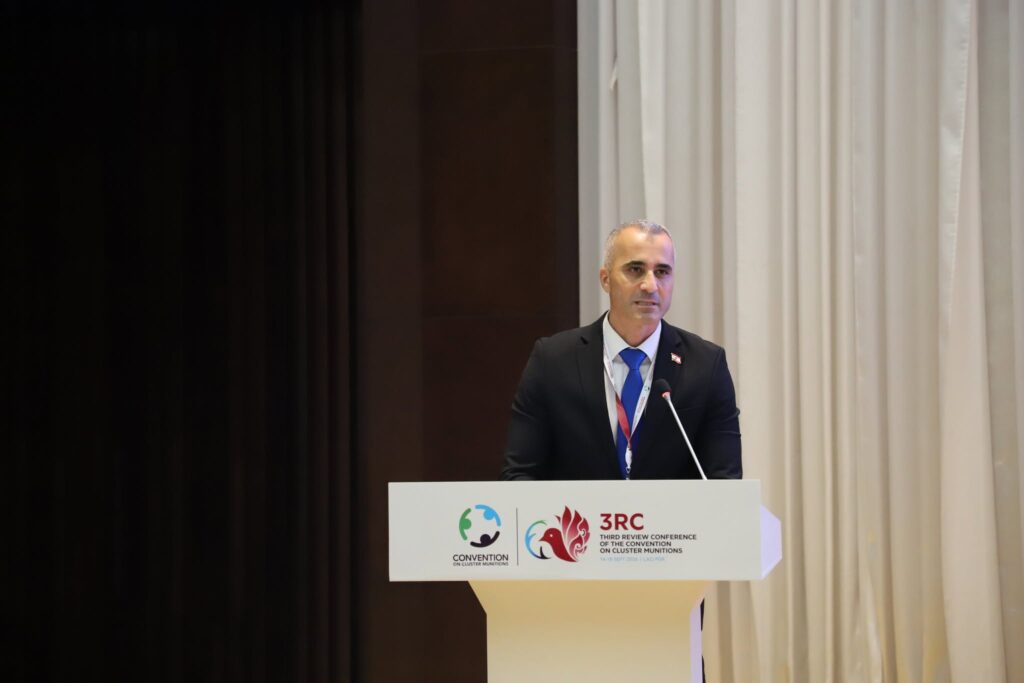

By strengthening this understanding internally, ARMAC continues to build its institutional capacity to support ASEAN Member States in advancing survivor-centred approaches that promote dignity, confidence, well-being, participation and meaningful inclusion.
What changes when we see the person—not only the injury?
Join ARMAC in advancing survivor-centred victim assistance across ASEAN. Through psychosocial support, training, and capacity-building, we can help address the wider needs of people and communities affected by explosive ordnance.
ASEAN Member States, practitioners, and relevant stakeholders are invited to engage with ARMAC’s initiatives and explore opportunities for collaboration. To learn more, contact secretariat@aseanmineaction.org.
25 Aug
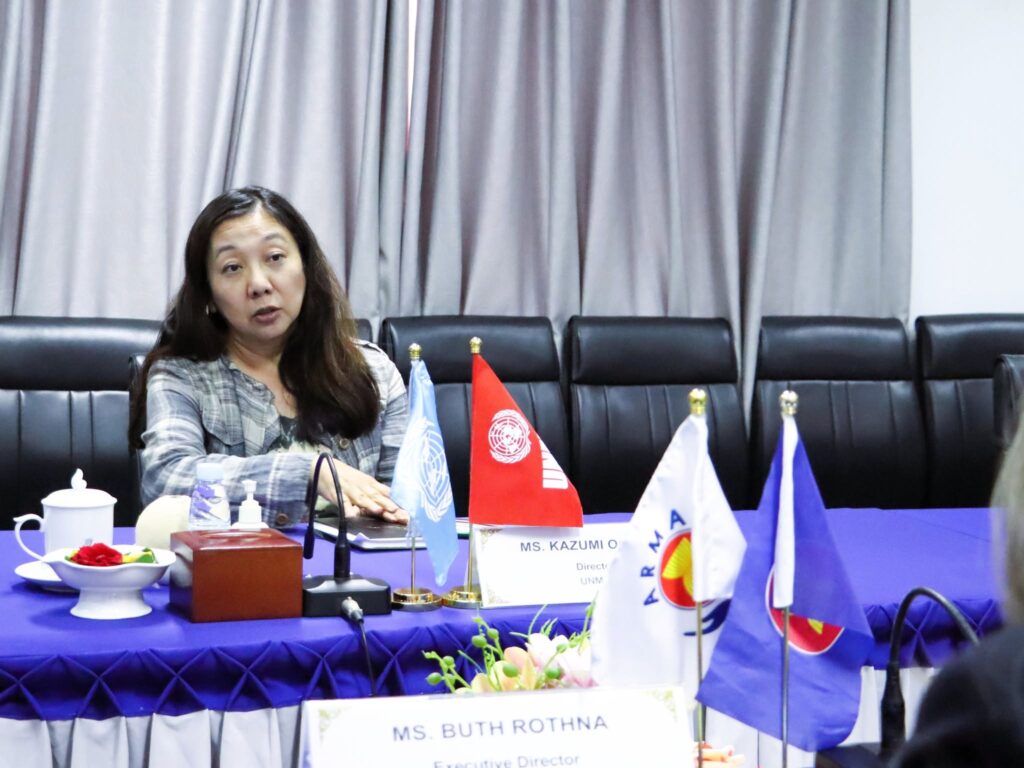
ARMAC welcomed Ms. Kazumi Ogawa, Director of the United Nations Mine Action Service (UNMAS), to the ARMAC Permanent Secretariat in Phnom Penh for an exchange on regional cooperation in humanitarian mine action.
The discussion explored how national experiences can support regional learning, and how regional platforms can help connect these experiences with wider international knowledge and practice. The exchange focused on national ownership, South-South and triangular cooperation, knowledge sharing, and sustainable mine action.
For ARMAC, regional cooperation is grounded in the experience, capacities and priorities of ASEAN Member States. Connecting these strengths across borders creates opportunities for lessons and good practices from one context to benefit others.
ARMAC values the dialogue with UNMAS and looks forward to exploring opportunities to connect ASEAN expertise with broader global experience and contribute ASEAN perspectives to international mine action learning.
© ARMAC 2023 . All rights reserved.