
Blog

25 Aug
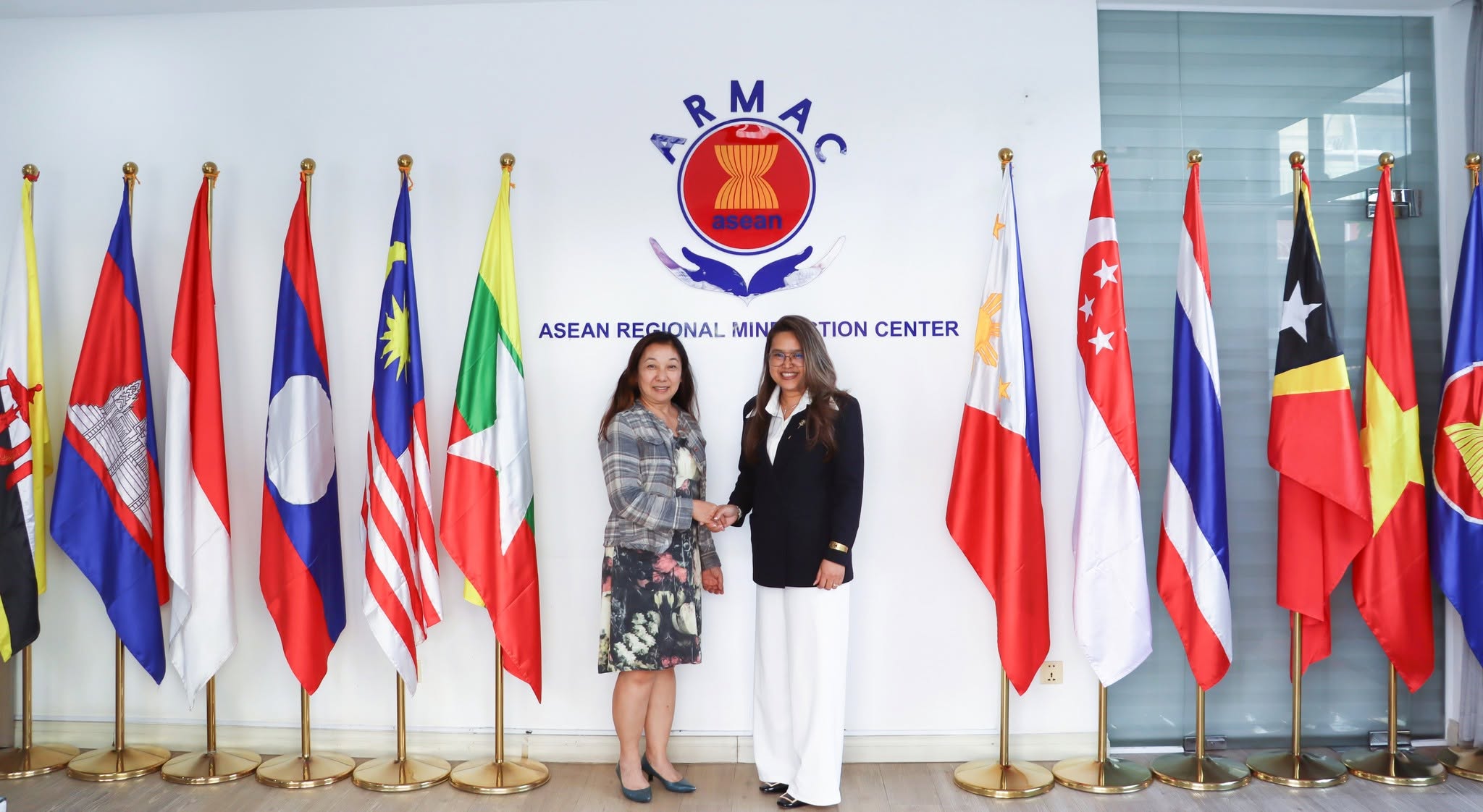
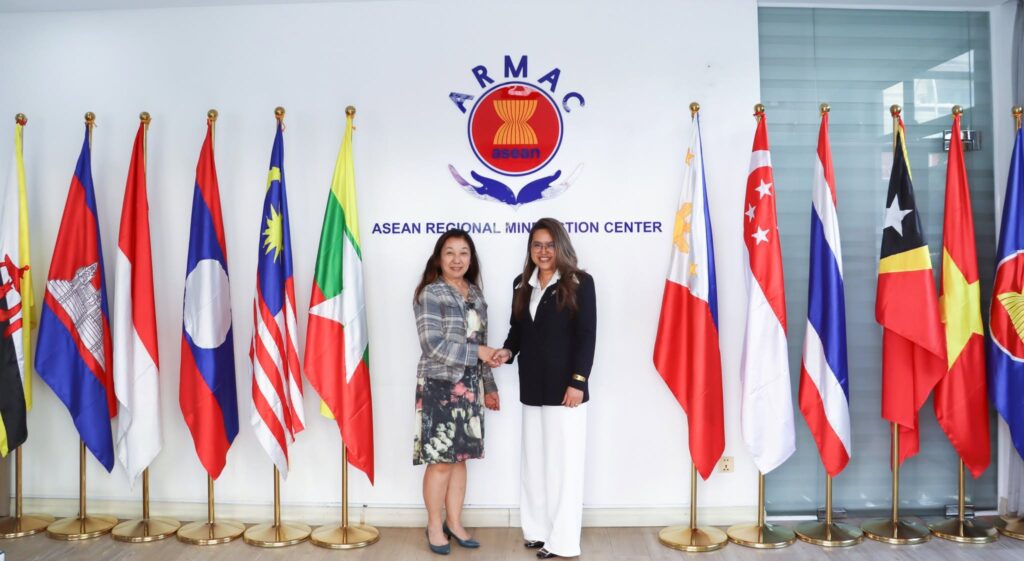
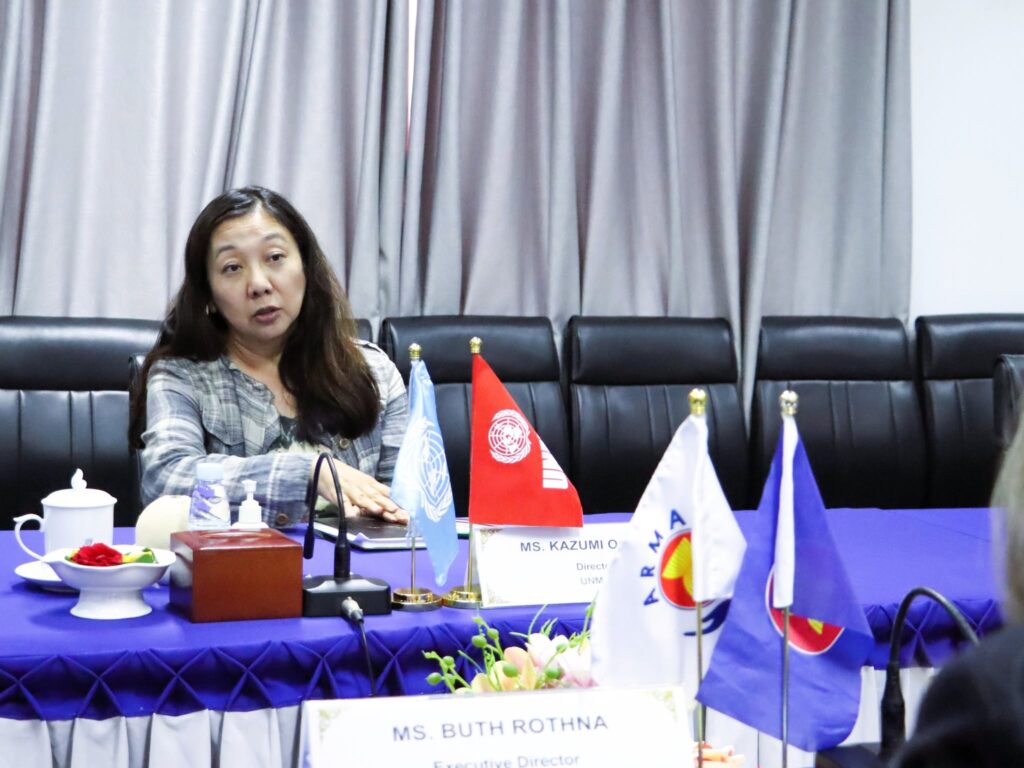
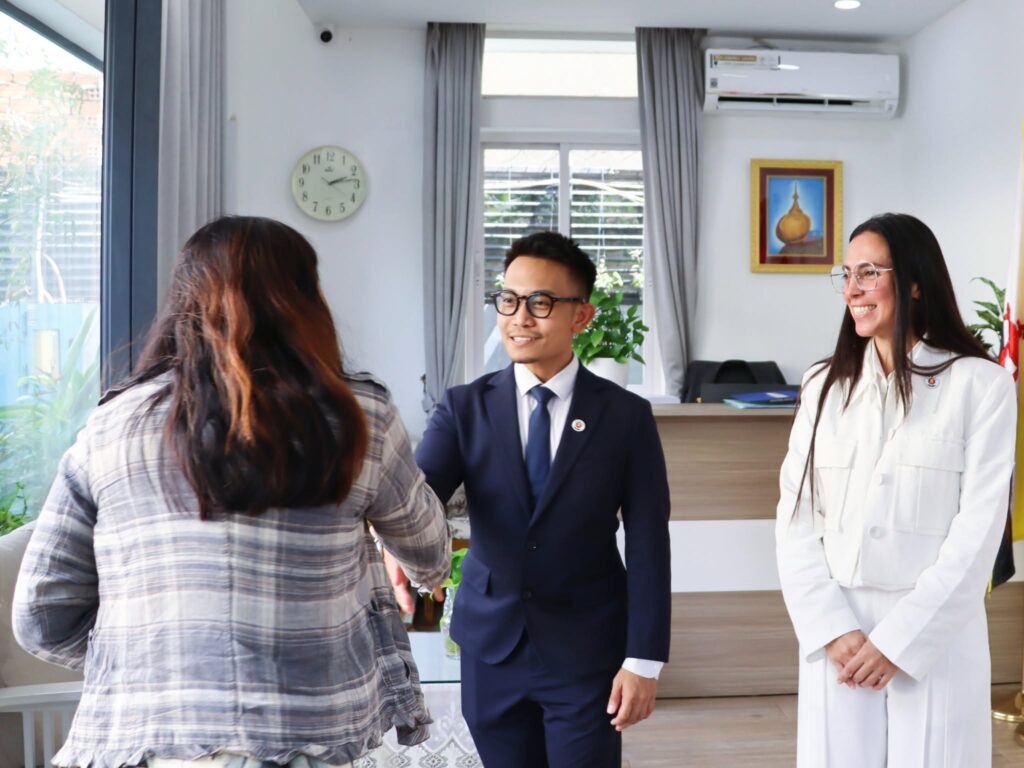
ARMAC welcomed Ms. Kazumi Ogawa, Director of the United Nations Mine Action Service (UNMAS), to the ARMAC Permanent Secretariat in Phnom Penh for an exchange on regional cooperation in humanitarian mine action.
The discussion explored how national experiences can support regional learning, and how regional platforms can help connect these experiences with wider international knowledge and practice. The exchange focused on national ownership, South-South and triangular cooperation, knowledge sharing, and sustainable mine action.
For ARMAC, regional cooperation is grounded in the experience, capacities and priorities of ASEAN Member States. Connecting these strengths across borders creates opportunities for lessons and good practices from one context to benefit others.
ARMAC values the dialogue with UNMAS and looks forward to exploring opportunities to connect ASEAN expertise with broader global experience and contribute ASEAN perspectives to international mine action learning.
19 Aug
Jakarta Is a Starting Point, Not an Endpoint
After three days of presentations, national dialogue, operational exchange and hands-on design, the workshop closed its substantive discussions by returning to one question:
What happens next?
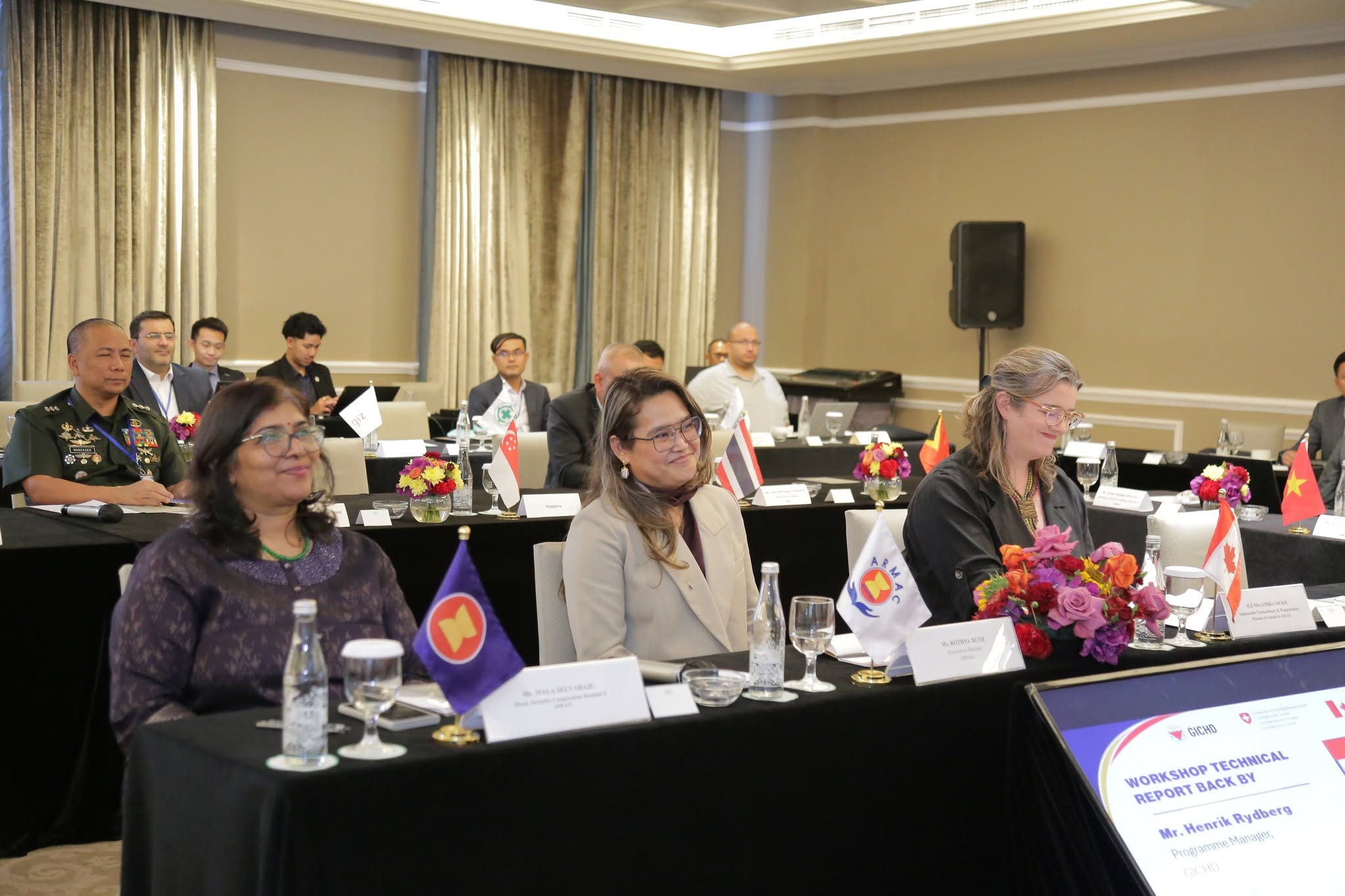
The Final Reflection and Way Forward was moderated by Ms. Mala Selvaraju, Assistant Director, Security Cooperation Division 2, ASEAN Secretariat, who invited participants to reflect not only on what they had learned, but on what their own institutions could begin doing before the region meets again.
The discussion brought the workshop’s central messages into focus.
First, national ownership remains fundamental. Regional cooperation should complement and strengthen national systems while respecting national authority, institutional mandates and different operational contexts.
Second, regional cooperation must provide practical value. The AIM Hub should be judged by whether it helps Member States strengthen capacity, exchange knowledge, improve information management, support appropriate interoperability and make better-informed decisions.
Third, trust will be essential. Clear governance, agreed information-sharing arrangements, safeguards, data quality and clarity on how information will be used are prerequisites for sustained participation.
Fourth, people and institutions matter as much as technology. A platform cannot substitute for human capacity, institutional commitment and trusted relationships.
Fifth, implementation should be practical and progressive. Not every possible function needs to be built immediately. Begin with the priorities that offer clear regional value, learn from implementation, and expand as agreement, capacity and resources grow.
And finally: Jakarta is a starting point, not an endpoint.
The strength of ASEAN does not come from making every national system the same. It comes from learning from one another, connecting what already exists, identifying where cooperation adds value, and building trust around what Member States choose to develop together.
The AIM Hub is therefore not simply a technology project.
Its real value will come from the people it connects, the knowledge it makes accessible, the capacity it helps strengthen and the cooperation it enables.
18 Aug
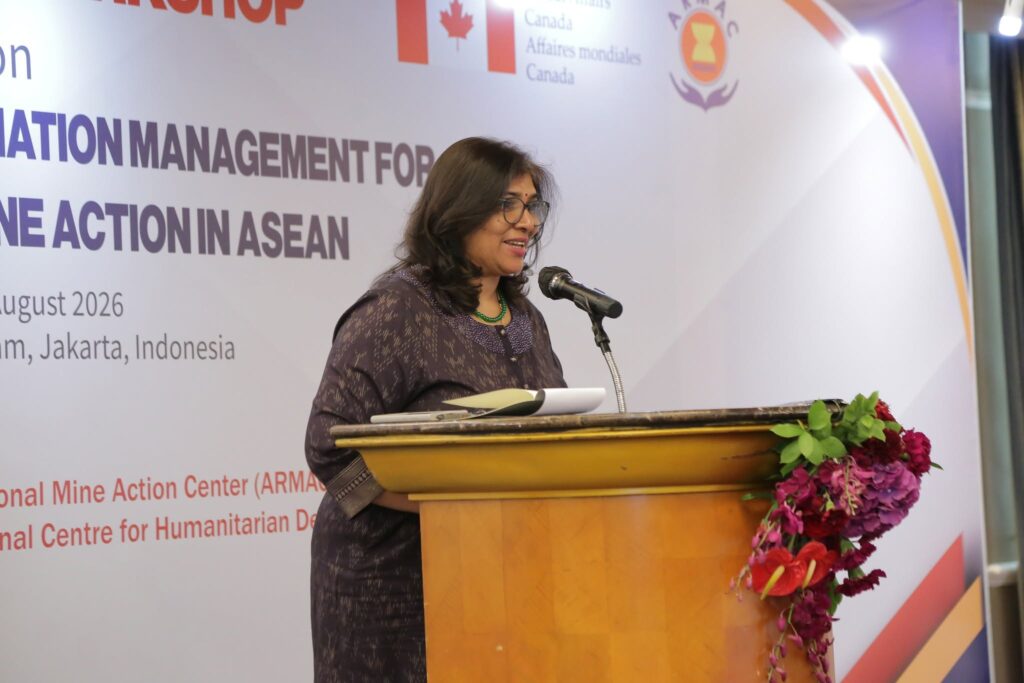
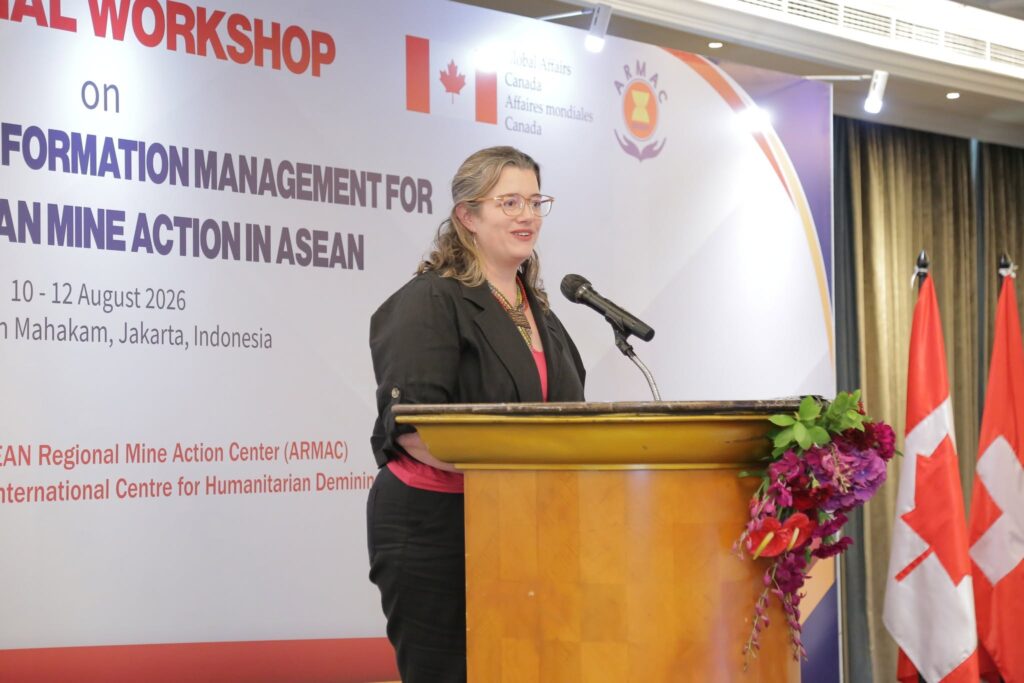
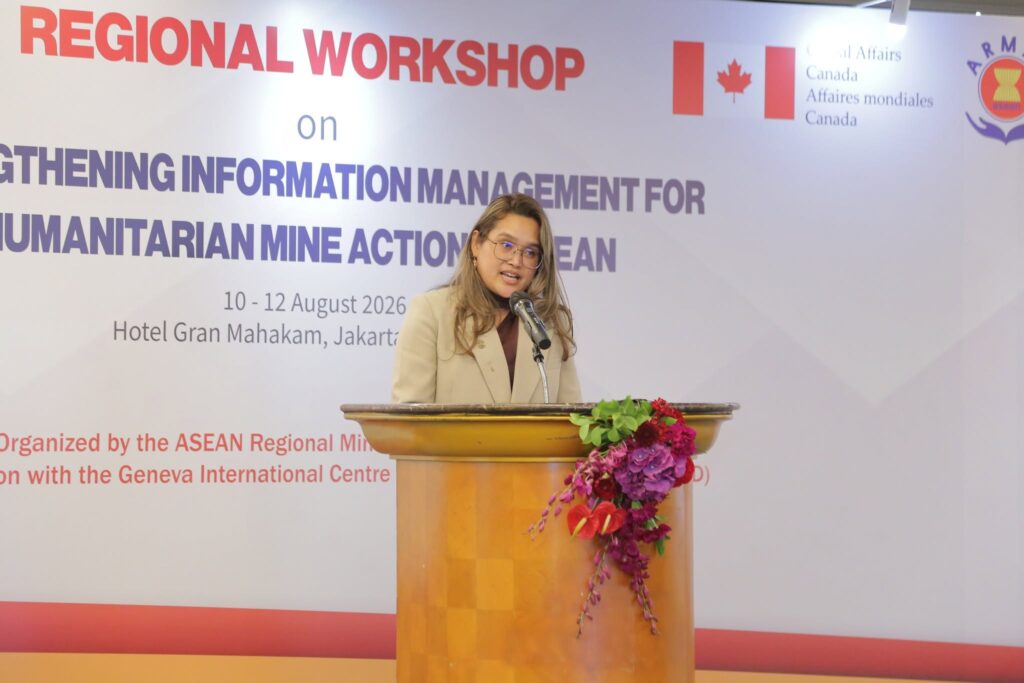
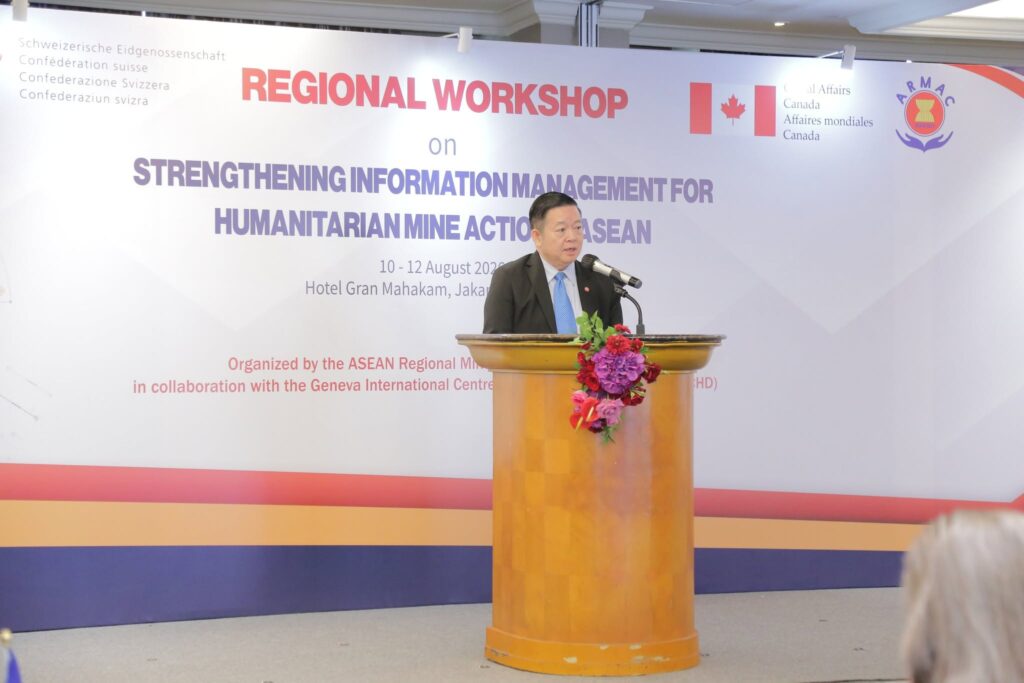
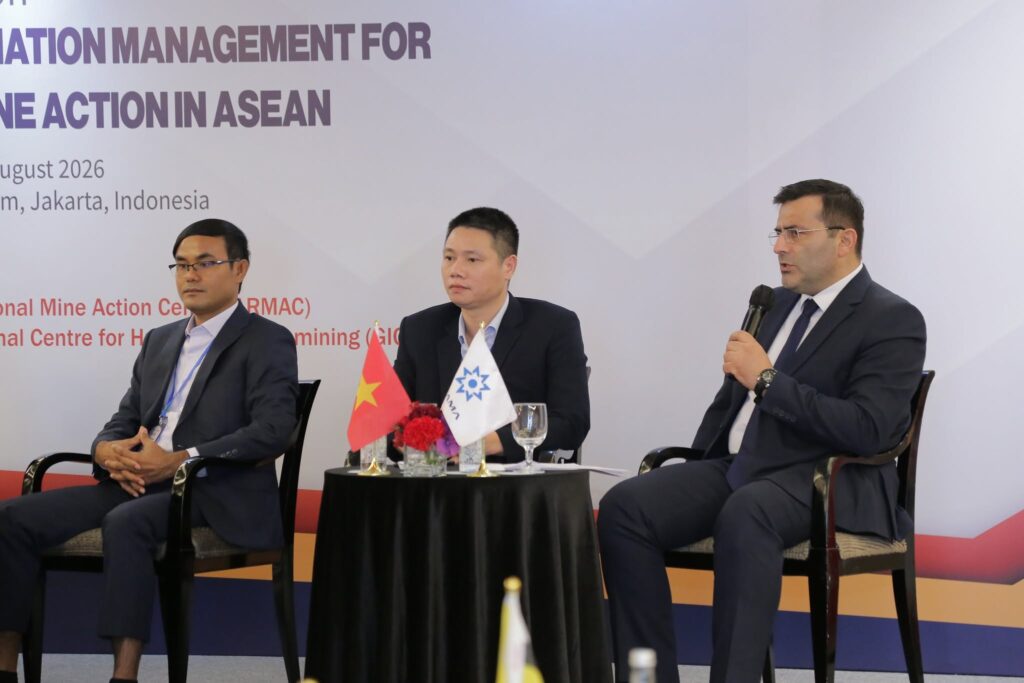
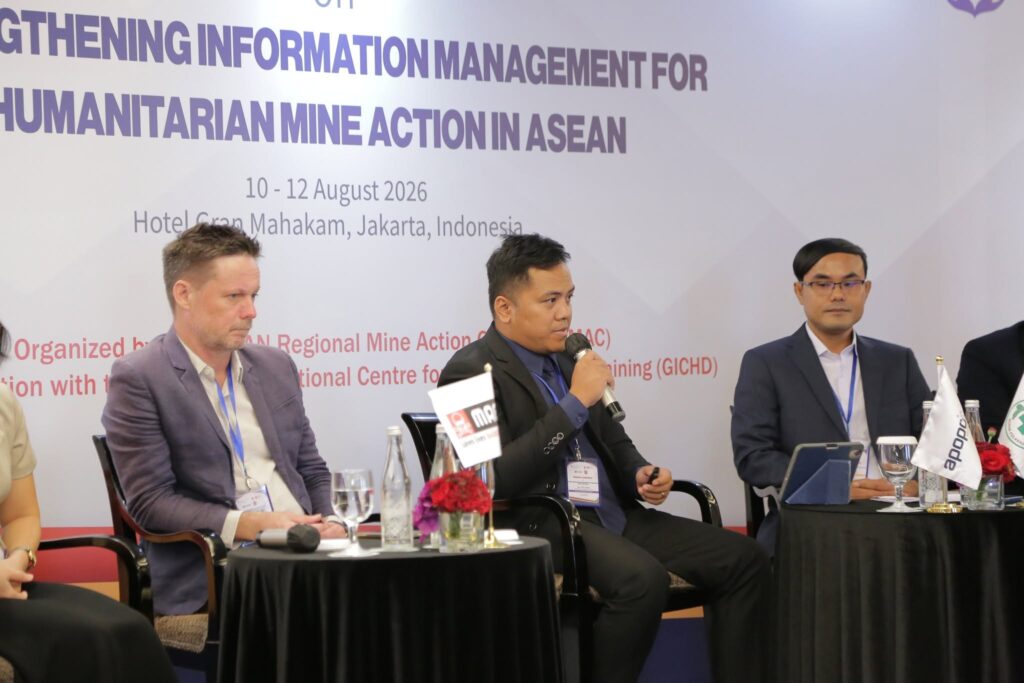
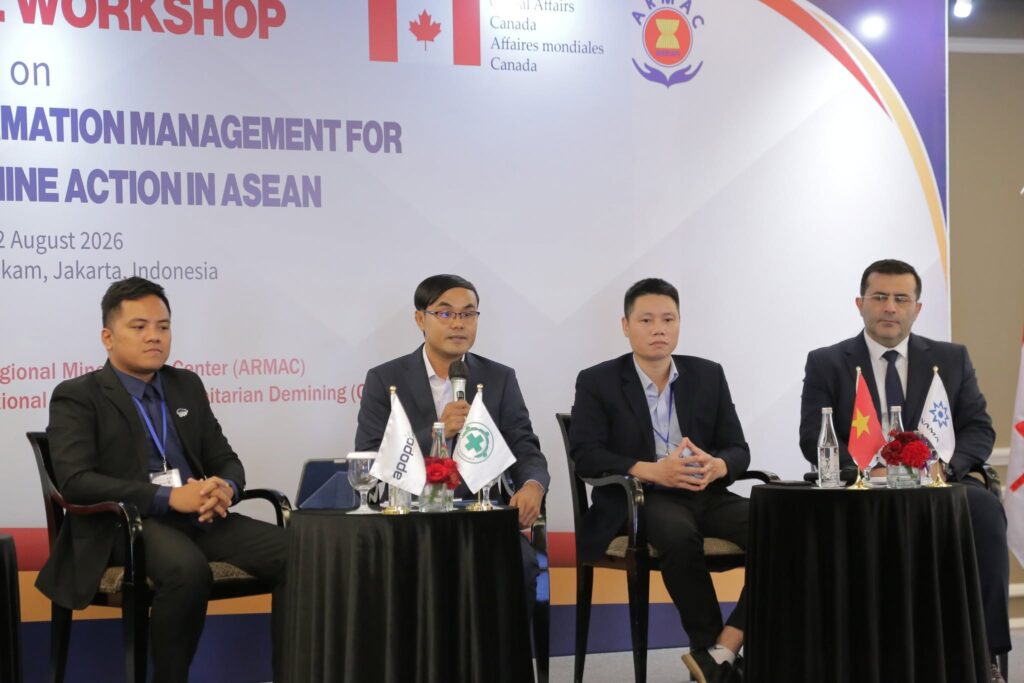
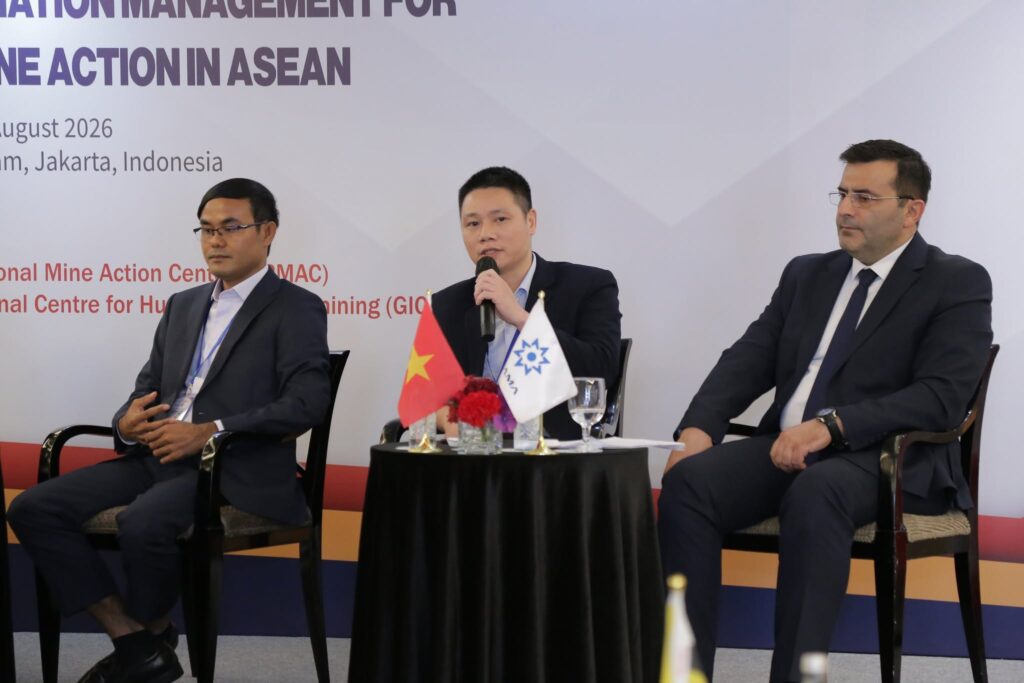
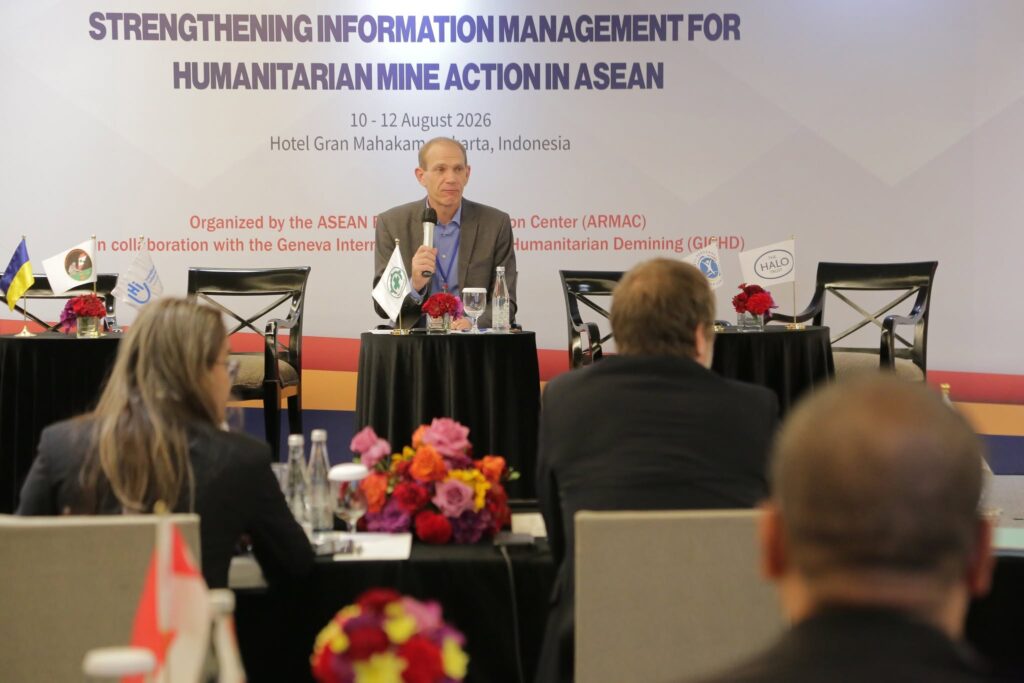
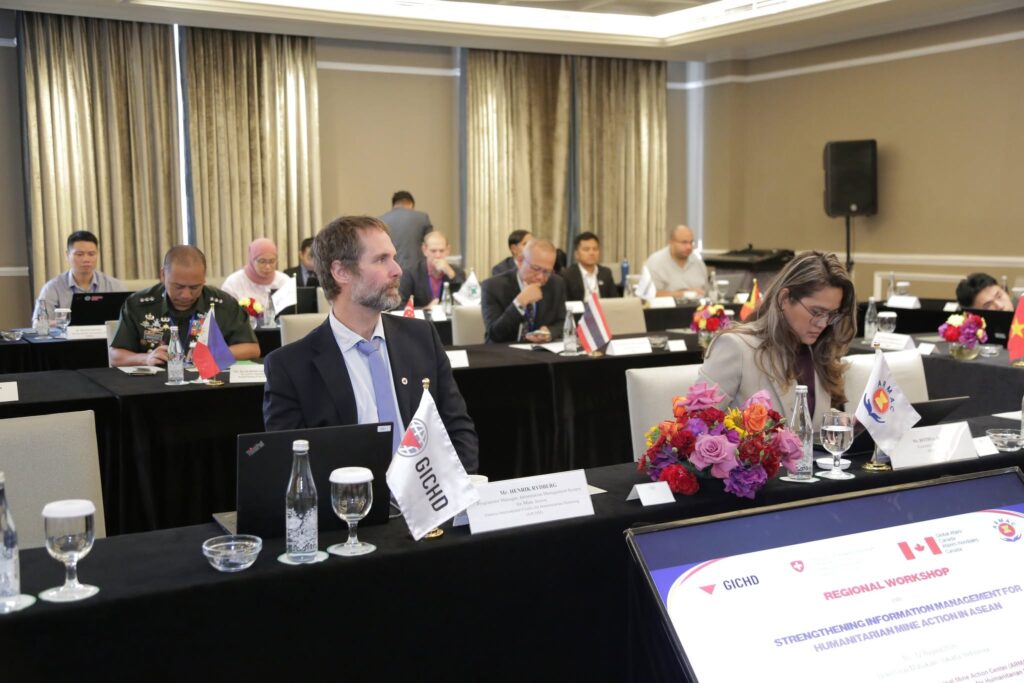
Strengthening Information Management for Humanitarian Mine Action in ASEAN
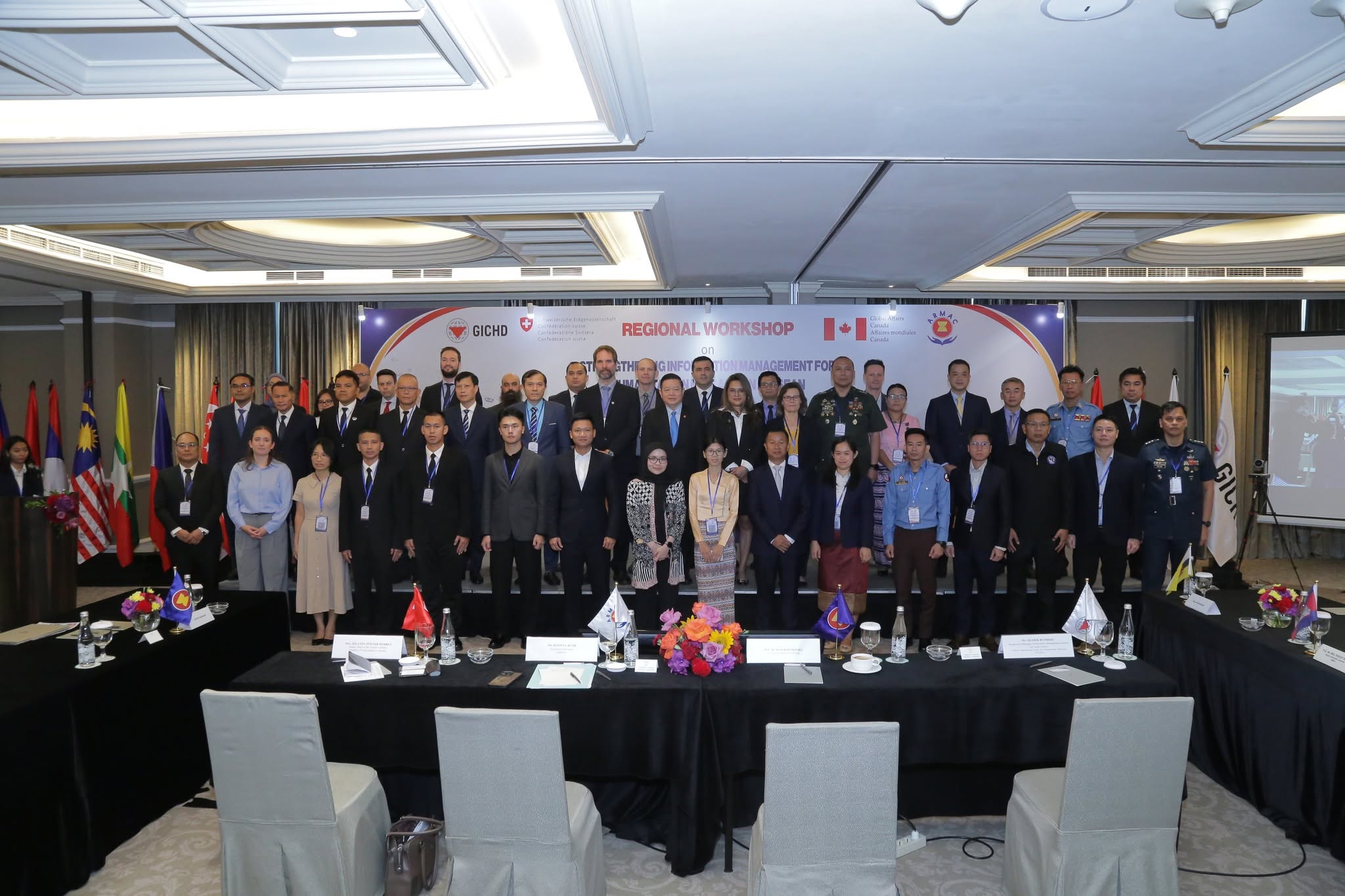
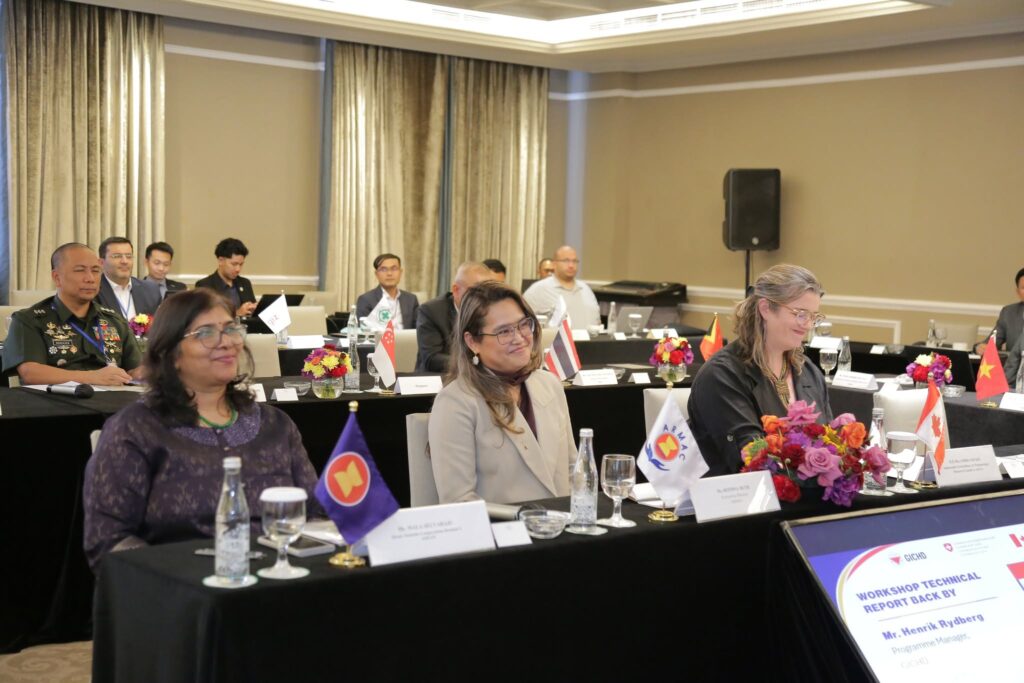
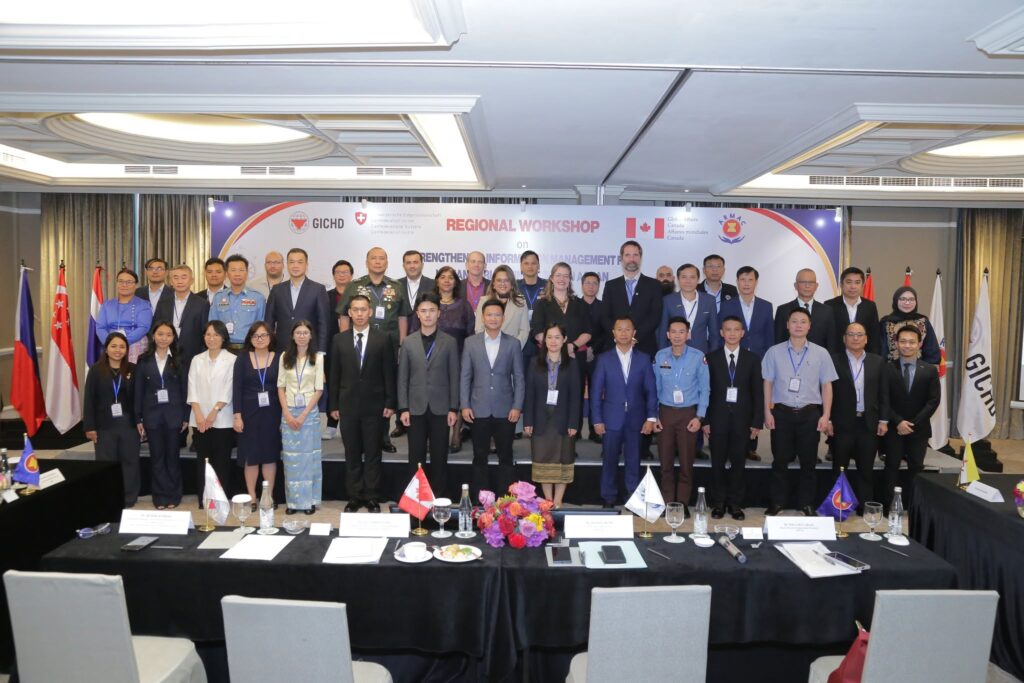
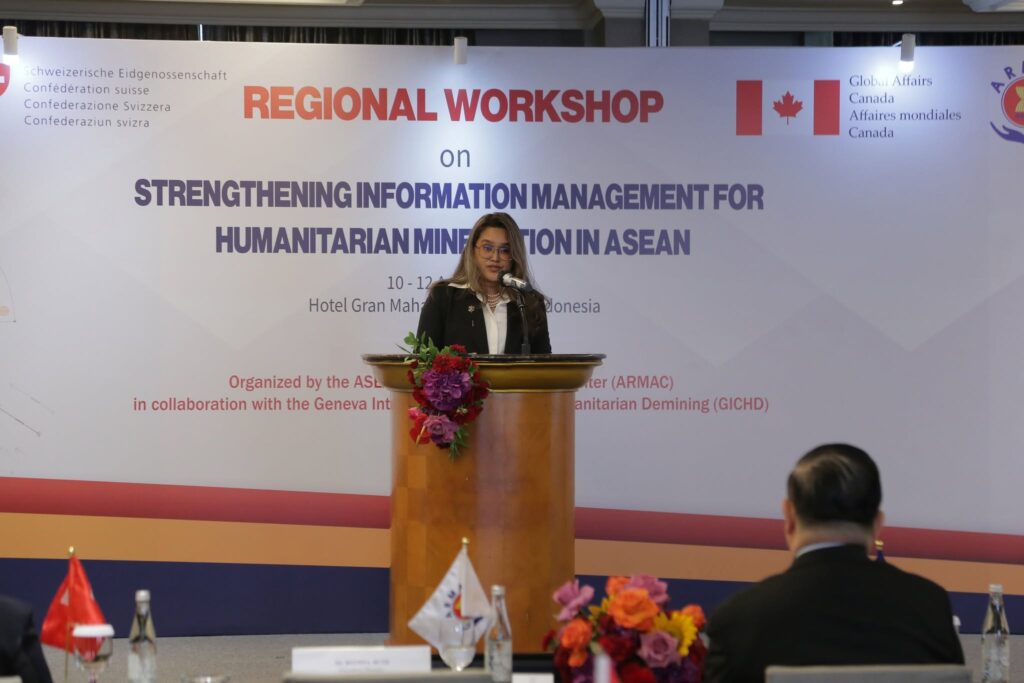
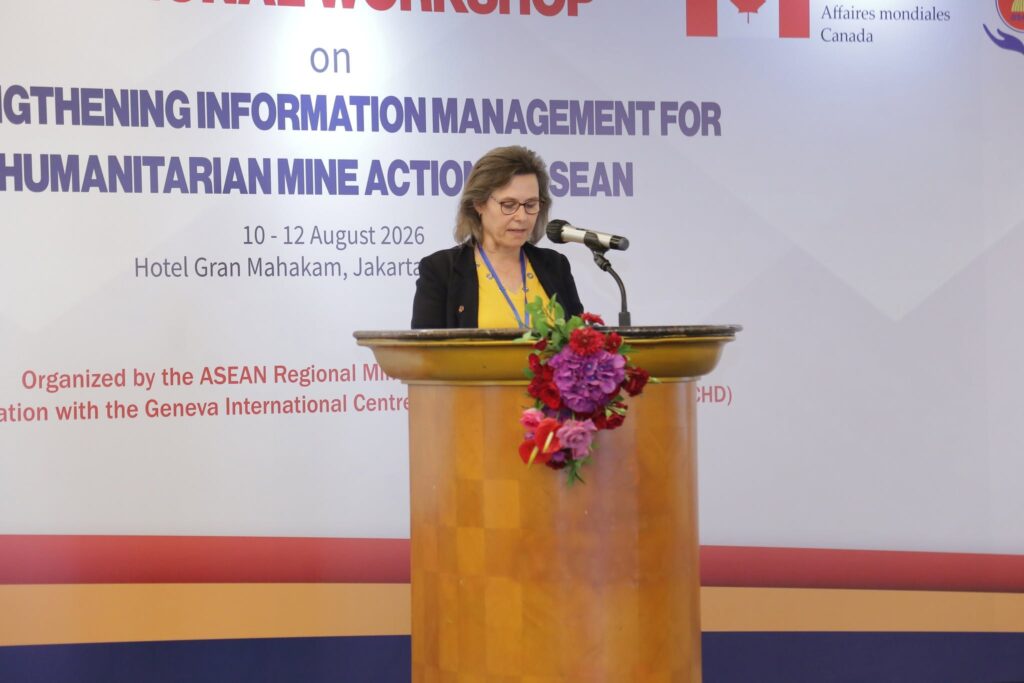
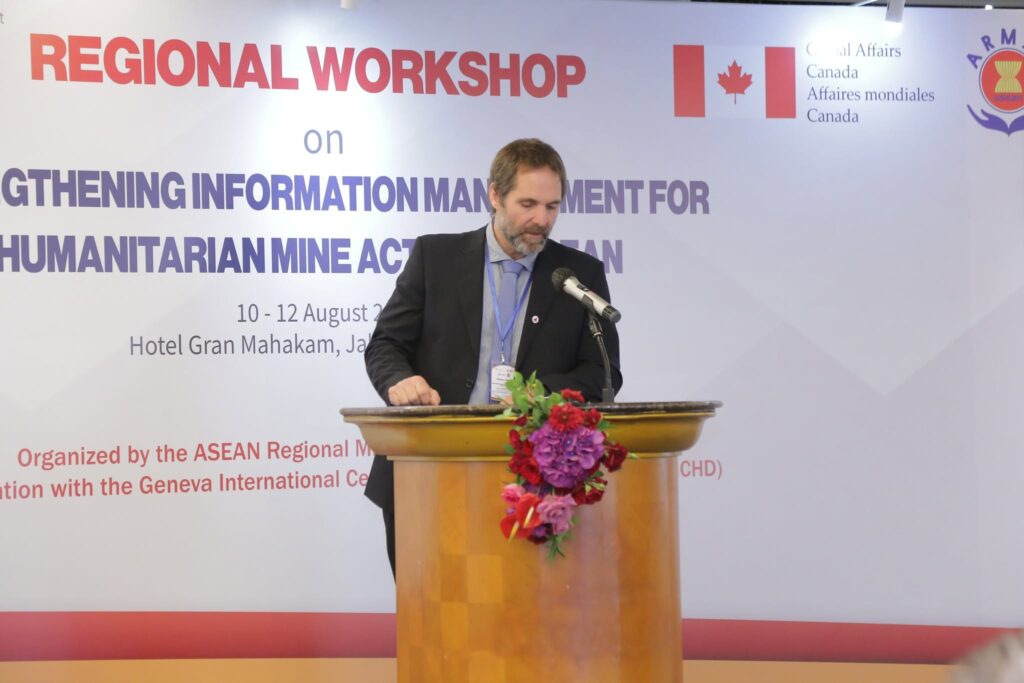
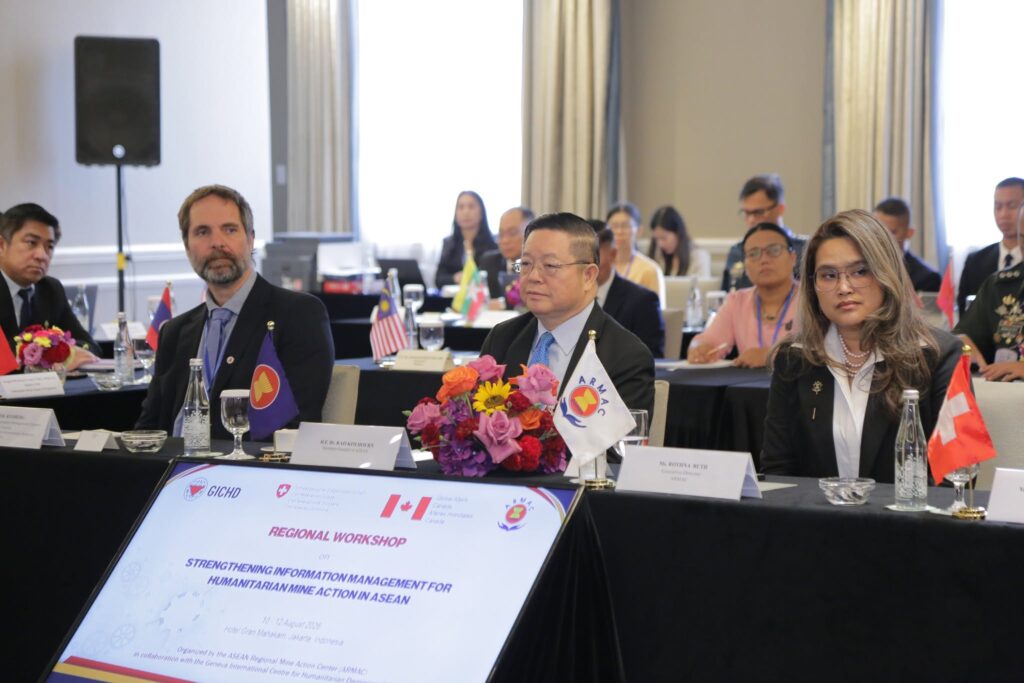
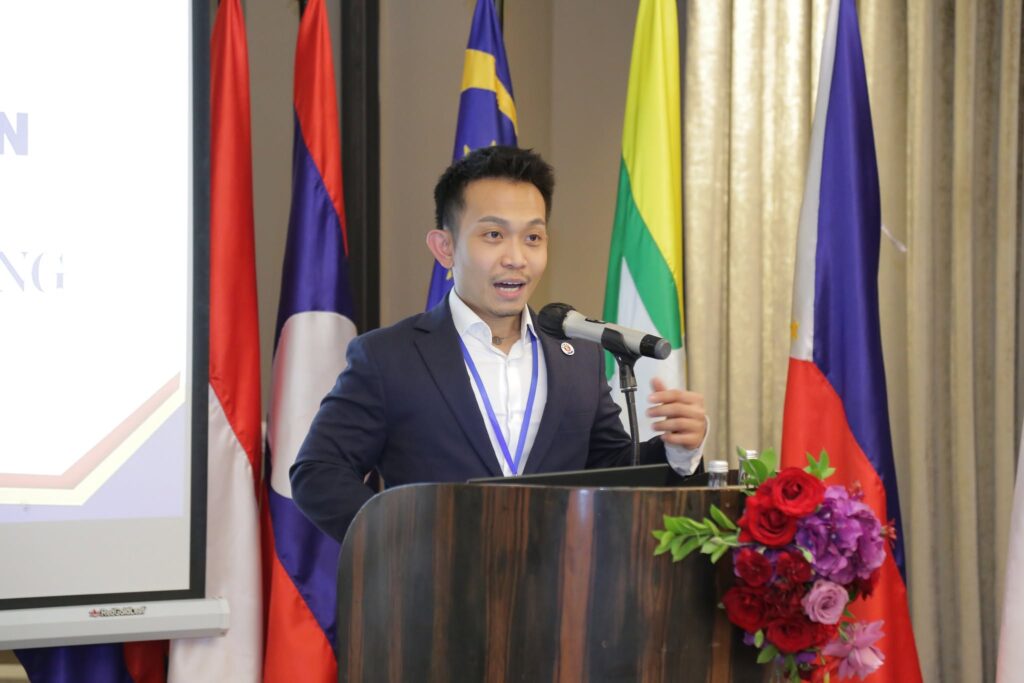
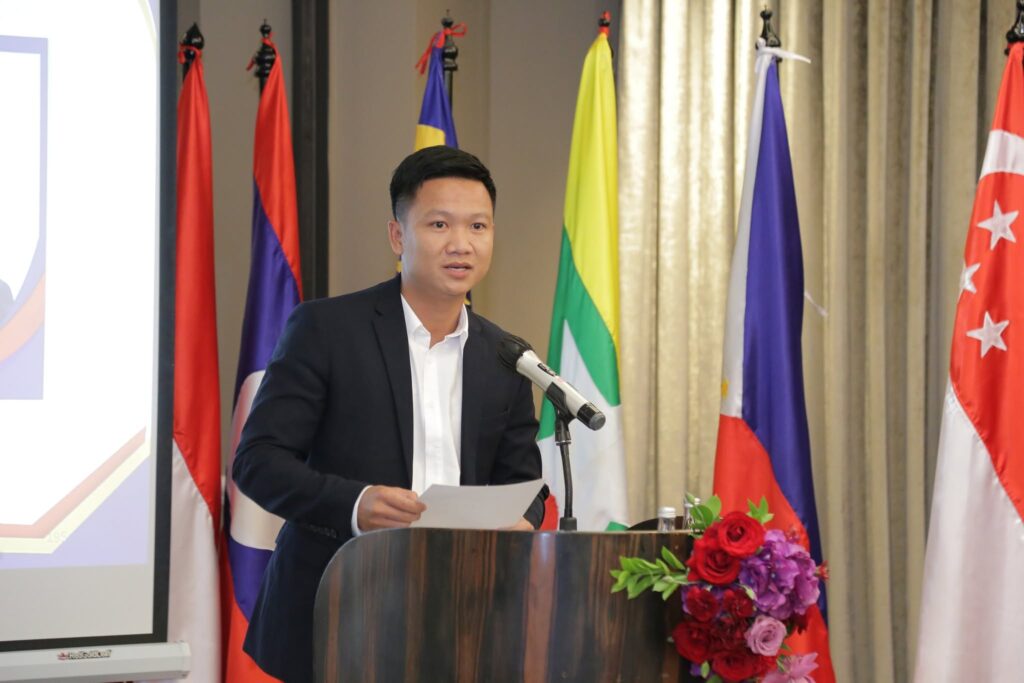
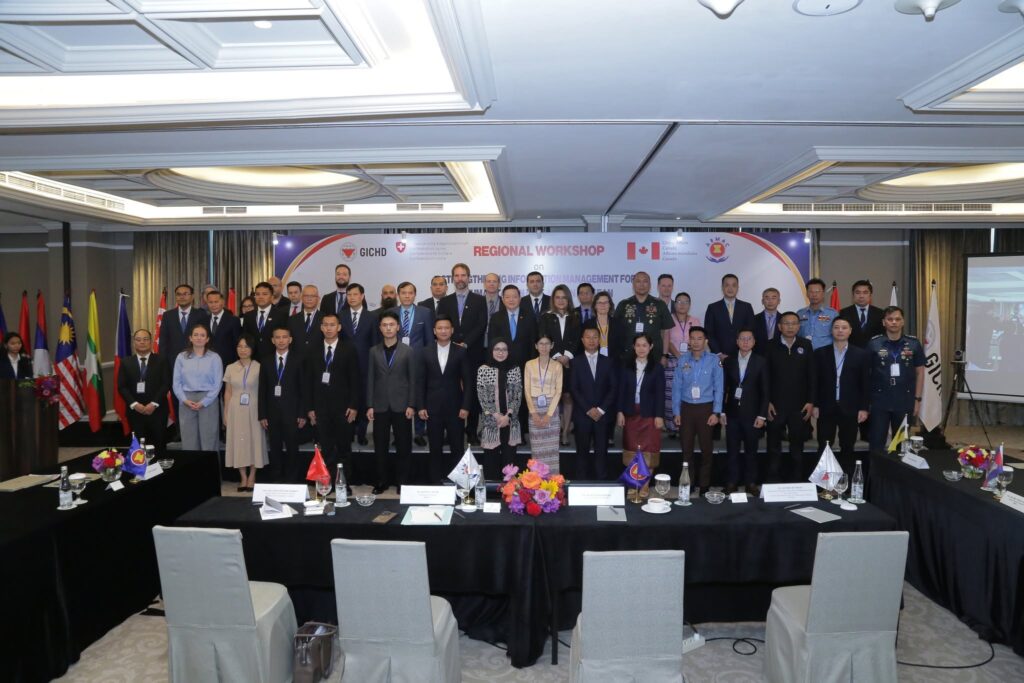
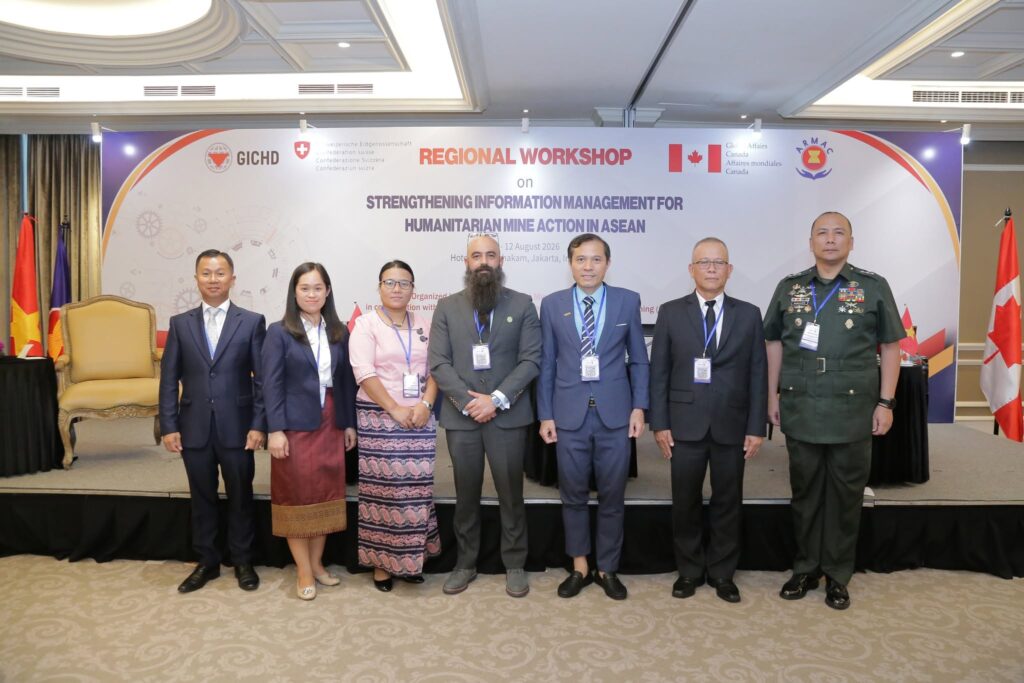
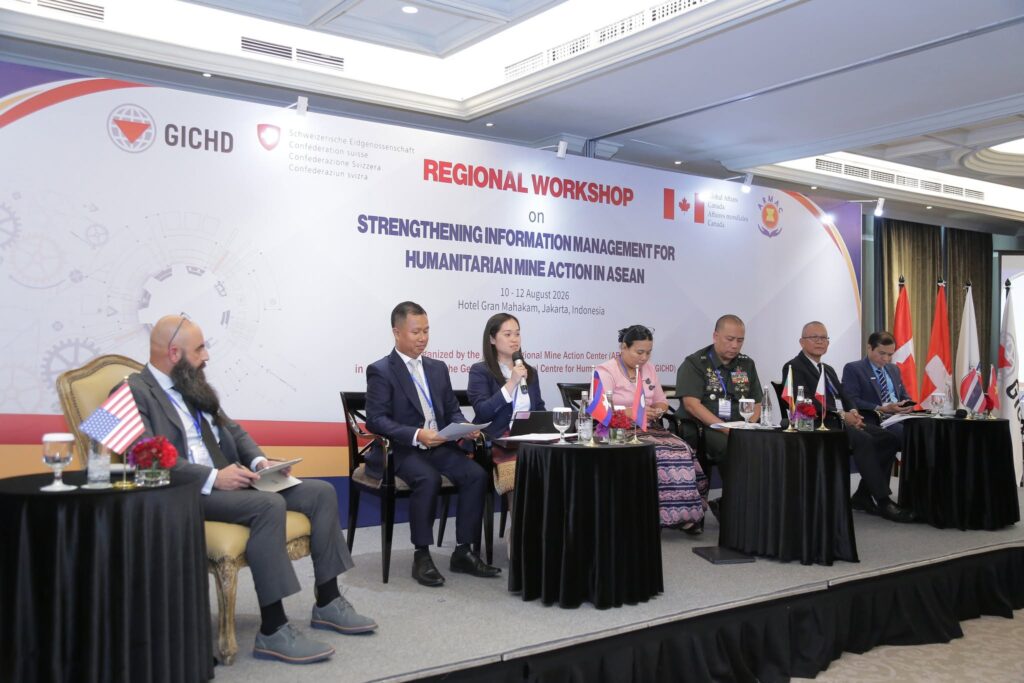
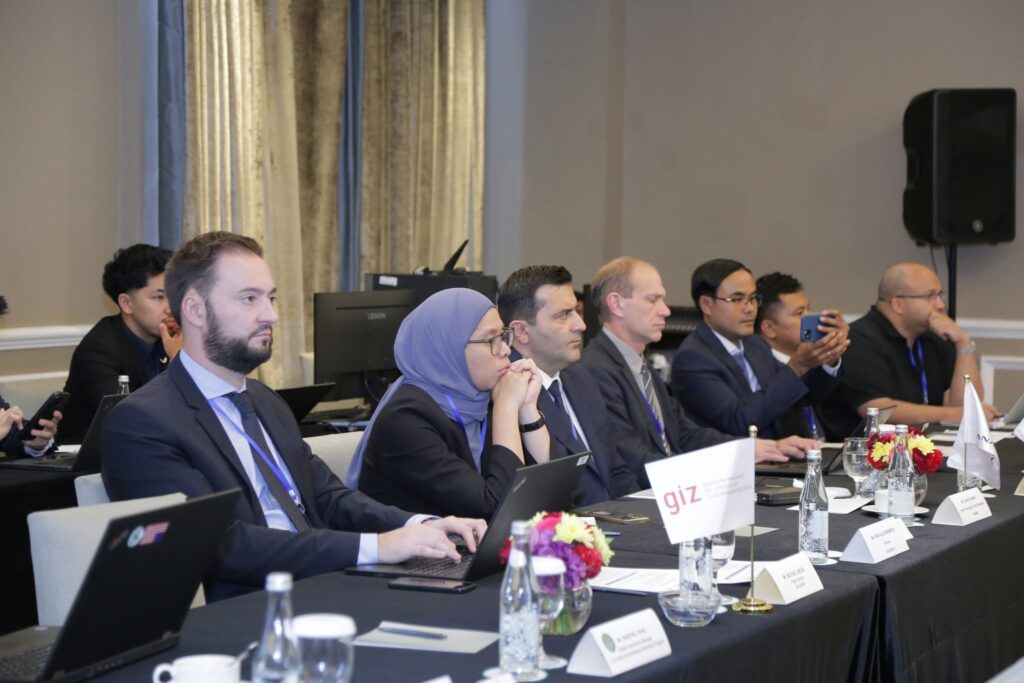
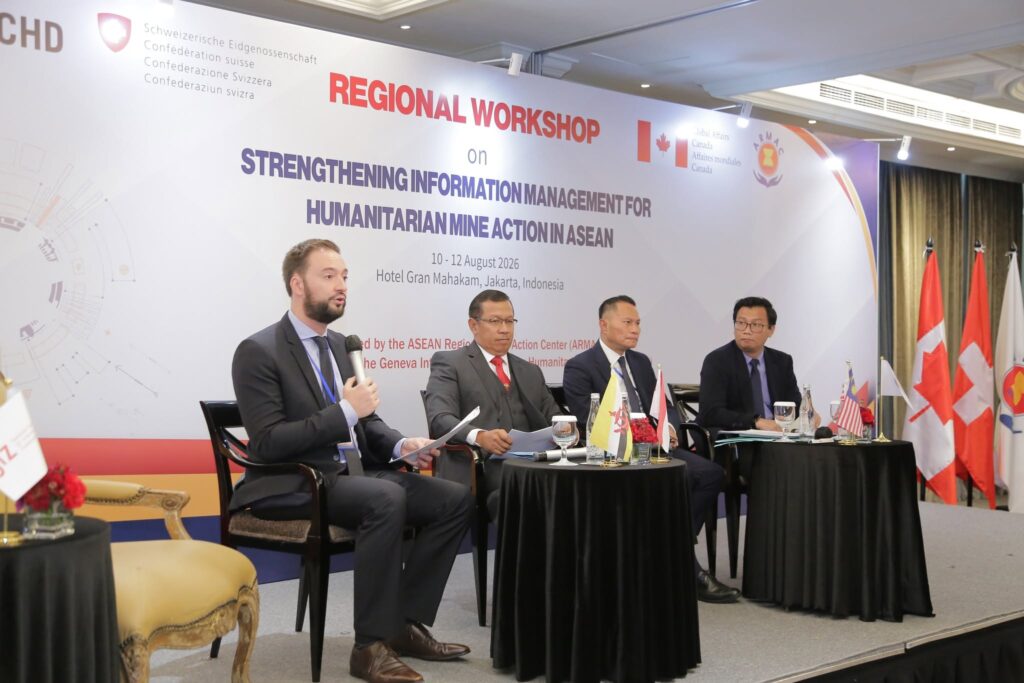
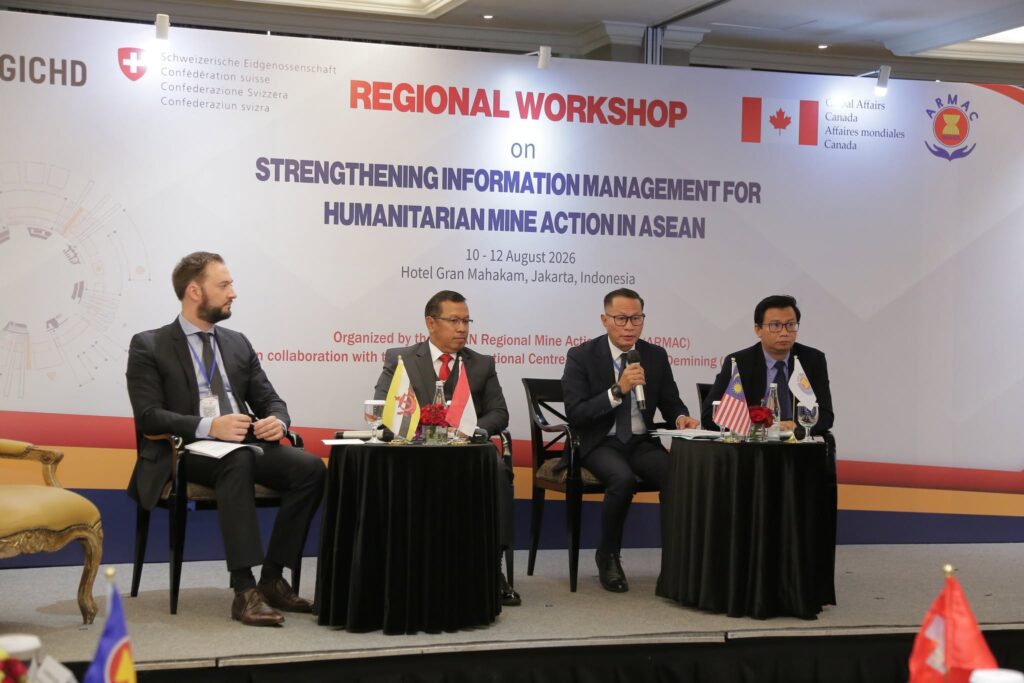
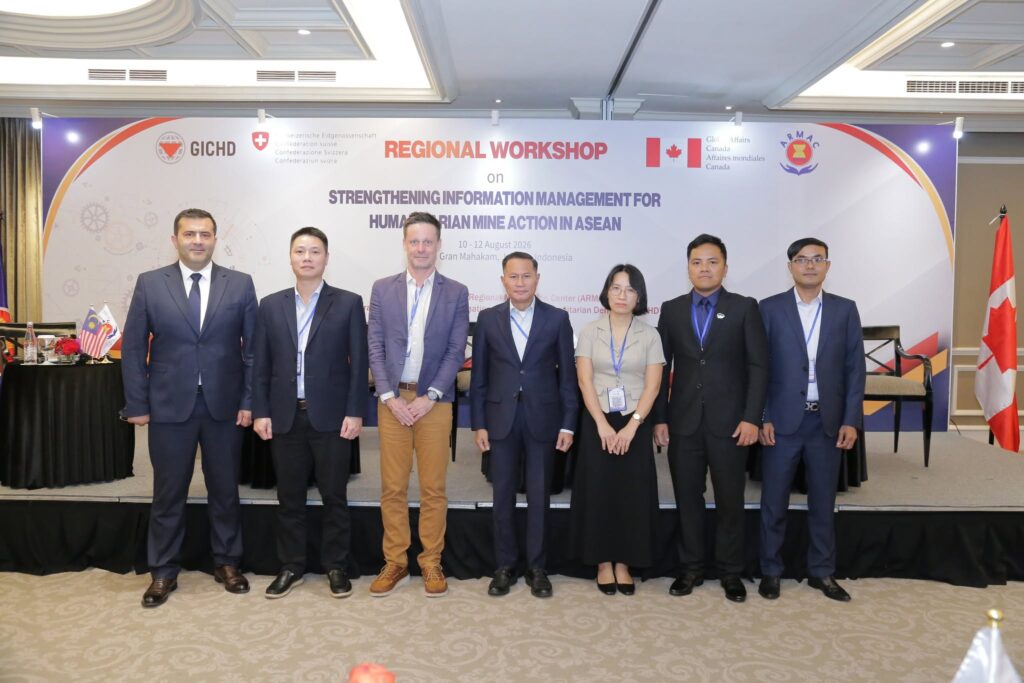
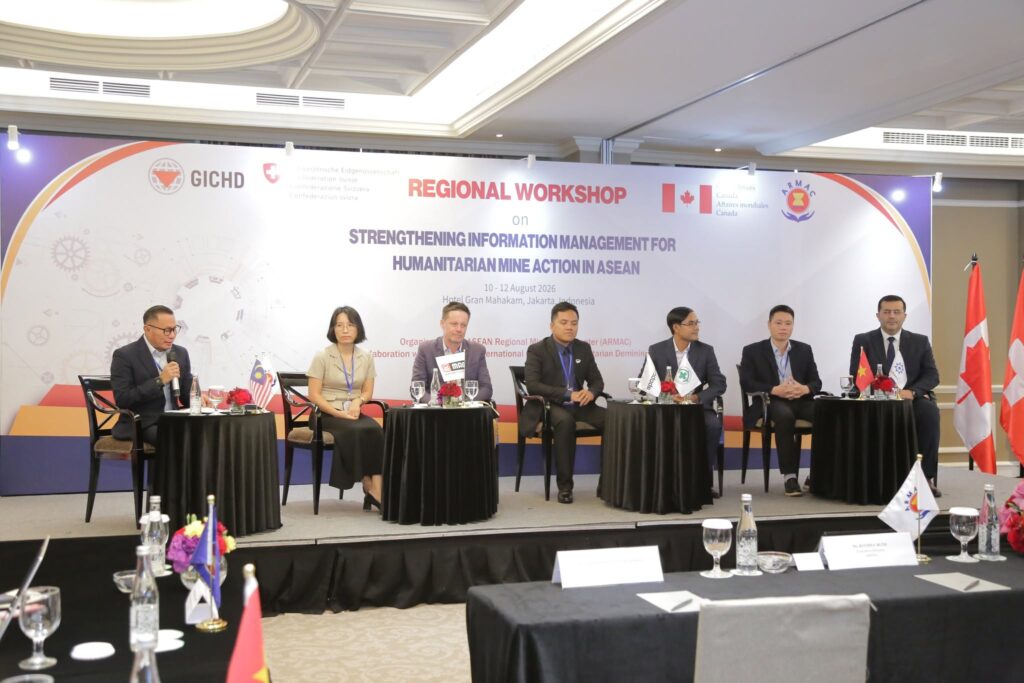
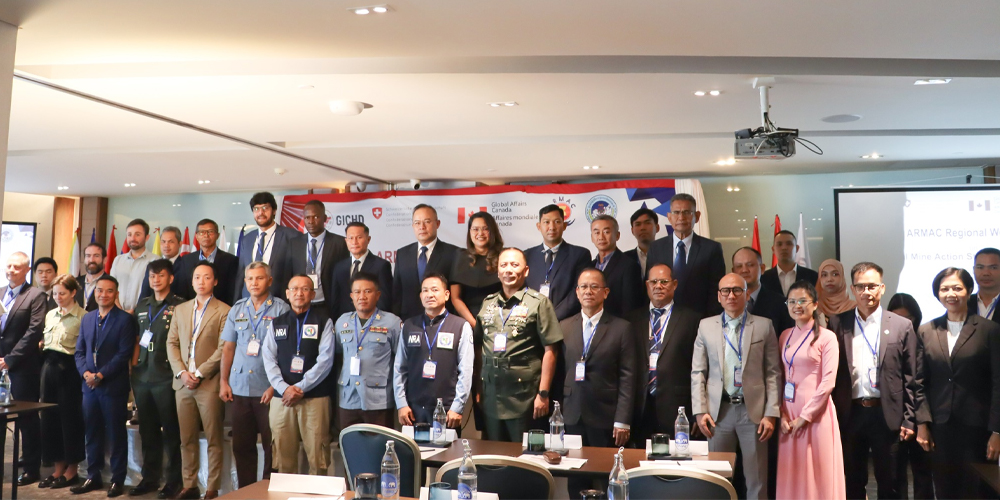
From 10–12 August 2026 in Jakarta #indonesia, the ASEAN Regional Mine Action Center (ARMAC), in partnership with the Geneva International Centre for Humanitarian Demining (GICHD), convened the Regional Workshop on Strengthening Information Management for Humanitarian Mine Action in ASEAN.
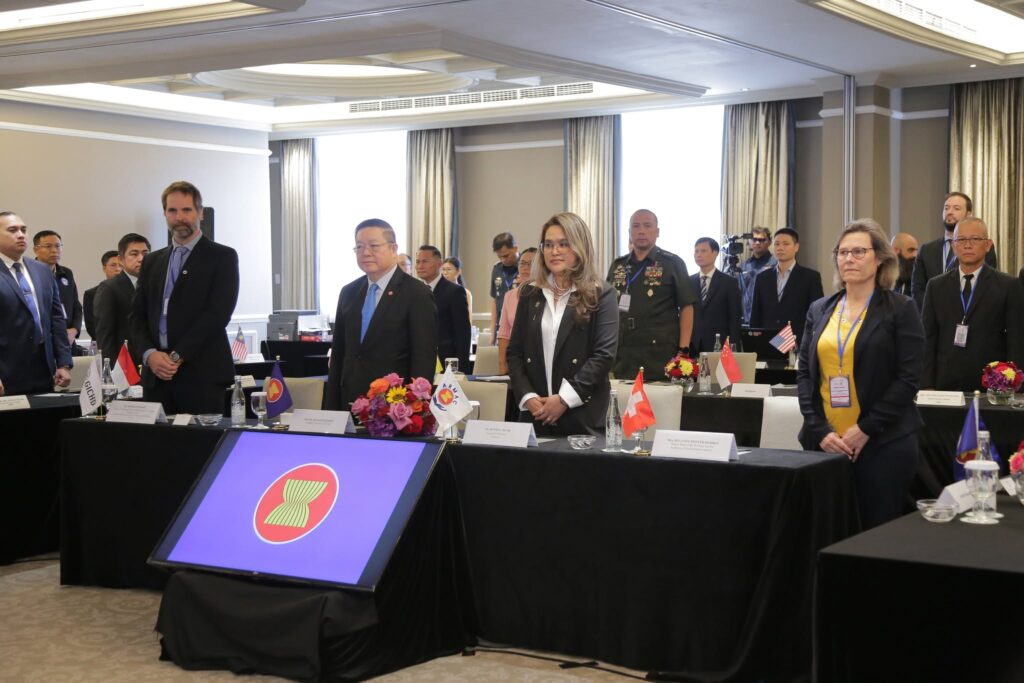
With the valued support of the Governments of Switzerland Federal Department of Foreign Affairs and Canada Canada’s Foreign Policy—Global Affairs Canada, through GICHD, the workshop brought together ASEAN Member States, the ASEAN Secretariat and ASEAN institutions AHA CENTRE, national mine action authorities and centres, humanitarian mine action operators, technical and development partners, and international experts for three days of open and constructive regional dialogue.
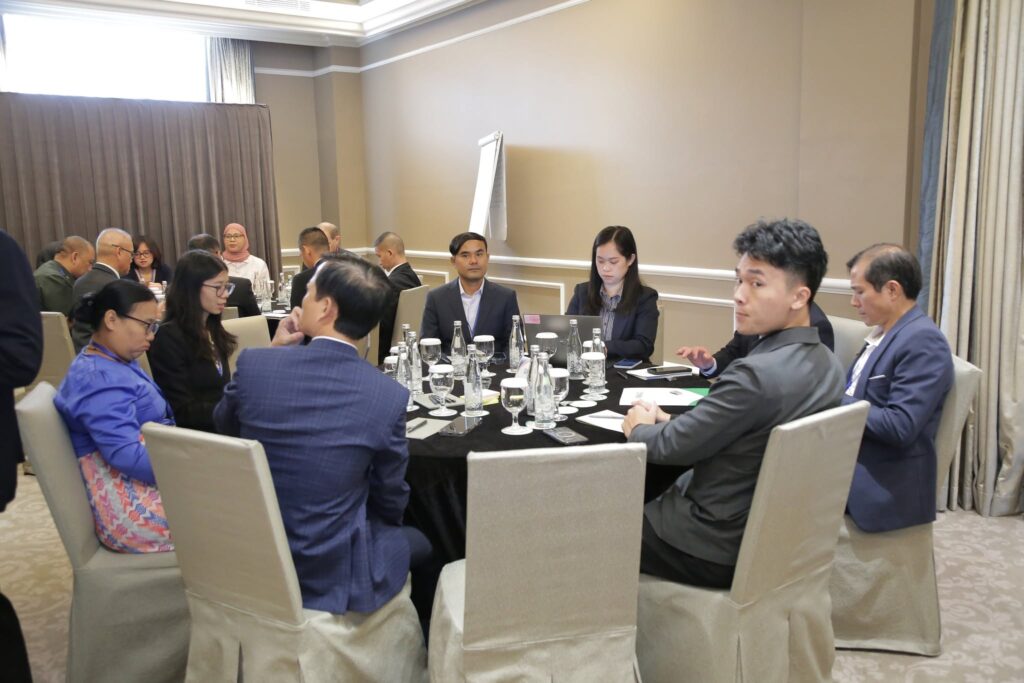
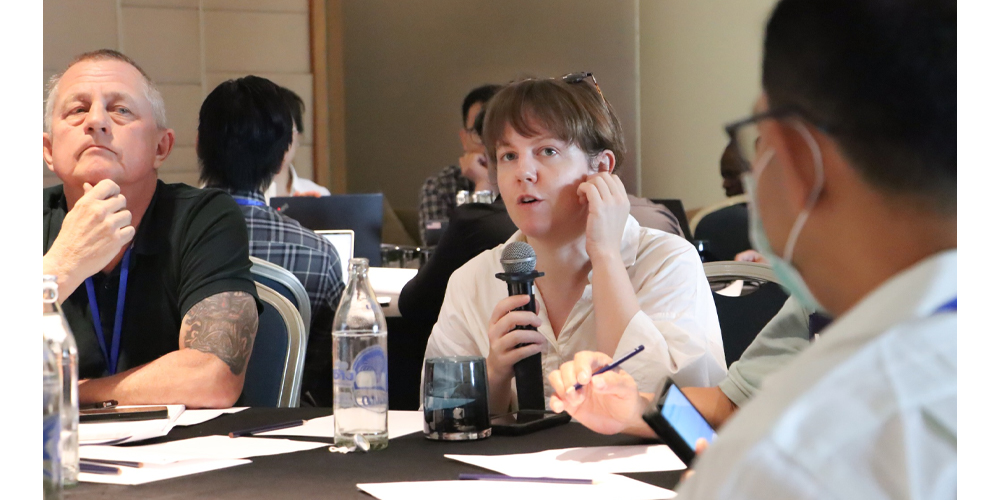
Participants shared national experiences, identified common information management challenges and priorities, and explored practical opportunities to strengthen knowledge sharing, capacity development, interoperability, data governance, and evidence-informed decision-making across the region.
The discussions also provided important inputs for the continued development and consultation of the Regional Information Management Guideline, Terms of Reference, priority actions, and the proposed ASEAN Information Management Hub (AIM Hub)—with a clear emphasis on national ownership and complementing, rather than replacing, existing national systems.
One message emerged particularly strongly: information management is not only about technology. It is about people, knowledge, trust, cooperation and better decisions.
ARMAC extends its sincere appreciation to ASEAN Member States, the ASEAN Secretariat, the AHA Centre, the U.S. Army Humanitarian Demining Program, GIZ, NPA, MAG (Mines Advisory Group) , APOPO, The HALO Trust, Handicap International – Humanity & Inclusion, the APMBC Implementation Support Unit, the Mine Action Agency of the Republic of Azerbaijan (Mine Action Agency of the Republic of Azerbaijan – ANAMA), the Lebanon Mine Action Center, the Ministry of Economy, Environment and Agriculture of Ukraine, and all national, regional and international partners who generously contributed their expertise, experience and perspectives throughout the workshop.
Most importantly, our deepest appreciation goes to all participants.
Your openness, active engagement, experiences, questions and practical contributions shaped these three days and the direction of the work ahead.
You did not simply participate in this regional dialogue—you helped shape it.
ARMAC looks forward to carrying this momentum forward, in consultation with ASEAN Member States and in the spirit of national ownership, mutual trust and regional cooperation.
From Data to Decisions: Listening to ASEAN’s Information Management Experience
There is much more to share from what ASEAN Member States and our partners shaped together over three days at the Regional Workshop on Strengthening Information Management for Humanitarian Mine Action in ASEAN in Jakarta.
But every journey needs a strong foundation.
The workshop began with a fundamental question:
Why does stronger information management matter for humanitarian mine action in ASEAN, and where can regional cooperation add value?
Across the opening sessions, participants moved from strategic framing to global perspectives and lessons for ASEAN, and then to the technical foundations of effective information management.
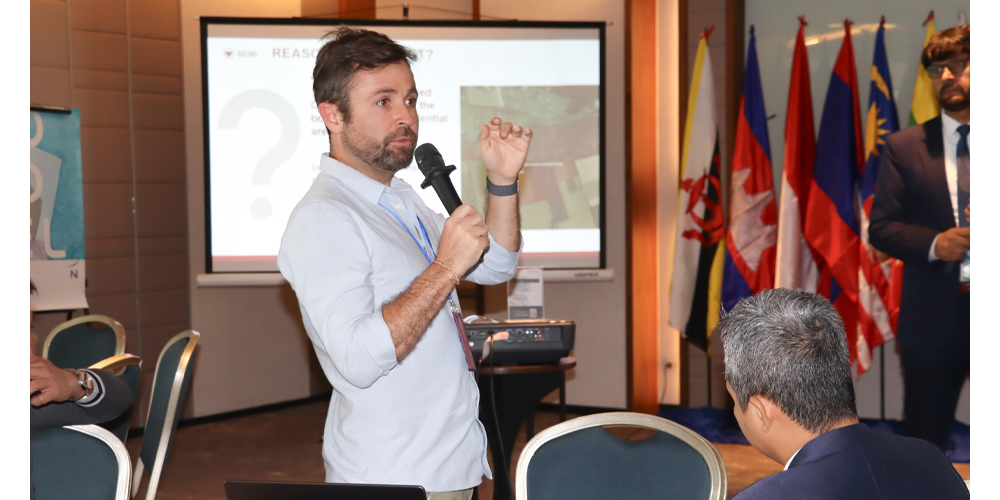
ARMAC opened the discussion by framing why regional information management matters in the ASEAN context. Building on this, GICHD guided participants through information management concepts, capacity strengthening and global lessons, before taking the discussion deeper into IMAS 05.10, the information cycle, stakeholder requirements, data quality principles and minimum data requirements, supported by an interactive group exercise.
One message became increasingly clear:
Effective information management is not simply about databases or technology. It is about turning reliable information into better planning, stronger coordination and better-informed decisions.
With this foundation in place, the workshop moved from principles and standards to ASEAN’s national realities.
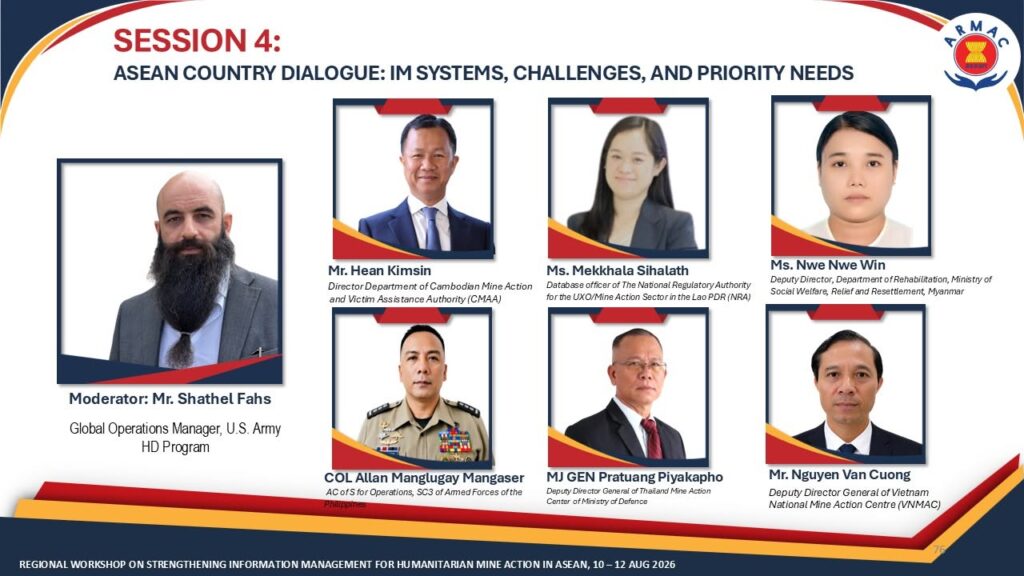
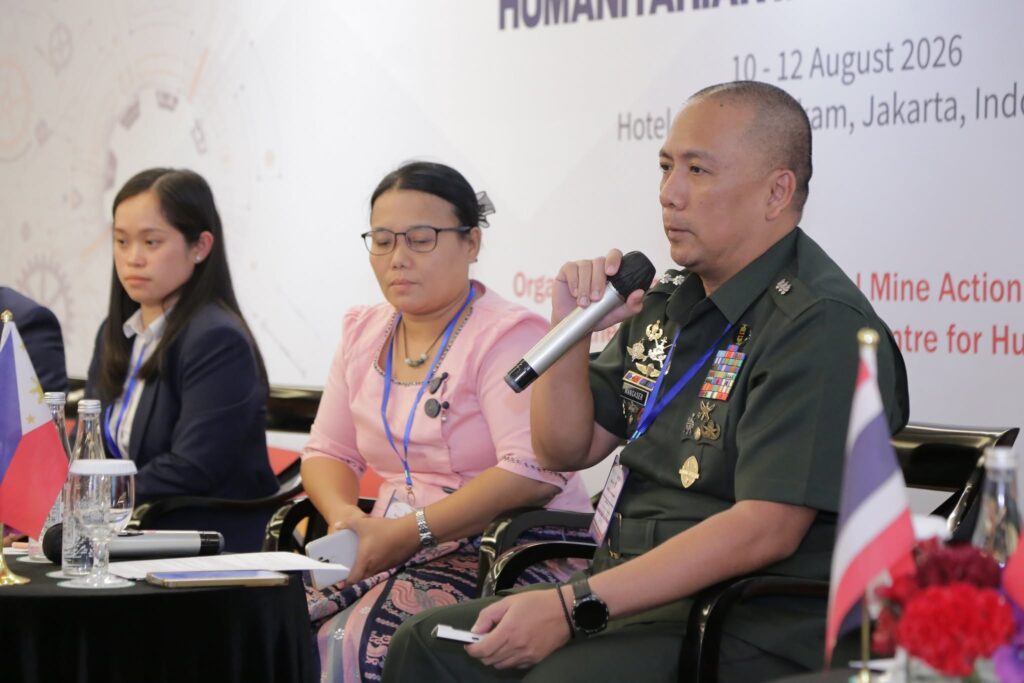
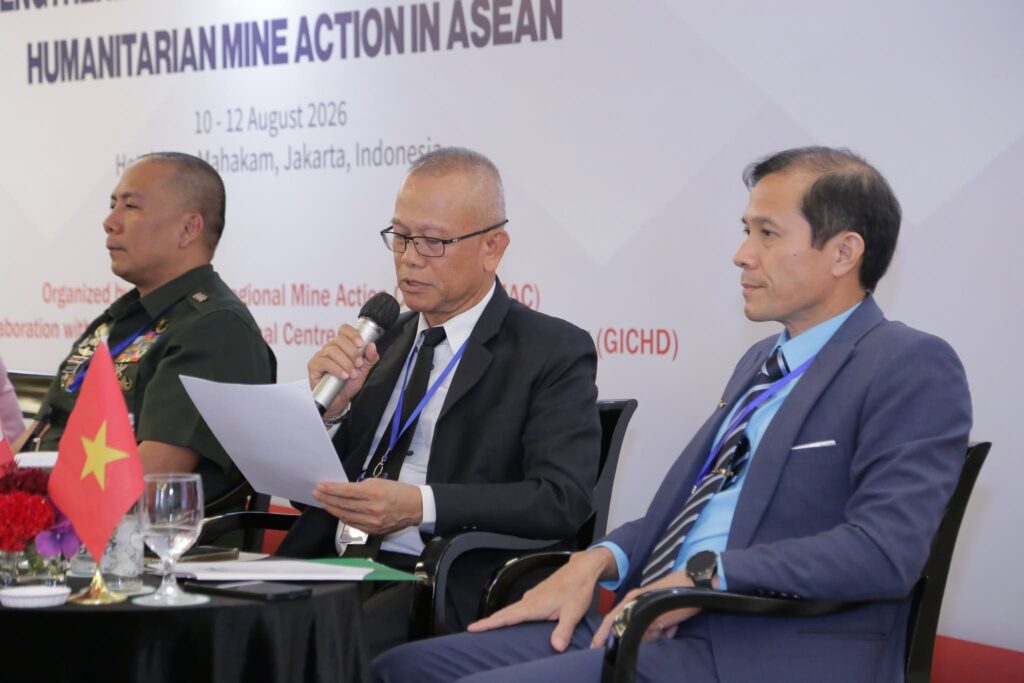
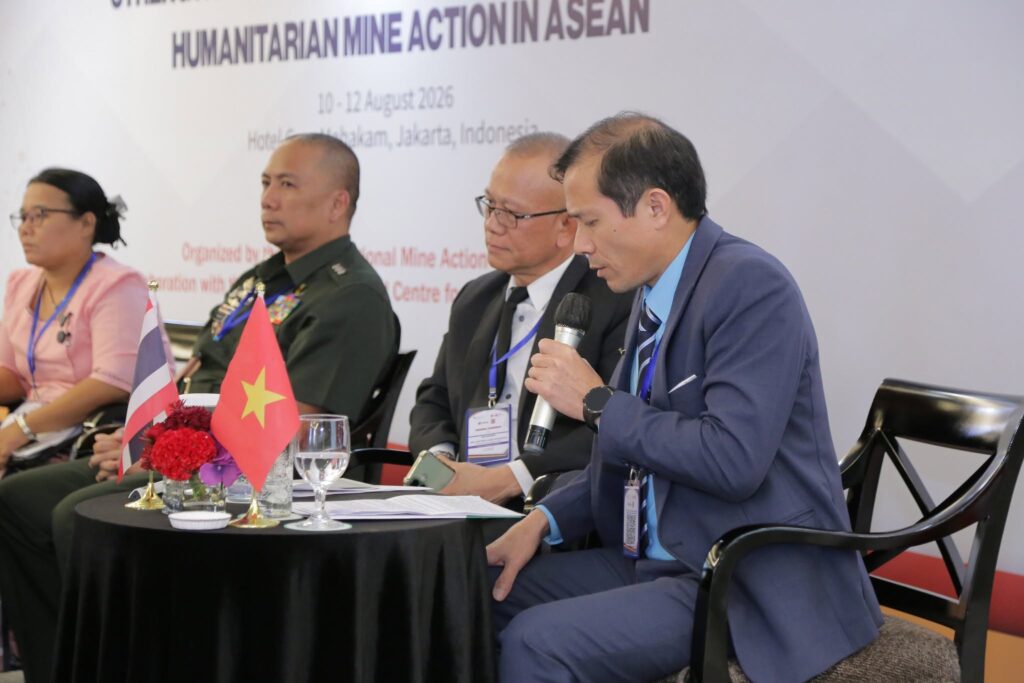
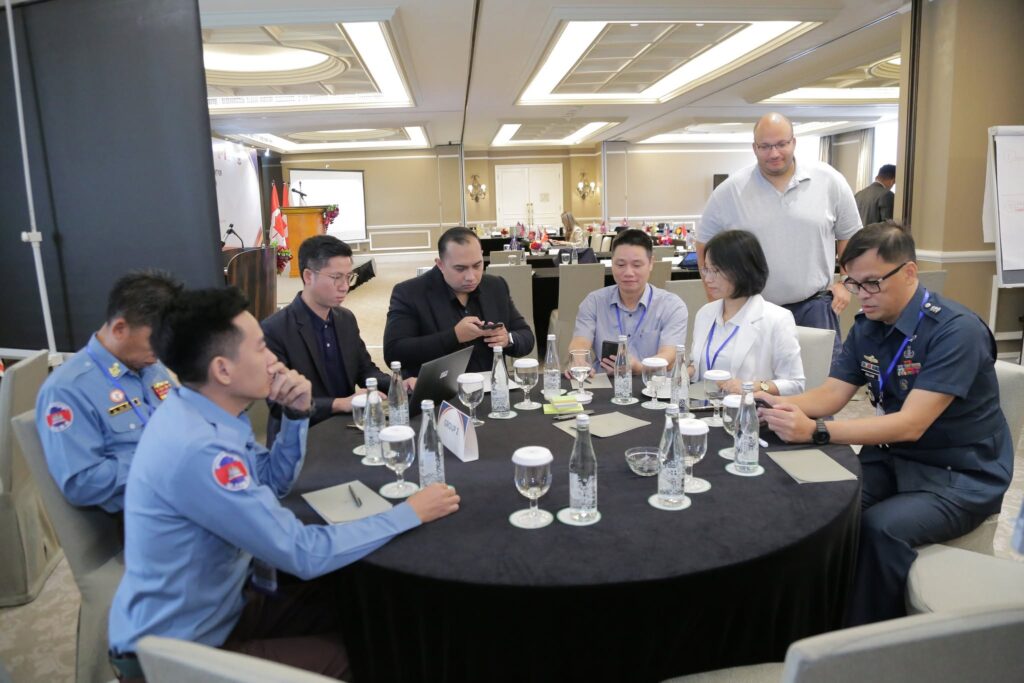
Session 4: ASEAN Country Dialogue – IM Systems, Challenges and Priority Needs
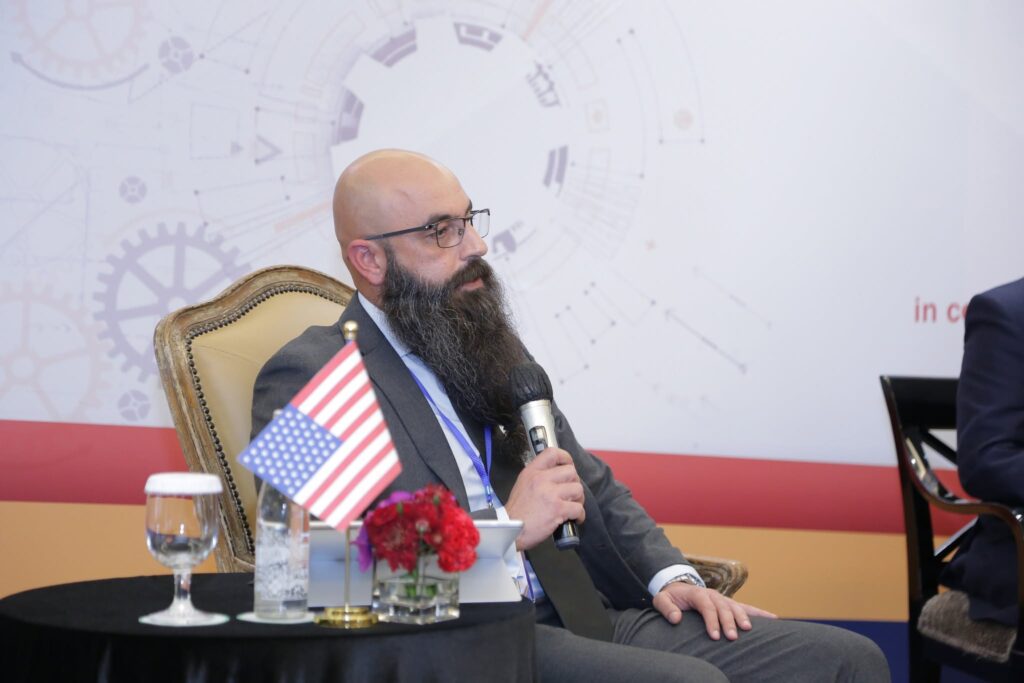
Moderated by Mr. Shathel Fahs, Global Operation Manager, U.S Army– Humanitarian Demining Program, Session 4 placed ASEAN Member States at the centre of the conversation—not to compare national systems, but to learn from one another’s experiences, achievements, challenges and priorities.
The dialogue brought together:
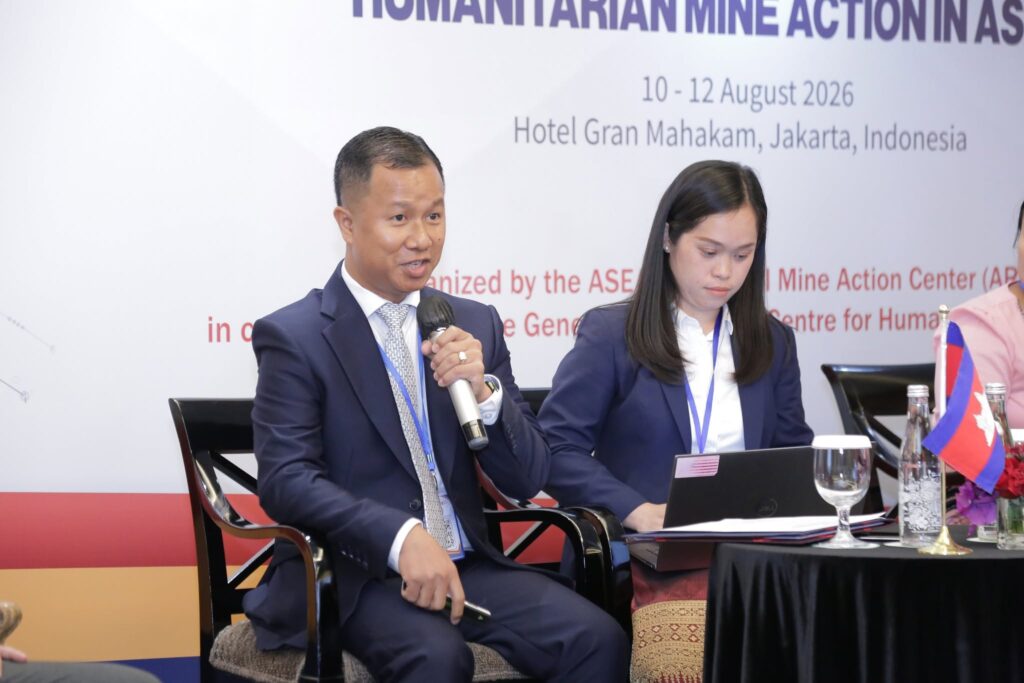
🇰🇭 Mr. Hean Kimsin, Director, Department of Socio-Economic Planning and Database Management, Cambodian Mine Action and Victim Assistance Authority (CMAA), who shared Cambodia’s experience in strengthening its national information management system, including IMSMA Core, national standards, interoperability, data governance and evidence-based planning.
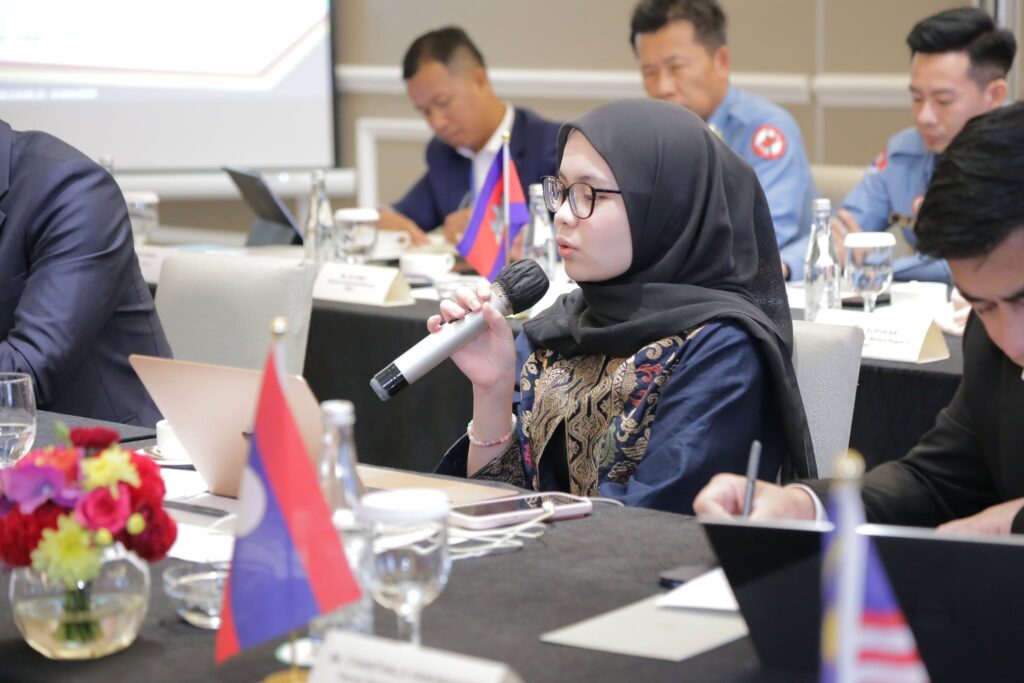
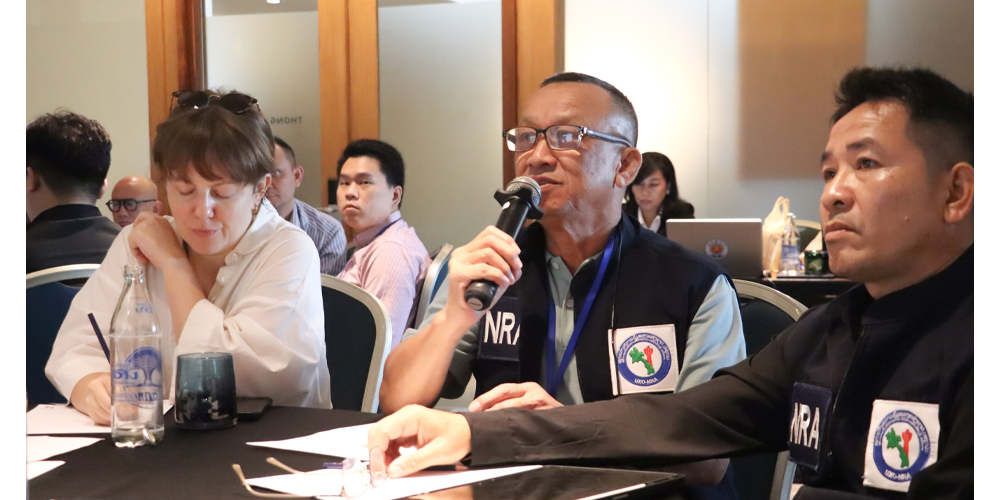
🇱🇦 Ms. Mekkhala Sihalath, Database Officer, Information Management Unit, National Regulatory Authority for the UXO/Mine Action Sector in the Lao PDR (NRA), who shared Lao PDR’s experience in managing an information ecosystem supporting operational coordination, reporting and evidence-based decision-making.
🇲🇲 Ms. Nwe Nwe Win, Deputy Director, Department of Rehabilitation, Ministry of Social Welfare, Relief and Resettlement, Myanmar, who brought an important perspective on information management for victim assistance, mine risk education, programme coordination and service delivery.
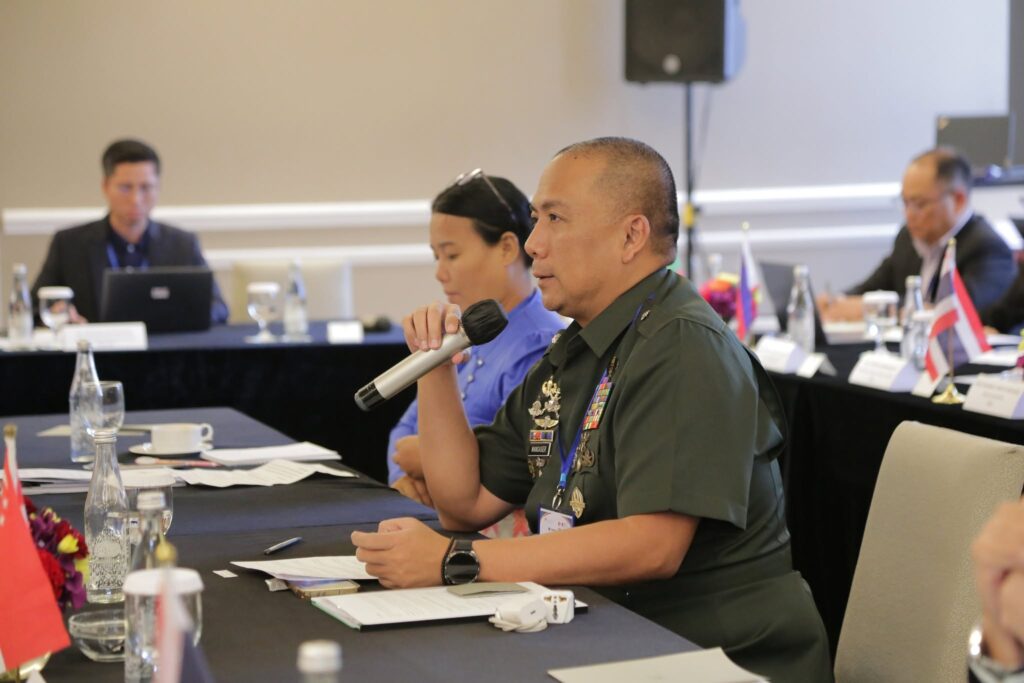
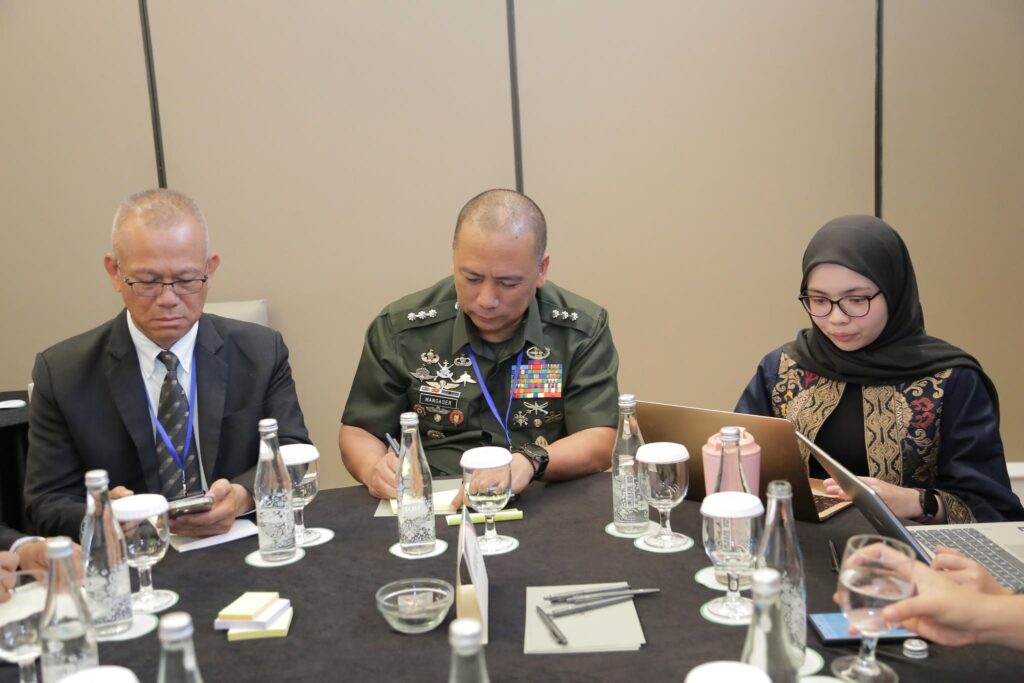
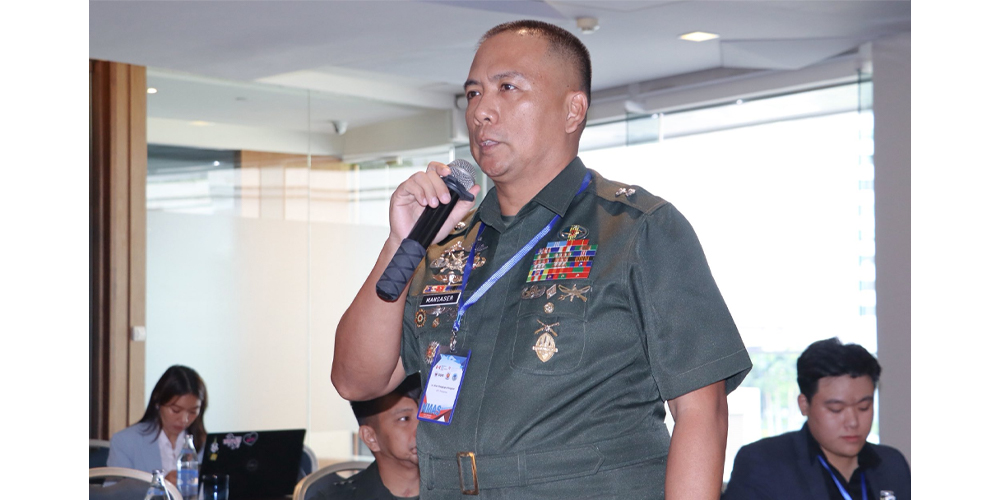
🇵🇭 Colonel Allan Manglugay Mangaser, Assistant Chief of Staff for Operations (SC3), Armed Forces of the Philippines, who shared the Philippines’ vision for strengthening its humanitarian mine action institutional framework and developing the information management foundations needed for a nationally coordinated and sustainable system.
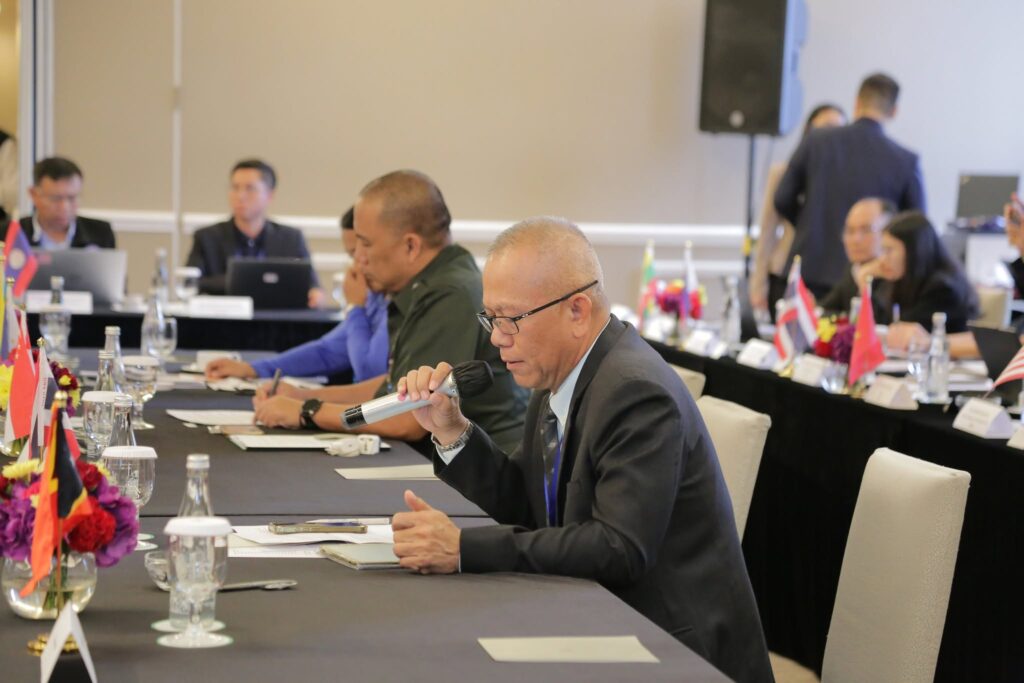
🇹🇭 Major General Pratuang Piyakapho, Deputy Director General, Thailand Mine Action Center (TMAC), who shared Thailand’s experience in sustaining and strengthening information management for operational coordination, quality assurance and national reporting.
🇻🇳 Mr. Nguyen Van Cuong, Deputy Director General, Viet Nam National Mine Action Centre (VNMAC), who shared Viet Nam’s experience and priorities in modernizing national information management, including its transition towards IMSMA Core and stronger evidence-based planning and decision-making.
Different histories. Different operational environments. Different institutional arrangements. Different stages of information management development. Yet many shared priorities.
The dialogue highlighted common needs around data quality, interoperability, governance, institutional coordination, sustainable national capacity, modernization, knowledge management and stronger use of information for decision-making.
It also reinforced an important regional reflection:
Much of the experience, knowledge and practical solutions ASEAN needs already exist within ASEAN.
Across our Member States are valuable experiences in national standards, system modernization, institutional development, data governance, quality management, capacity strengthening and evidence-based decision-making. As reflected in the Session 4 discussion, many of the needs identified by one country already have relevant experience or lessons elsewhere in the region.
The opportunity, therefore, is not to replace national systems or create another layer of reporting. It is to connect what already exists, enable Member States to learn from one another, strengthen national capacities and identify where regional cooperation can add genuine value—while keeping national ownership at the centre. These opening discussions provided an important foundation for the next stage of the workshop—moving from shared experiences and identified priorities towards practical regional cooperation.
How can ASEAN build on what already exists nationally, connect our collective strengths, and shape a practical and sustainable approach to regional information management cooperation?
That conversation continued throughout the workshop—and there is much more to share.
National ownership. Shared knowledge. Stronger capacity. Regional cooperation. Better decisions.
Learning Across ASEAN: Different Systems, Shared Principles
How can lessons from disaster management, government data exchange and regional coordination help inform stronger information management for humanitarian mine action?
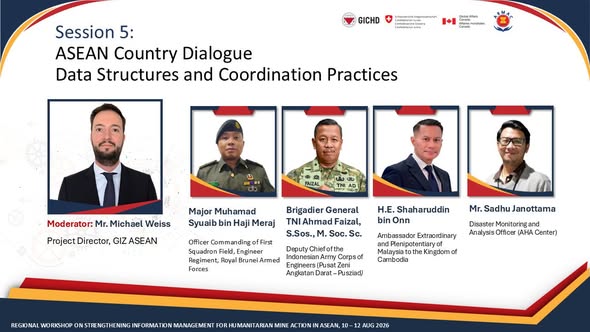
Session 5 broadened the workshop conversation beyond mine action, bringing together experiences from Brunei Darussalam, Indonesia, Malaysia and the AHA Centre to explore how information moves across institutions, how systems connect, and what makes regional cooperation trusted and useful.
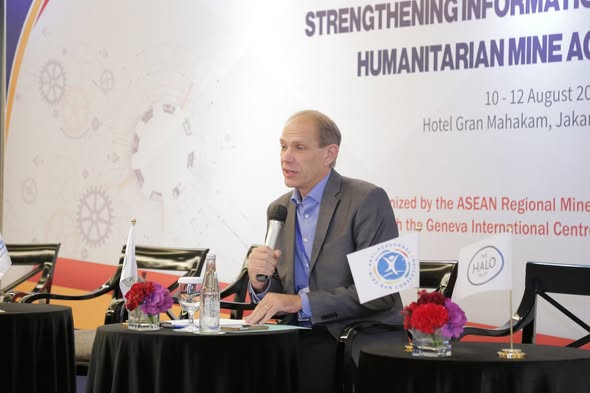
Moderated by Mr. Michael Weiss, Project Director, Capacity Building for the ASEAN Secretariat / Institutional Strengthening and Capacity Development of the ASEAN AHA Centre, GIZ, the dialogue brought together:
🇧🇳 Major Muhamad Syuaib bin Haji Meraj, Royal Brunei Armed Forces, who shared Brunei Darussalam’s experience in humanitarian assistance and disaster relief coordination—highlighting clear roles, focal points, established procedures and the importance of getting the right information to the right decision-makers at the right time.
🇮🇩 Brigadier General TNI Ahmad Faizal, Deputy Commander of the Indonesian Army Corps of Engineers, who reflected on Indonesia’s geographically dispersed operating environment and the need to connect information, authority and trust across agencies. His presentation emphasised a federated approach: national authorities retain ownership, validation and release authority while agreed regional standards can enable useful exchange.
🇲🇾 H.E. Mr. Shaharuddin Bin Onn, Ambassador of Malaysia to the Kingdom of Cambodia, who shared Malaysia’s experience with national disaster information coordination and MyGDX, its government data-exchange ecosystem. A central lesson was clear: interoperability requires not only technology, but legal clarity, institutional commitment and trusted mechanisms for access.
🌏 Mr. Sadhu Zukhruf Janottama, Disaster Monitoring and Analysis Officer, the AHA Centre, who shared lessons from ASEAN’s regional disaster information management experience, including AIM-Net—demonstrating the importance of governance, common data standards, trusted information-sharing mechanisms and sustained collaboration among Member States.
Different sectors. Different systems. Yet several common principles emerged.
Regional cooperation works best when governance is clear, national ownership is respected, standards and processes are understood, and institutions trust how information will be used.
For the proposed AIM Hub, the lesson is not to make every national system the same. It is to identify where connection, common standards and regional learning can add practical value.
From the Field to Better Decisions: The Operational Reality of Information Management
Information management ultimately begins where humanitarian mine action happens—in the field.
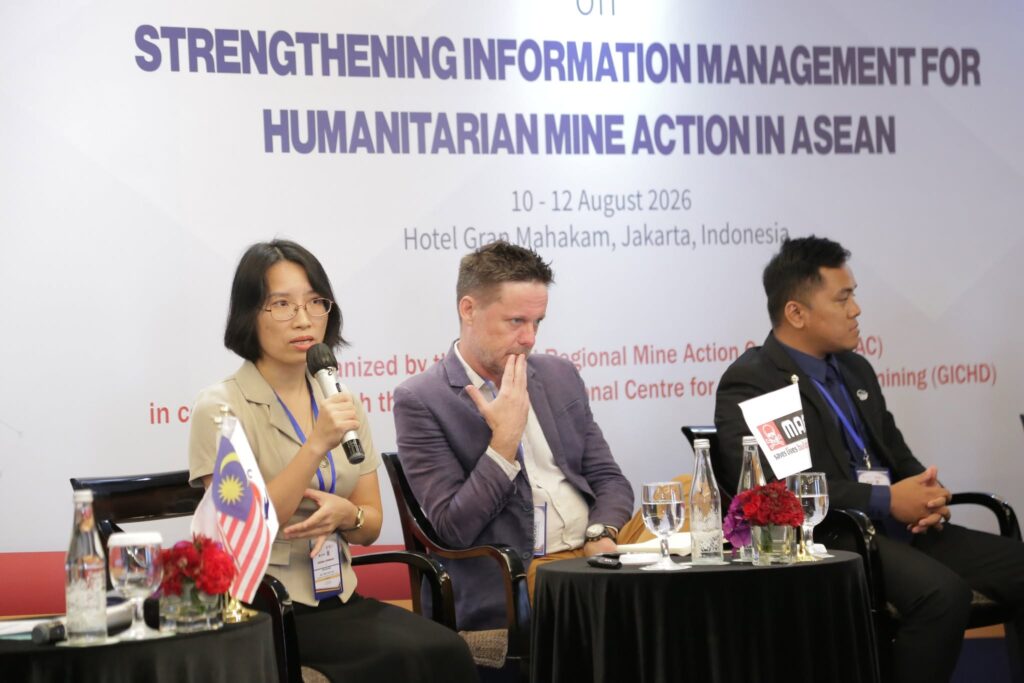
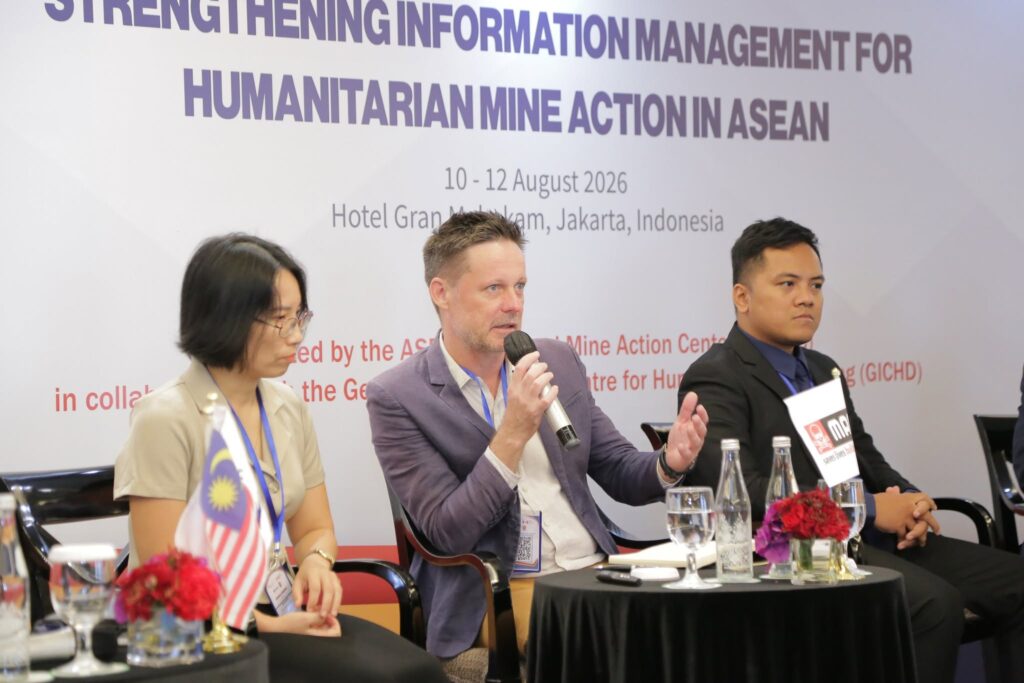
Session 7: Operator and Partner Dialogue – Field Realities, Reporting Workflows and Practical IM Gaps brought operational experience to the centre of the workshop, examining how information is collected, checked, analysed, shared and used from field activity through to national planning.
Moderated by H.E. Mr. Shaharuddin Bin Onn, Ambassador of Malaysia to the Kingdom of Cambodia and Vice-Chair of the ARMAC Steering Committee, the dialogue brought together perspectives from the Mines Advisory Group (MAG), Norwegian People’s Aid (NPA), APOPO, Quang Tri Mine Action Center (QTMAC) and the Mine Action Agency of the Republic of Azerbaijan (ANAMA).
Across the discussion, several practical themes converged:
Reliable information starts with reliable field processes. Standardised reporting workflows, quality assurance and validation are essential if data is to remain trusted throughout the operational cycle.
Digital tools, GIS, automation and other innovations can strengthen information management—but only when they respond to operational needs and are supported by clear processes, governance and people with the capacity to use them.
Interoperability also depends on collaboration. Operators and national authorities need practical ways to align reporting, exchange information and maintain consistency while respecting national ownership.
And regional cooperation can help by creating space for technical exchange, South-South learning, institutional partnerships and shared lessons across different operating environments.
Different organisations work in different contexts, but the principles remain remarkably consistent: good data, clear processes, strong coordination and information that supports decisions.
For the AIM Hub, this means regional value must remain grounded in operational reality.
Connecting ASEAN’s Emerging Priorities with International Experience
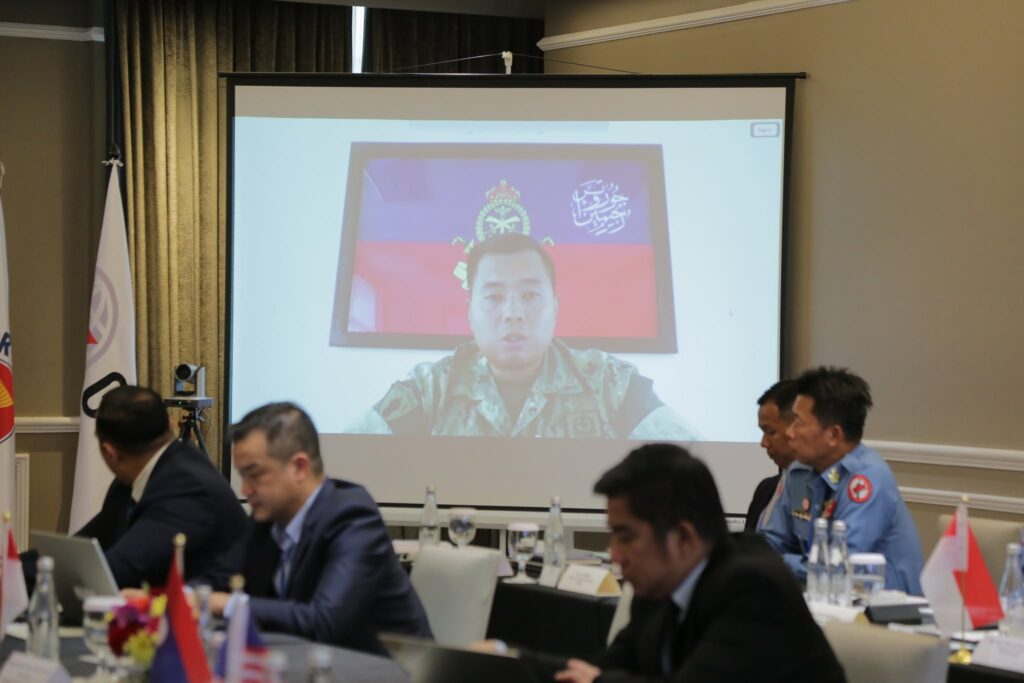
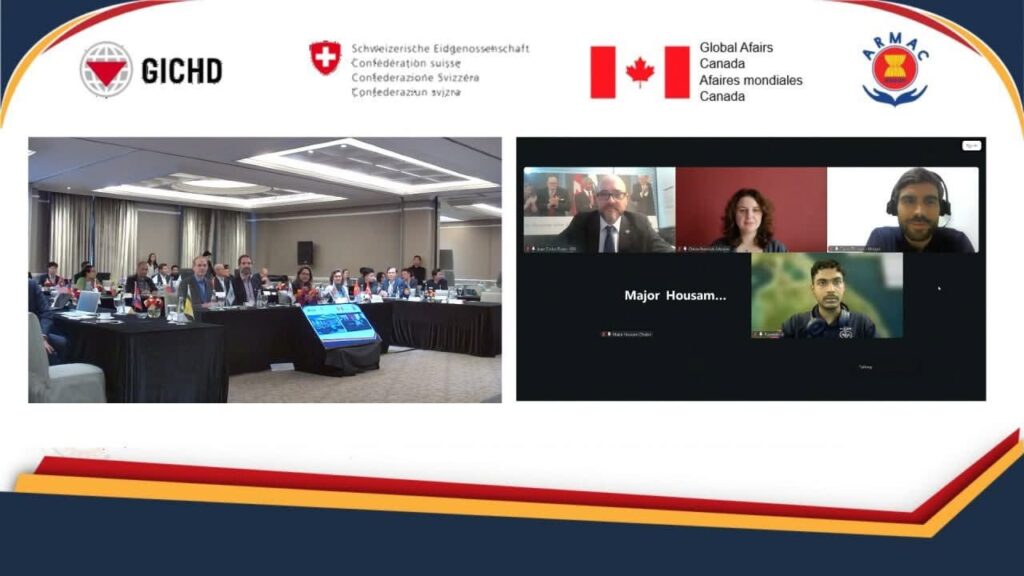
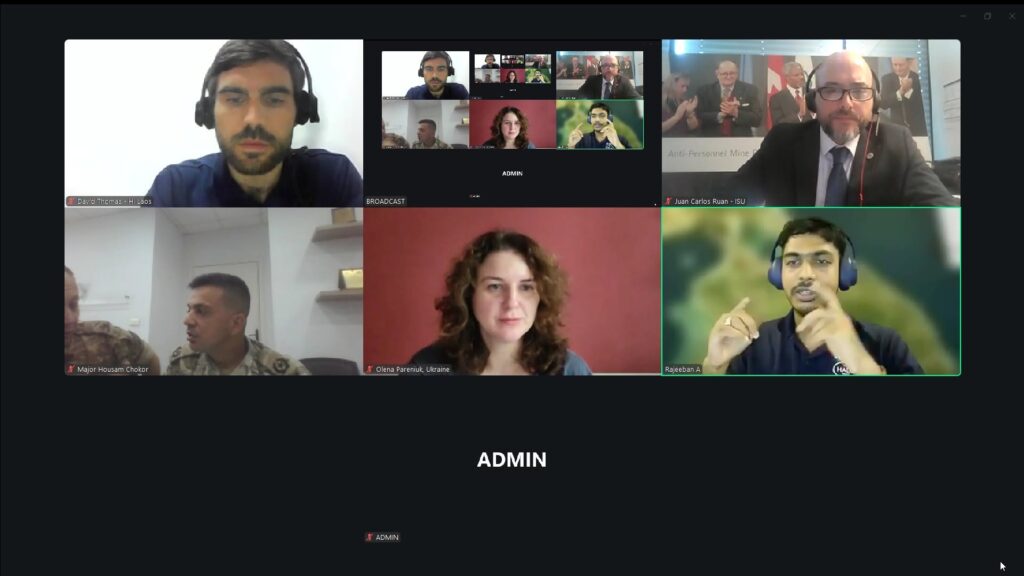
As the workshop moved from identifying regional needs towards shaping a practical AIM Hub, an international online panel provided an important opportunity to consider ASEAN’s emerging priorities alongside experiences from other mine action contexts.
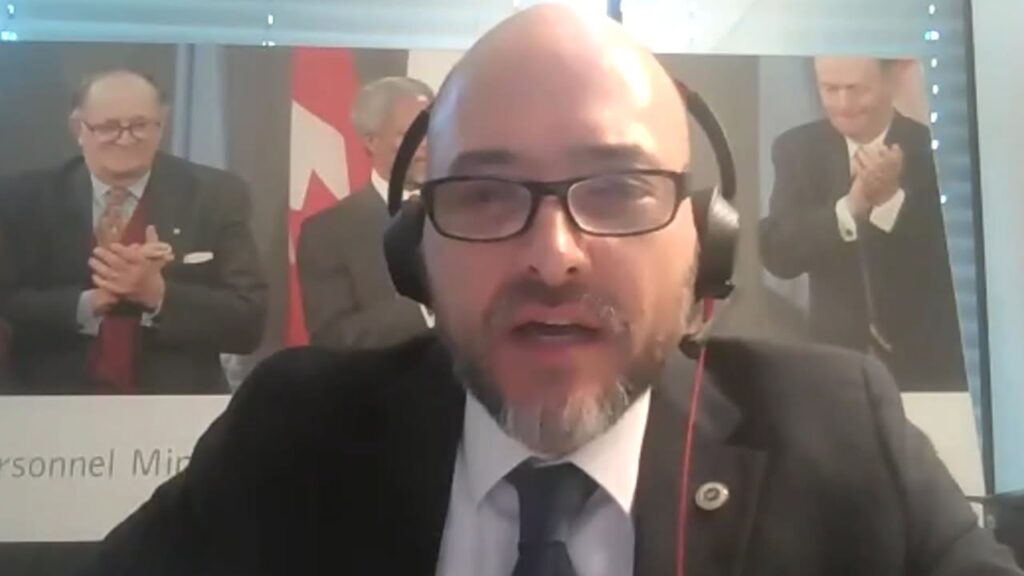
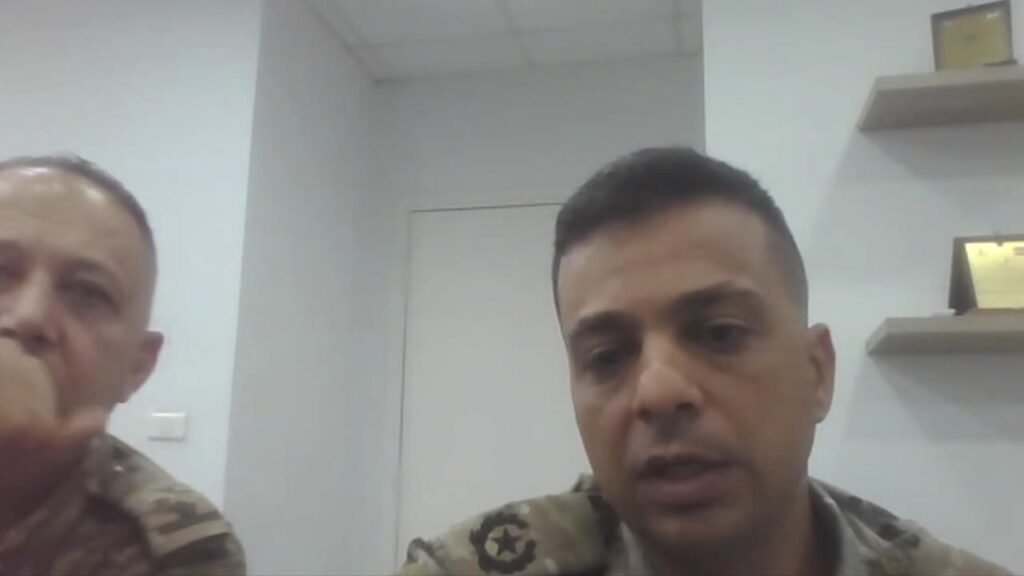
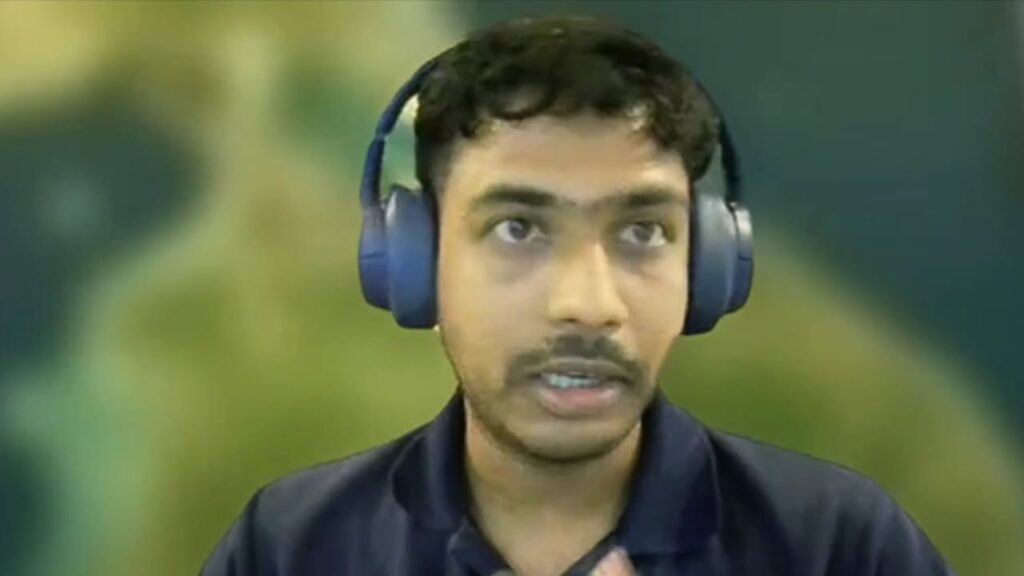
Moderated by Mr. Hans Risser, Country Director of Norwegian People’s Aid in Cambodia, the session brought together perspectives from Ukraine, the Lebanon Mine Action Center, Humanity & Inclusion, The HALO Trust, and the Implementation Support Unit of the Anti-Personnel Mine Ban Convention (APMBC-ISU).
Dr. Olena Pareniuk shared Ukraine’s experience of managing mine action information at extraordinary scale, where prioritisation, integration with wider government data, and interoperability are critical to recovery and informed decision-making.
Major Houssam Chakor of the Lebanon Mine Action Center reflected on two decades of national information management development, emphasising strong national leadership, standardised workflows, structured validation, user-centred access, and progressive implementation.
Mr. David Thomas of Humanity & Inclusion brought an operational perspective from Lao PDR, reinforcing the importance of data quality, fit-for-purpose systems, and information that supports practical programme decisions.
The HALO Trust shared lessons from managing interoperability across global and programme-specific systems, including the value of common core data while retaining flexibility for local operational needs.
Mr. Juan Carlos Ruan, Director of the APMBC Implementation Support Unit, reflected on more than two decades of national reporting experience, highlighting data accuracy from the outset, appropriate disaggregation, community involvement, national ownership, and the value of collecting information that remains useful over time.
Across very different contexts, several common principles emerged strongly:
Trusted data. National ownership. Interoperability. Clear governance. Common standards. Continuous learning. Sustainable people and processes.
For ASEAN, these experiences reinforced an important direction emerging from the workshop: regional cooperation should strengthen national systems, not replace them.
Start with common principles and practical value. Keep the architecture flexible. And build progressively as trust, agreement, capacity, and regional needs evolve.
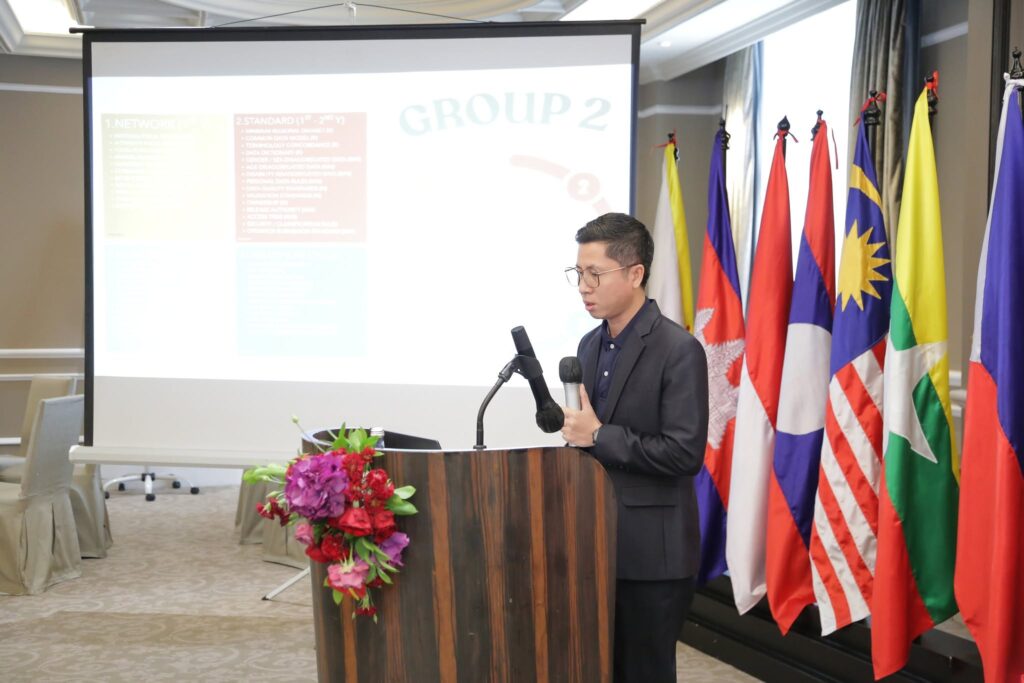
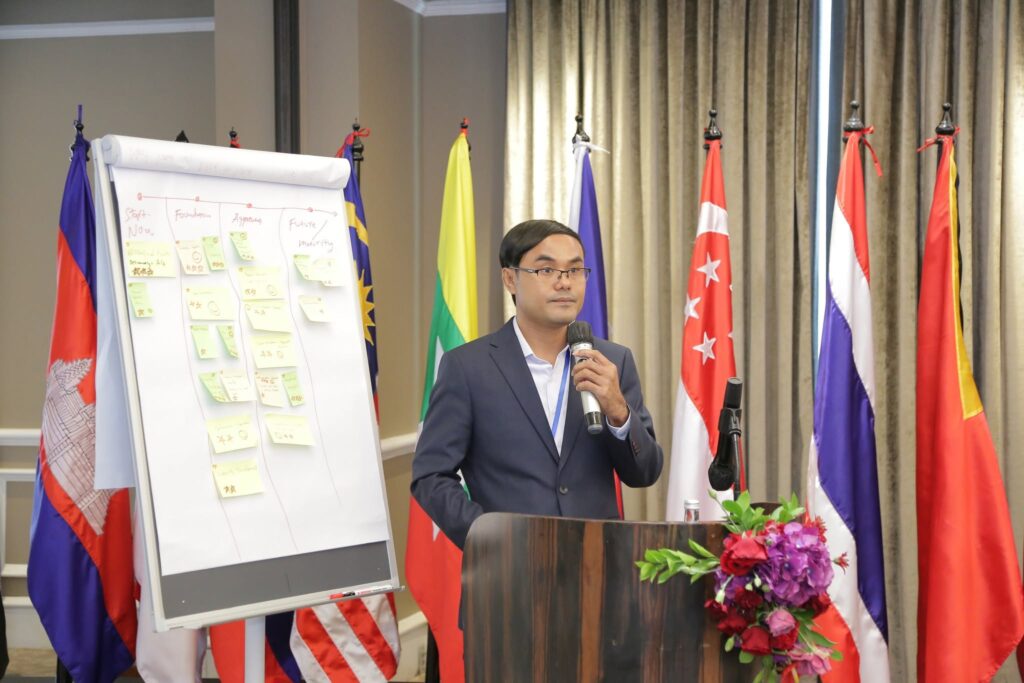
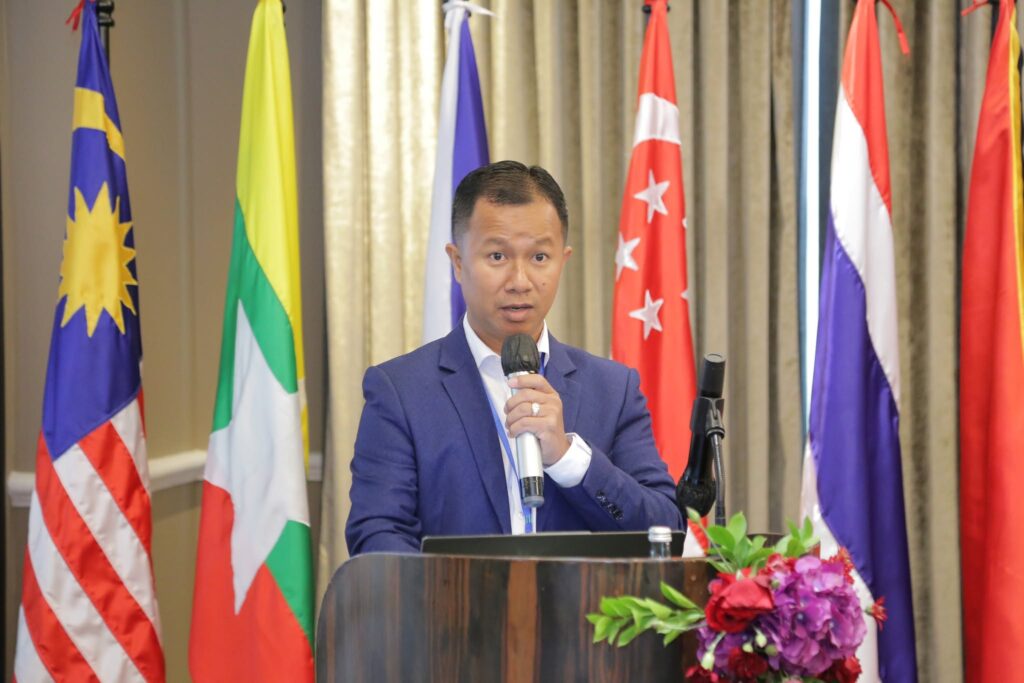
From Discussion to Design: ASEAN Participants Shape the AIM Hub
By the final day, the workshop moved beyond identifying challenges.
Participants were asked to design.
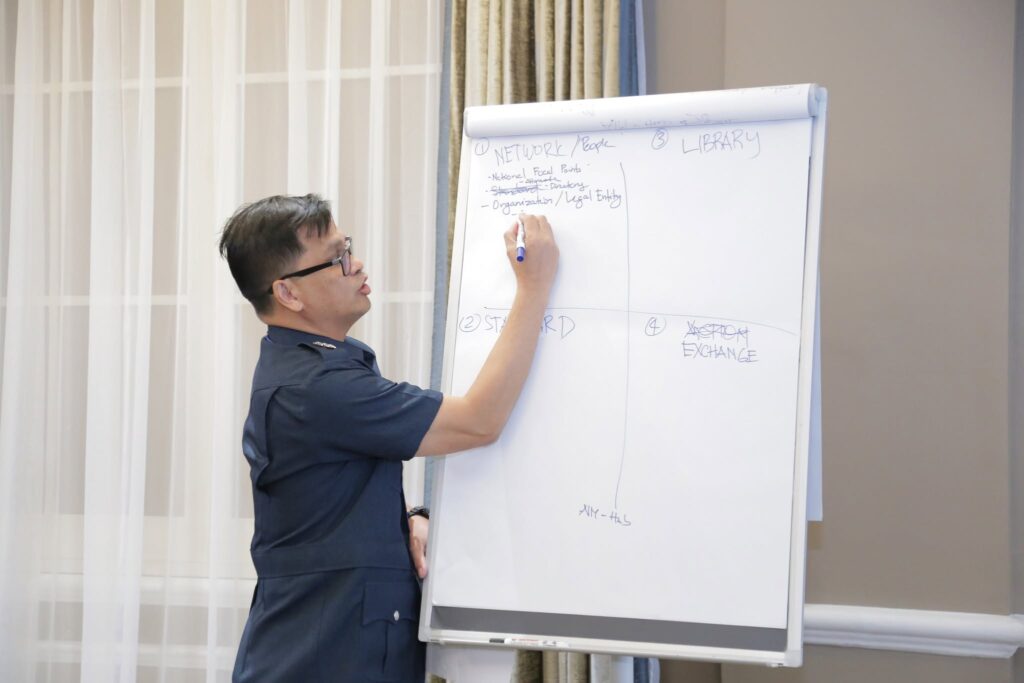
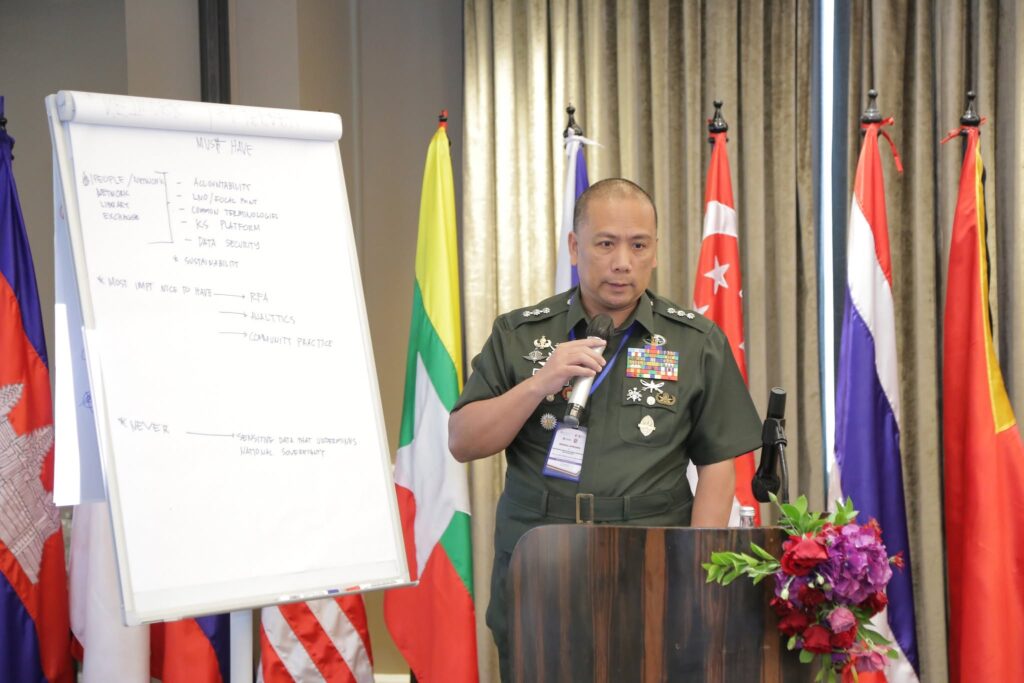
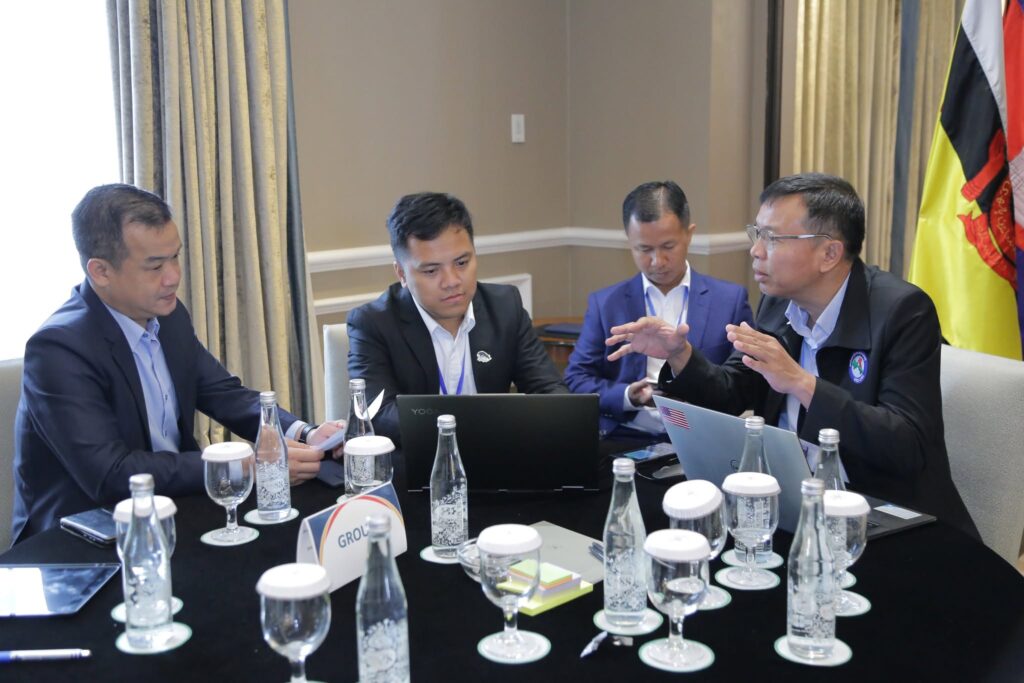
Across four breakout groups, ASEAN Member States and partners worked through a practical sequence: identify regional priorities, distinguish what must remain national, define the AIM Hub’s essential functions, set clear boundaries on what it must never do, and place those priorities on a realistic roadmap.
The exercise was organised around four pillars:
NETWORK — people, focal points, coordination and capacity
LIBRARY — knowledge, guidance, templates and lessons
STANDARD — common terminology, data quality, governance and minimum regional requirements
EXCHANGE — agreed ways to share, analyse and use regional information
Across the group results, strong areas of convergence emerged.
The AIM Hub should have clear focal points and coordination mechanisms. It should support common terminology, standards, templates, data quality, knowledge sharing, technical support and sustainable capacity. At the same time, participants were equally clear about the boundaries.
The Hub must not replace national systems. It must not change national figures, bypass national authorities, direct operations, create duplicate reporting, centralise sensitive information or enable unauthorised publication or data sharing.
The roadmap also reflected a progressive approach.
Some actions can begin early: focal point nomination, directories, technical working arrangements, knowledge exchange and regional dialogue.
Others require a stronger foundation: common terminology, SOPs, validation tools, data dictionaries, governance arrangements and sustainability planning.
Information-sharing protocols, validation authority, access rules, security arrangements and agreed regional datasets require Member State agreement.
More advanced functions—regional platforms, dashboards, analytics, automated exchange and AI applications—belong later, once trust, governance and capacity are mature enough to support them.
This was not a theoretical design exercise.
It was ASEAN participants defining what regional value should look like—and, just as importantly, where regional cooperation should stop.
11 Jun
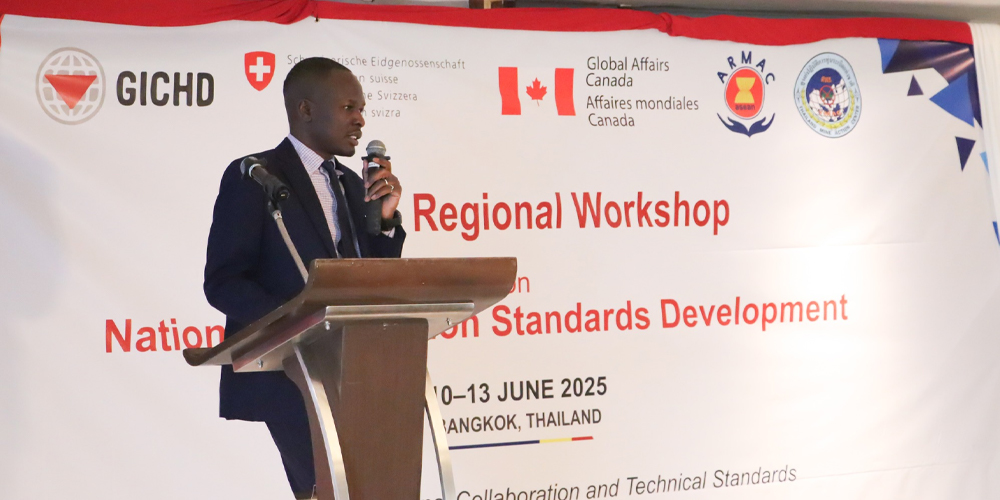
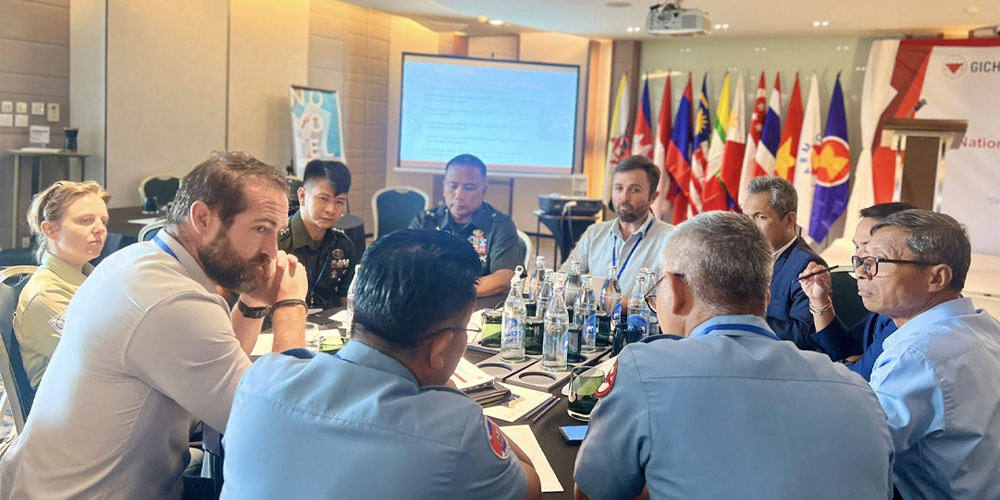
Day 2 Highlights | ARMAC–GICHD Regional Workshop on NMAS Development
From Standards to Practice: Building Technical Clarity Across ASEAN
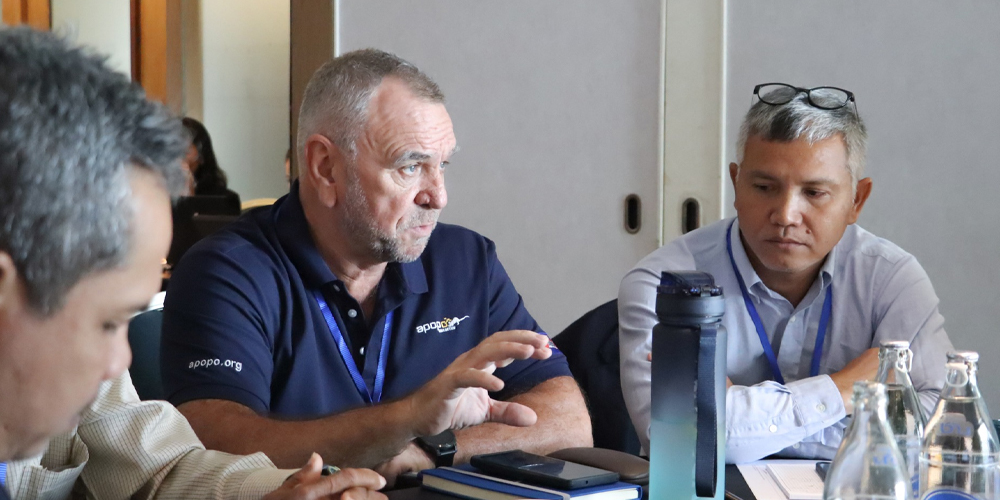
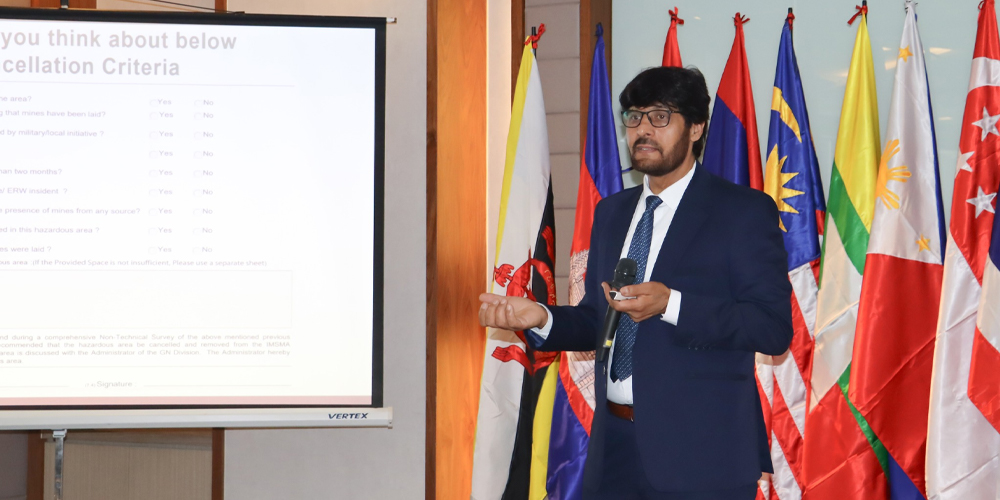
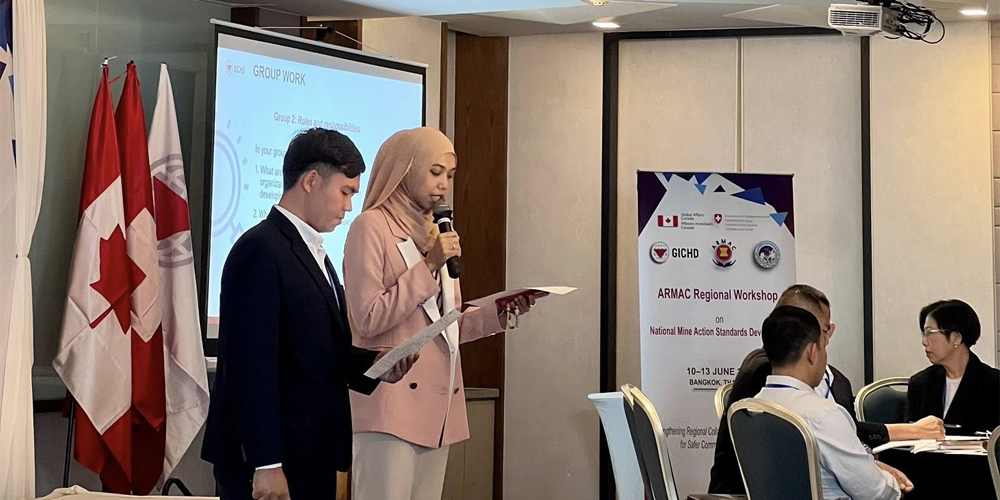
Day 2 of our regional NMAS workshop in Bangkok brought energy, dialogue, and tangible progress. Participants from across ASEAN engaged deeply with one of the cornerstone principles of mine action: All Reasonable Effort (ARE)—transforming this principle into actionable, national standards tailored to their contexts.
Key Technical Takeaways:
• ARE in Practice: Comprehensive sessions clarified how to apply ARE in Non-Technical Survey (NTS), Technical Survey (TS), and clearance operations—ensuring operational relevance and safety.
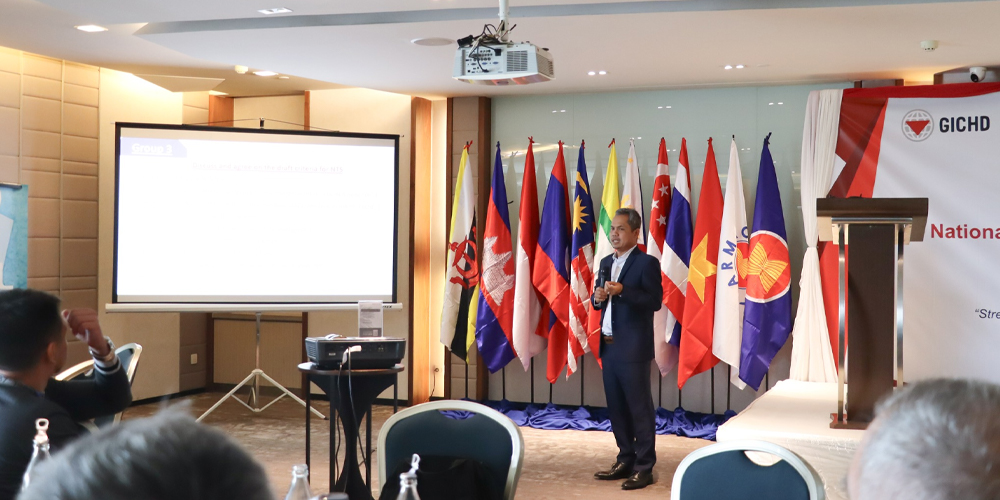
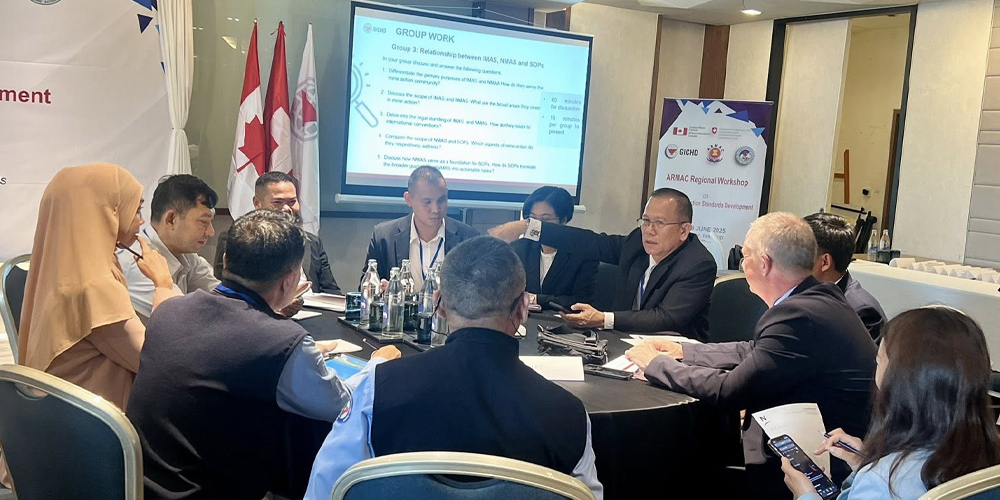
• Hands-On Collaboration: Delegates worked in national teams to define their ARE criteria and refine NMAS development and review processes.
• Drafting National Standards: Structured writing sessions supported by GICHD helped participants kickstart their own NMAS chapters.
• Quality Management: A critical end-of-day session addressed how QM systems uphold integrity, performance, and national accountability.
“It’s not just about aligning with IMAS—it’s about crafting practical, nationally owned systems that reflect field realities and promote regional interoperability,” emphasized a GICHD technical facilitator.
ARMAC thanks our co-host Thailand Mine Action Center (TMAC), technical partner GICHD, and the Governments of Canada and Switzerland for supporting this vital initiative.
Stay tuned as we continue shaping ASEAN’s mine action architecture to be more resilient, locally grounded, and regionally connected.
10 Jun
DAY 1 HIGHLIGHTS | ARMAC Regional Workshop on NMAS Development
📍 Bangkok, Thailand – 10 June 2025
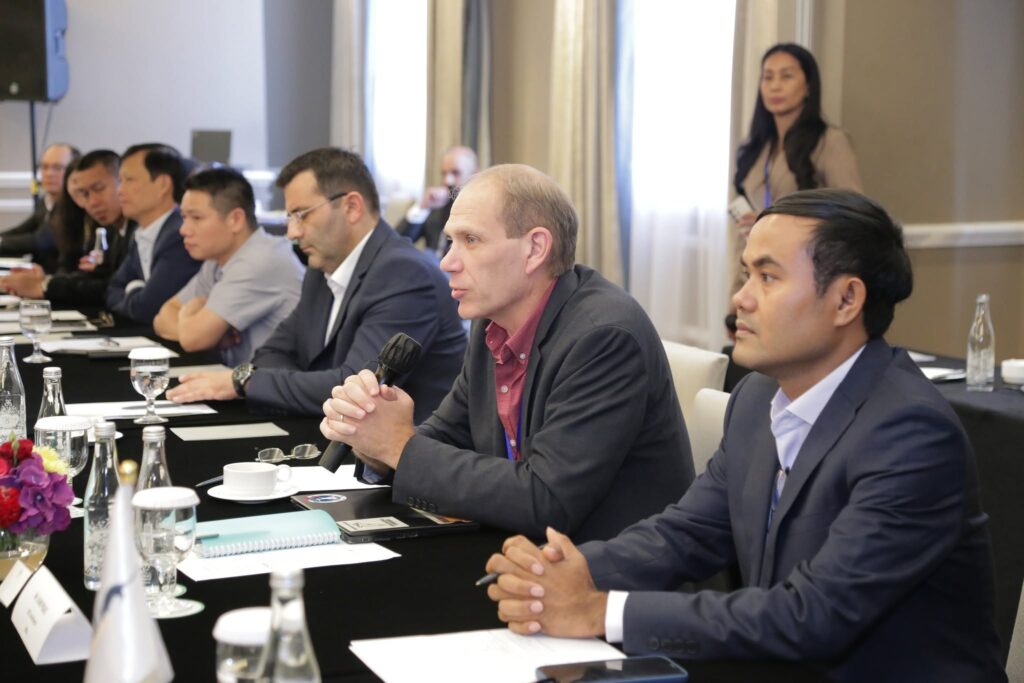
The energy is high and the conversations are impactful!
Day 1 of the ARMAC–GICHD Regional Workshop on National Mine Action Standards (NMAS) launched with powerful engagement, technical exchange, and renewed commitment from across the region.
  •  ASEAN country briefings – highlighting national progress, ongoing challenges, and regional opportunities
  • Deep dive into IMAS and the Land Release (LR) process
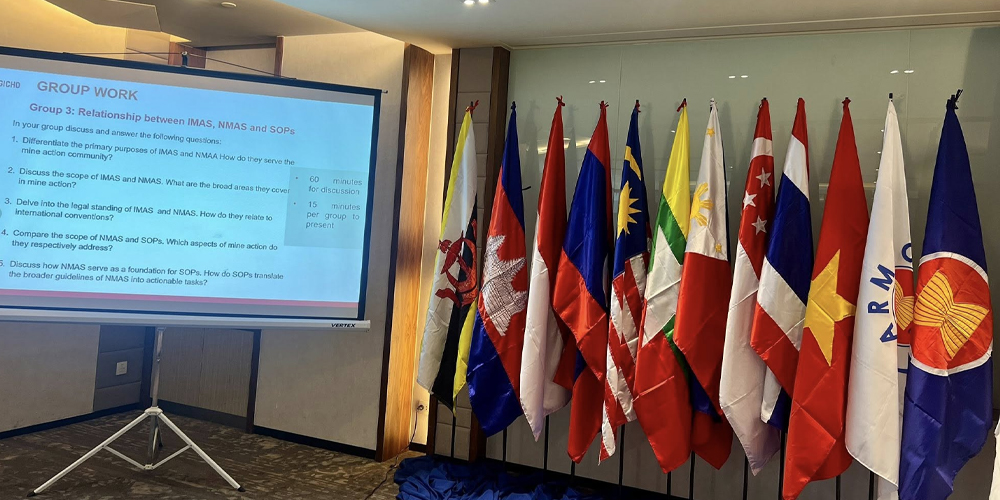
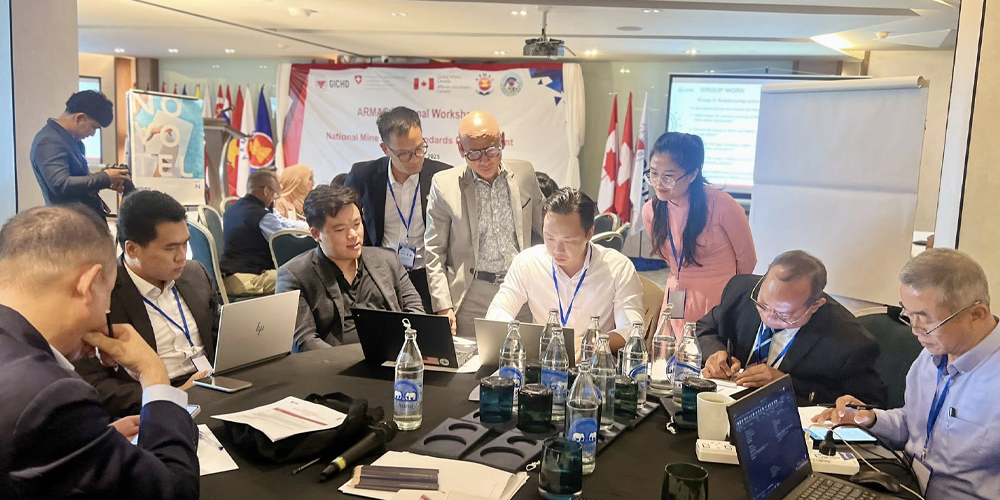
  •  Interactive group exercises on treaties, national responsibilities, and the relationship between IMAS, NMAS, and SOPs
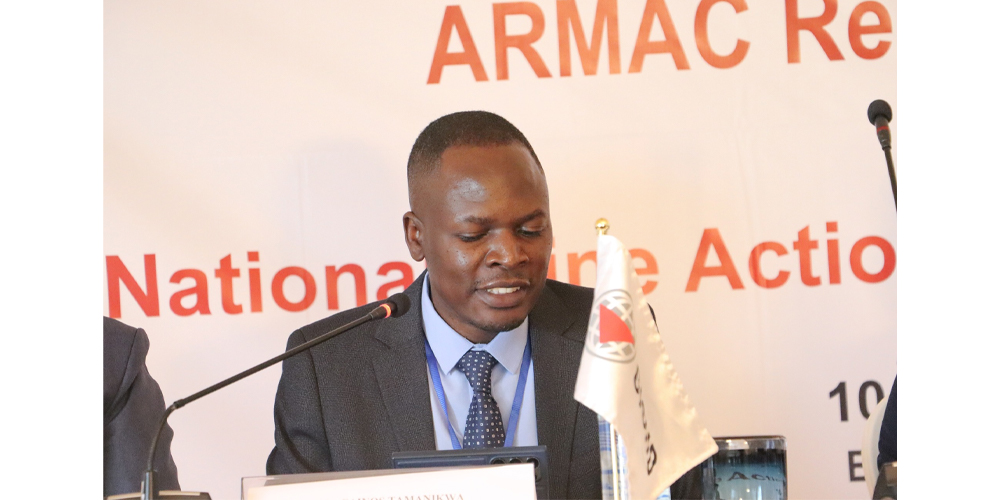
“National Mine Action Standards are the foundation of any successful national ownership. They ensure safety, quality, and effectiveness in the field,” said Mr. Tamanikwa. “
Workshops like this strengthen collaboration and regional capacity. With support from the Governments of Canada and Switzerland through GICHD, we are making a lasting impact for affected communities,” added Mr. Ziaee.
Special thanks to GICHD for their technical leadership, and to the Governments of Canada and Switzerland for making this regional effort possible.
We’re just getting started — and the momentum is real. Stay tuned as we work together toward a safer, mine-free ASEAN.
10 Jun
ARMAC and GICHD Launch First-Ever Regional Workshop to Advance National Mine Action Standards in ASEAN
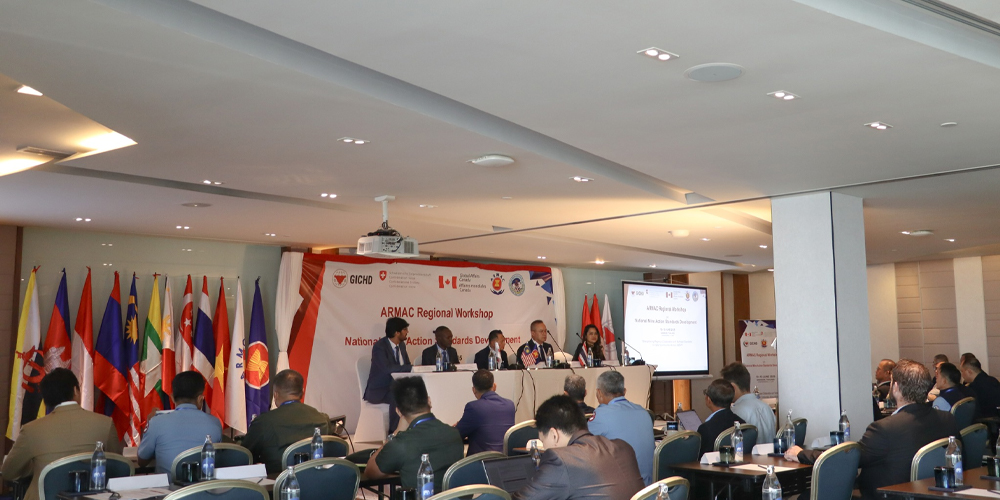
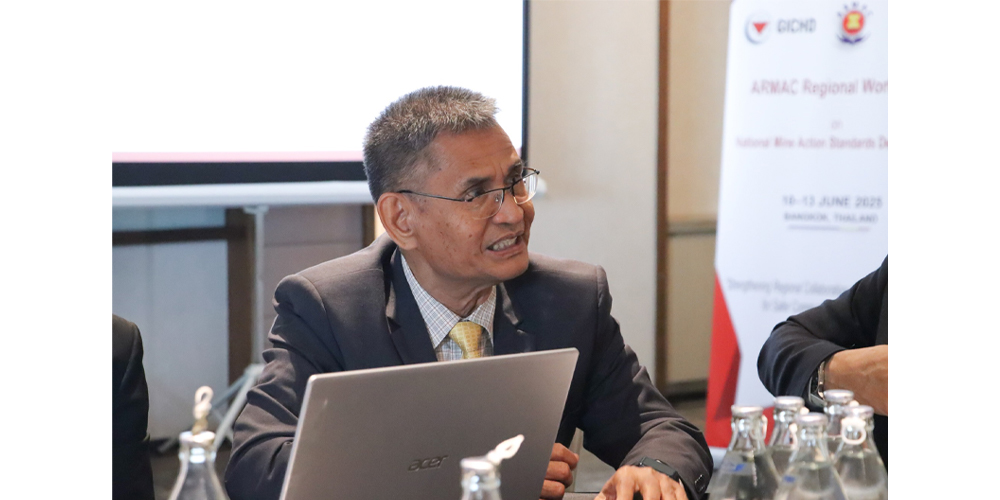
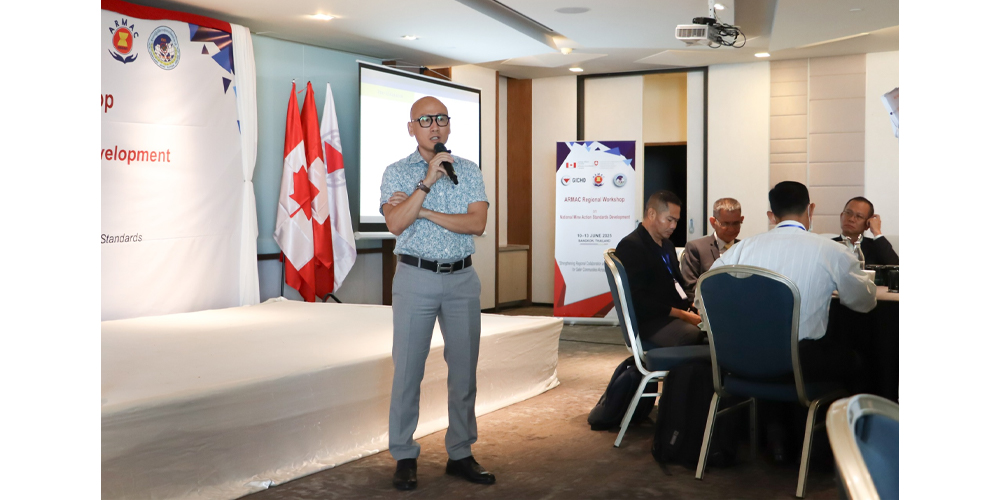
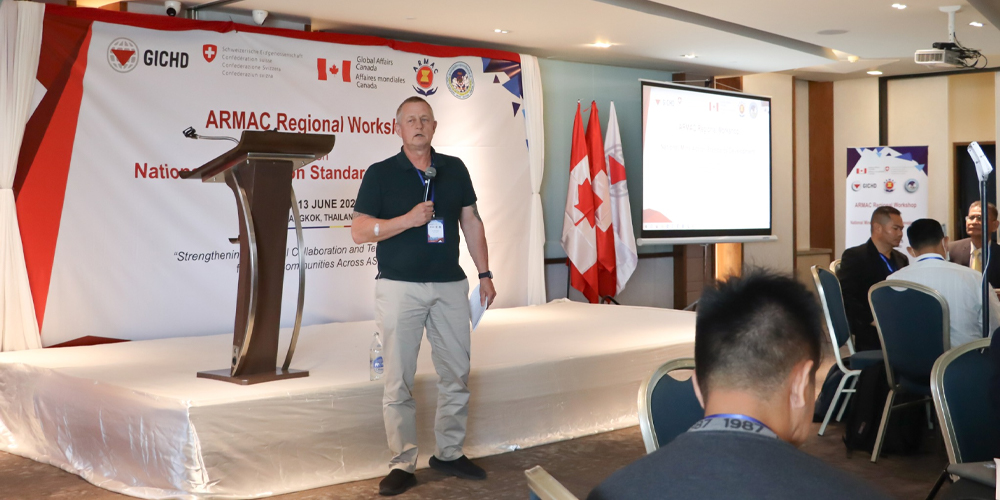
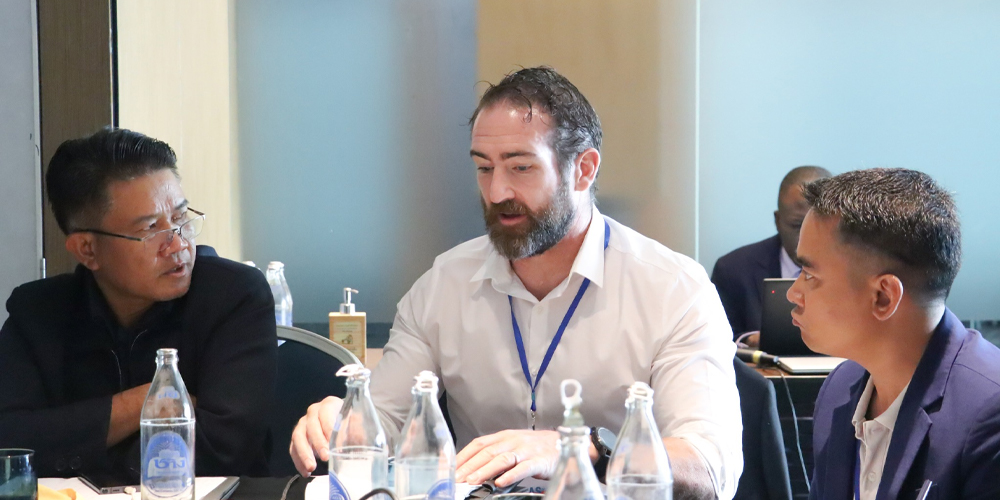
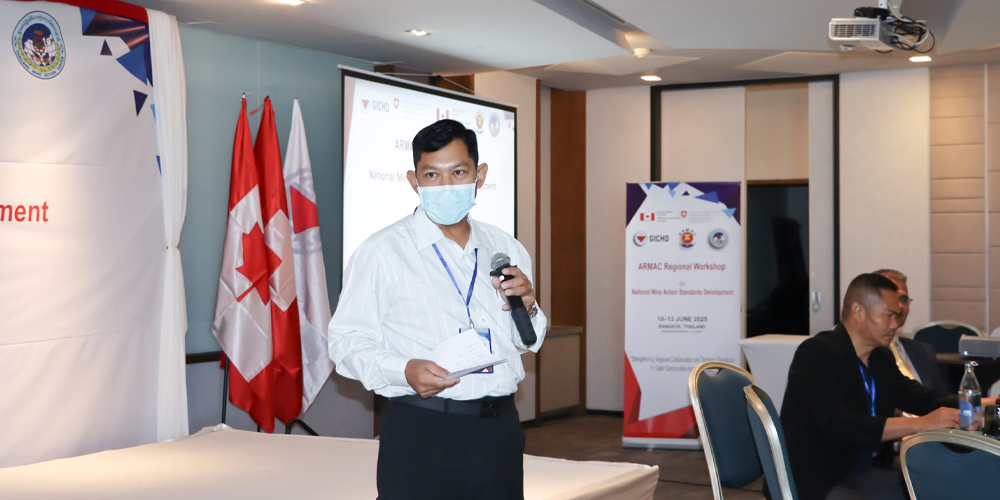
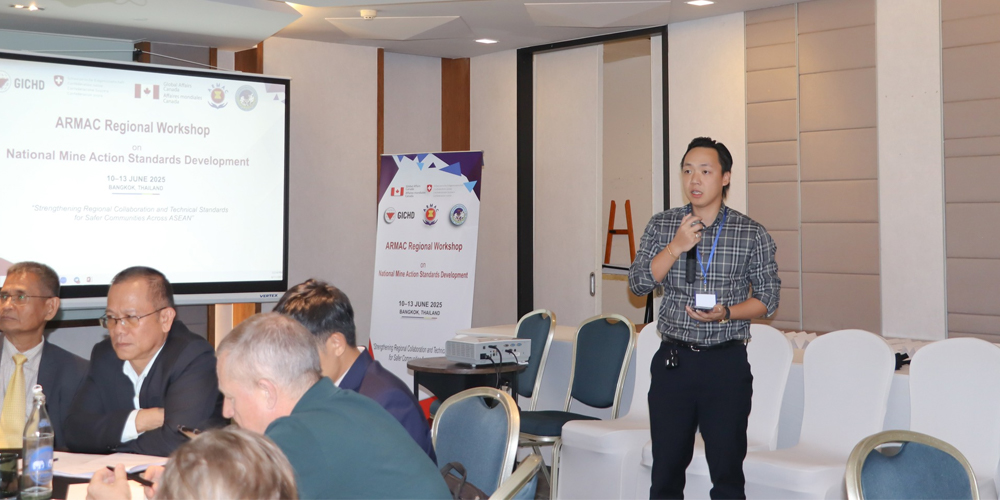
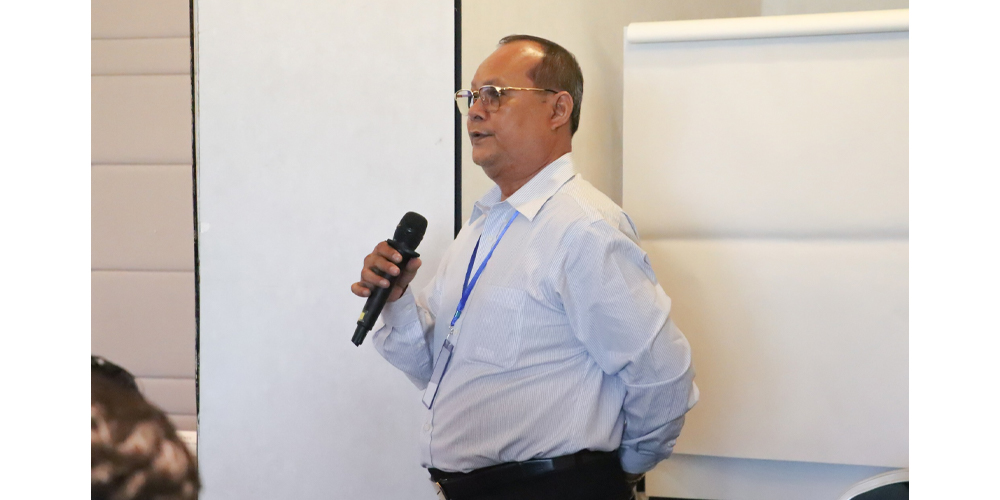
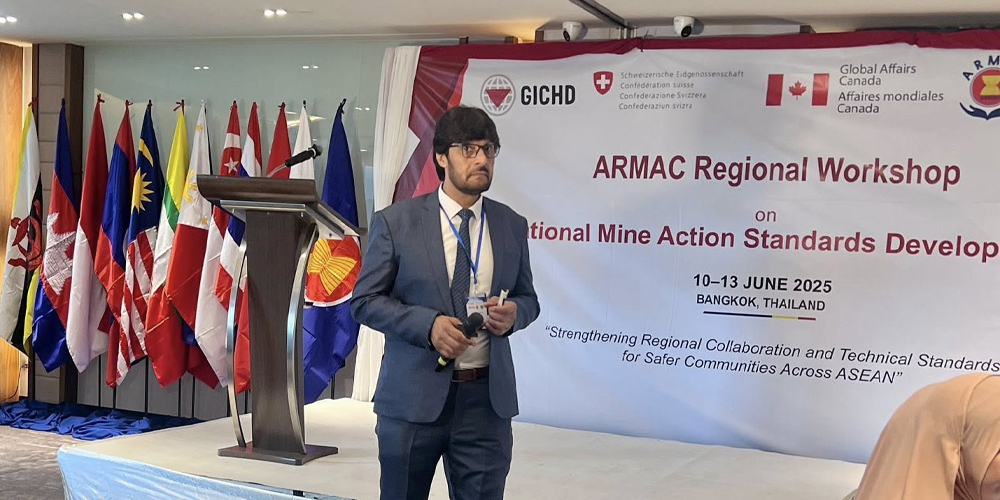
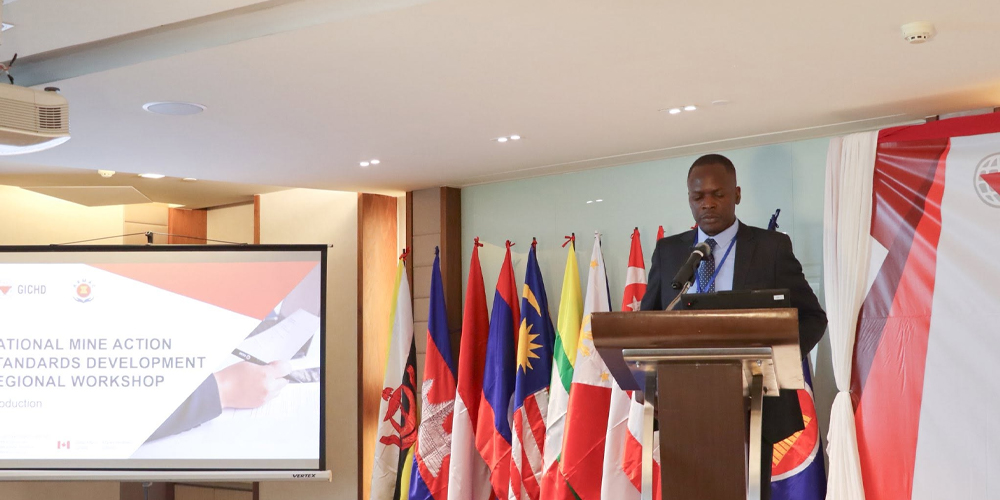
BANGKOK, THAILAND – June 10, 2025 – The ASEAN Regional Mine Action Center (ARMAC), in collaboration with the Geneva International Centre for Humanitarian Demining (GICHD), has officially launched the inaugural Regional Workshop on National Mine Action Standards (NMAS) Development, held from June 10 to 13 in Bangkok, Thailand.
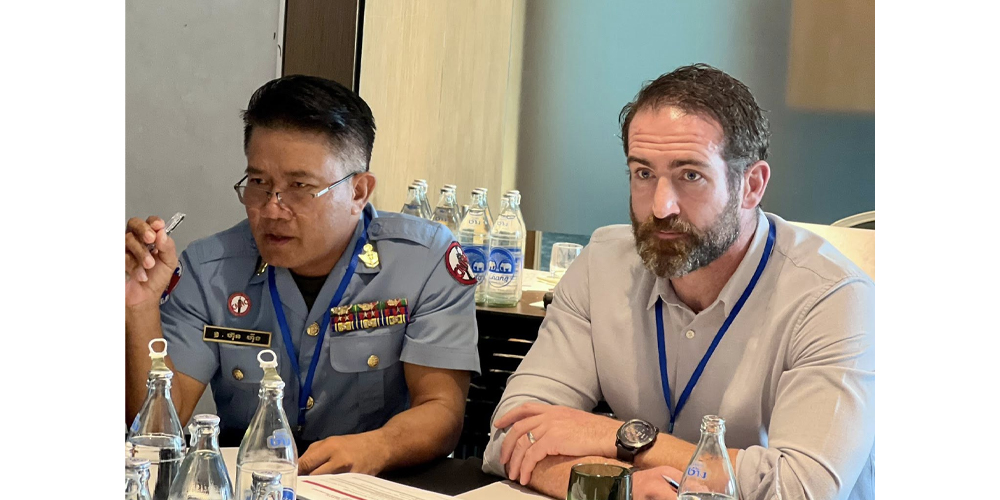
This landmark event brings together around 40 participants, including senior representatives from ASEAN Member States’ national mine action authorities, international experts, and key stakeholders. The workshop marks a significant milestone in ARMAC’s mission to promote a mine-free ASEAN through enhanced regional cooperation and capacity development.
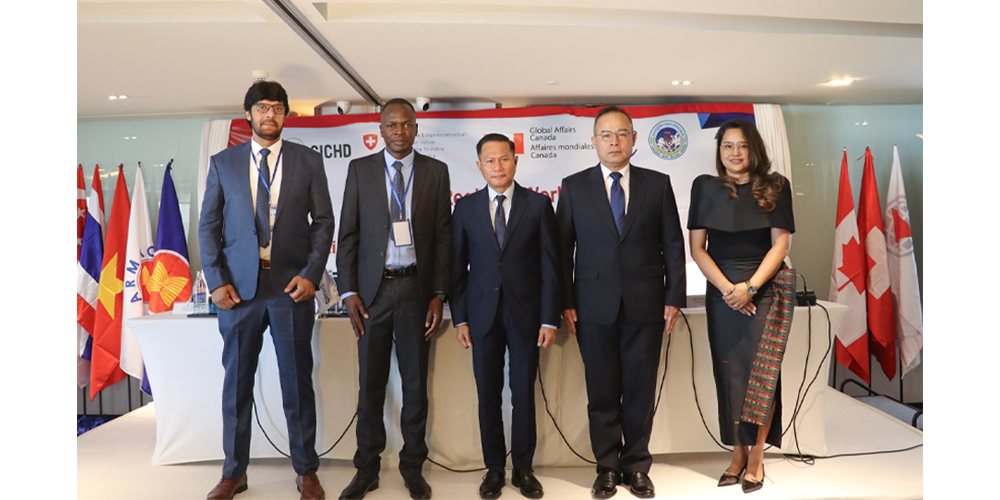
The opening ceremony featured remarks by:
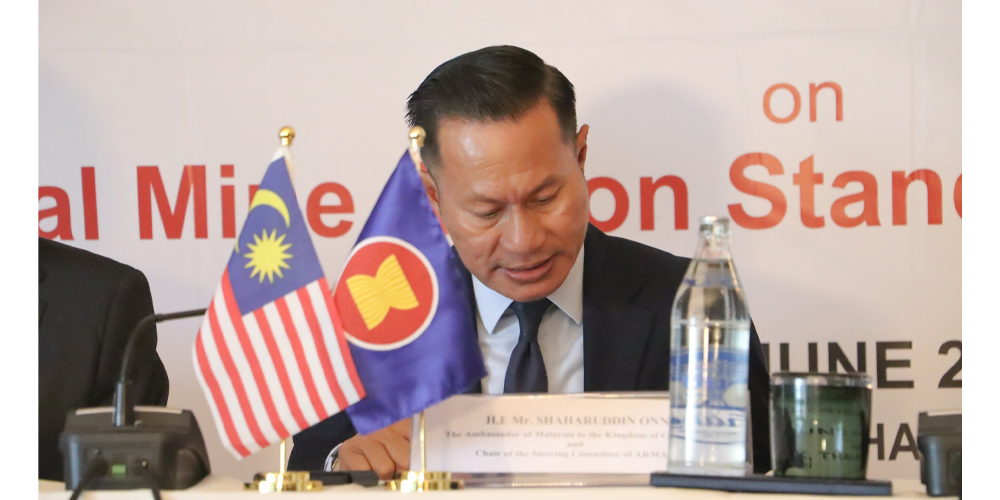
• H.E. Mr. Shaharuddin Bin Onn, Chair of the ARMAC Steering Committee and
Ambassador of Malaysia to Cambodia
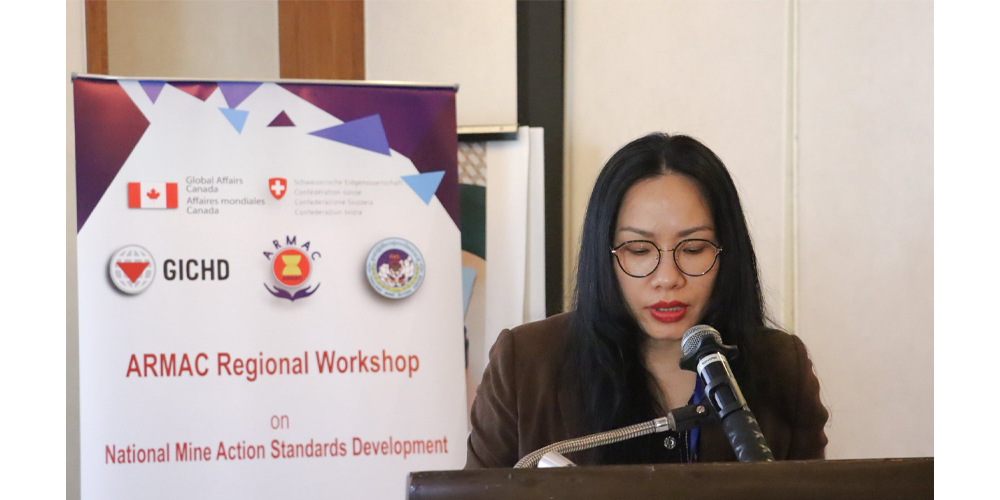
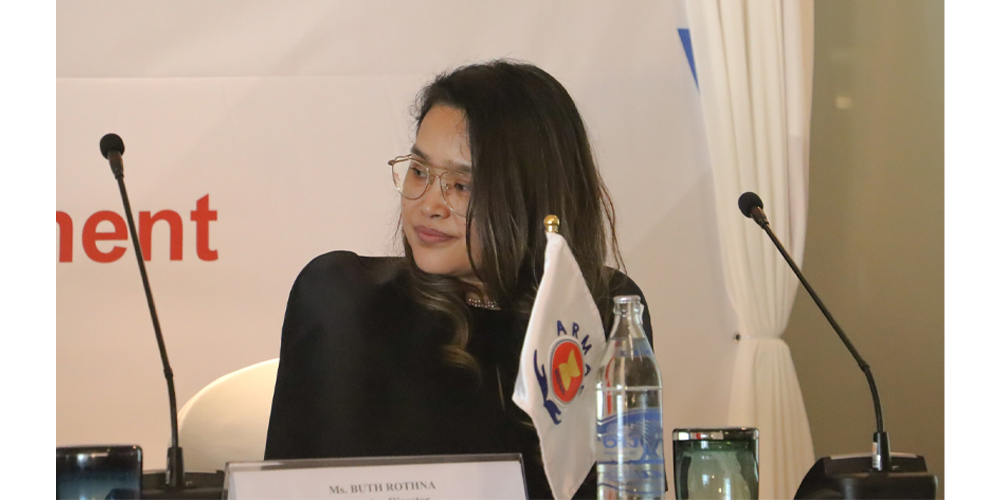
• Ms. Rothna Buth, Executive Director of ARMAC
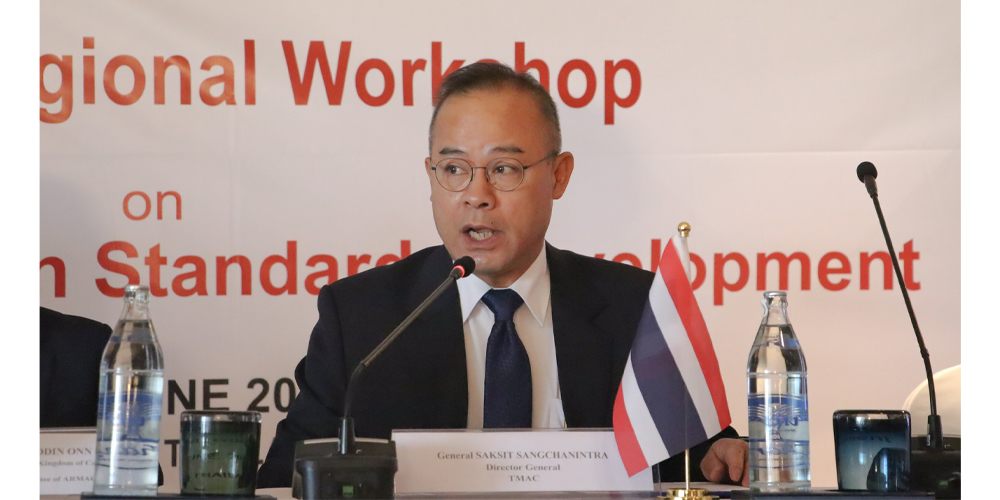
• General Saksit Sangchanintra, Director General of the Thailand Mine Action
Center (TMAC)
• Mr. Cainos Tamanikwa, Advisor at GICHD
“This is a historic occasion—not only is this ARMAC’s first regional workshop focused solely on NMAS, but it also represents our collective pledge to safer, mine-free communities,” said H.E. Mr. Shaharuddin Bin Onn. “NMAS are more than technical guidelines—they are life-saving frameworks essential for aligning national policies with global standards.”
The four-day program includes in-depth sessions on aligning NMAS with International Mine Action Standards (IMAS), enhancing land release practices, and strengthening risk and quality management systems. Participants will engage in country briefings, interactive group exercises, and thematic presentations aimed at fostering harmonized and effective standards across the region.
Ms. Rothna Buth added, “By sharing experiences and aligning our approaches, we amplify our collective impact. ARMAC is proud to co-lead this effort with GICHD and reaffirm our role as a regional center of excellence in mine action.”
ARMAC extends its sincere gratitude to the Governments of Canada and Switzerland for their generous support to this initiative through GICHD, and to TMAC for their gracious co-hosting and continued leadership in humanitarian mine action.
This initiative aligns with the ASEAN Political-Security Community Blueprint 2025, reinforcing ASEAN’s vision for a peaceful, secure, and mine-free region.
For press inquiries, please contact:
ASEAN Regional Mine Action Center
#29, Street 115, Sangkat Veal Vong, Khan 7 Makara, Phnom Penh 120307, Cambodia
Tel: (+855) 23 221 354 / (+855) 23 221 364
Email: secretariat@aseanmineaction.org
End of Press Release
02 Jun
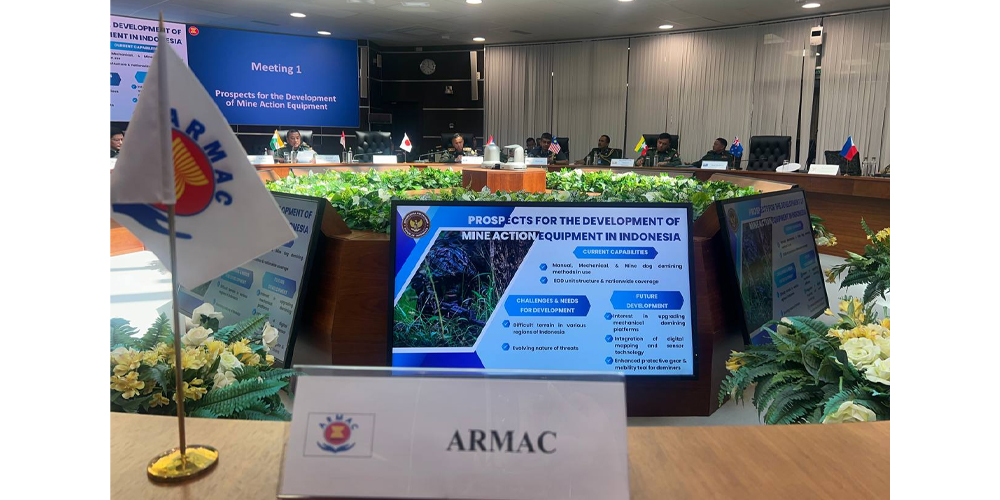
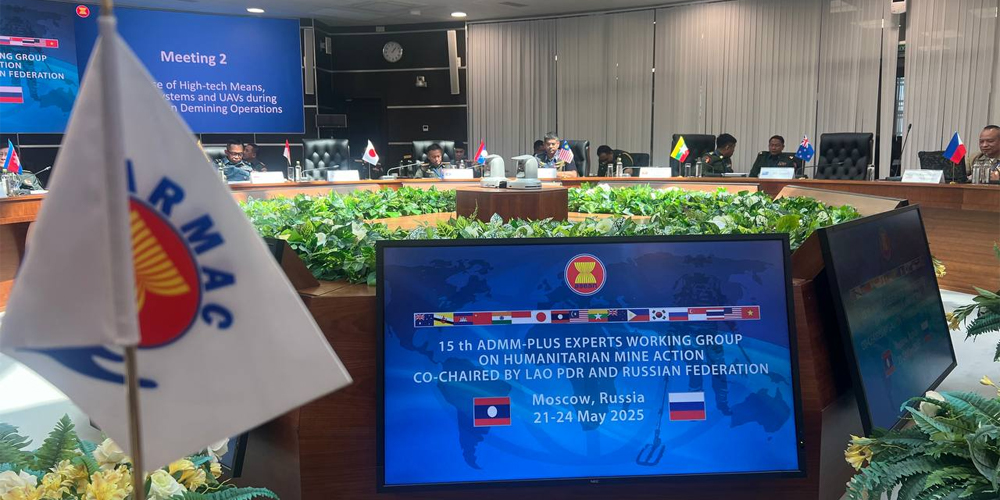
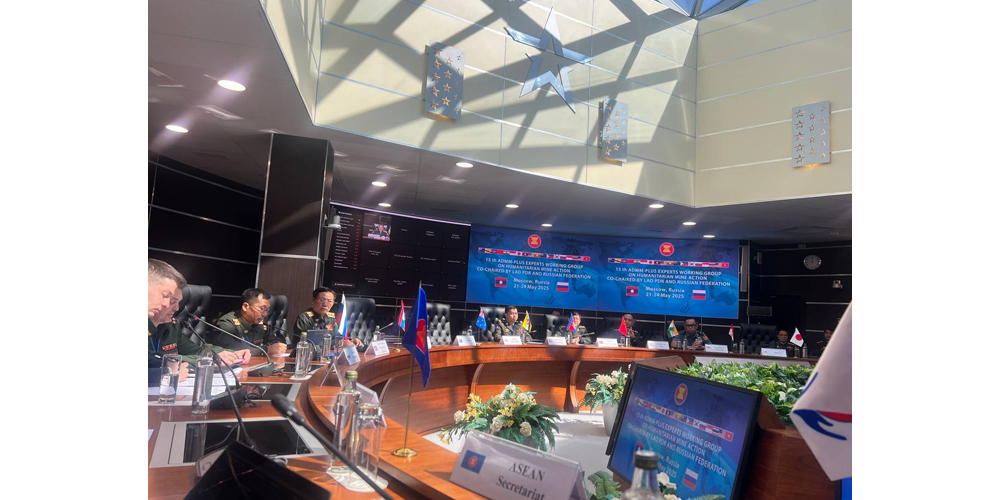
ARMAC Participates in the 15th ADMM-Plus Experts’ Working Group on Humanitarian Mine Action (HMA)
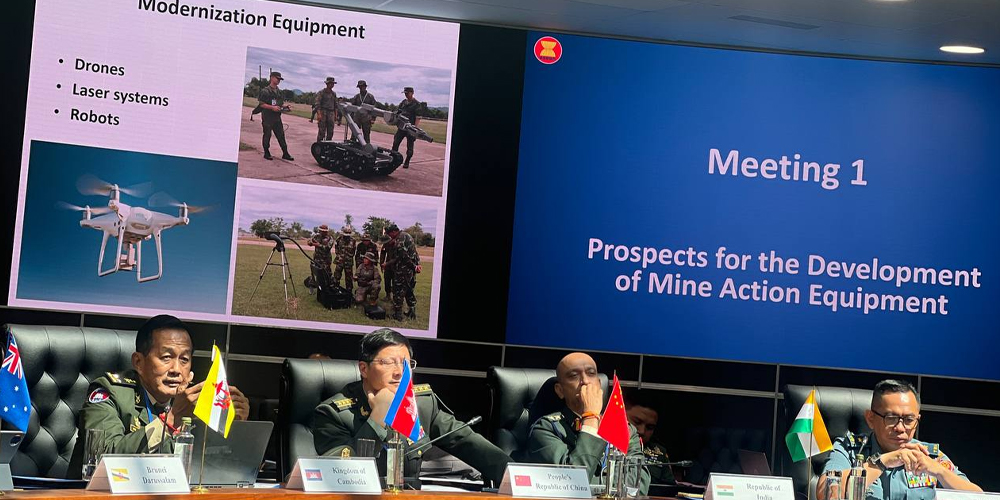
ARMAC proudly took part in the 15th ADMM-Plus Experts’ Working Group on Humanitarian Mine Action, held in Moscow, Russian Federation. The meeting was co-chaired by the Lao People’s Democratic Republic and the Russian Federation, and brought together representatives from ASEAN Member States and Dialogue Partners to exchange insights, experiences, and future plans related to mine action technology and innovation.
During the technical session on “Prospects for the Development of Mine Action Equipment,” ARMAC delivered a presentation on the evolving landscape of mine action in Southeast Asia. The presentation emphasized the importance of survivor-centered approaches and showcased innovative practices and regional cooperation mechanisms, including efforts to enhance interoperability, data systems, and the application of new technologies across ASEAN.
We extend our sincere appreciation to the ASEAN Secretariat, as well as the Co-Chairs—Lao PDR and the Russian Federation—for their excellent coordination and support in facilitating ARMAC’s participation and contribution to this important platform.
ARMAC’s participation highlighted the Center’s commitment to advancing technical exchange, promoting cross-border collaboration, and supporting the ASEAN Political-Security Community Blueprint 2025. This engagement also reflects ARMAC’s growing role in connecting ASEAN’s regional expertise with global innovations in humanitarian mine action.
Together, we continue to move toward a safer, mine-free ASEAN.
19 Apr
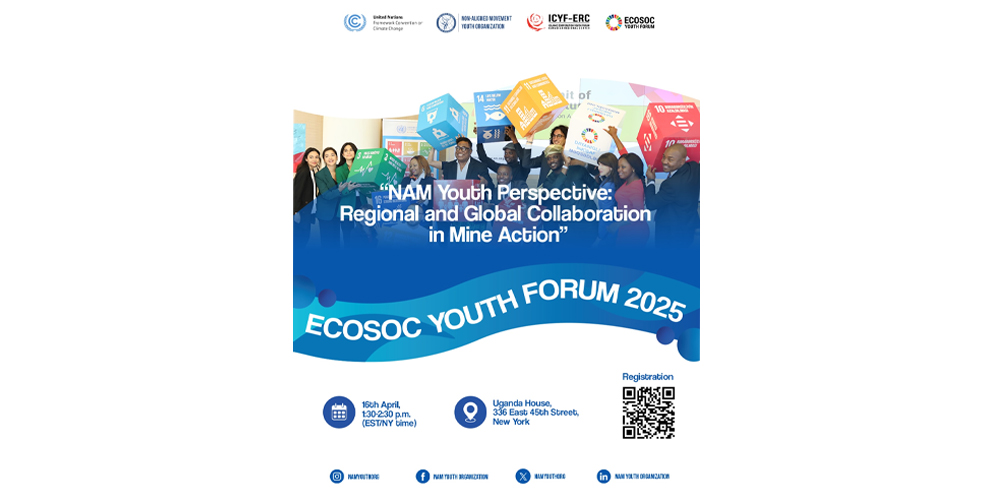
ARMAC Highlights ASEAN Mine Action Leadership at NAMYO & ECOSOC Youth Forum 2025
On 16 April, the ASEAN Regional Mine Action Center (ARMAC) proudly participated in the 2025 NAMYO & ECOSOC Youth Forum held in New York.
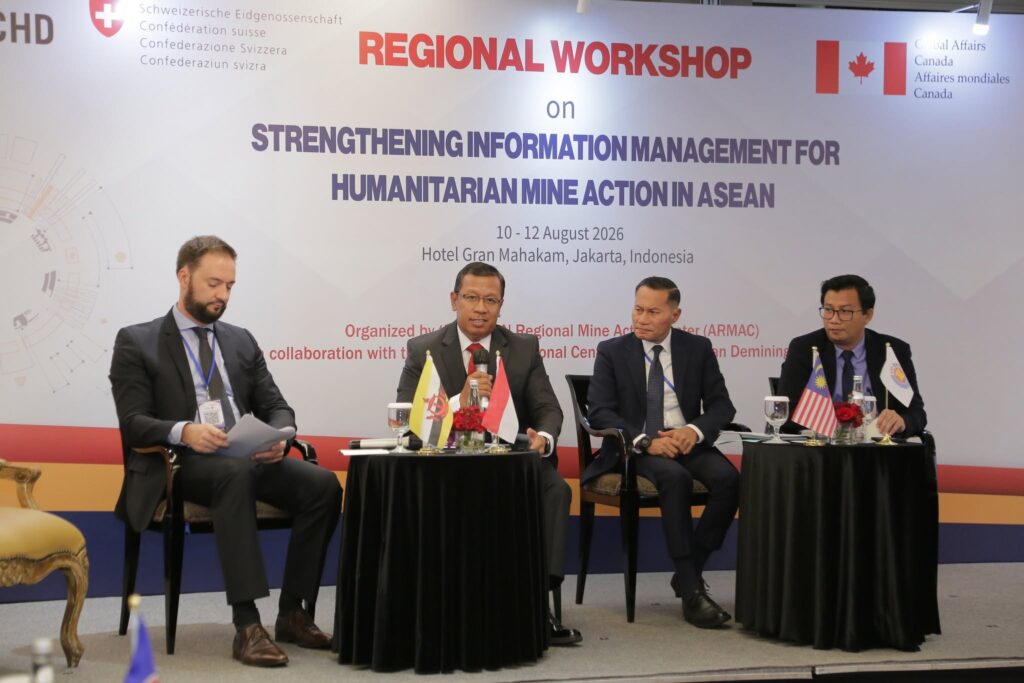
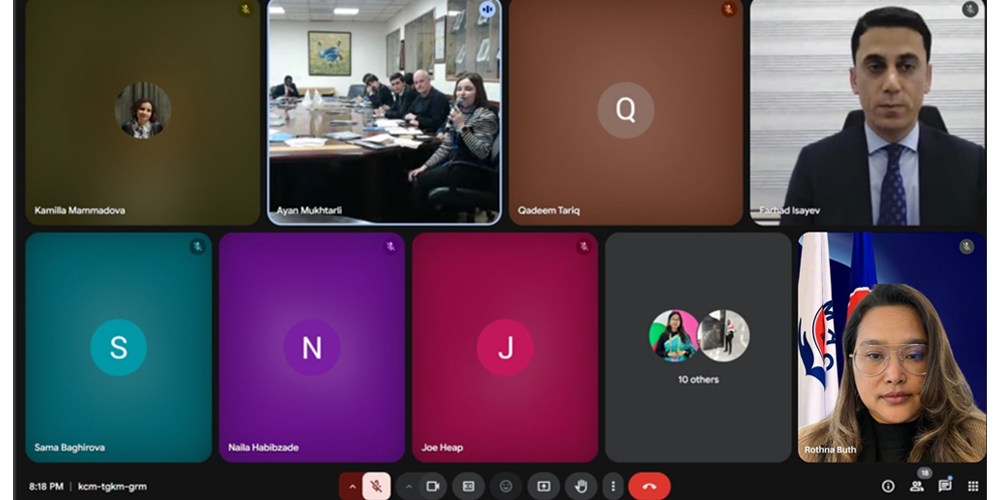
Representing ARMAC and ASEAN, Executive Director Ms. Rothna Buth joined a high-level roundtable virtually, contributing perspectives grounded in ASEAN’s regional cooperation model for humanitarian mine action.
The side event, “NAM Youth Perspective: Regional and Global Cooperation in Mine Action,” convened young leaders, UN entities, and global stakeholders to explore pathways for more inclusive and effective mine action partnerships within the Non-Aligned Movement and beyond.
Ms. Buth highlighted:
– The critical role of inclusive, regionally-led coordination mechanisms
– The value of South-South cooperation, peer learning, and technical exchange
– The contributions of youth, women, and communities in sustaining mine action
– The imperative to link mine action with the SDGs, development, and climate resilience
As a center of excellence in mine action, ARMAC remains committed to promoting ASEAN’s values of peace, security, and development through regional leadership, innovation, and inclusive engagement.
We thank NAMYO, ECOSOC, and all partners for championing youth voices in global mine action efforts.
13 Apr
ARMAC at the 28th Meeting of Mine Action National Directors and UN Advisers (NDM-UN28)
Geneva, Switzerland | 9–11 April 2025
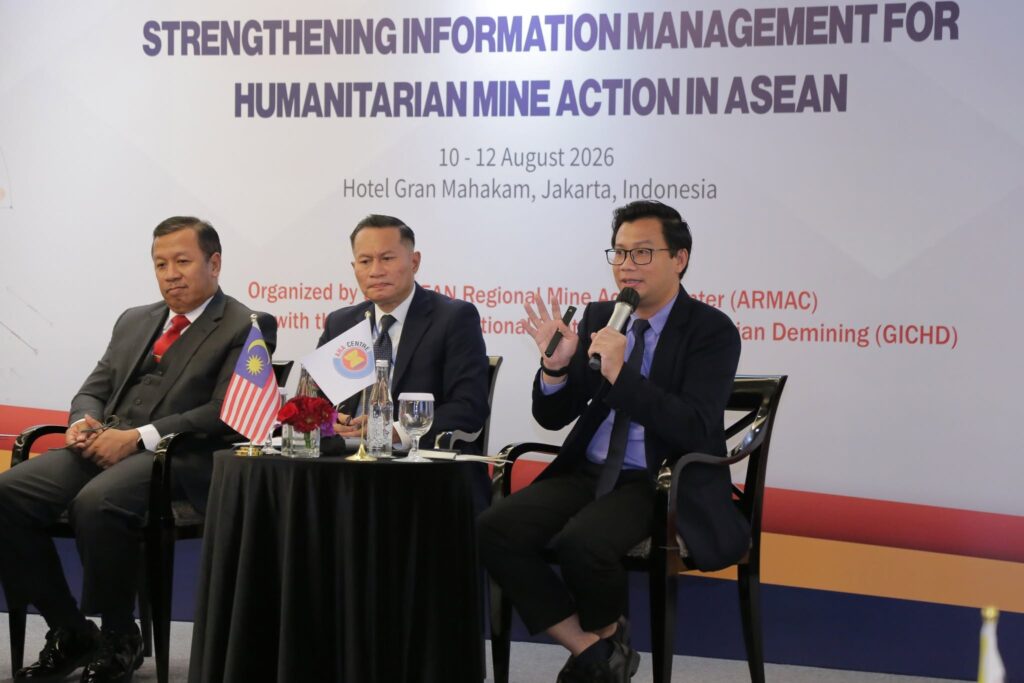
The ASEAN Regional Mine Action Center (ARMAC) was proud to participate in NDM-UN28, a premier global forum for mine action, hosted by the United Nations and the Geneva International Centre for Humanitarian Demining (GICHD).
ARMAC’s Executive Director, Ms. Rothna Buth, served as a panelist at the side event “Mines to Minds: Advancing Research, Innovation, and Technology in Humanitarian Mine Action”, co-organized by UNDP and ANAMA (Mine Action Agency of the Republic of Azerbaijan).
In her intervention, Ms. Buth highlighted ARMAC’s regional role in advancing innovation in mine action, including:
– Leveraging AI for Explosive Ordnance Risk Education through the S.A.F.E. Chatbot
– Strengthening regional knowledge exchange and collaboration
– Exploring the establishment of an ASEAN-based Regional Innovation Node for Mine Action
Participation in NDM-UN28 reflects ARMAC’s ongoing commitment to promoting a mine-free ASEAN by enhancing cooperation, advancing innovation, and aligning mine action with sustainable development priorities.
ARMAC extends sincere appreciation to the Government of Switzerland, the United Nations, GICHD, and all partners for supporting this meaningful dialogue.
Together, we move from mines to minds—forging pathways toward safer, more resilient communities across ASEAN and beyond.
15 Dec
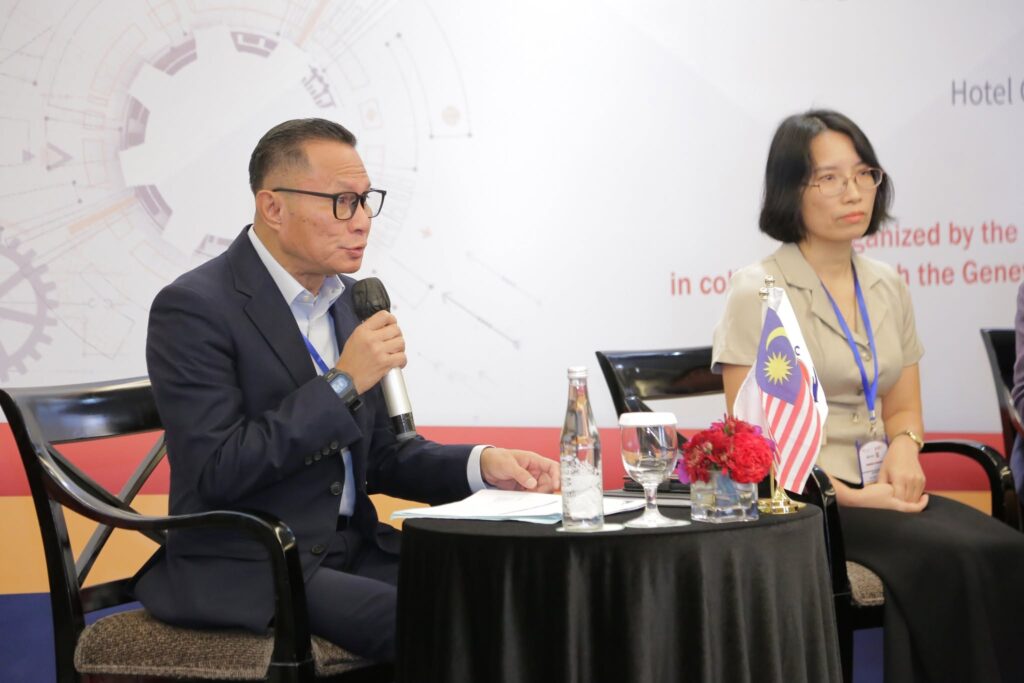
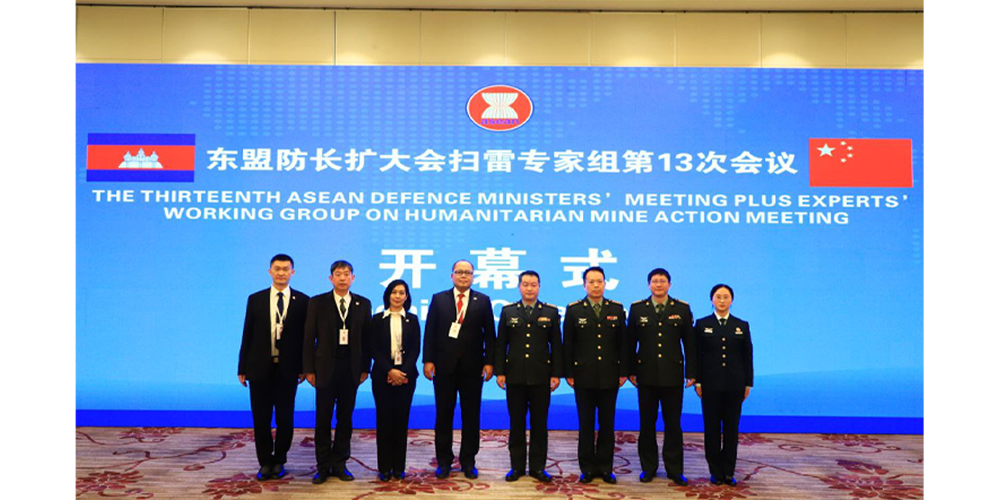
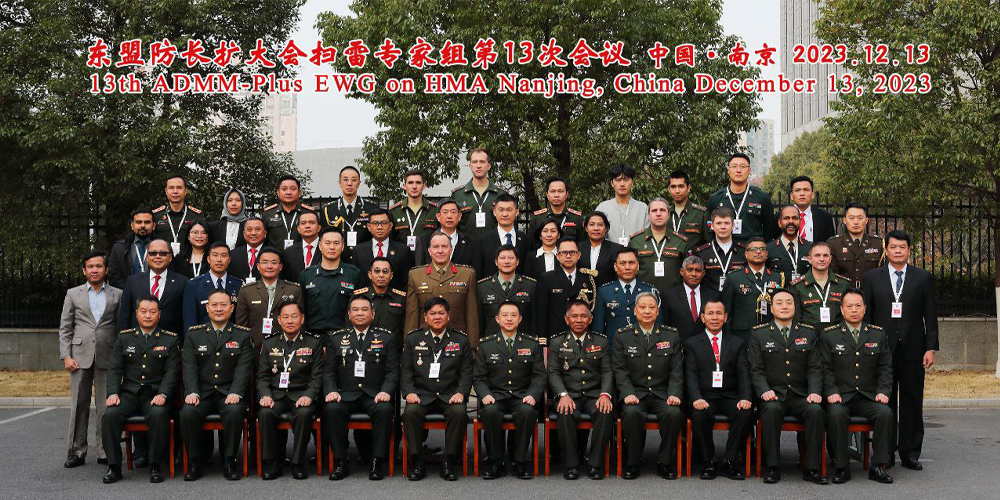
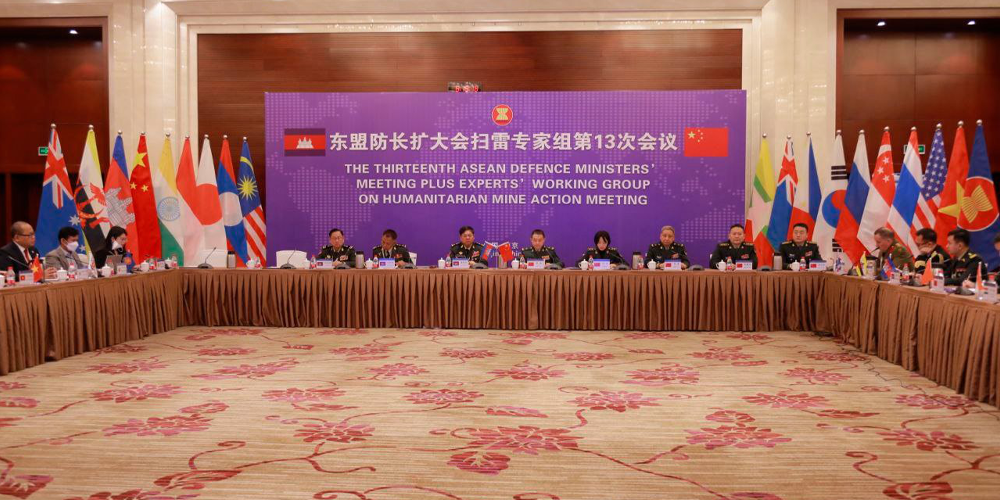
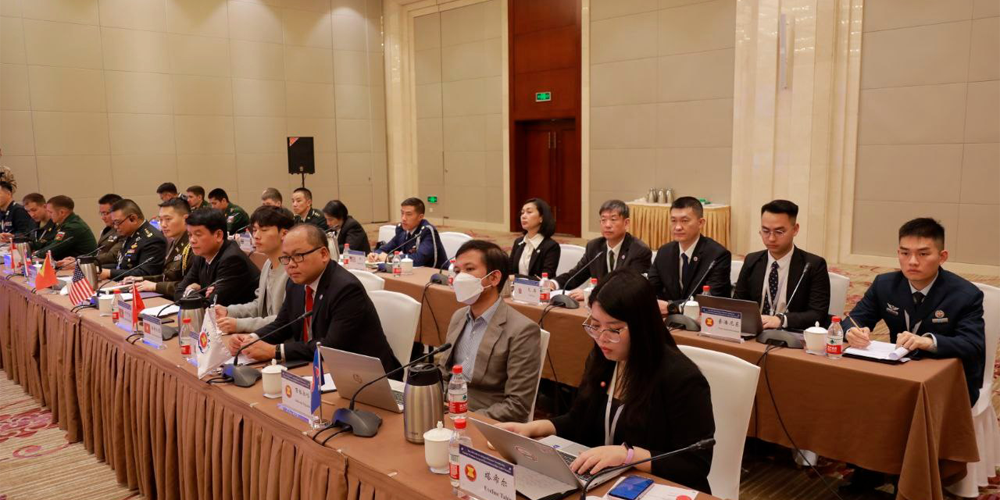
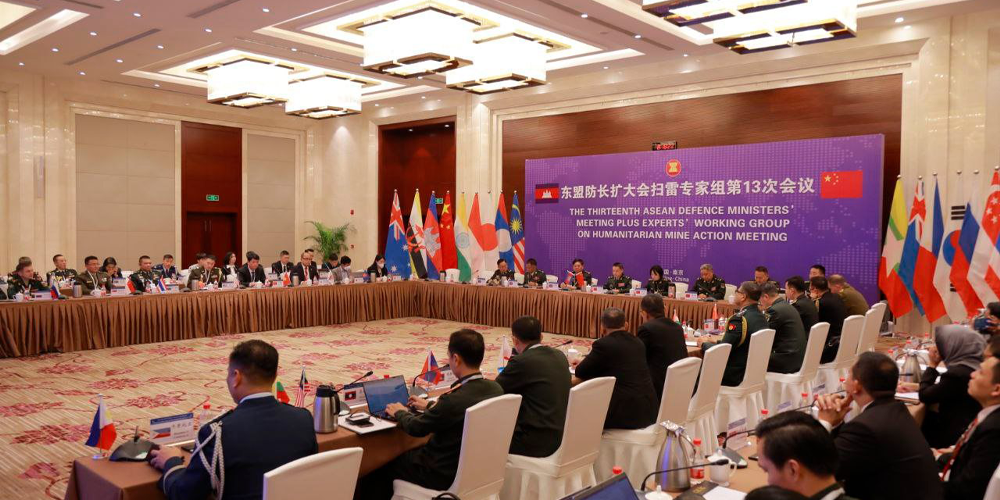
The 13th ASEAN Defense Ministers’ Meeting Plus Experts’ Working Group on Humanitarian Mine Action (13th ADMM-Plus EWG on HMA)
13-14 December 2023, Nanjing, PR China:
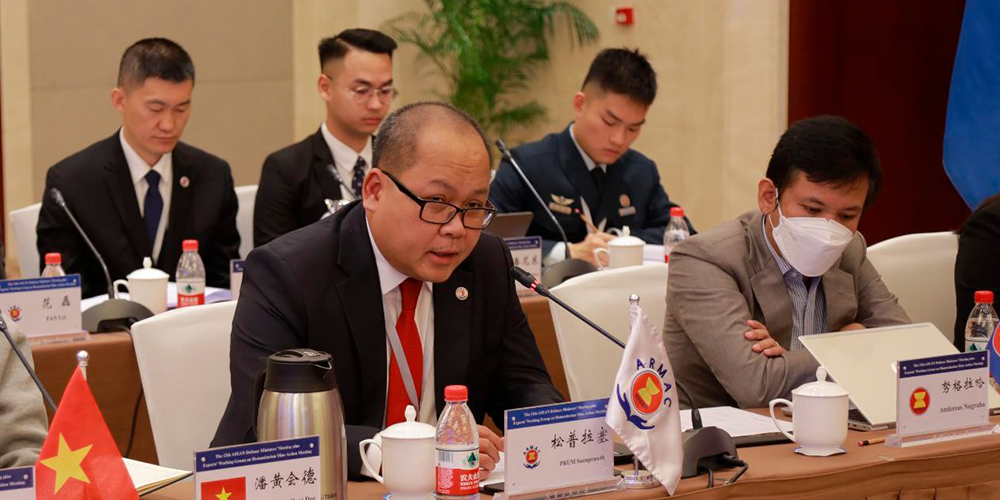
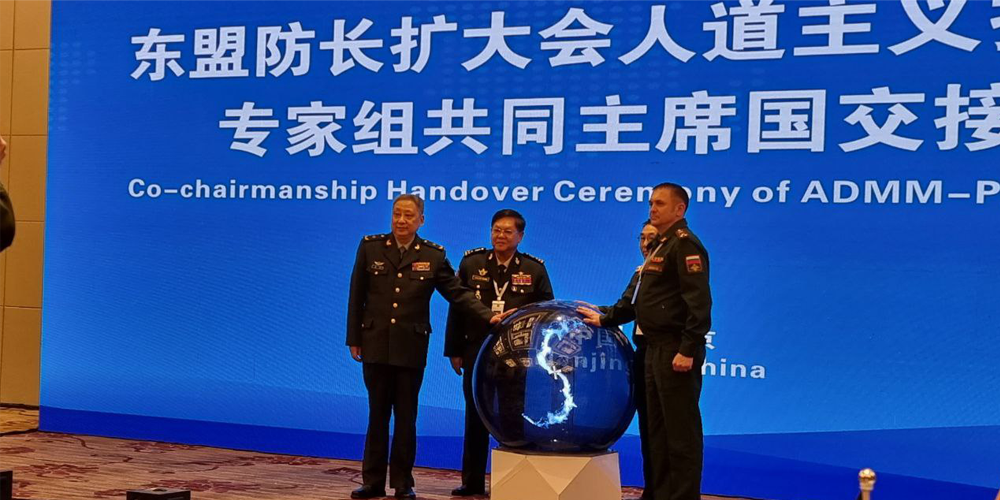
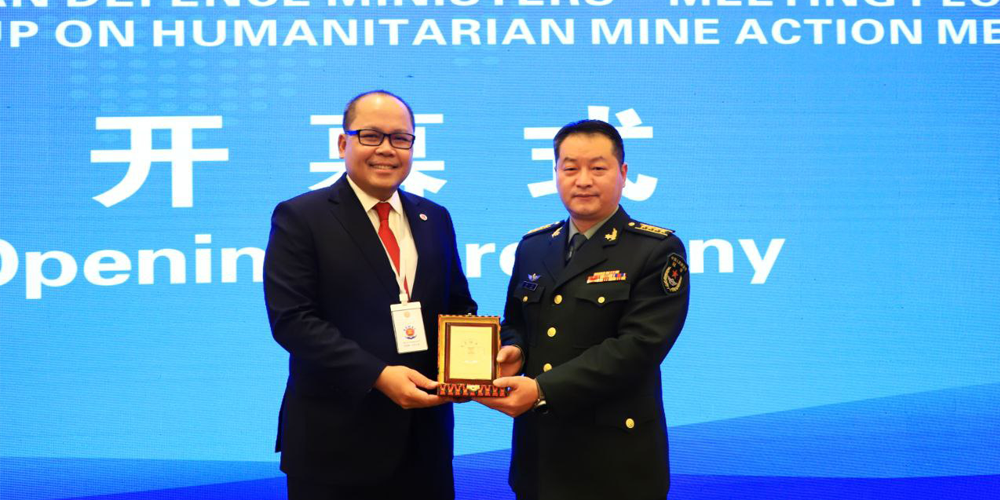
At the invitation of the Ministry of National Defense of the People’s Republic of China and the Ministry of National Defense of the Kingdom of Cambodia, ARMAC Executive Director, Mr. Prum Suonpraseth attended the 13th ASEAN Defense Ministers’ Meeting Plus Experts’ Working Group on Humanitarian Mine Action (13th ADMM-Plus EWG on HMA). The meeting provided ample opportunity for ARMAC to promote its regional mandates, enhance further cooperation as well as share its view on civil-military cooperation on humanitarian mine action in the region. The meeting also witnessed the handover of the co-chairmanship from Cambodia-PR China to Russian Federation and Lao PDR for the next ADMM-Plus EWG on HMA cycle 2024-2026.
© ARMAC 2023 . All rights reserved.