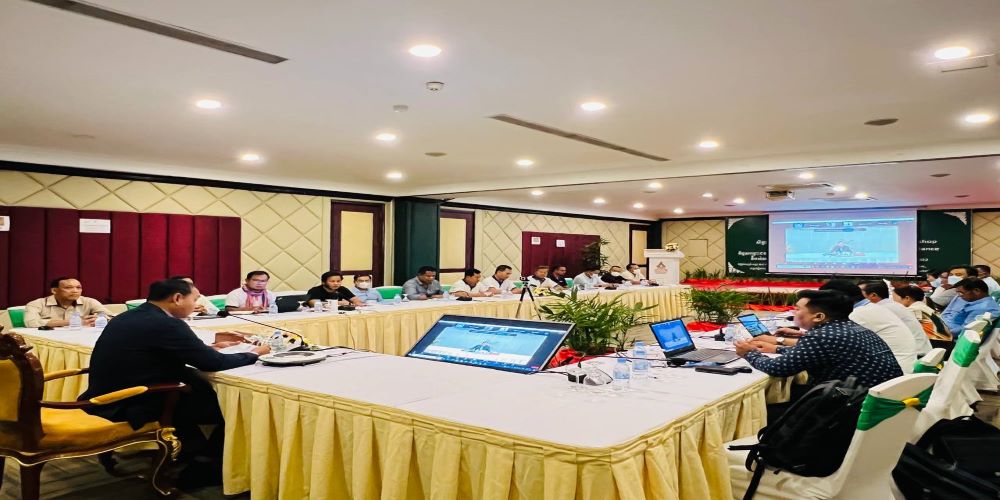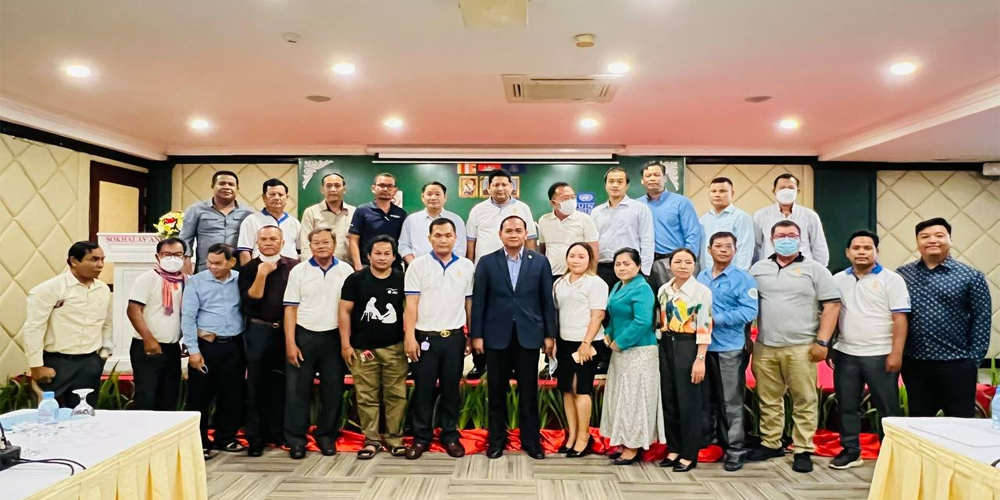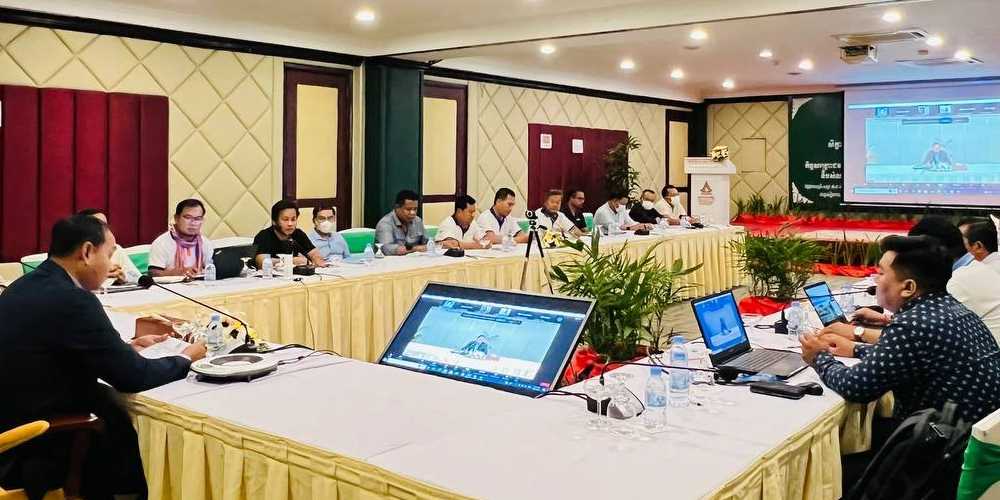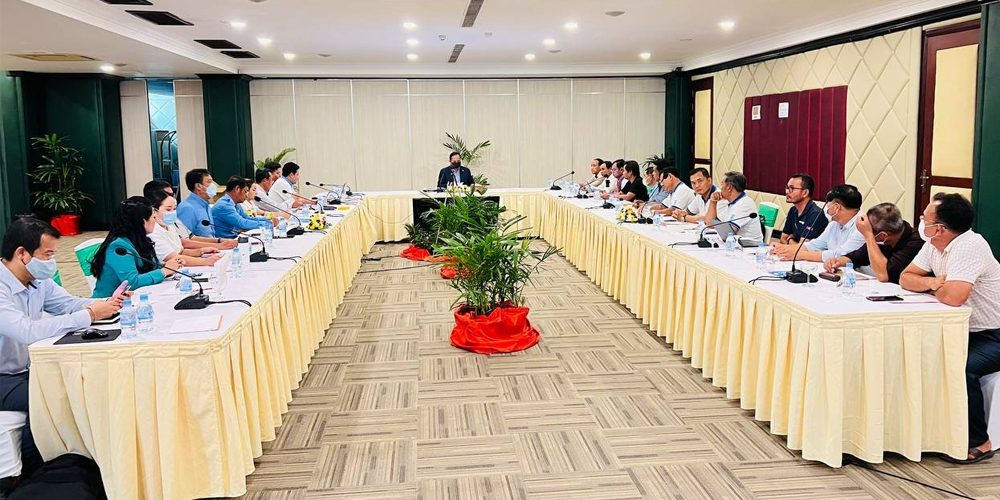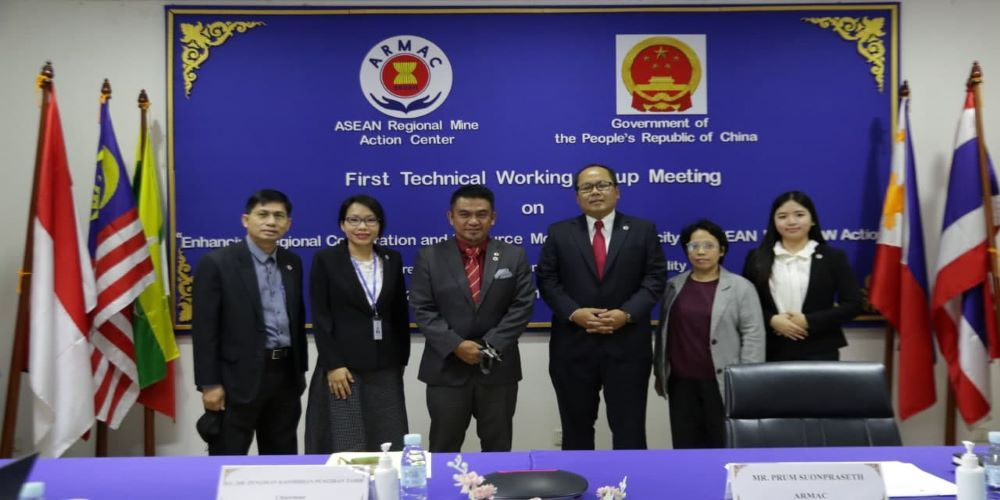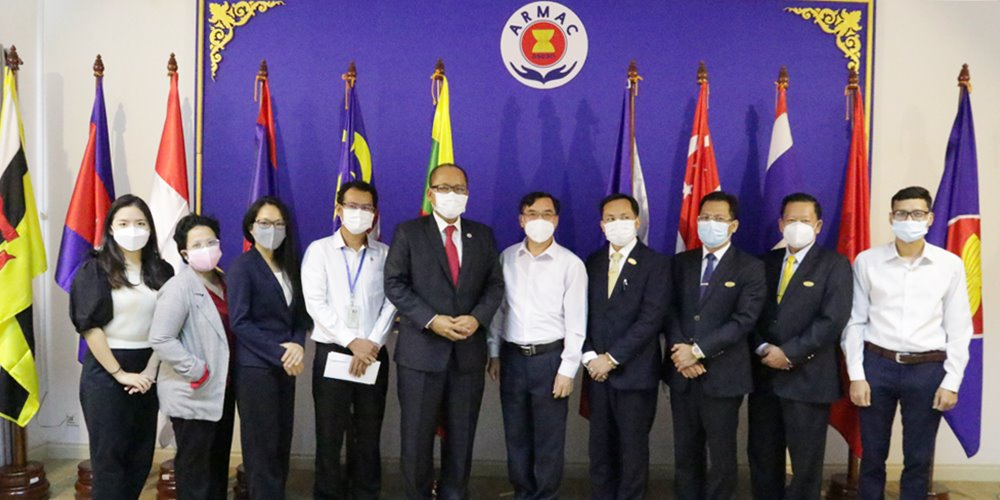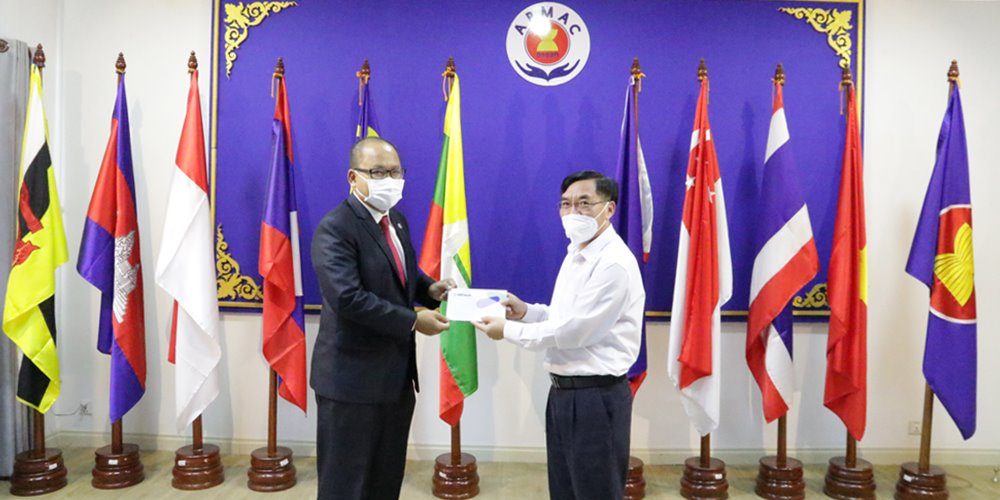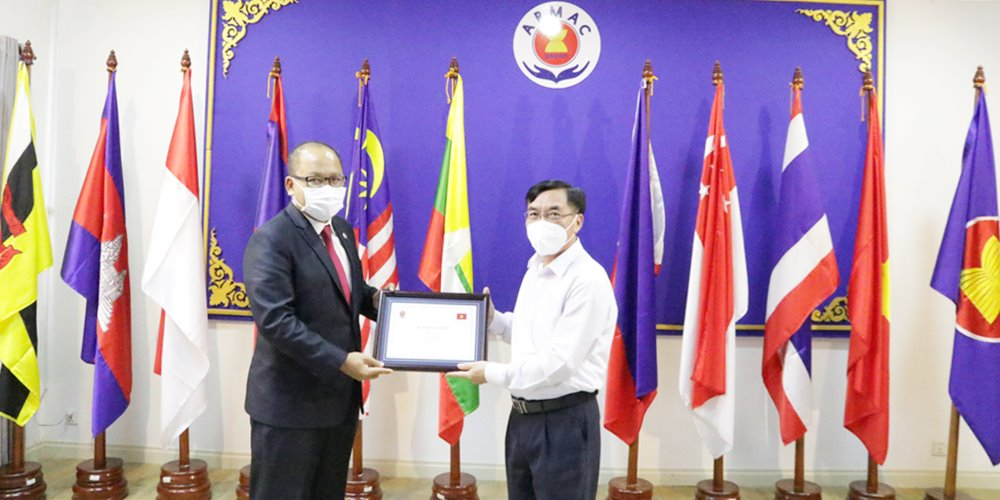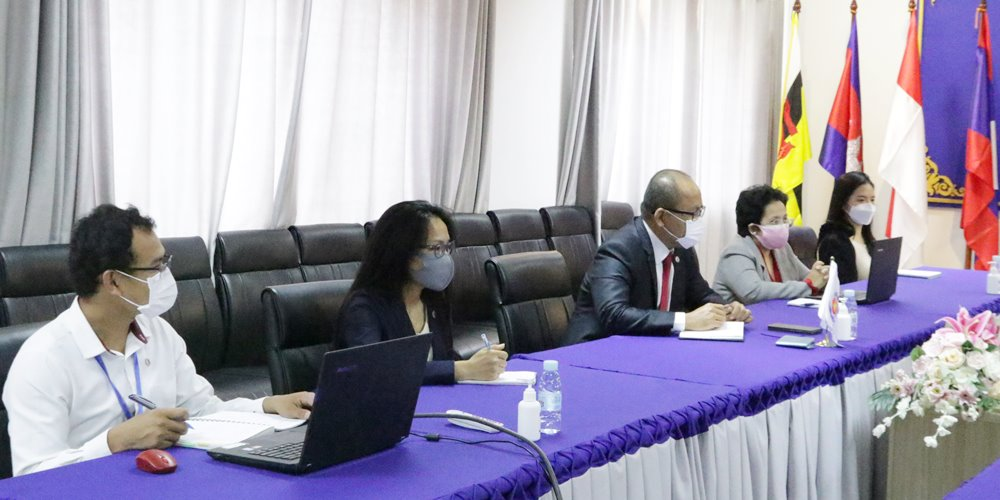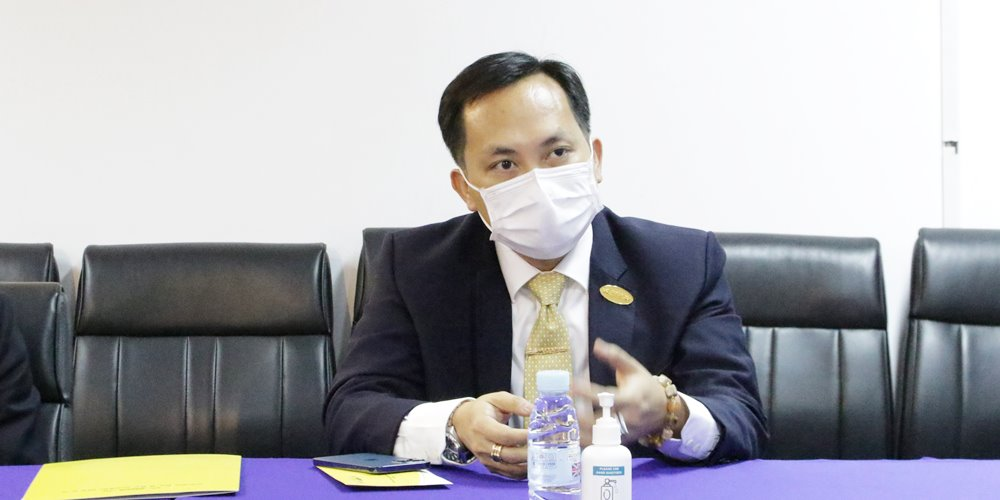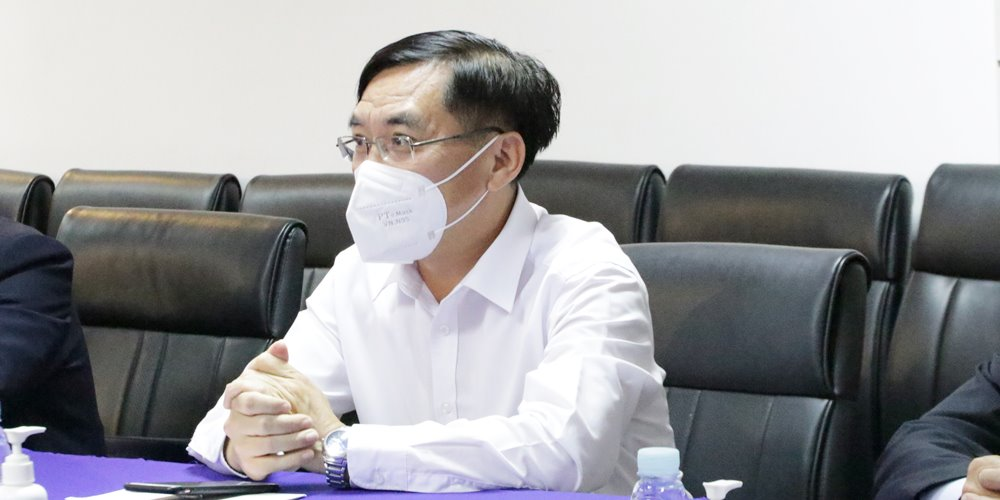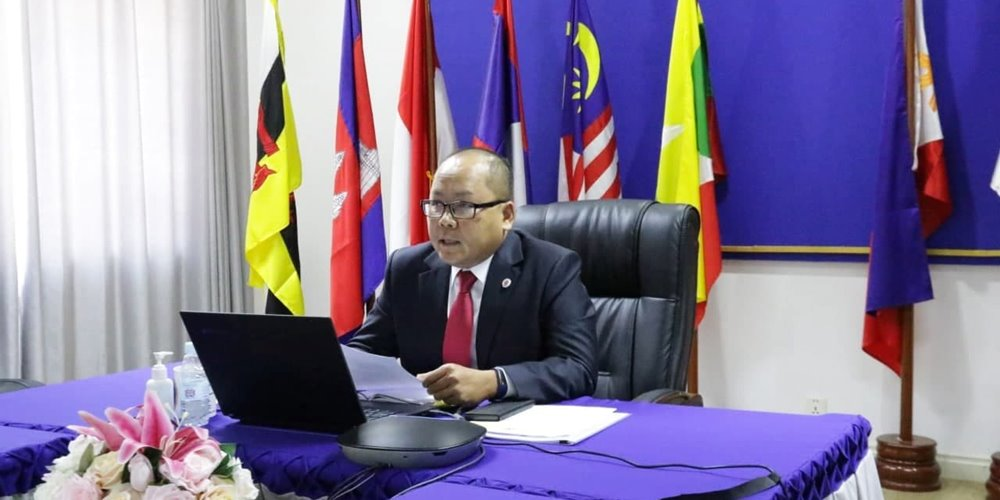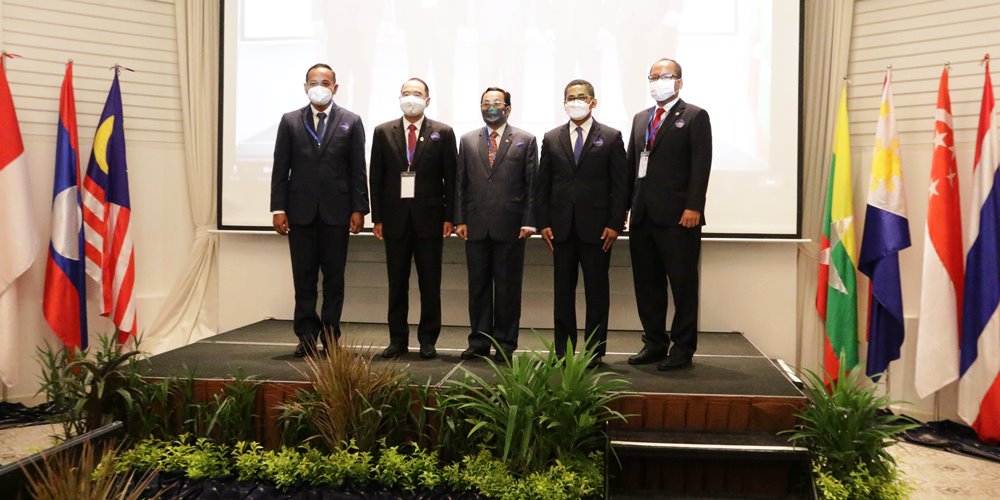
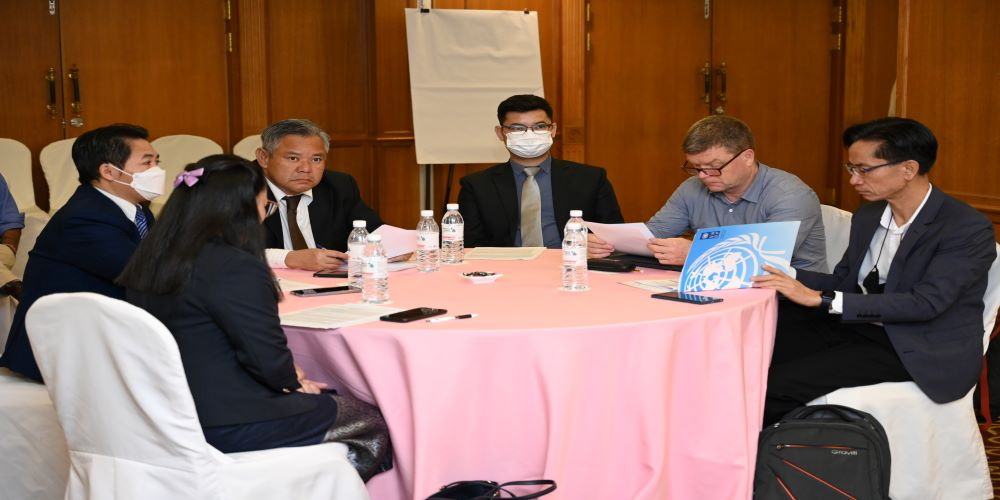
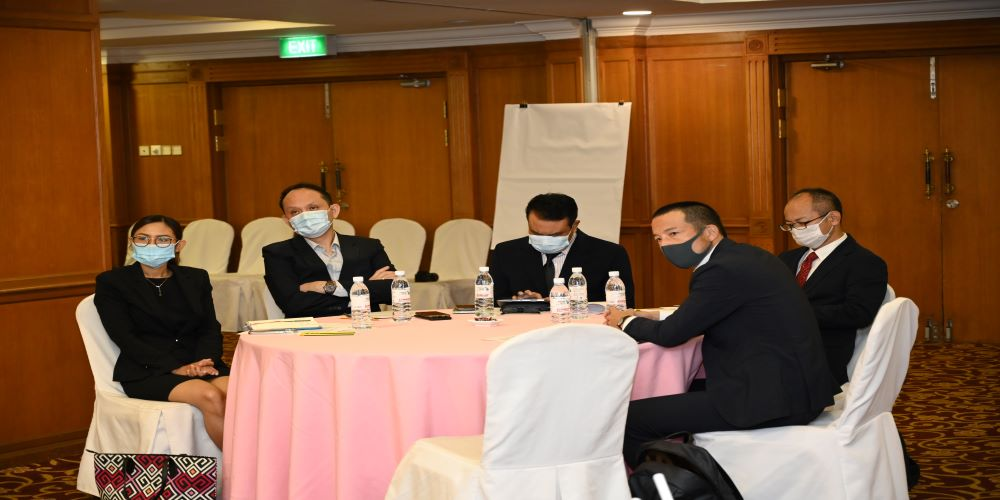
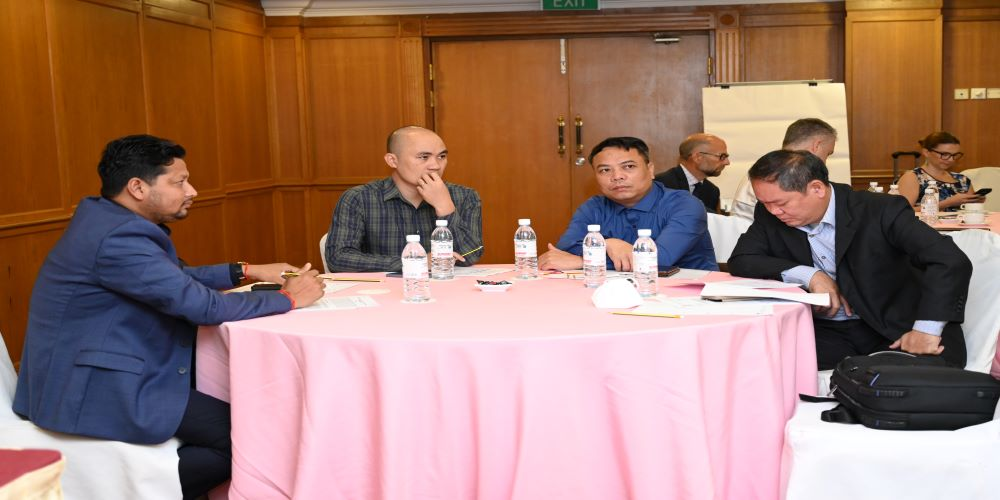
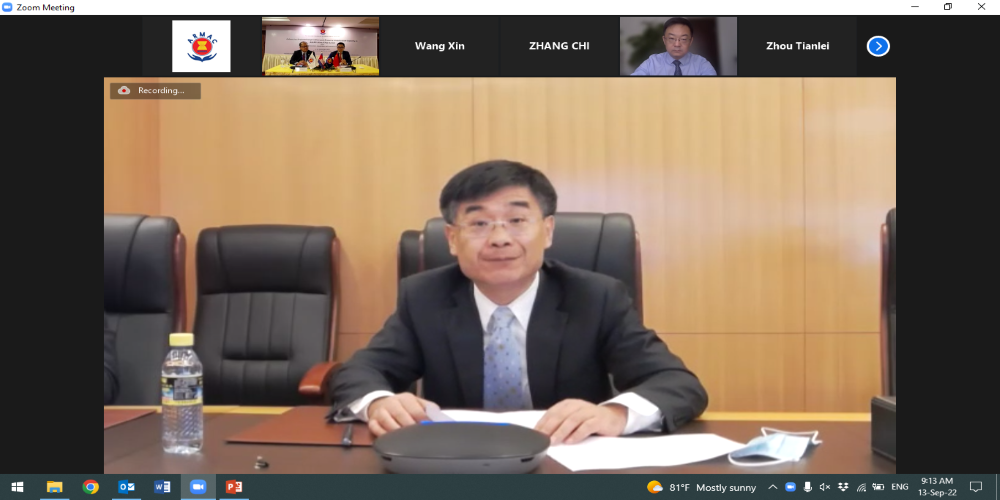
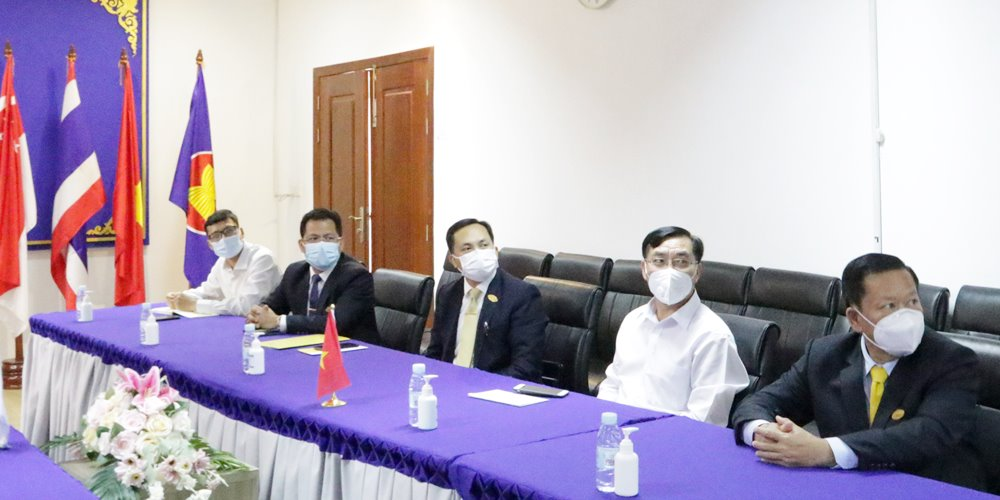
31 August 2021 – ARMAC received financial support from the Embassy of Viet Nam in Cambodia, MB Bank Plc., and M.G.N. Emperor Bank during an in-person meeting between ARMAC staff and Vietnamese representatives on 31 August 2021.
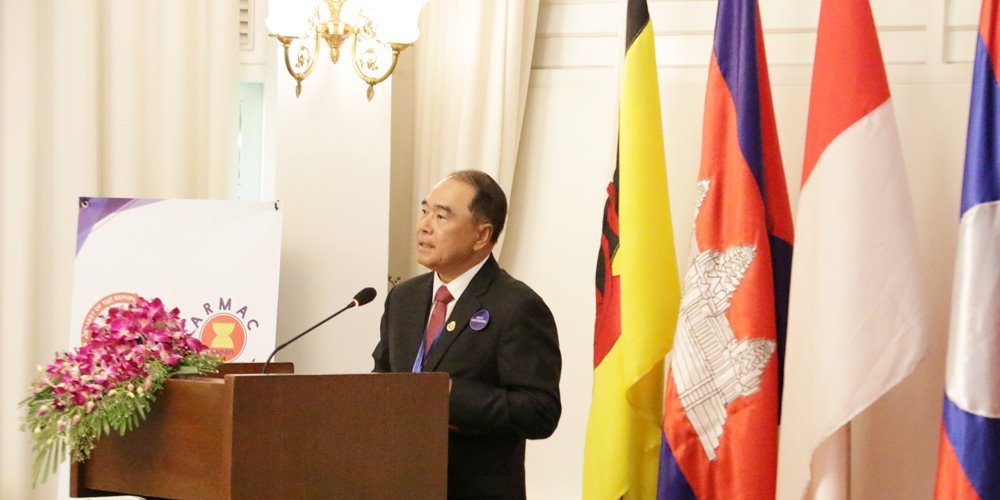
ARMAC Executive Director (ED) advised everyone that the funds will go a long way to help sustain ARMAC’s operations and finance activities in the pipeline. ARMAC ED also delivered a short presentation highlighting the work of ARMAC, and potential future collaborations with Vietnamese entities. ARMAC ED also expressed his gratitude to Viet Nam’s continuous support to ARMAC including the joint organizing of the Friends of ARMAC inaugural launch in September.
Embassy of Viet Nam Charge d’ Affaires Mr. Lai Xuan Chien, and M.G.N Emperor Bank CEO Mr. John Tran were present during the meeting.
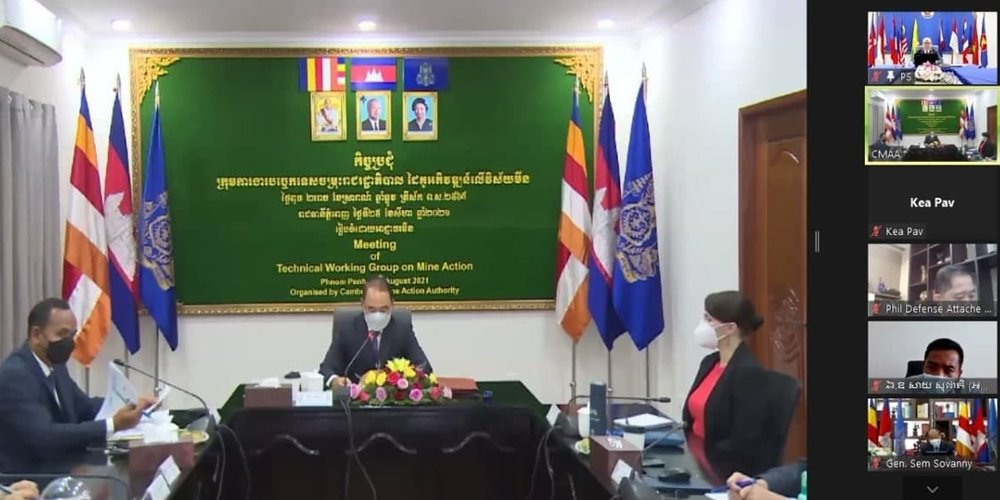
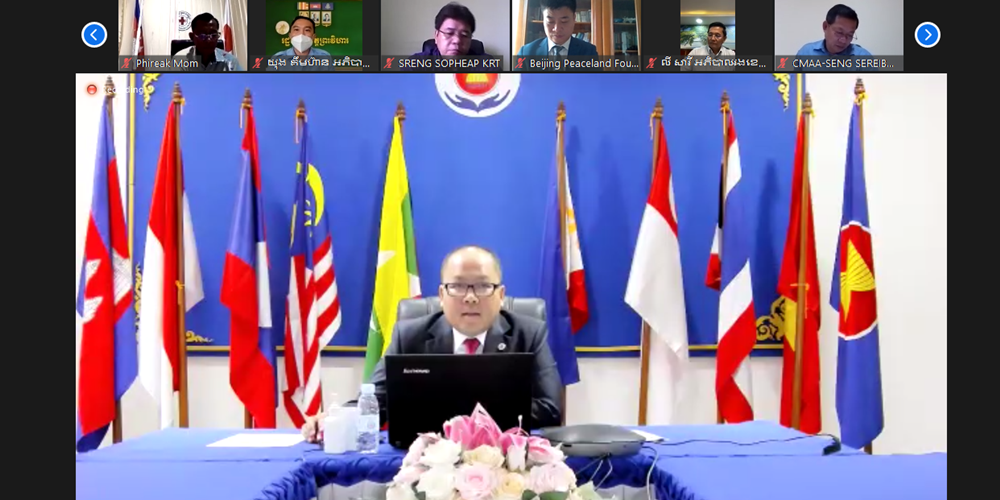
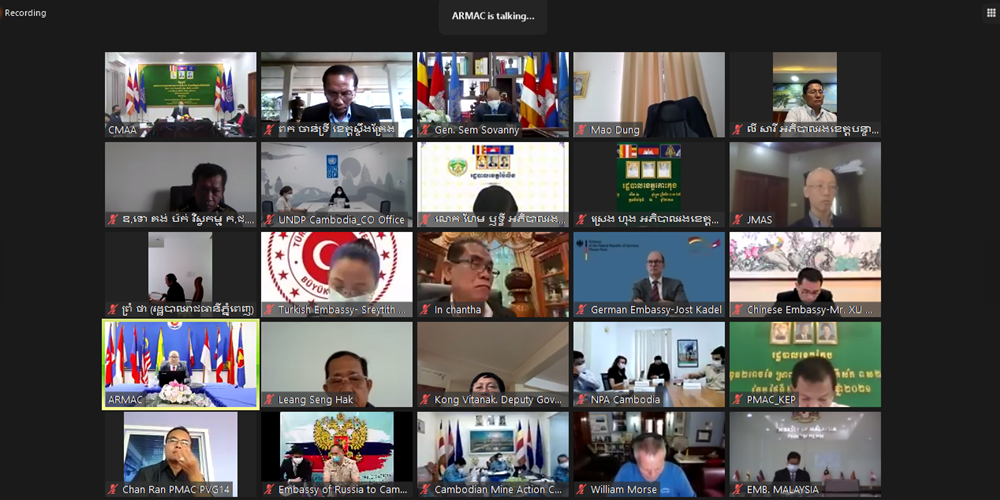
25 August 2021 – ARMAC is thankful to the Cambodian Mine Action and Victim Assistance Authority (CMAA) for involving us in the TWG process, a synergy contributing to a successful implementation of the Cambodia’s NMAS 2018-2025 as it looks forward to reporting its progress and strategy going forward to members of the APMBC at the upcoming 19MSP later this year in the Netherlands.
ARMAC stands ready to coordinate, facilitate and cooperate with Cambodia and all other affected as well as non-affected ASEAN Member States (AMS) in addressing the humanitarian aspect of mine action, particularly supporting the implementation of Cambodia’s NMAS 2018-2025 and promoting regional cooperation.
The signing of MoU between ARMAC and CMAA in 2018 and the most recent implementation agreement between ARMAC and CMAA is a testament of resilience of the two entities despite the pandemic. ARMAC is looking forward to the new collaboration in the new project to establish victim assistance network as a regional platform for various stakeholders among the AMS, providing train-the-trainer course in the area of psychosocial support to victims as well as conducting research in “Mine/ERW Victim Assistance Inclusive Services in Cambodia,” and “Community Perspectives of Humanitarian Mine/ERW Action in Lao PDR and Viet Nam”.


(ARMAC, 25 August 2021)
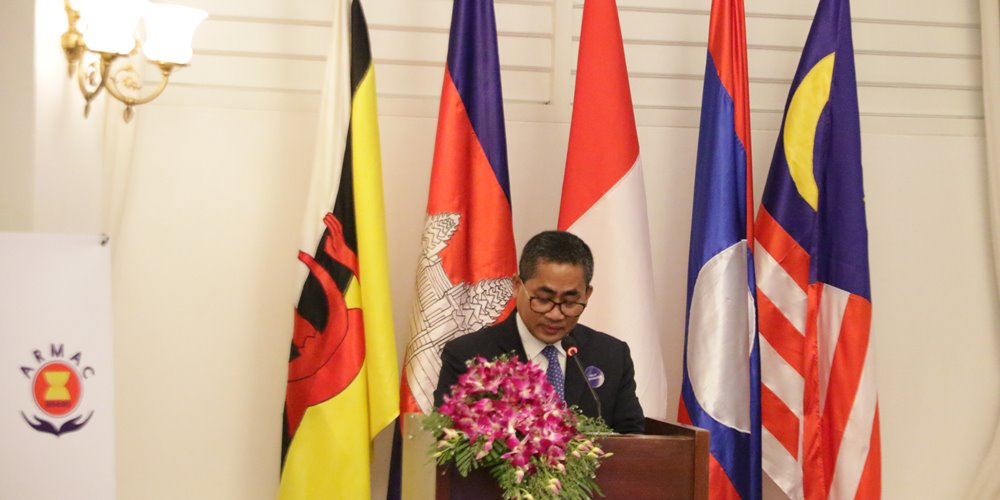
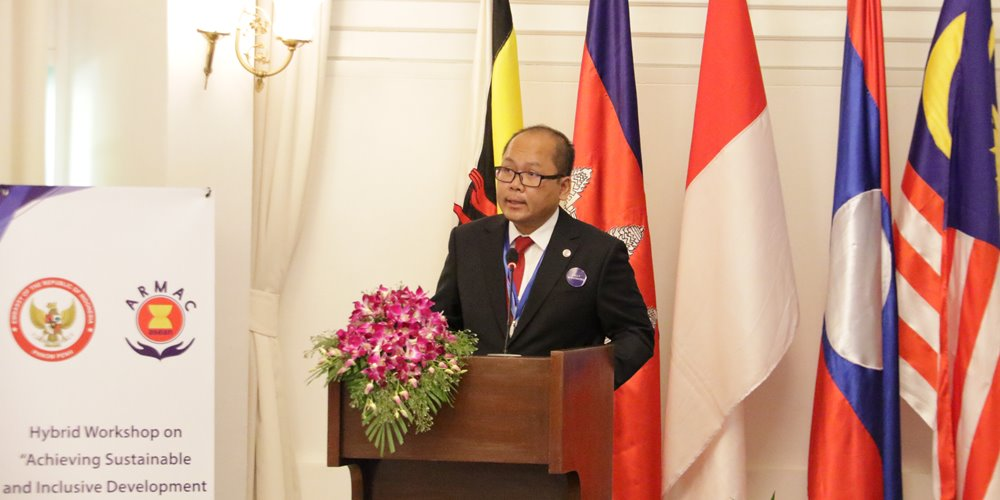
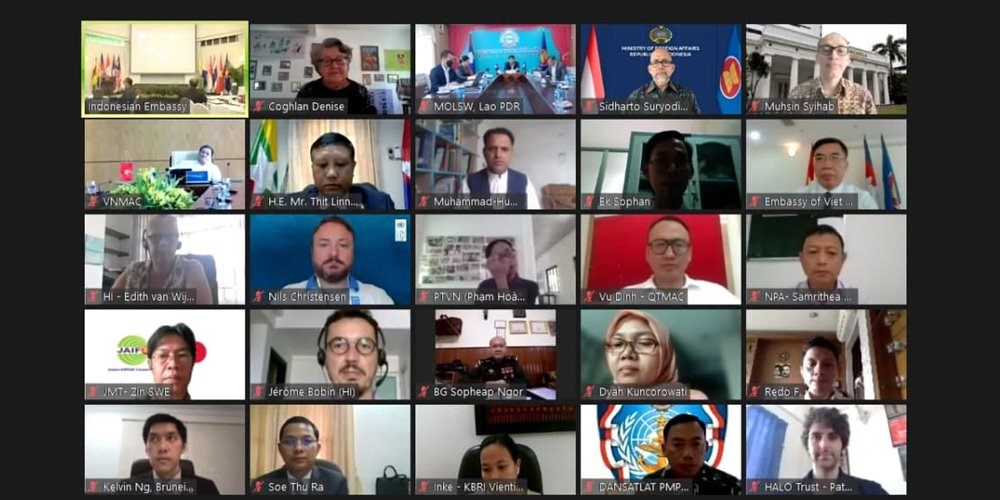
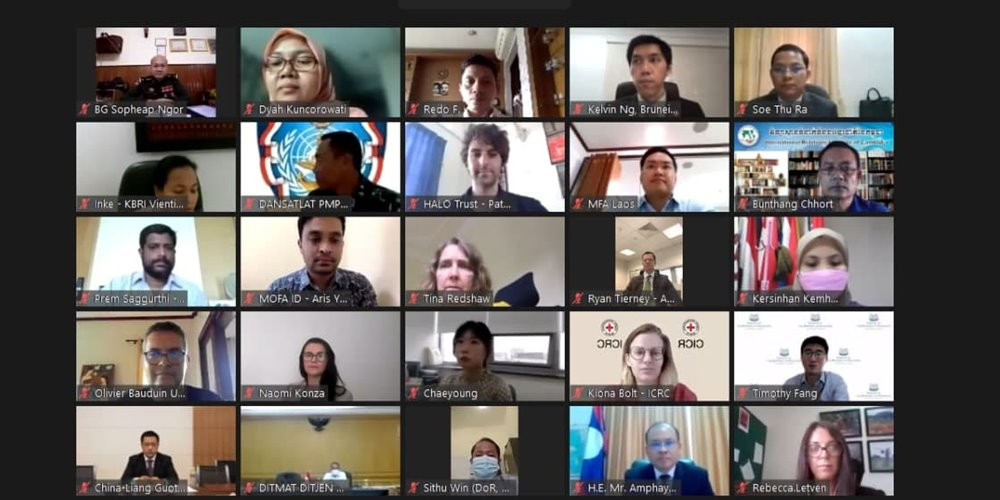
01 July 2021 – The ASEAN Regional Mine Action Center (ARMAC) together with the Embassy of the Republic of Indonesia in Phnom Penh organized a Hybrid Workshop on “Achieving Sustainable and Inclusive Development in Landmines/ERW-Affected Countries” in Siem Reap, Cambodia.
The Workshop underscored the need for collective efforts of ASEAN countries and partners in linking mine action to support the implementation of SDGs in the region. H.E. Ly Thuch, Senior Minister and Vice President of Cambodia Mine Action and Victim Assistance Authority delivered the opening remarks.
Over 90 senior officials, experts and representatives from national mine action centers, government planning offices, NGOs and UN offices in the region participated in the Workshop.
(ARMAC, 01 July 2021)
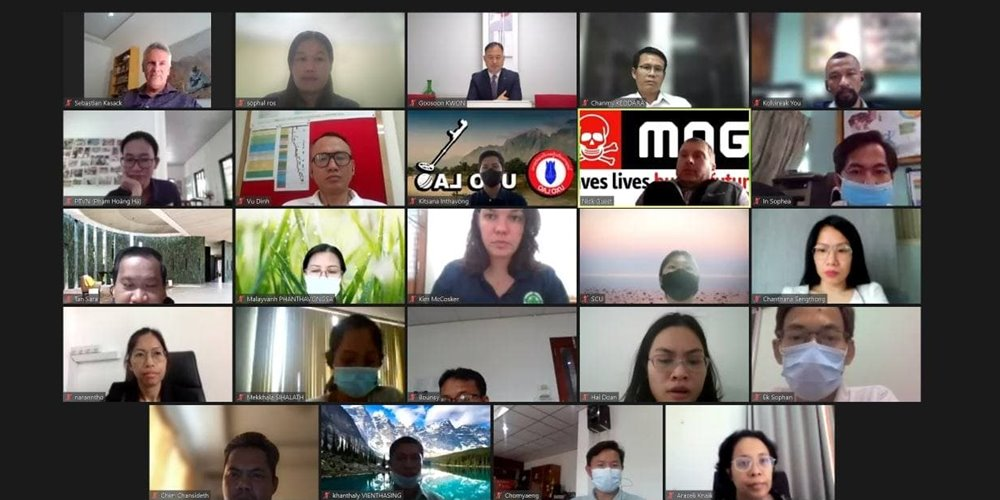
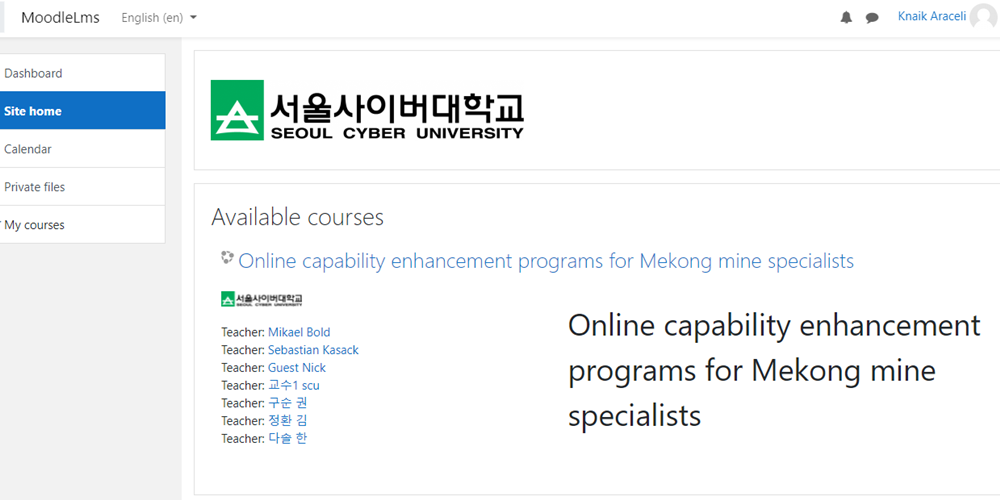
29 May – 9 June 2021 – ARMAC Programs staff attended an online training course on Integrative Management and Coordination of National Mine Action Actors in the Mekong Region organized by Seoul Cyber University, Gyeonggi (Korea) Province in partnership with MAG International.
The course brings together representatives from mine action authorities in Cambodia, Lao PDR and Viet Nam to develop a national action plan that is relevant in their respective country context.
As a regional entity focused on the humanitarian mine action, ARMAC brought a regional perspective during the discussions.
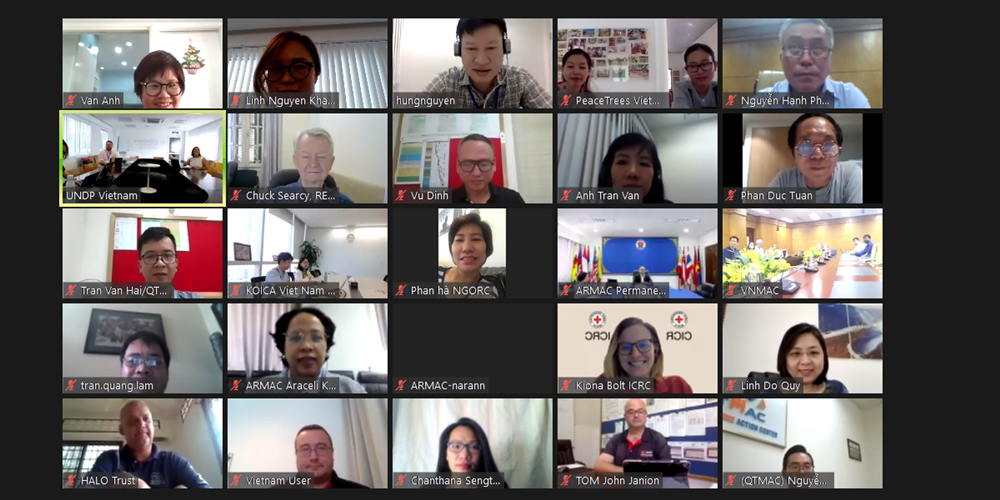
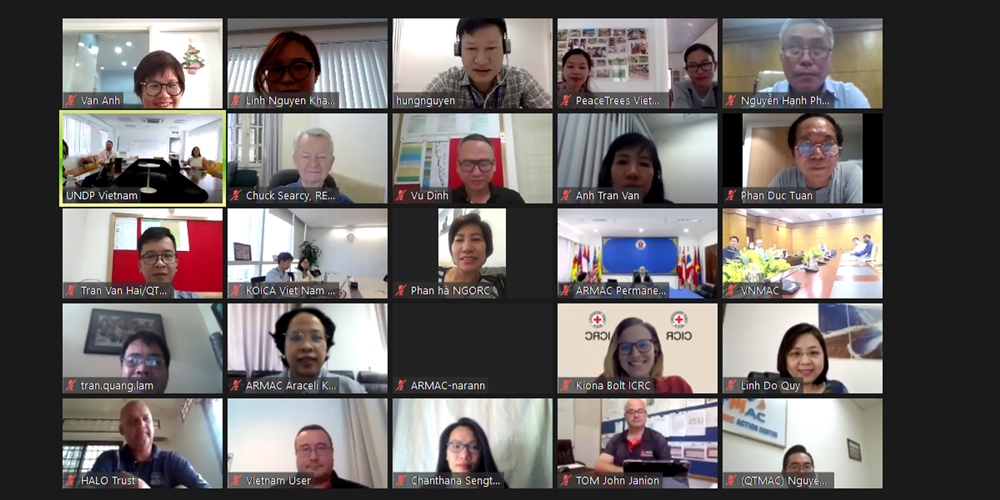
14 May 2021 – ARMAC Executive Director and the Programmes Team joined the Landmine Working Group which was co-chaired by UNDP Viet Nam and MAG International for a virtual meeting.
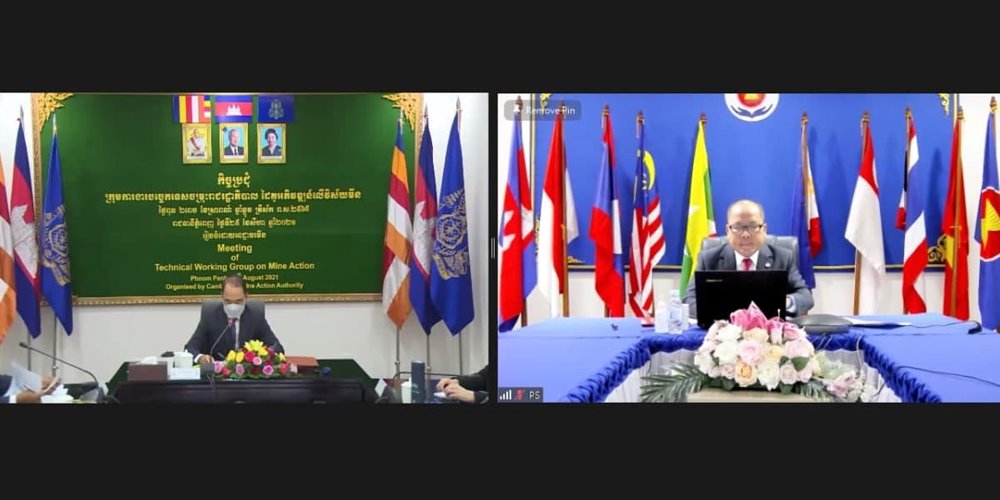
ED and Senior Technical Officer delivered a presentation on ARMAC activities in the region. The meeting was a good opportunity for ARMAC to reach out to Viet Nam Mine Action Center and other mine action stakeholders in the country.
(ARMAC, 14 May 2021)
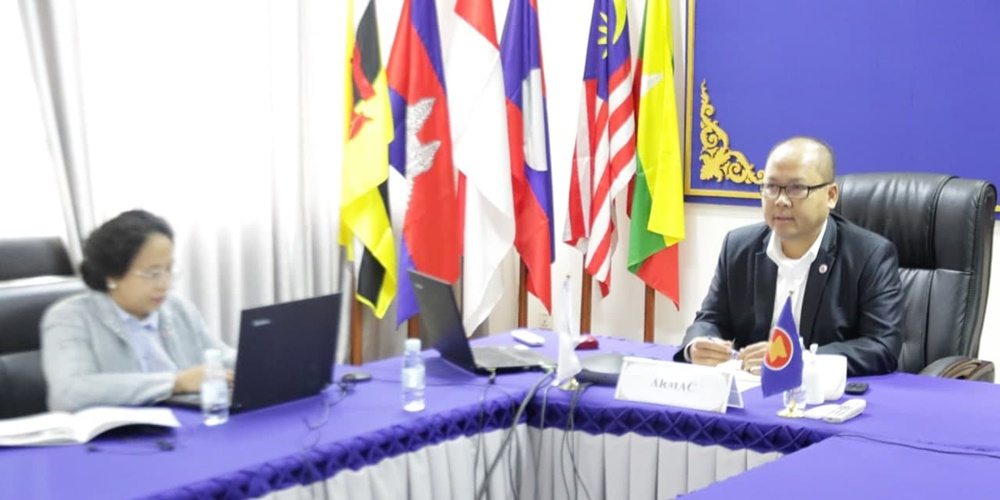
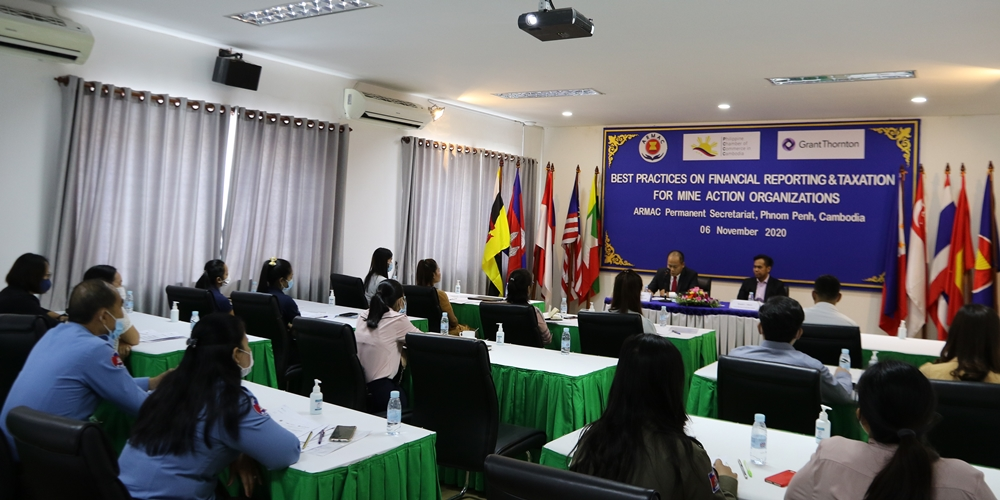
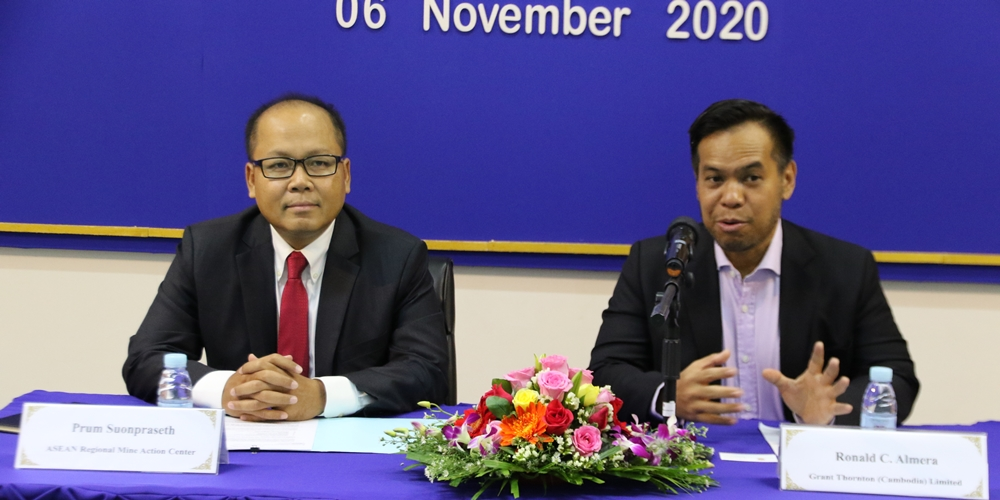
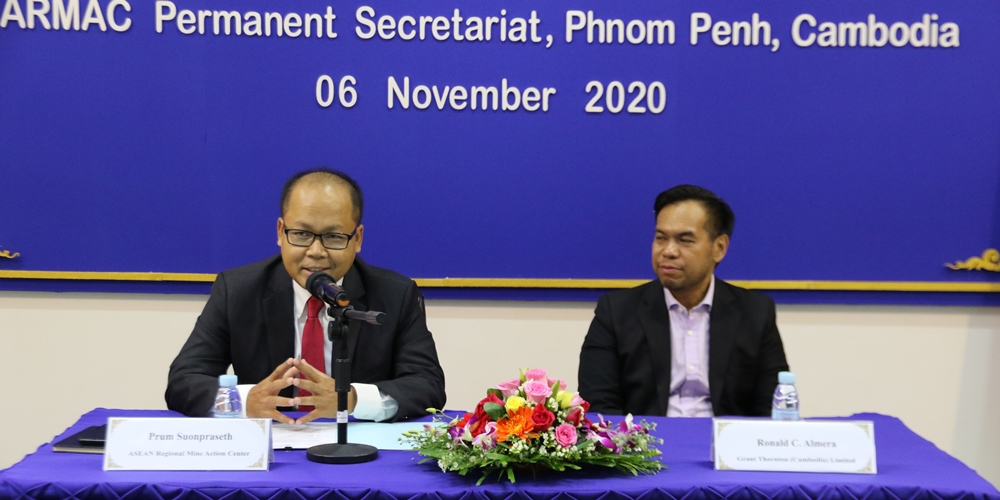
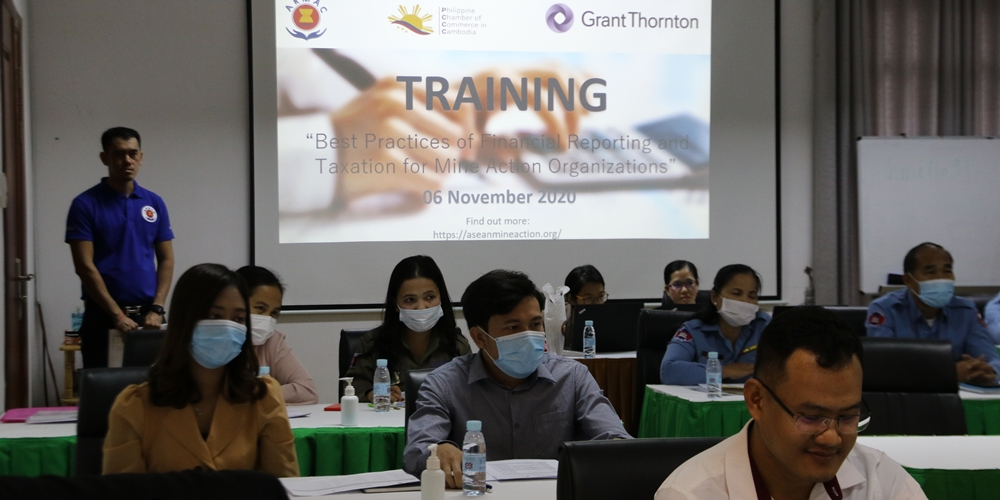
Phnom Penh, 06 November 2020 – The ASEAN Regional Mine Action Center (ARMAC) was supported by the Grant Thornton Cambodia to provide training to finance/accounting personnel of mine action organizations in Cambodia.
The Grant Thornton Cambodia through the Philippine Embassy in Cambodia supported ARMAC to conduct training on the “Best Practices of Financial Reporting and Taxation for Mine Action Organisations”, on 6 November 2020.
The participants in the training are finance/accounting personnel from the various mine action organizations, including governmental, national and international institutions based in the Kingdom of Cambodia, including:
– Cambodian Mine Action and Victim Assistance Authority (CMAA),
– Cambodian Mine Action Center (CMAC),
– National Centre for Peacekeeping Forces (NPMEC),
– Norwegian People’s Aid (NPA),
– Mines Advisory Group (MAG),
– Cambodia Self Help Demining (CSHD),
– Halo Trust,
– Japan Mine Action Service (JMAS),
– APOPO
The training discussed the importance of internal control system, common issues on organizations’ internal control, sharing of best practices on preparation of financial reports, as well as on recently updated applicable laws and regulations (Cambodia specific jurisdiction).
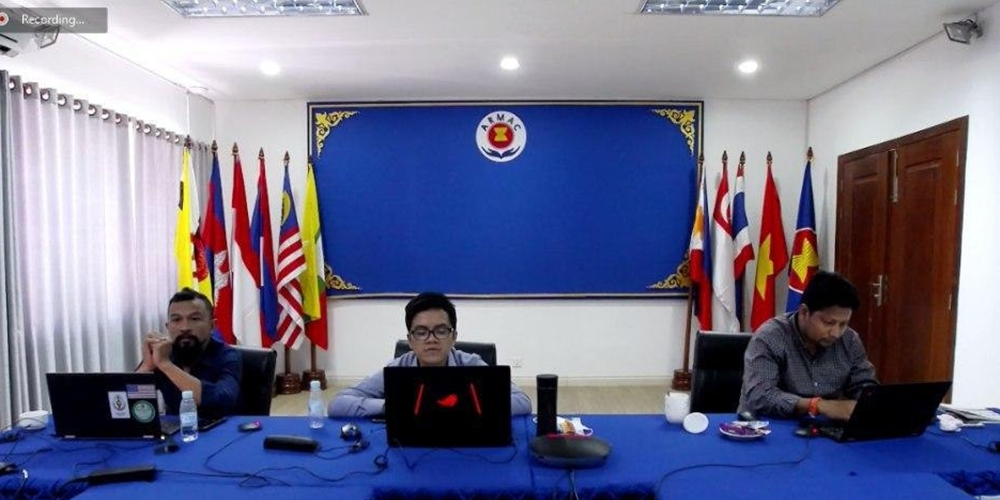
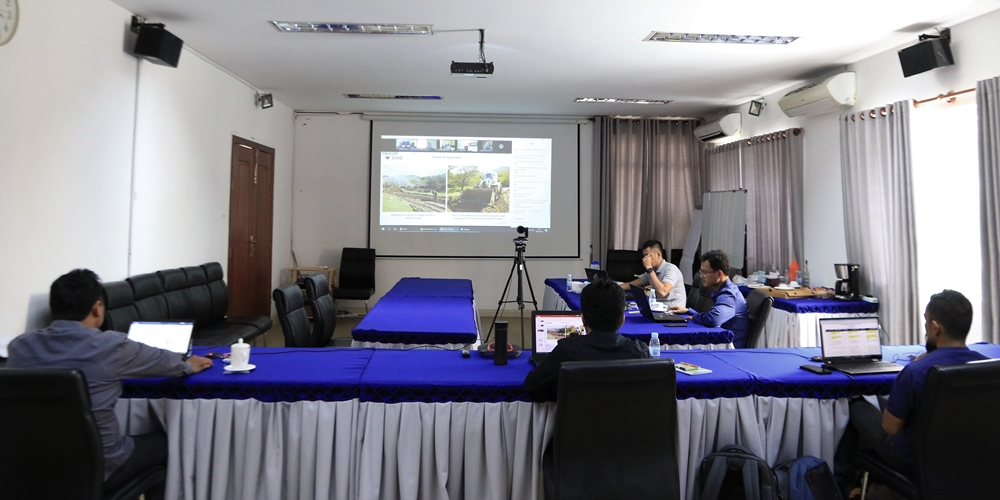
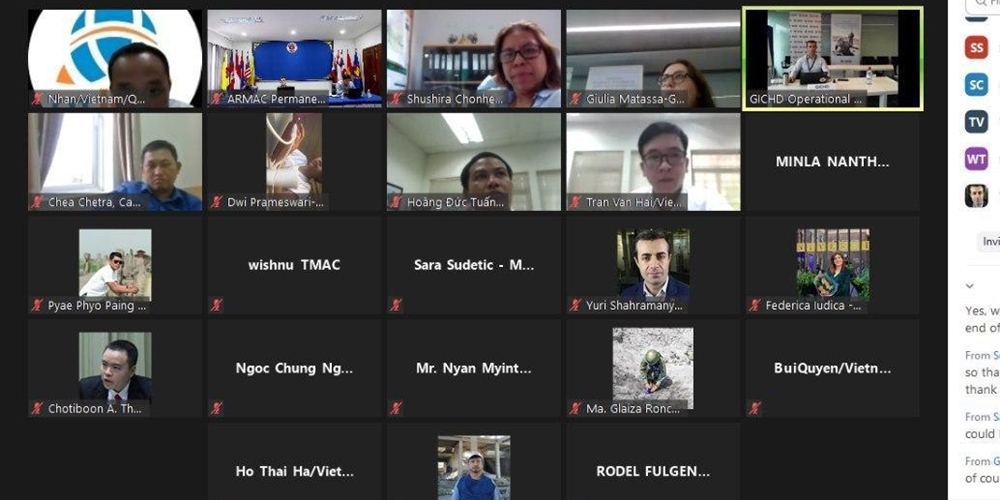
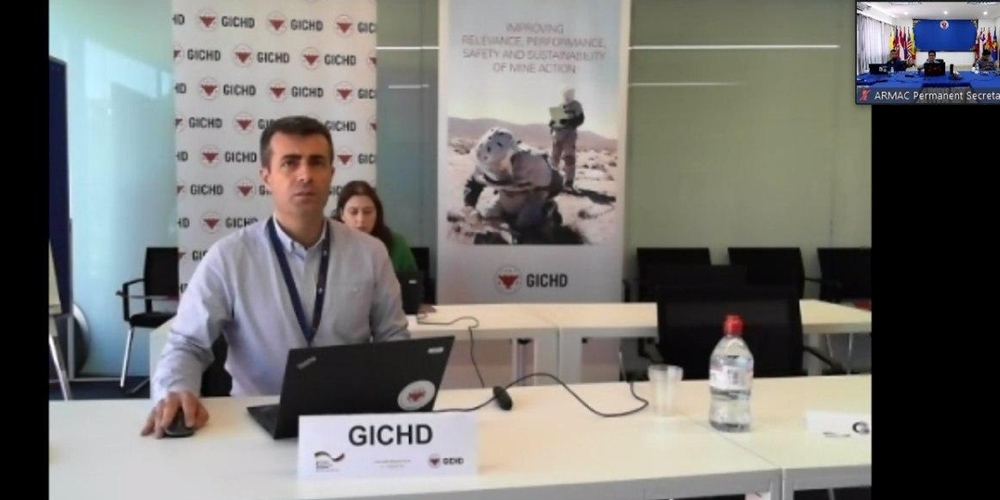
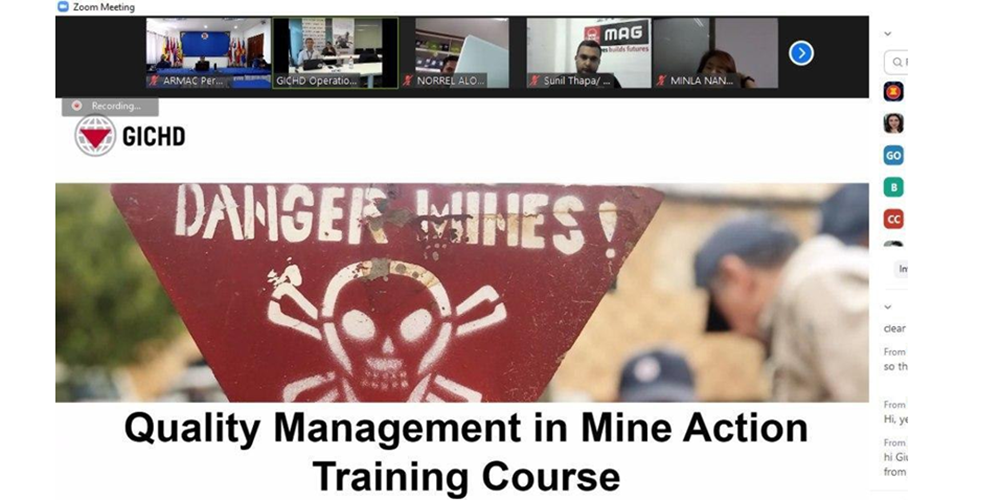
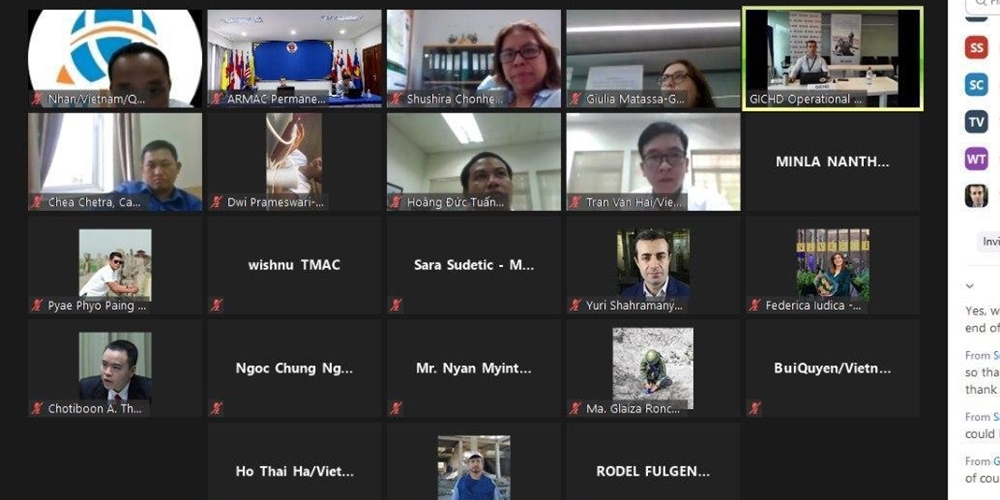
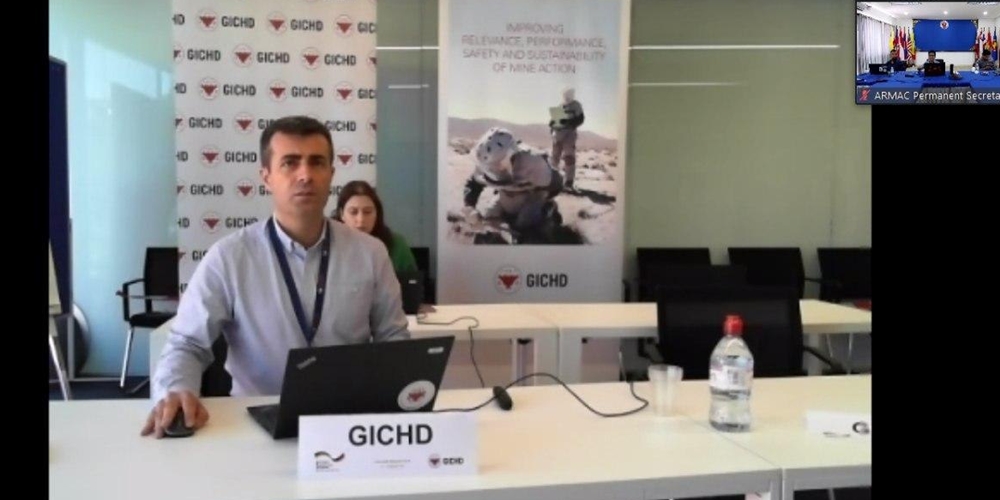
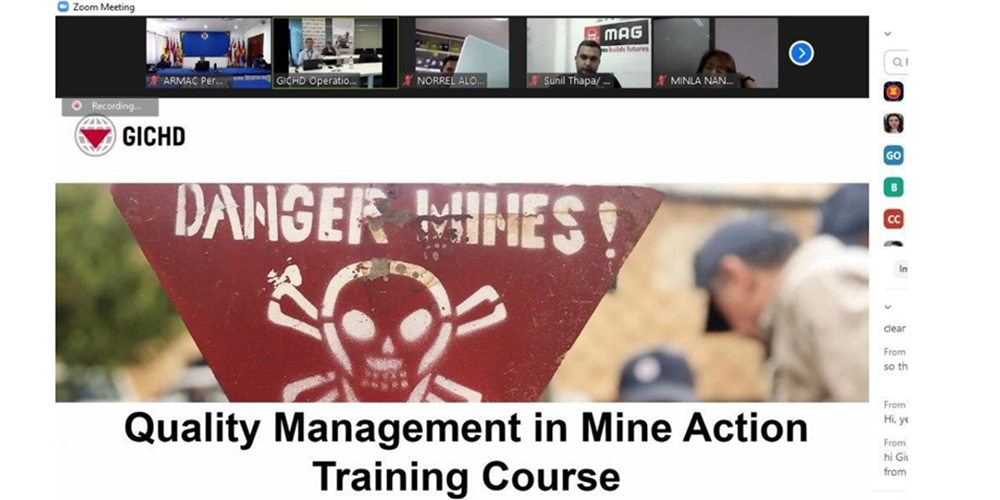
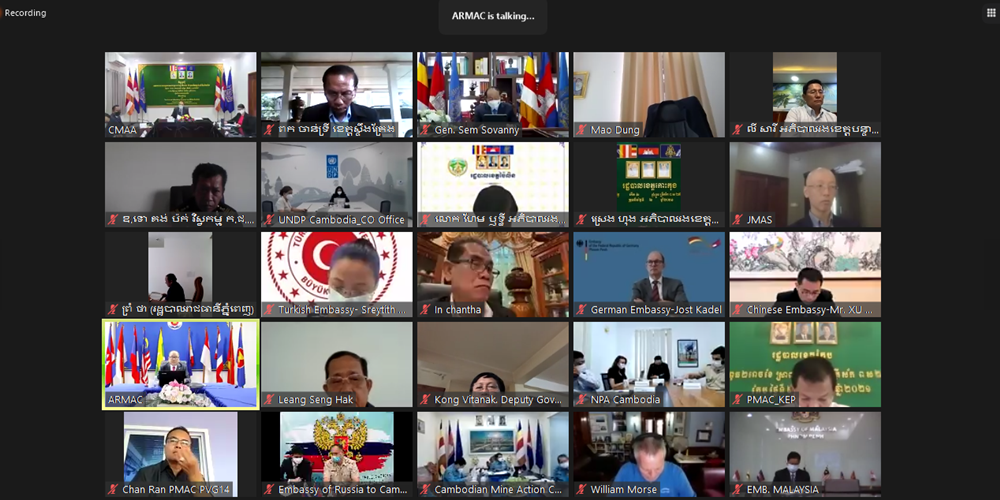
From 7 to 12 September 2020 – The ASEAN Regional Mine Action Center (ARMAC) and the Geneva International Centre for Humanitarian Demining (GICHD) co-organised the Regional Training on Quality Management in Mine Action. The training was funded by the German Federal Foreign Office through GICHD. As a ramification of Corona Virus Disease 2019 (COVID-19) pandemic, the training was conducted in a virtual format.
With twenty trainees from the ASEAN region, the training aimed to provide theoretical and practical knowledge on how to implement the Mine Action project cycle for better results through improved quality. The participants expressed interest in areas such as improving their understanding of information management, using priority setting techniques for work plans, and managing risk in mine action.
The training included lessons which consist of extensive discussions of a wide range of topics revolving around quality management in mine action such as (i) Quality Management and Land Release Overview; (ii) Key Quality Management Principles; (iii) Quality Planning of Non-Technical Survey, Technical Survey and Clearance; (iv) Mechanical Demining Operations and Quality Management; (v) Quality Assurance; (vi) Quality Control; (vii) Accreditation, Testing and Evaluation of Mine Action Staff and Equipment; and (viii) Application Changes in Mine Action Organisations.
The training was mainly delivered by Mr. Yuri Shahramanyan, Advisor on Operational Efficiency at GICHD. He began with introductory topics including land release, which involves the identification of hazardous areas, the cancellation of land through non-technical survey, the reduction of land through technical survey and the clearance of land. The participants further engaged in the discussion of key quality management principles i.e. Customer Focus, Leadership, Engagement of People; Process Approach; Continuous Improvement; Evidence-based Decision Making; Relationship Management.
Further, the role of gender and diversity in mine action, particularly in quality assessment, was also outlined in the training. The trainer, Mr. Dominic Wolsey, Advisor on Gender and Diversity at GICHD, explained that women, men, boys and girls have different roles and responsibilities, different mobility patterns and exposure to risk, different participation in decision making and access to services & resources. Mr. Wolsey highlighted the importance of mainstreaming gender and diversity considerations to implement efficient and effective Quality Management.
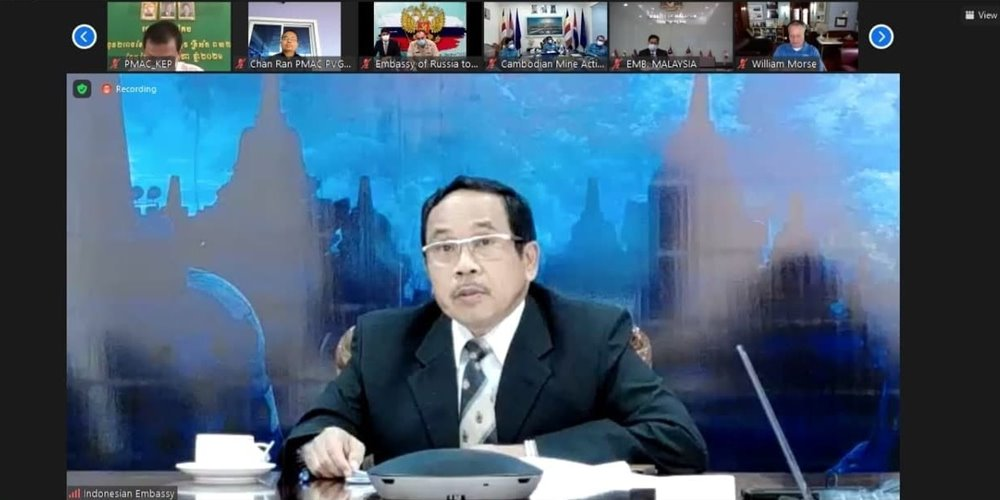
During the training, Mr. Armen Harutyunyan, Advisor on Operational Efficiency at GICHD, also delivered a session on Introduction to Quality Management Terminology, ranging from the definition of efficiency and effectiveness, to the explanation of what process and products are in the context of quality management in mine action. Mr. Harutyunyan further remarked that “one of the main reasons for quality management is to continuously improve the way we operate”, further stating that “if we don’t aim to improve something, we go backwards”. He also discussed PDCA (Plan, Do, Check, Act) Approach with the participants, before introducing the notion of quality assurance and quality control as parts of a mine action quality policy.
Mr. Stanislav Damjanovic, Advisor on Operational Efficiency at GICHD, also provided input on the accreditation process of Mine Action organisations and specifically the need for organisations to be formally recognized as able to plan, manage and implement mine action activities and to run an effective internal Quality Management system. Mr. Damjanovic also discussed the best approaches to training Mine Action staff and the effective transfer of knowledge, skills and attitudes.

The training also included breakout group discussion, facilitated by Mr. Shahramanyan. The discussion included cancellation of hazard areas through Non-Technical Survey, reflecting on what consideration should be given to setting metrics and tolerances prior to conducting NTS to conduct cancellation, and how confidence is achieved through evidence-based decision-making process to release land through cancellation.

(ARMAC and GICHD 15 September 2020)
The ASEAN Regional Mine Action Center (ARMAC) in collaboration with the Geneva International Centre for Humanitarian Demining – GICHD, and the Government of Ireland, organised and hosted an ASEAN regional training on “Operational Efficiency in Mine Action” to be held from 19-24 August 2019 in Phnom Penh, Cambodia.
The six-day training course will draw mine action professionals and managers from across the ASEAN Member States with the aim of enhancing participants’ knowledge and skills in order to efficiently plan, implement, monitor, assess and evaluate mine action operations.
To underscore much of the rationale for the training, the GICHD stated that improving operational efficiency in mine action is a fundamental task as “resources for responding to mine and explosive remnants of war (ERW) contamination problems are costly, limited and precious.”


Ultimately, the training will seek to provide participants with a foundation of knowledge that they can bring back to their respective countries and mine action programmes so that the overall ASEAN mine action sector can be made both more efficient and effective.

On 15 November 2017, ASEAN Regional Mine Action Center (ARMAC) staff conducted an internal training titled “Introduction to Mine Action”, delivered by the Mine Action Expert, Mr. Sam Oum, Project Manager of Humanitarian Disarmament Program Cambodia, Norwegian People’s Aid. The training was held in the permanent secretariat of ARMAC in Phnom Penh, Cambodia.
The full-day training provided a basic understanding of humanitarian mine action and why it is necessary to conduct mine action in Southeast Asia. He underlined that “Humanitarian Mine Action goes beyond demining/mine clearance, and involves the development aspects, especially towards the affected people. Thus, plan and look forward to upcoming opportunities.”
The landmines/ERW have been defined as a threat to people’s safety, a constraint to the socio-economic development, and a humanitarian problem in the Southeast Asia region. Furthermore, there are at least 6 (six) countries that are directly affected by the landmines/ERW in ASEAN. Thus, the overall mine action programs bring urgency in the region and the full-operationalisation of ARMAC is necessary.
(ARMAC, 15 November 2017)